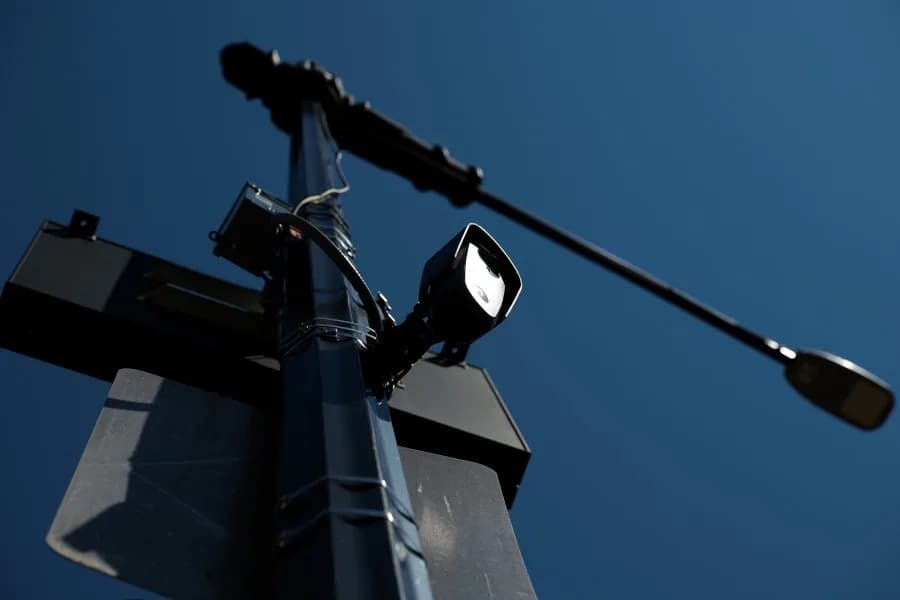
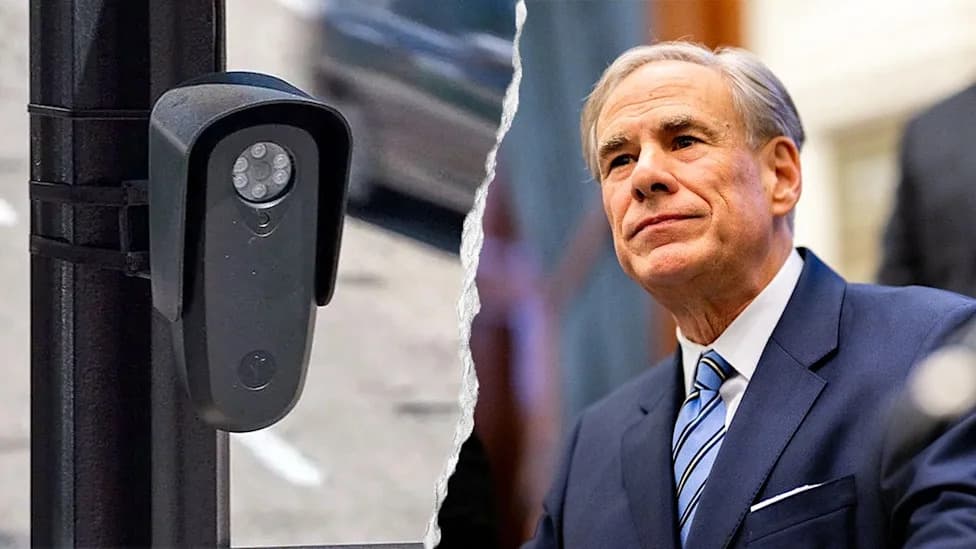
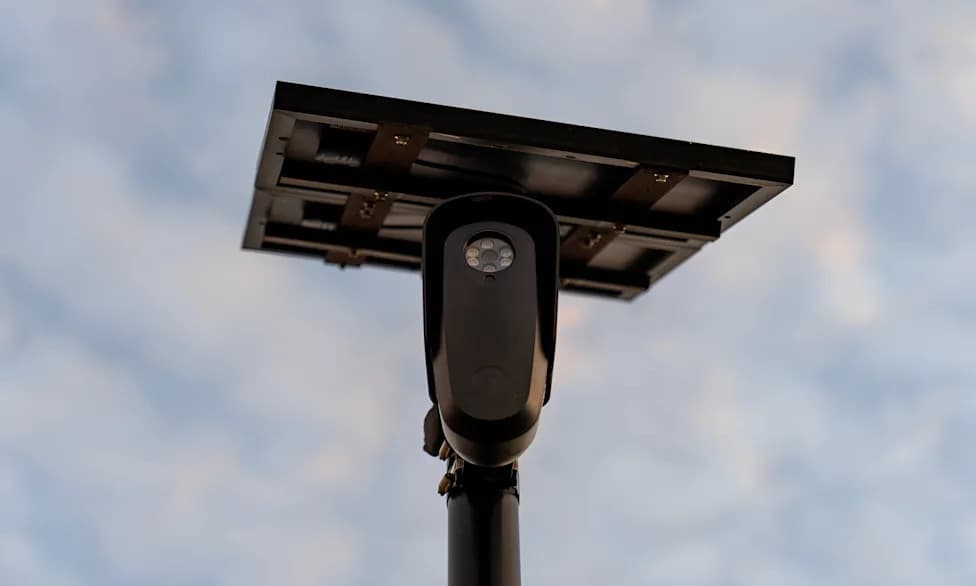
Sen. Josh Hawley has invited the CEOs of Flock Safety, Axon, Motorola Solutions and Verkada to testify before his Judiciary subcommittee about AI-enabled cameras and the large volumes of data they collect. The hearing will probe who can access the data, how it is stored and protected, and how vulnerable the systems are to hacking. Lawmakers cited reports of misuse, erroneous searches and warrantless movement tracking as key concerns. Verkada said its CEO cannot attend but the company is cooperating with the panel.
Sen. Hawley Summons CEOs of Flock, Axon, Motorola and Verkada to Testify on AI Surveillance and Data Security
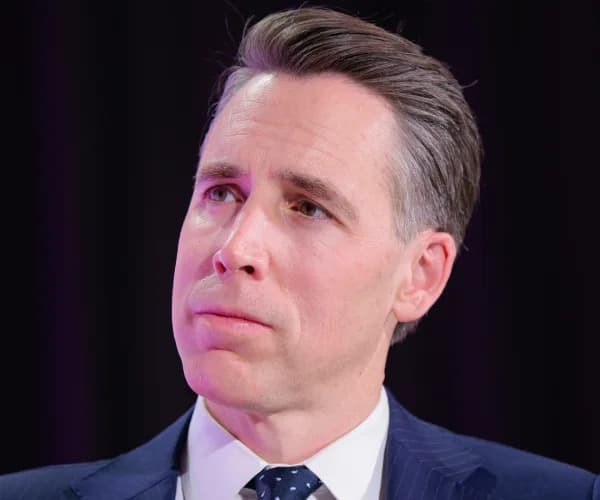
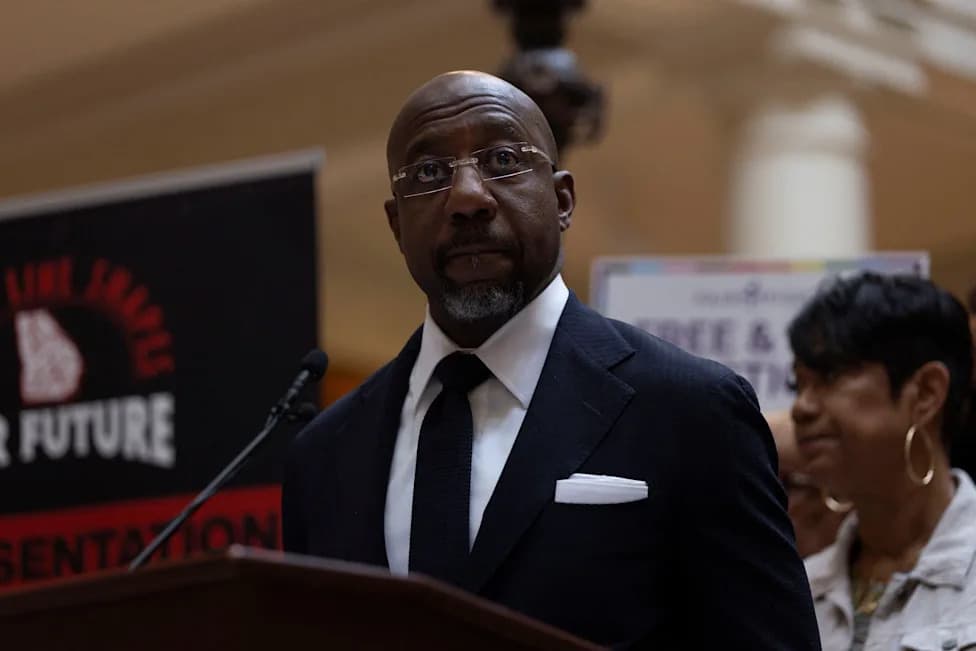
Sen. Josh Hawley, R-Mo. (Getty)
Sen. Josh Hawley (R-Mo.), chair of the Senate Judiciary Subcommittee on Crime and Counterterrorism, has invited the chief executives of four surveillance-technology companies to testify before his panel next week as lawmakers scrutinize the deployment of AI-enabled cameras and the vast amounts of location data those systems collect.
The committee requested the attendance of Garrett Langley (CEO, Flock Safety), Rick Smith (CEO, Axon Enterprise), Greg Brown (CEO, Motorola Solutions) and Filip Kaliszan (CEO, Verkada) for a Wednesday hearing examining how automated cameras and license-plate readers are used by law enforcement and how the data they generate is accessed, stored and protected.
Why the Hearing Matters
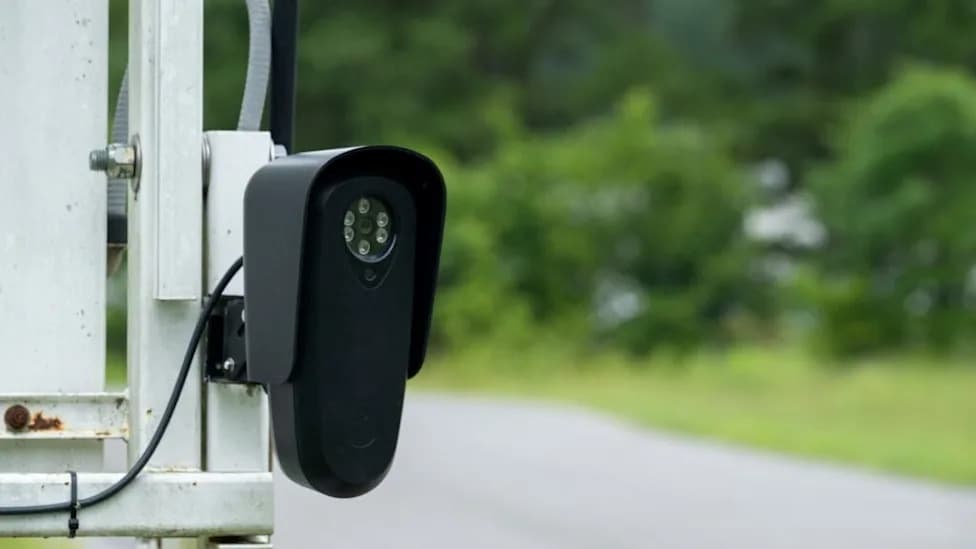
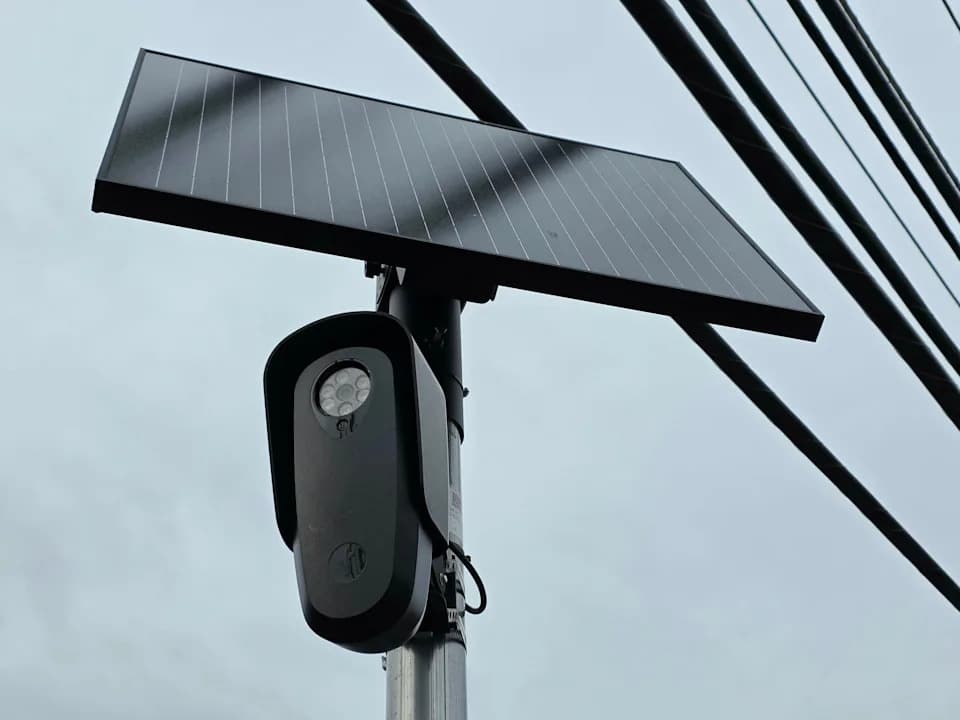
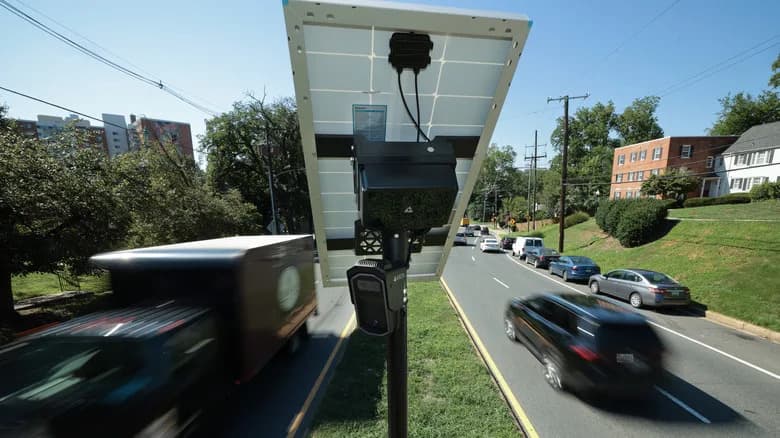
Flock operates a large network of automated license plate readers that the company says includes more than 120,000 cameras across 49 states and processes over 20 billion vehicle scans each month. Supporters say these systems can help locate stolen vehicles, missing persons and suspects. But lawmakers and civil liberties advocates have raised questions about privacy, oversight and security after reports of misuse and questionable searches by some officers.
Key Questions Lawmakers Will Press
- Who can access the data collected by these systems?
- How long is data retained and under what conditions is it shared?
- What protections are in place to prevent unauthorized searches or hacking?
- What safeguards limit misuse by officials or third parties?
"There's something like 20 billion images," Hawley told Politico. "Who has access to these images? What are the protections around them? How secure is the system from getting hacked? I just have a lot of concerns."
Sen. Dick Durbin (D-Ill.), the subcommittee's ranking member, urged a thorough review of Flock's data collection, retention and dissemination practices, noting that while automated license plate readers have public-safety benefits, incidents of misuse, erroneous searches and warrantless access to movement records raise serious privacy and accountability concerns.
A Verkada spokeswoman confirmed that CEO Filip Kaliszan would be unable to attend but said the company is cooperating with the subcommittee. "[W]e are in communication with the Subcommittee and are providing information ... as they prepare for the hearing," Virginia Ramsey said, adding that Verkada customers cannot search a national Verkada network because none exists and customers can only access data in their own systems.
Flock has told reporters it welcomes the senators' interest and is prepared to answer questions about its practices.
What To Watch At The Hearing
Expect lawmakers to press company witnesses on technical safeguards, access controls, retention policies, audit logs and incident response plans — and to seek clarity about how, and how often, law enforcement or other parties are granted access to movement and location records.
Help us improve.