Federal troops and a multi‑agency taskforce began patrolling Memphis a year ago under a Trump‑era surge intended to reduce violent crime. Official figures show substantial declines in homicides, but independent analysis finds no clear statistical link to the National Guard deployment. Public outrage has grown after four people were killed during taskforce operations and an autopsy released by the family of Tyrin Johnson indicated he was shot in the back. Local protests, business "buy‑cotts" and a high‑profile immigration raid that led to 120 arrests have intensified demands for accountability and oversight.
After Four Fatal Shootings and a Troubling Autopsy, Memphis Pushes Back Against National Guard Deployment
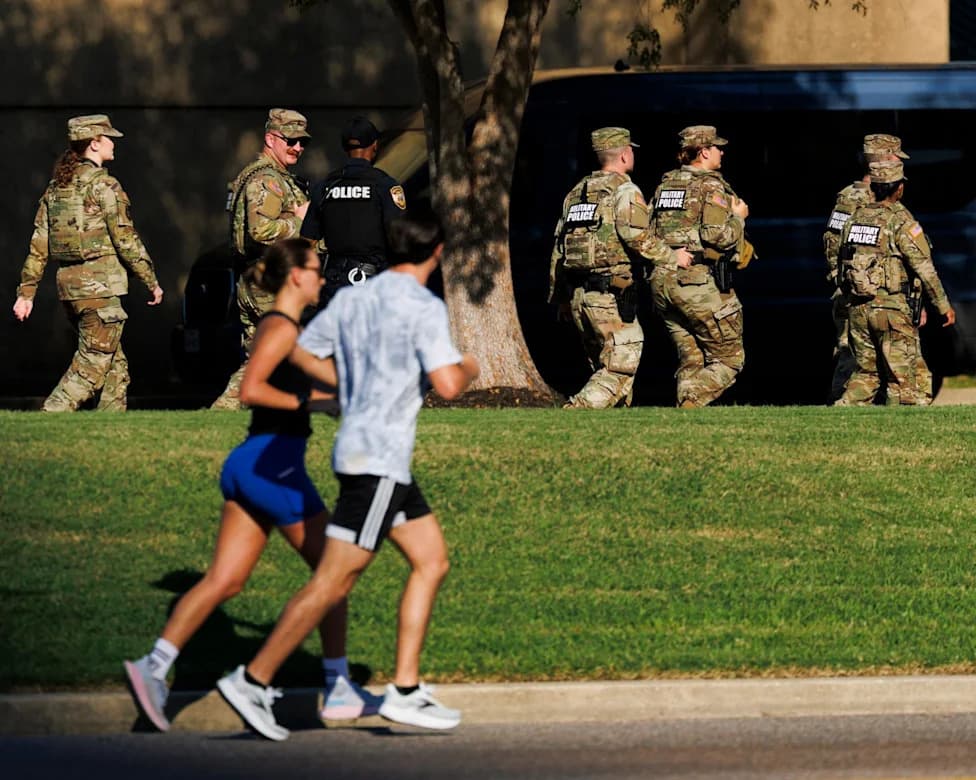
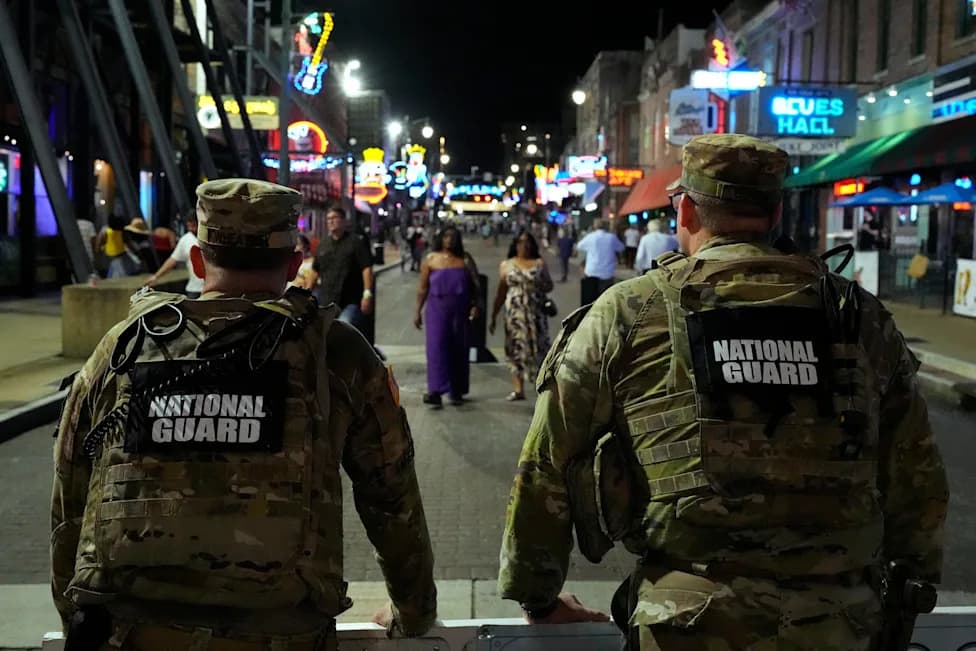
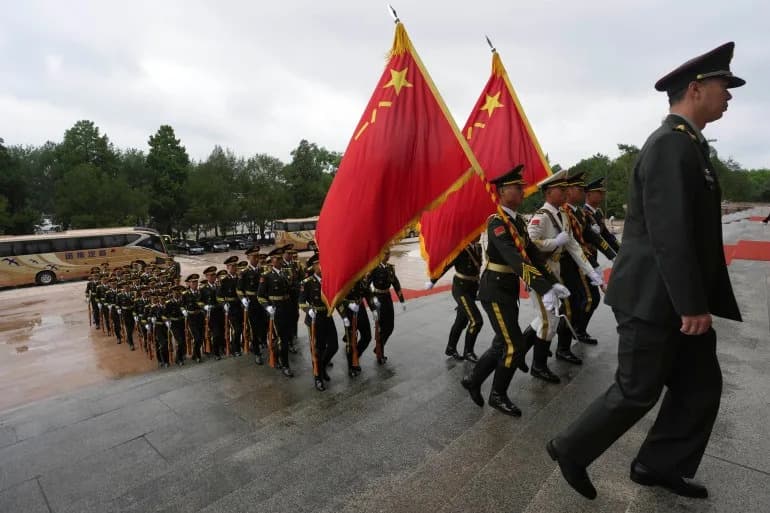
The national guard in Memphis, Tennessee, on 11 October 2025.Photograph: Brett Carlsen/Getty Images
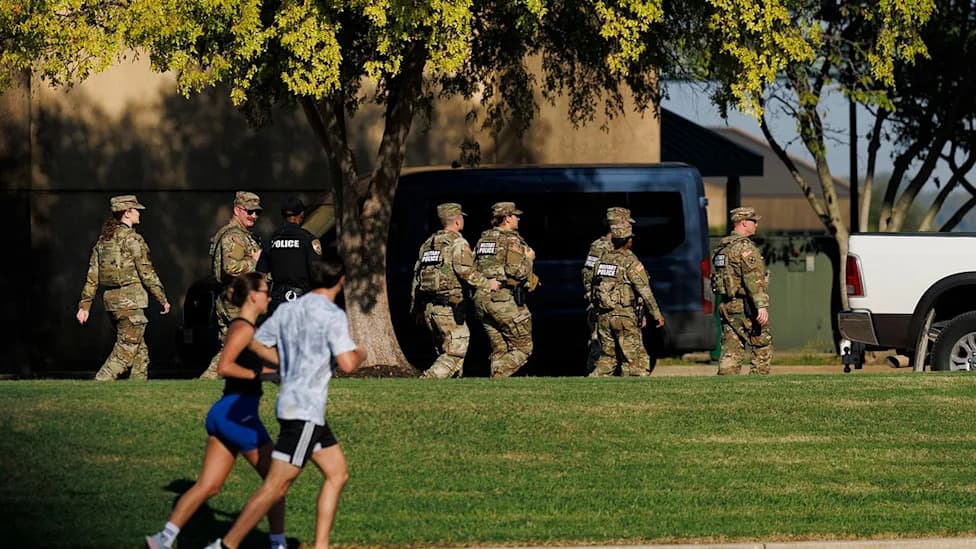
National Guard soldiers began patrolling the streets of Memphis one year ago as part of a federal surge ordered by the Trump administration to curb violent crime. Initially tolerated by many residents, the deployment has since become increasingly controversial amid questions about its effectiveness, civil‑liberties impacts and several deadly incidents involving taskforce officers.
Deployment, Claims and Crime Trends
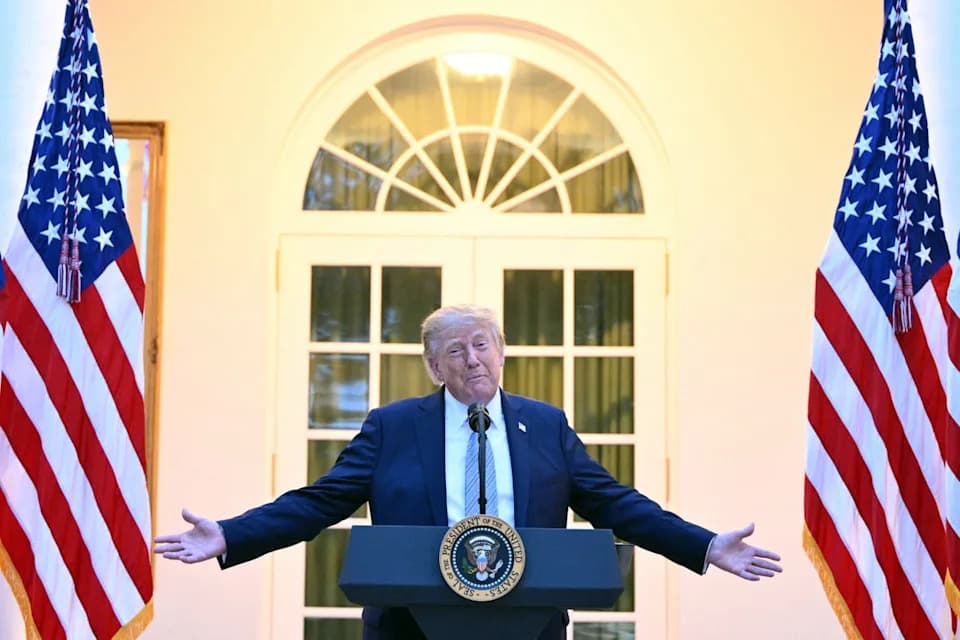
In September, President Donald Trump signed an executive order authorizing a multi‑agency surge that included officers from the ATF, FBI and Department of Homeland Security. In October, Tennessee Governor Bill Lee added state troopers and activated roughly 1,500 Tennessee National Guard members to support downtown patrols as part of the Memphis Safe Task Force.
The taskforce credits itself with sharp reductions in violent crime: the Memphis Police Department reported a roughly 35% decline in homicides since the taskforce began and a 60% year‑over‑year drop in murders for the city’s second quarter. A year after the deployment’s start, officials reported 96 murders compared with 149 in the same period the prior year, and the city is on pace for about 135 murders in 2026 (roughly 22.2 per 100,000 residents).
However, independent analysis complicates the narrative. Data show Memphis already recorded a 26% decrease in murders—from 249 in 2024 to 184 in 2025—before the taskforce arrived. Analysts say the city’s decline mirrors broader national trends and that there is no statistically compelling evidence the Guard deployment was the primary driver of falling violence.
Independent Analysis and Political Fallout
A report from the Center for American Progress (CAP) used regression analysis against historical crime patterns and compared cities with and without federal deployments. The report concluded there is no clear evidence these deployments reduced homicides, violent crime or gun violence. President Trump publicly threatened a $5 billion personal defamation suit against the study’s authors unless they retracted the findings and apologized.
Deadly Incidents and Community Response
Public sentiment shifted sharply after a series of lethal encounters involving federal agents and Guard members. Four men have been killed during taskforce operations; the family of Tyrin Johnson released an autopsy indicating he was shot in the back after two National Guard soldiers fired on him during Fourth of July weekend. The taskforce said officers were pursuing an armed‑robbery suspect.
Community organizers and family members say the autopsy and timing of the troop drawdown raise troubling questions. "The timing is suspicious," said organizer Lucci Chambless, who has worked closely with the Johnson family. The Tennessee National Guard and the governor’s office did not respond to requests for comment.
Local Protests, Business Actions and Immigration Raids
Resistance has grown in civil society and small business. Tamboli’s, a midtown pizza restaurant, went viral after refusing to seat National Guard troops; a conservative call to boycott instead drew supporters and the restaurant became busier. More than 50 businesses have joined a "buy‑cott" in solidarity. Board to Beers, a bar near the University of Memphis, said the protest boosted patronage and community support.
Separately, the taskforce carried out an immigration raid at the El Corralón nightclub that resulted in 120 arrests—the largest single operation in state history—and many of those arrested have reportedly been deported. The raid, and the deportations that followed, intensified public concern and led children of deported people to address the Memphis City Council.
Politics, Oversight And Next Steps
When the surge first arrived, the Memphis City Council rejected a resolution condemning it and initial political resistance was muted. But recent local elections and public testimony have made the council more open to renewed scrutiny. Advocates hope a new group of county commissioners will pursue legal or legislative challenges, and organizers are calling for greater transparency, accountability and independent review of taskforce operations.
Context: Experts caution that across the U.S., crime trends have fluctuated since the pandemic, and isolated local changes do not always indicate causation from specific policing strategies. The debate in Memphis highlights tensions between short‑term law enforcement tactics and longer‑term concerns about civil liberties, community trust and data‑driven policy.
Help us improve.