Traditional rainmakers in Uganda and South Sudan face growing violence as climate change makes rain less predictable. Erratic patterns — fewer rainy days but more intense downpours — are destroying crops and fueling anger. In South Sudan, at least two rainmakers were reportedly buried alive during droughts, while in Uganda some practitioners face beatings, detention and public humiliation. Payment disputes, local rivalries and climate anxiety are driving attacks on these traditional figures.
When Rain Brings Revenge: How Climate Change Is Turning African Rainmakers Into Targets
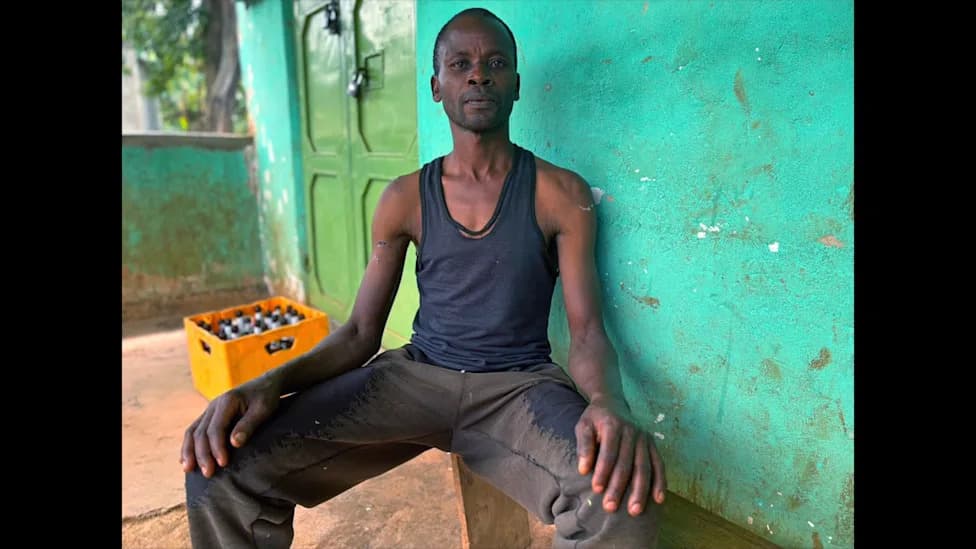
In this photo taken with a smartphone, David Nabutsilili, a rainmaker, poses for a photo in Namisindwa, Uganda, Tuesday, Sept. 3, 2026. (AP Photo/Rodney Muhumuza)(AP Photo/Rodney Muhumuza)
In Namisindwa district, eastern Uganda, villagers who paid traditional rainmaker David Nabutsilili to summon rain turned on him after the downpour they requested left their vegetable gardens flooded. They chased and beat him until he fell on a rock and broke a femur — an injury that still pains him 16 years later.
A Trusted Role Under Strain
Rainmakers have long served as spiritual intermediaries across parts of sub-Saharan Africa, performing rituals to ask deities or ancestral spirits to bring rain or to hold it back. Their apparent successes have made them important local figures — but also put them under intense pressure when weather fails to meet community expectations. As climate change makes rainfall more erratic, some communities increasingly blame, humiliate or even kill the people they once relied upon.
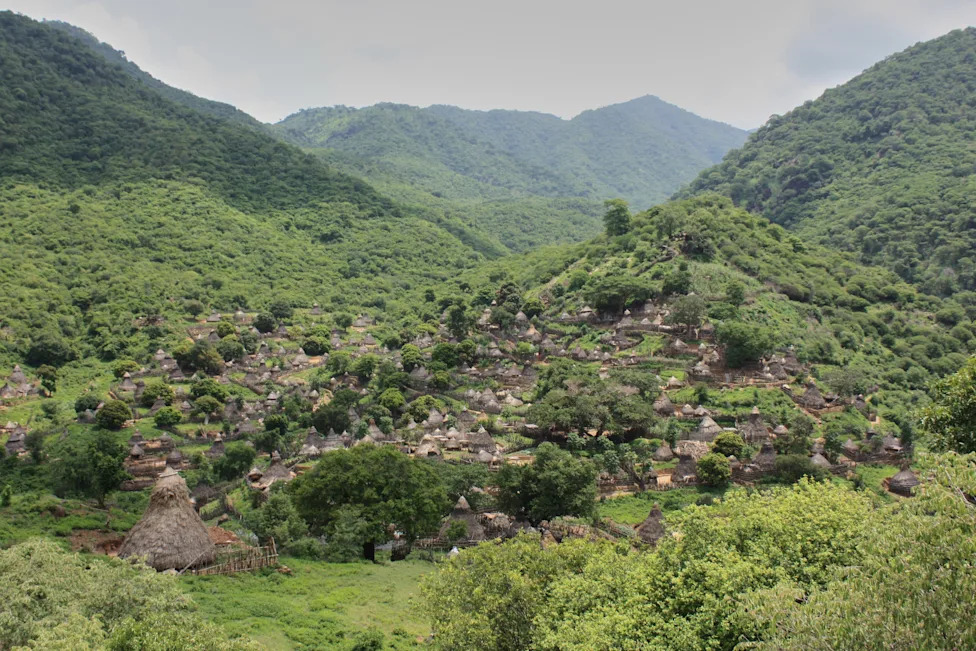
A view of the village of Lohobohobo, in South Sudan, Friday, July 24, 2025. (AP Photo/Joseph Falzetta)(AP Photo/Joseph Falzetta)
Violence and Fatal Accusations
While no Ugandan rainmakers are known to have been killed in recent years, assaults and public punishments are common. In neighboring South Sudan, by contrast, at least two rainmakers were reportedly killed during droughts in the past two years. Authorities say Solomon Oture was buried alive in 2024 in the remote village of Lohobohobo during a dry spell; witnesses also reported that Albino Lobillia was abducted and buried alive amid prolonged drought in June.
"There was no food, and animals began dying in large numbers because of the drought," said Madelina Tito, a relative of Lobillia and a local chief. "They held meetings and decided he should be killed because, according to them, he had refused to command the rain."
Climate Patterns: Less Frequent, More Intense Rain
Research supports what villagers report anecdotally. A study published in the International Journal of Environment and Climate Change found that average annual rainy days in the Kapoeta region fell from roughly 90 days in the 1980s to about 46 days by the mid-2010s. When rain does arrive, it tends to come in shorter, more intense bursts — producing both drought and flash flooding that devastate crops and livelihoods.
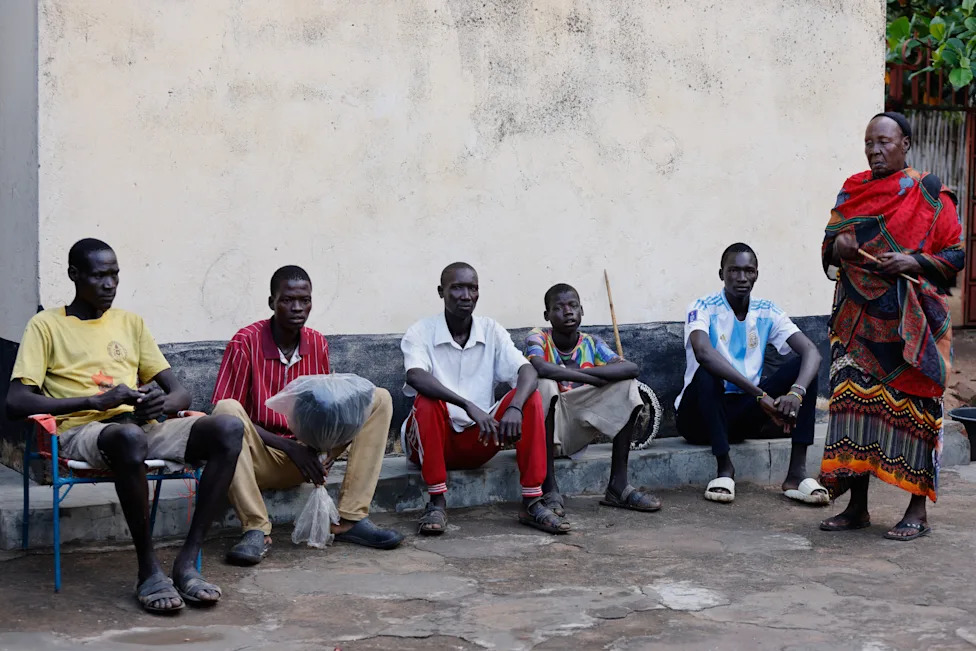
Young men and boys who fled drought in South Sudan sit alongside a chief in Torit, the capital of Eastern Equatoria state, South Sudan, Friday, Aug. 14, 2026. (AP Photo/Juma Peter)(AP Photo/Juma Peter)
Why Rainmakers Become Scapegoats
Millions in Uganda and South Sudan rely on smallholder, rain-fed agriculture. When erratic rainfall destroys planting cycles or washes away harvests, desperation grows. Rainmakers are paid to influence the weather — fees can range from modest amounts (about $13) to larger sums (up to about $260) — creating transactional expectations. If a ritual appears to fail, anger often follows, sometimes demanding refunds or violent retribution.
Local rivalries among practitioners can exacerbate mistrust. In some villages there are multiple rainmakers, and competition or accusations of sabotage can heighten tensions. Humiliations documented by residents include detentions, forced consumption of muddy runoff, and public beatings.
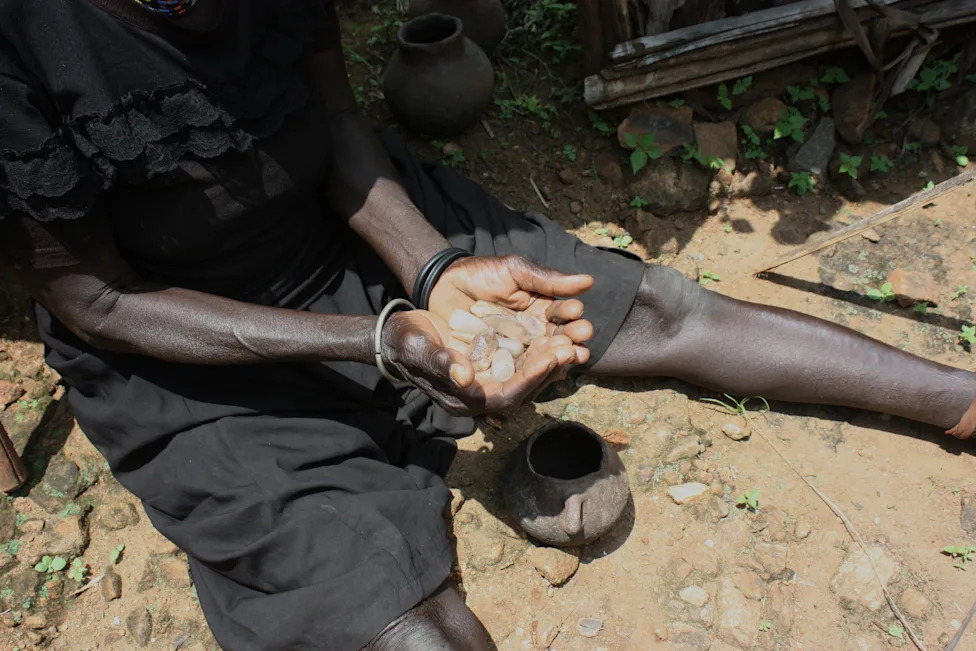
A rainmaker from a village in the Lopit Mountains shows sacred stones used in rainmaking rituals, South Sudan, Thursday, July 24, 2025. (AP Photo/Joseph Falzetta)(AP Photo/Joseph Falzetta)
Voices From The Ground
Nabutsilili, now 45, says he was first possessed by a rainmaking spirit at 14, after mysterious wounds appeared on his legs. His reputation grew after early successes — including a memorable assignment to keep rain off a cabbage truck — but erratic weather has made results unpredictable. "People beat us because sometimes the rain is too much, or there is no rain," he told The Associated Press.
Joseph Weyusya, an elder with Inzu ya Masaaba, a Bagisu cultural institution, acknowledged that rituals sometimes coincide with rainfall. "We have been with these people, and indeed sometimes they have done rituals and we have had rain," he said. But he added that frustration during dry spells often leads villagers to seek someone to punish.
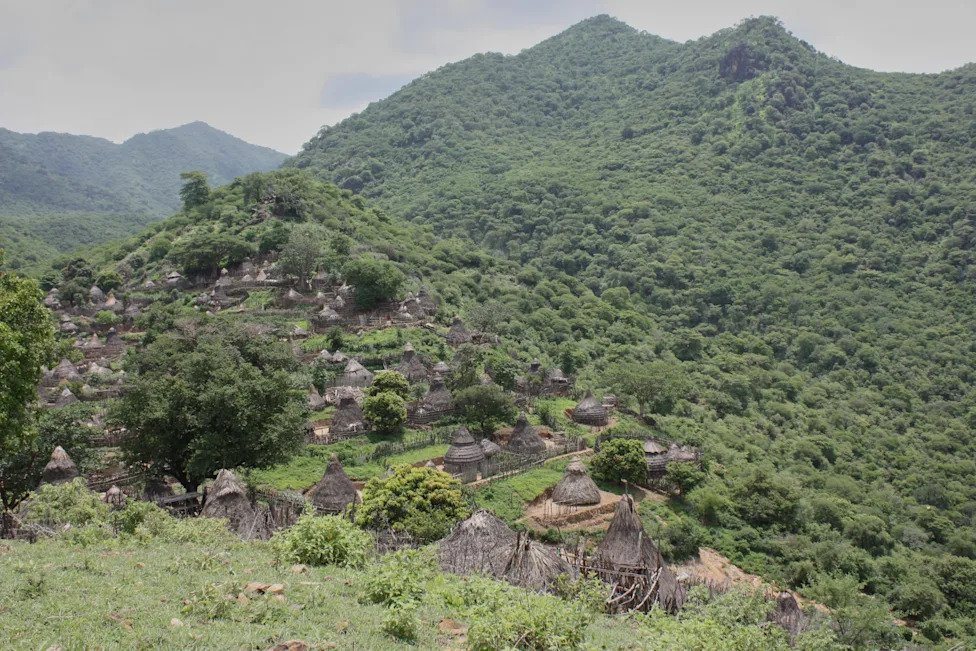
A view of the village of Lohobohobo, in South Sudan, Thursday, July 24, 2025. (AP Photo/Joseph Falzetta)(AP Photo/Joseph Falzetta)
What This Means For Communities
Humanitarian and academic observers warn that alternating drought and floods make food security precarious and heighten social conflict. "Communities in the most flood-prone areas have spent the last few years alternating between losing crops to floods and losing them to drought," said Joris Gasper of the REACH Initiative, which works in South Sudan.
Officials and local leaders say better public understanding of climate change, greater support for resilient farming practices, and strengthened local dispute-resolution mechanisms could reduce violent reprisals. For now, however, many traditional practitioners continue to do their work under threat.
Conclusion
The story of rainmakers like Nabutsilili highlights how cultural practices, economic exchange and climate change intersect — often with tragic consequences. As weather patterns grow less predictable, communities that depend on seasonal rains face mounting stress, and those perceived to control the weather are increasingly vulnerable to blame and violence.
Reporting for this story included interviews in eastern Uganda and accounts from South Sudan; some details are based on Associated Press reporting and a regional climate study.
Help us improve.