Rising pump prices in the Hanford-Corcoran area — now averaging $5.62 per gallon — pushed the City of Hanford’s monthly fuel bill to nearly $94,000. City purchase prices rose roughly 39% for gasoline and 33% for diesel, with monthly consumption totaling 10,512 gallons of gasoline and 13,142 gallons of diesel. Officials are accelerating fleet electrification and adding charging infrastructure, though heavy-duty vehicle conversions remain constrained by current range and charging limits.
California Gas Spike Sends Hanford’s Monthly Fuel Bill Near $94K and Accelerates Fleet Electrification
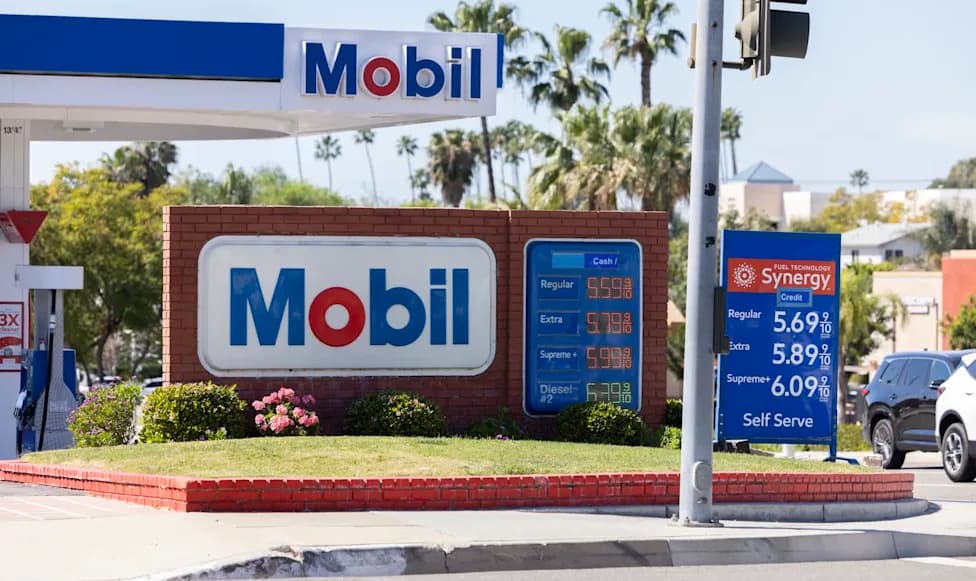
Photo Credit: iStock
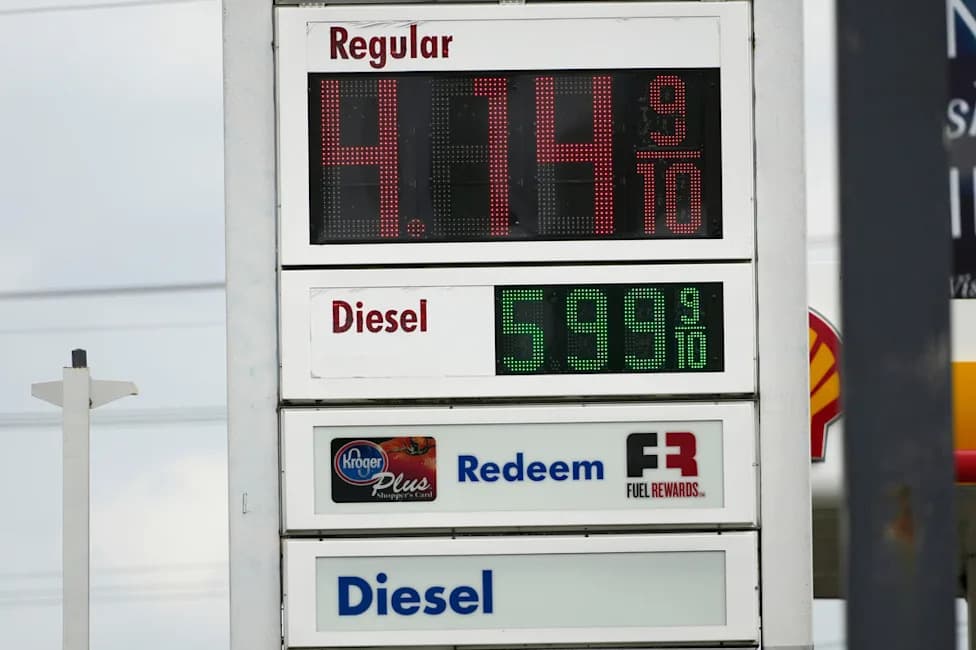
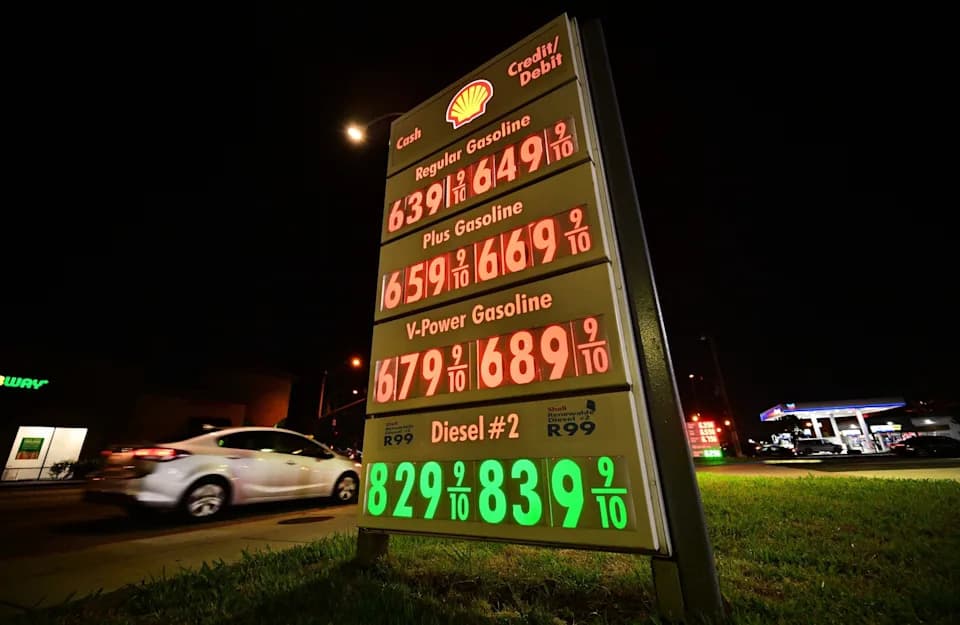
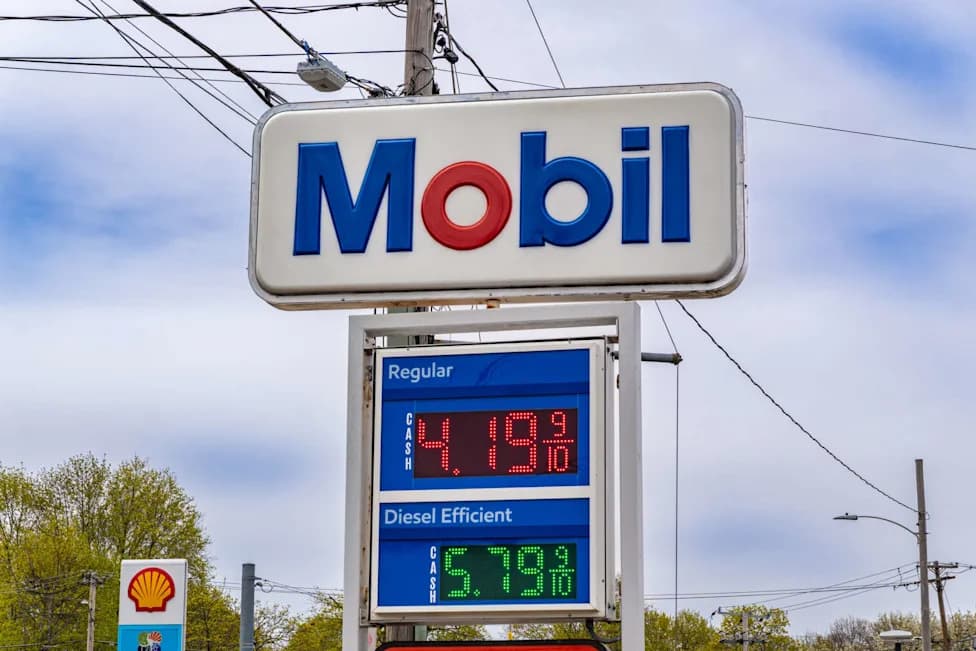
Average pump prices in California’s Hanford-Corcoran area have climbed to $5.62 a gallon, and the surge is stretching beyond individual drivers to municipal budgets. For the City of Hanford, higher wholesale purchase prices translated into a nearly $94,000 fuel bill in a single month and pushed city leaders to accelerate plans to electrify their fleet.
Municipal Costs and Price Moves
Local reporting shows average prices for 2025 and 2026 rising from $4.44 a gallon to $5.62 — roughly a 27% increase. Although Hanford buys fuel below retail rates, those contracted prices rose sharply: gasoline from about $2.70 to $3.74 per gallon (≈39% increase) and diesel from $3.13 to $4.15 per gallon (≈33% increase).
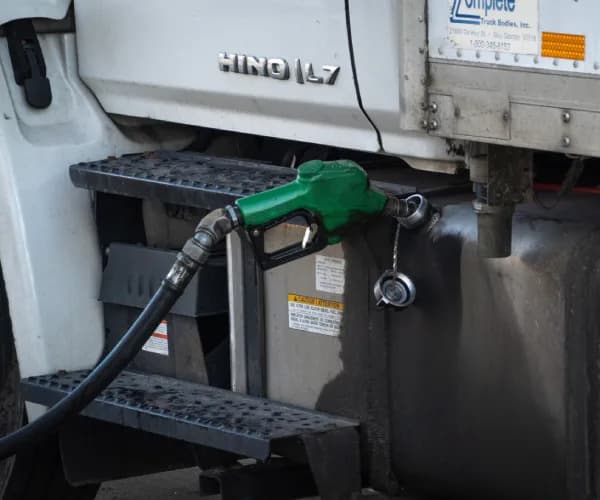
Because of the city’s consumption volume, those increases quickly add up. In one month Hanford recorded 10,512 gallons of gasoline and 13,142 gallons of diesel purchased, for a combined cost of $93,854.
"It starts to add up real quick, especially on the diesel side," Russ Sterling, director of Hanford Public Works, told the Hanford Sentinel.
Drivers Behind the Price Pressure
The report cited international tensions — including the war in Iran and concerns about disruptions in the Strait of Hormuz, a key global oil chokepoint — as factors contributing to higher crude prices. Those global shifts can ripple to local governments because diesel fuels heavy equipment and crude-driven costs affect materials such as asphalt.
Sanitation, Rates and Budget Responses
Sanitation operations are a major municipal fuel expense. Sterling said Hanford operates 14 refuse trucks daily, and each truck uses about 40 to 50 gallons per day. Because the Refuse Division is structured as an enterprise fund, customer fees are intended to cover service costs. To align revenues with rising costs, the Hanford City Council approved a phased residential refuse rate increase on April 7 that will reach $43.69 by 2030.
Local officials also noted Measure H provided some immediate relief from higher fuel and oil expenses, helping the city absorb recent shocks while planning longer-term responses.
Electrification: Progress and Limits
Hanford is aggressively pursuing electrification to reduce exposure to volatile fuel markets. The city already operates electric or hybrid light-duty trucks, electric golf carts and battery-powered lawn mowers, and officials are evaluating additional public EV charging infrastructure.
Converting heavy-duty vehicles remains challenging. A city test of an all-electric garbage truck showed it could operate only about half a day before needing to recharge, illustrating current range and charging limitations for heavy municipal equipment. Still, officials argue that broad electrification, paired with renewable generation and battery storage where feasible, can blunt future price shocks.
"Right now we have a solid budget, and we haven't had an issue," Sterling said. "As we develop our next budget, we'll have to estimate our fuel costs in there. The fuel prices, they affect everybody's budget."
What This Means for Other Communities
Hanford’s experience highlights practical steps and trade-offs other cities face when responding to rising fuel costs: updating user fees, testing electric alternatives for route-based heavy equipment, investing in charging infrastructure, and exploring on-site renewables and batteries to stabilize energy costs.
- States Are Targeting High-Mileage Drivers To Boost EV Adoption Where Gas Use Is Heaviest
- California Has Given Local Governments More Authority Over Oil And Gas Operations
- Research Links Oil And Gas Pollution To Health Harms, Including Asthma And Premature Deaths
- Replacing Gas-Powered Lawn Equipment Can Reduce Local Pollution Near Neighborhoods And Public Works Yards
Help us improve.