About 1,400 people fled Yemen for Djibouti within 24 hours as Houthi fighters press their advance around the Bab al-Mandeb strait. Djibouti's economy minister said roughly 500 refugees were rescued at sea and landed in Obock, many of them women and children. The IOM reports 76,000 people displaced since July — a figure that has quadrupled following renewed hostilities — while UNHCR data from March 2026 lists over 36,000 registered refugees in Djibouti.
About 1,400 Yemenis Flee to Djibouti in 24 Hours as Houthis Tighten Grip on Bab al-Mandeb
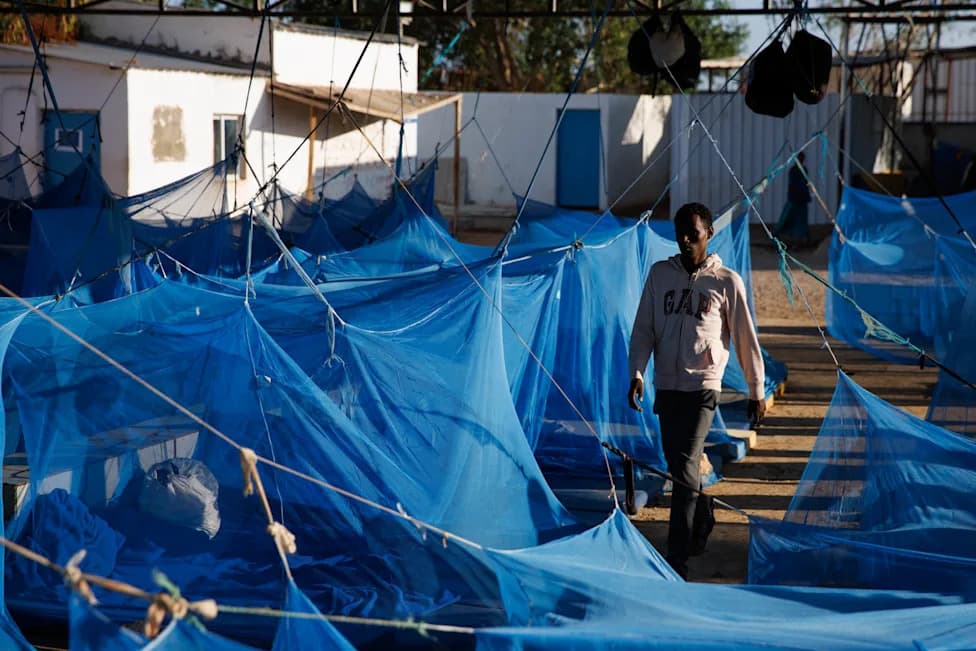
A man walks through a male dormitory at an International Organization for Migration transit centre for migrants in Obock, Djibouti [File: Luke Dray/Getty Images]
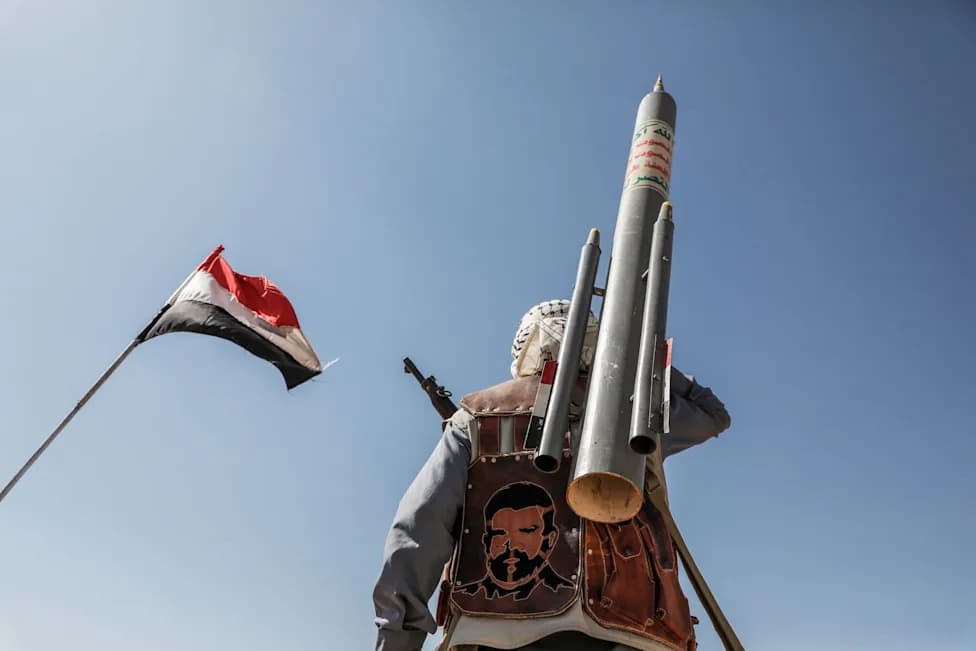
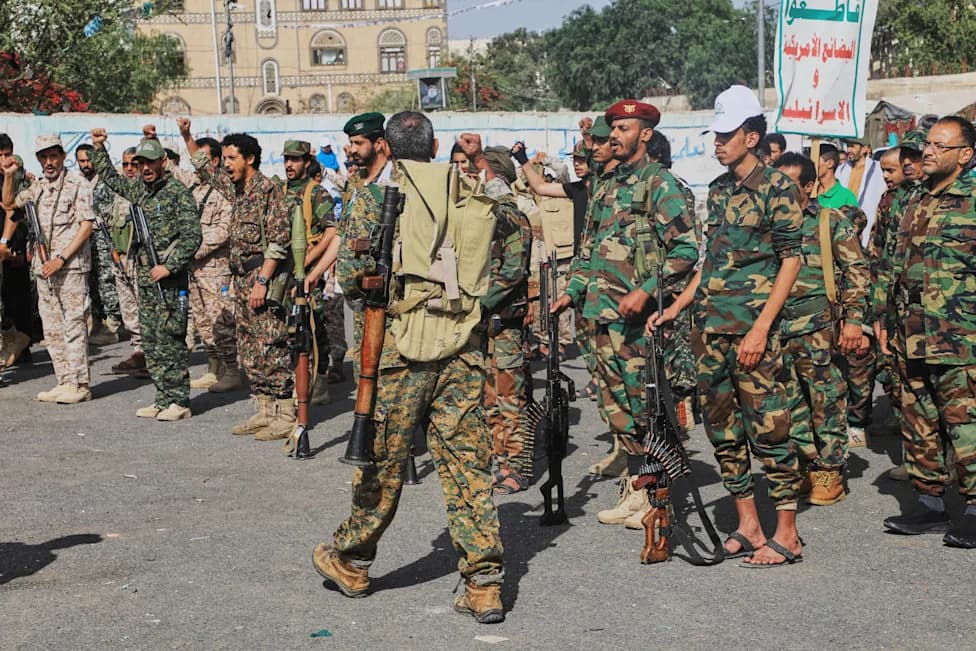
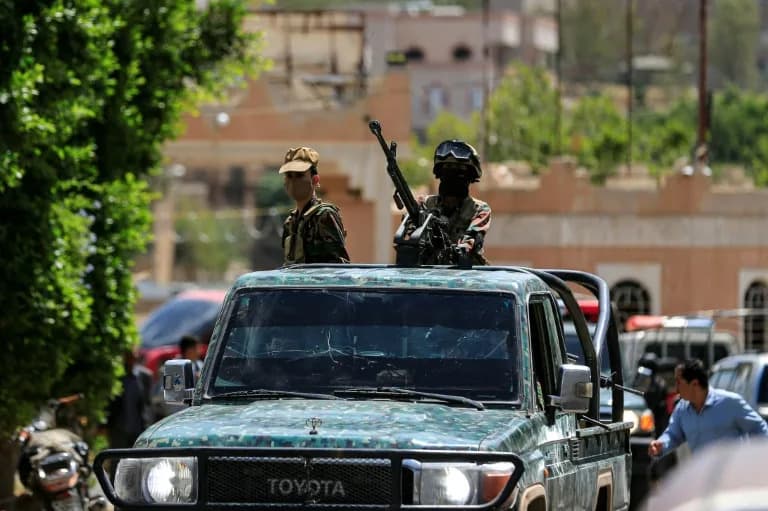
About 1,400 people fled Yemen for Djibouti within a 24-hour period, Djibouti's economy and finance minister said, as Houthi fighters tighten control around the strategically vital Bab al-Mandeb strait.
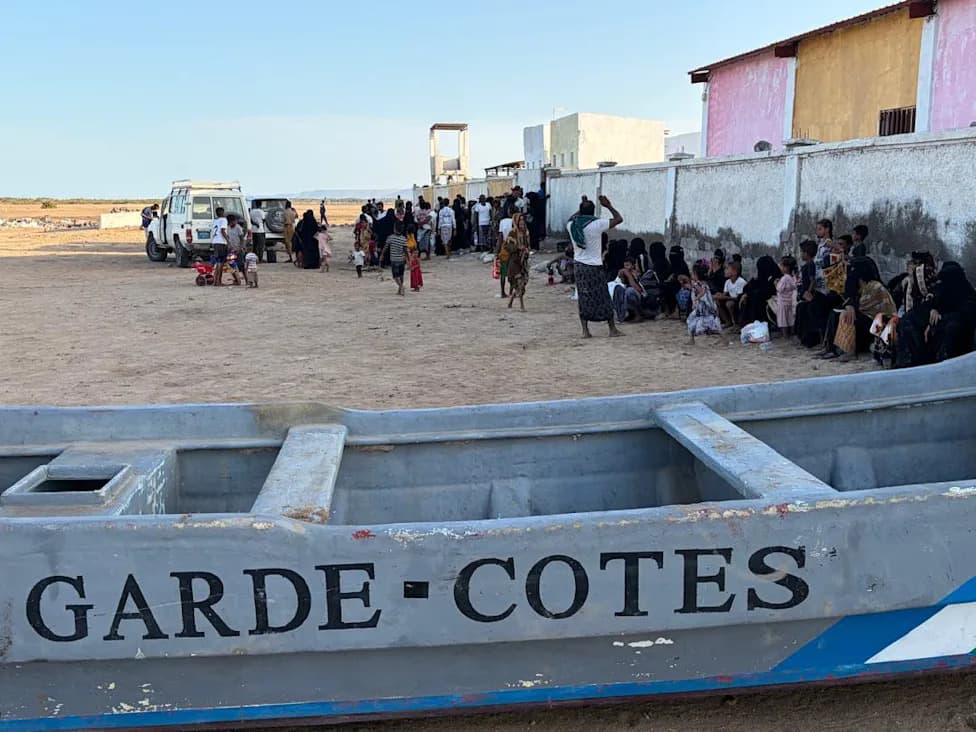
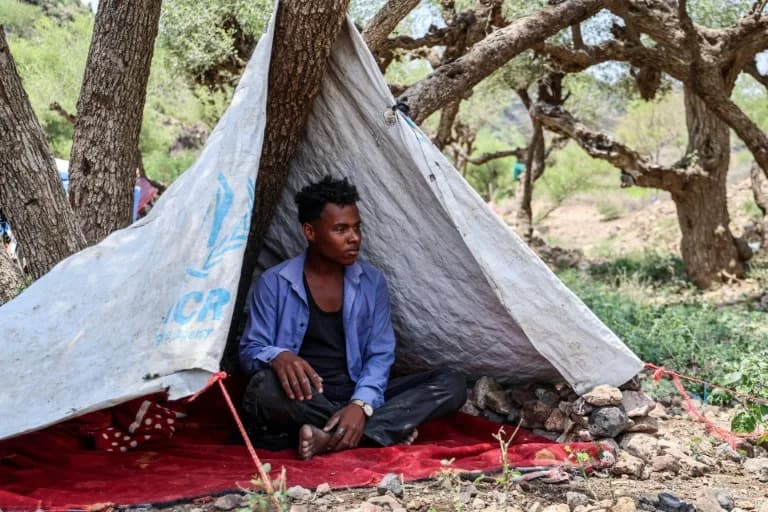
Ilyas Moussa Dawaleh posted on X that "1,400 refugees arrived in Djibouti from Yemen in just 24 hours." In a separate post he said roughly 500 of the arrivals were rescued at sea and landed in the coastal city of Obock after their boats ran out of fuel during the crossing.
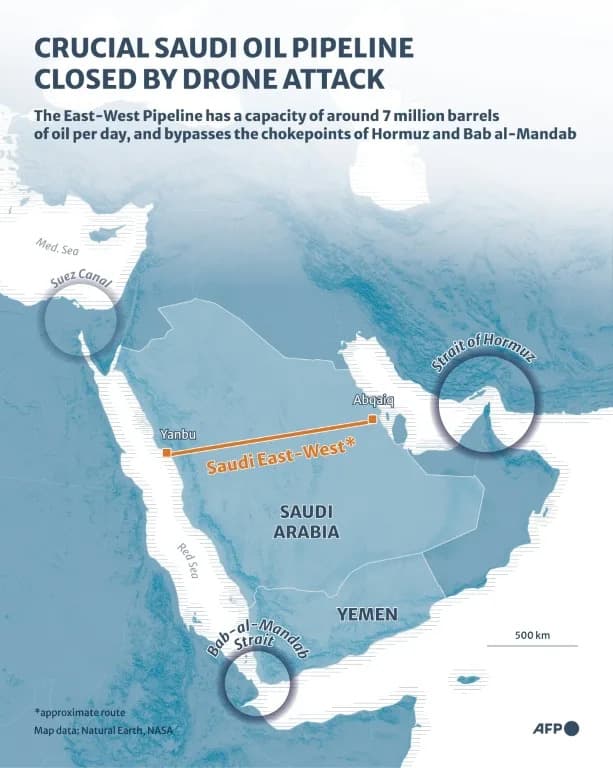
Obock lies only about 20 kilometres (12 miles) across the water from Yemen's coast and has long been a common landing point for people fleeing the conflict. The Bab al-Mandeb corridor is also used in the opposite direction by migrants from the Horn of Africa transiting through Yemen toward Gulf states.
Safiya Ibrahim, humanitarian response coordinator at the International Organization for Migration (IOM), told AFP that vulnerable groups — including women and children — have reached Obock's shores and that more arrivals are expected in the coming days.
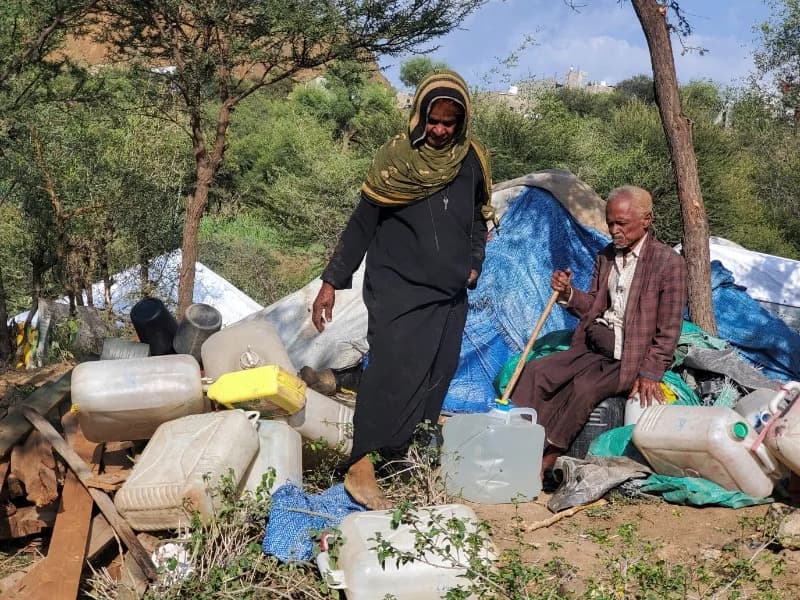
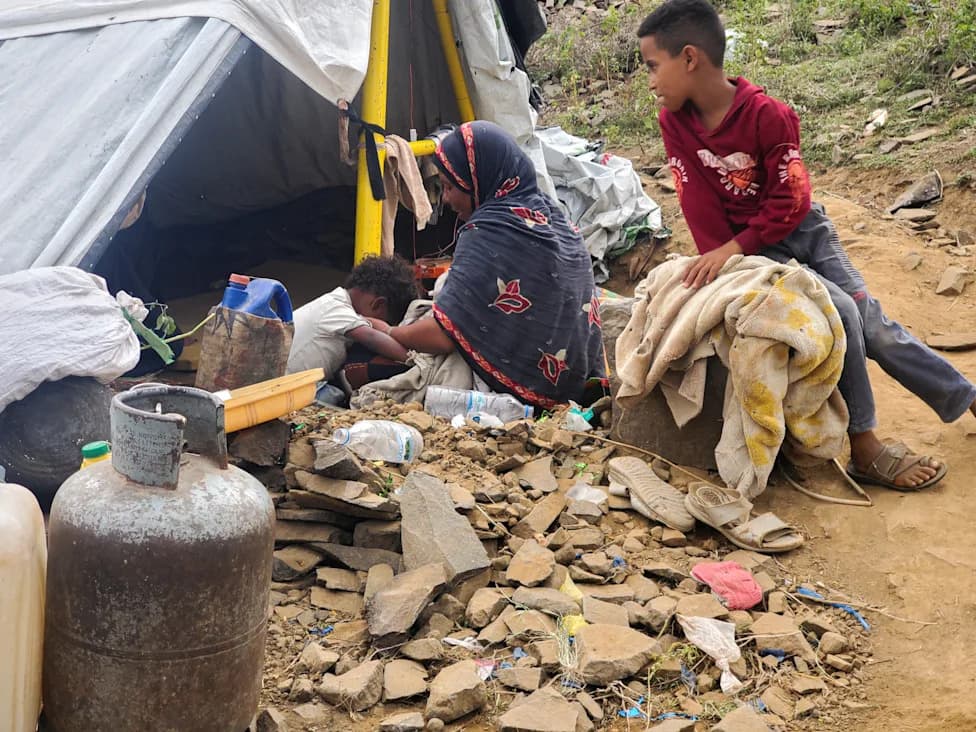
The IOM said on Saturday that an estimated 76,000 people have been displaced by fighting in Yemen since July, and that the figure has quadrupled following the renewed escalation in hostilities.
Djibouti already hosts tens of thousands of refugees and asylum-seekers. United Nations Refugee Agency (UNHCR) figures from March 2026 show a registered refugee population of more than 36,000 in Djibouti, the majority from Somalia, Ethiopia and Yemen.
The Houthi advance has been rapid: they seized the Red Sea port city of Mocha on Thursday and have since overrun sections of the coastline and nearby islands around the Bab al-Mandeb. The offensive has forced thousands of families to flee, with entire villages reportedly emptied in districts such as Maqbanah, Jabal Habashi and al-Maafer.
Impact: The latest movements increase pressure on Djibouti's coastal communities and humanitarian services and underline growing instability along a key international shipping route.
Help us improve.