President Trump pardoned Patrick Tate Adamiak, a former Navy E-6 who was sentenced to 20 years after a 2022 federal conviction for possessing and selling unregistered machine guns. Prosecutors say an ATF probe beginning in 2021 found he sold seven machine-gun receivers and a PPSh to a confidential informant; a later search allegedly recovered 25 more unregistered machine guns and multiple launchers. Advocacy groups including the Second Amendment Foundation dispute the prosecution and have campaigned for clemency. The pardon does not erase the conviction, and Adamiak plans to continue challenging the verdict.
Trump Pardons Former Navy Sailor Sentenced to 20 Years for Unregistered Machine Guns

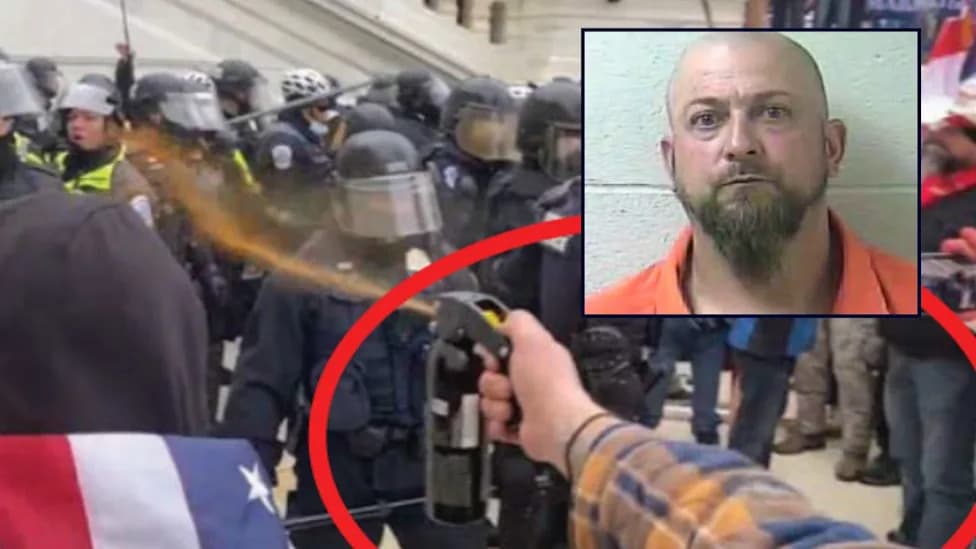
Navy sailor Patrick Tate Adamiak was previously convicted of receiving, possessing, and transferring unregistered machine guns and other destructive devices. (Photo courtesy of Western Tidewater Regional Jail via JailTracker)
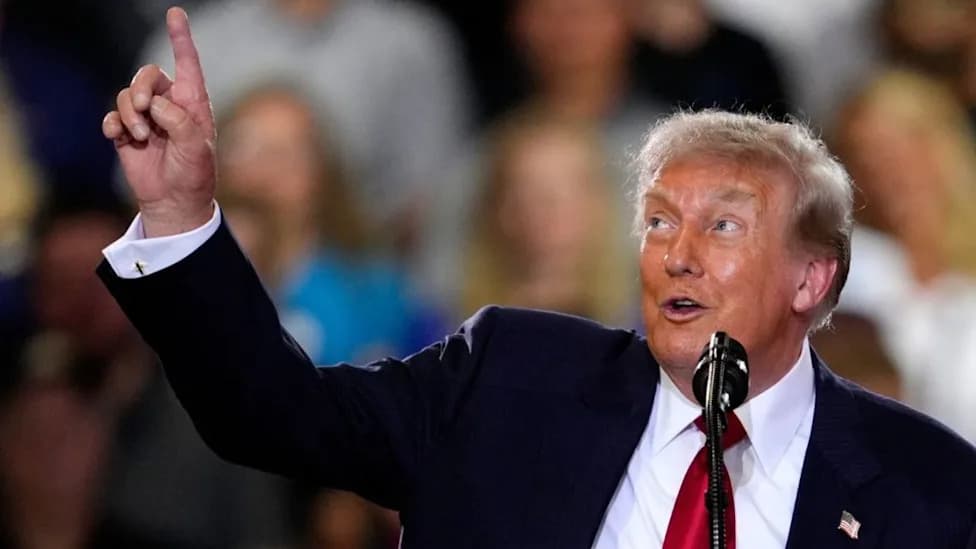
President Donald Trump granted a pardon to Patrick Tate Adamiak, a former U.S. Navy E-6 who had been sentenced to 20 years in federal prison after a 2022 conviction for possessing and selling unregistered machine guns.
Case Background
According to court filings, the Bureau of Alcohol, Tobacco, Firearms and Explosives (ATF) began investigating Adamiak in 2021 after receiving a tip from a confidential informant. Prosecutors say that between October 2021 and April 2022 Adamiak sold seven machine-gun receivers and a PPSh-style machine gun to the informant. A subsequent search warrant executed at his home reportedly recovered 25 additional unregistered machine guns plus two grenade launchers and two anti-tank missile launchers.
Evidence, Conviction and Appeals
Prosecutors stated agents recovered invoices, schematics allegedly detailing the illegal manufacture of machine-gun receivers, and phone messages identifying suppliers of parts. A federal jury convicted Adamiak in 2022, and an appellate court later rejected most of his challenges to that conviction.
Lee Williams, who leads a journalism project funded by the Second Amendment Foundation (SAF), has written more than 60 articles about the case and contends the prosecution was unjust.
Williams and SAF have argued Adamiak was wrongfully prosecuted, with Williams asserting Adamiak "never committed a single crime" and alleging misconduct by federal agents. Those assertions reflect the advocacy position of SAF; they are contested by prosecutors and were not adopted by the jury or the appellate court.
Pardon, Limits and Next Steps
Trump issued the pardon on Sept. 3 as part of a group of 23 pardons. A presidential pardon forgives federal punishment but does not erase the underlying conviction or automatically expunge a criminal record. The SAF says Adamiak intends to continue pursuing legal avenues to overturn his conviction.
Note: This summary reports allegations and the outcomes of criminal proceedings as described in court documents and public statements. Where noted, claims are those of prosecutors or advocates.
Help us improve.