President Donald Trump said he 'likes' Flock's license-plate cameras while acknowledging privacy concerns, praising their usefulness to law enforcement. Flock CEO Garrett Langley defended the technology on Fox News and urged balance between privacy and safety, proposing measures such as one-week data retention and penalties for improper access. The company faces bipartisan scrutiny in Congress, with calls ranging from funding restrictions to an outright ban.
Trump Backs Flock License-Plate Cameras, Saying 'I Like Them' for Law Enforcement
Trump Throws His Support Behind Flock Cameras: ‘I Like Them’
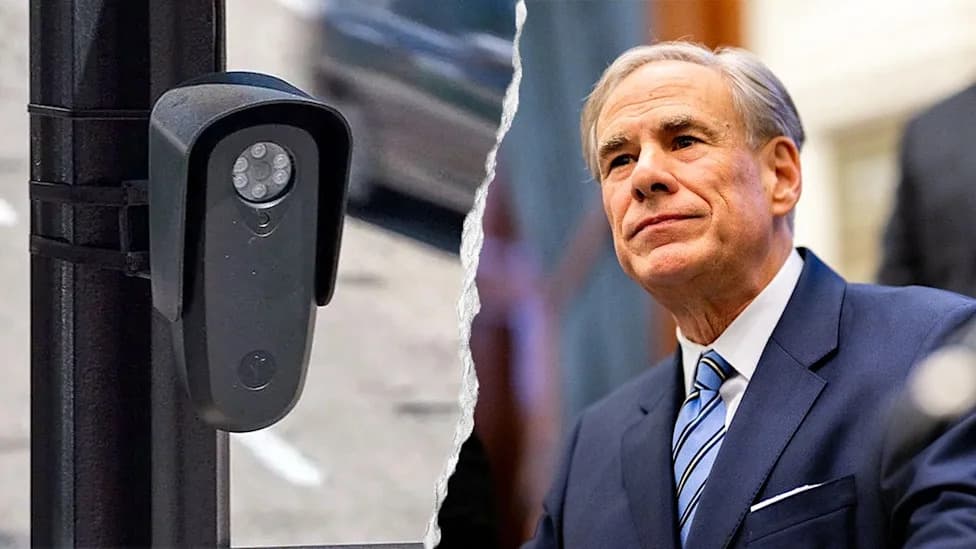
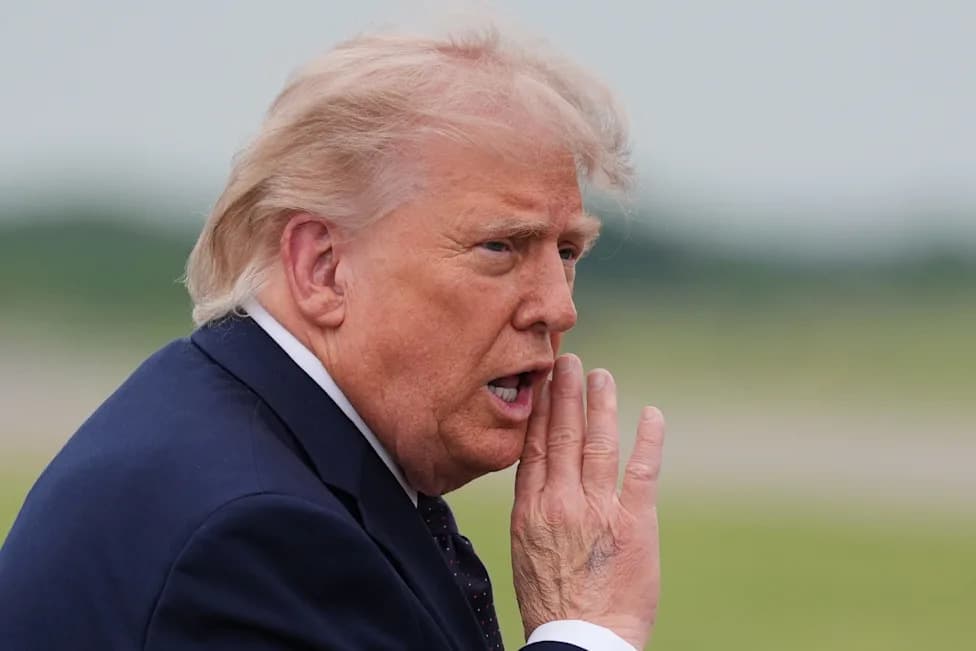
President Donald Trump on Sunday expressed public support for Flock's automated license-plate cameras, acknowledging privacy concerns but saying the devices are more useful than harmful for law enforcement. He made the remarks aboard Air Force One as he returned from Ireland.
A reporter asked whether he would back the technology because "a lot of law enforcement say they really help them," and Trump replied:
'I sort of like 'em because of that, because of law enforcement. But some people don't. They think it's an infringement.'
After a reporter noted the systems "help catch a lot of criminals," Trump reiterated, 'But I like them,' then closed the exchange and asked reporters whether they were enjoying his choice of music on the flight.
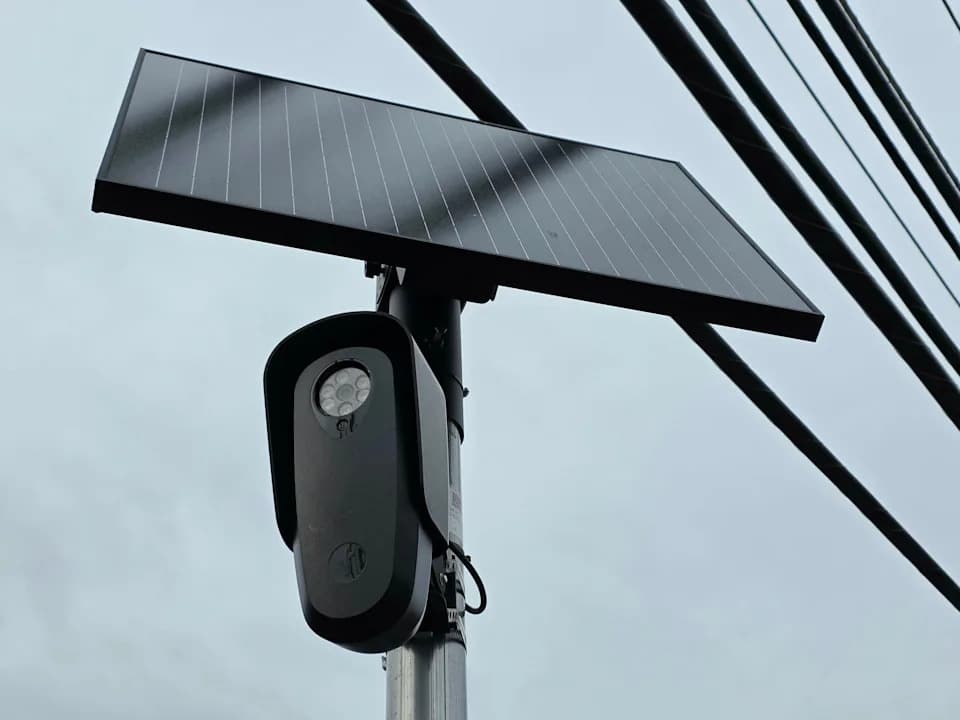
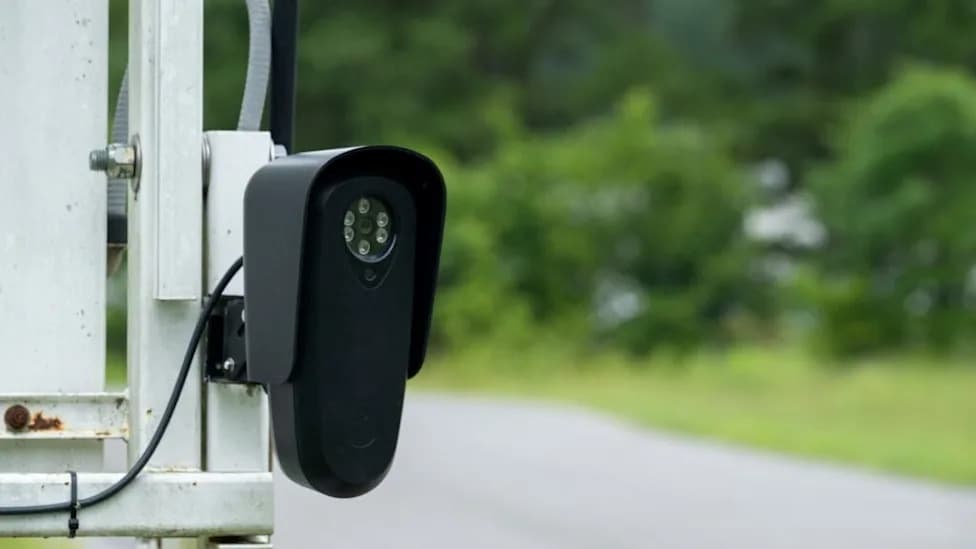
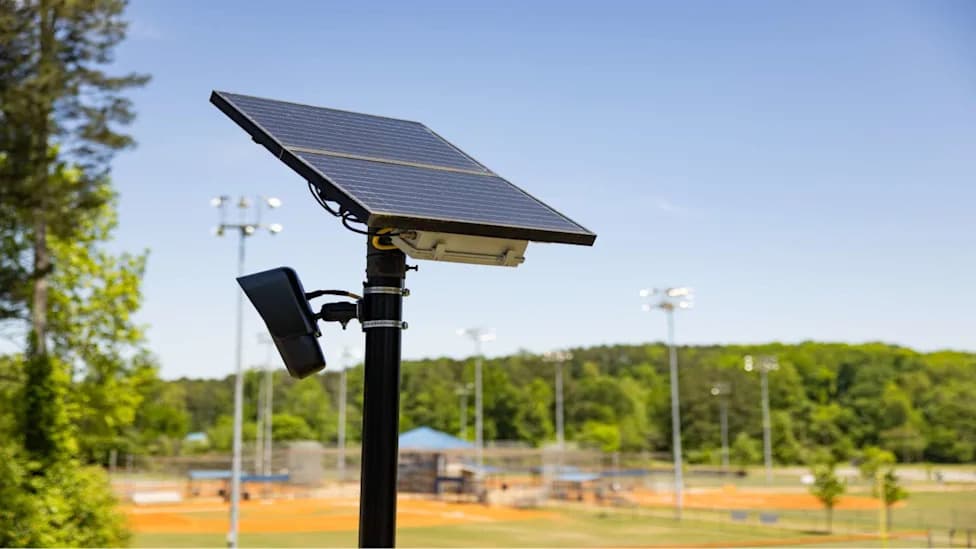
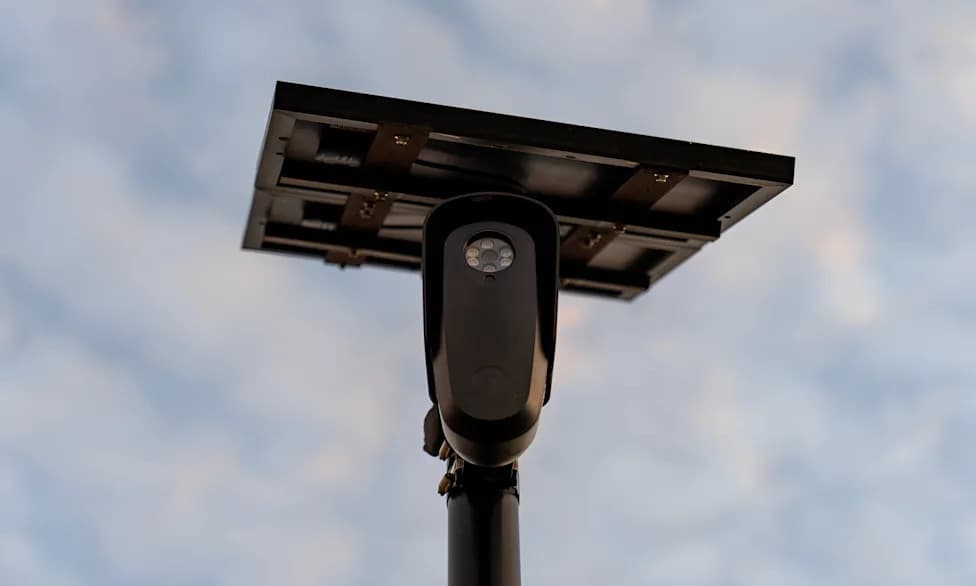
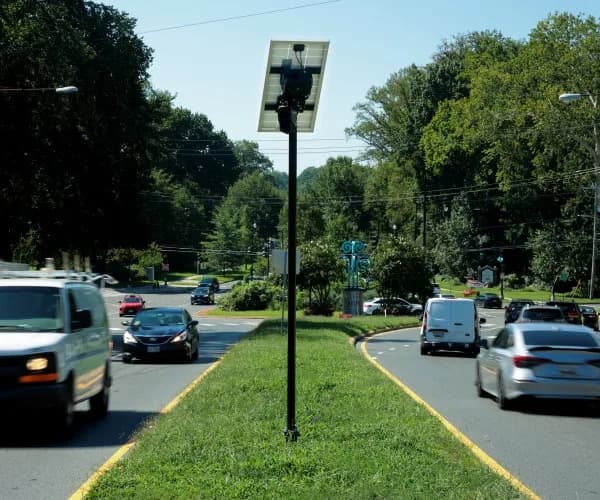
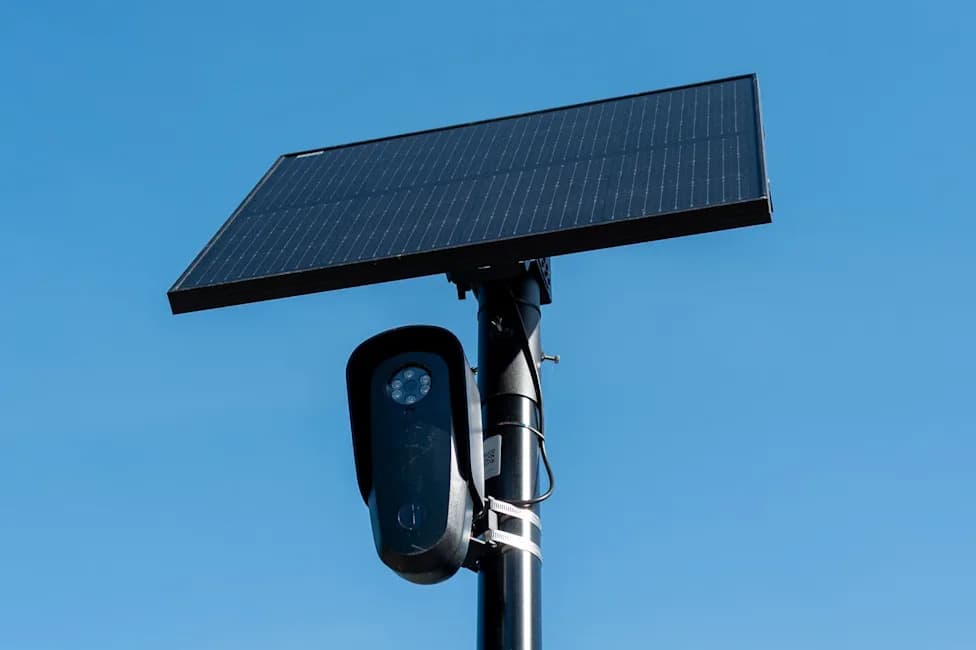
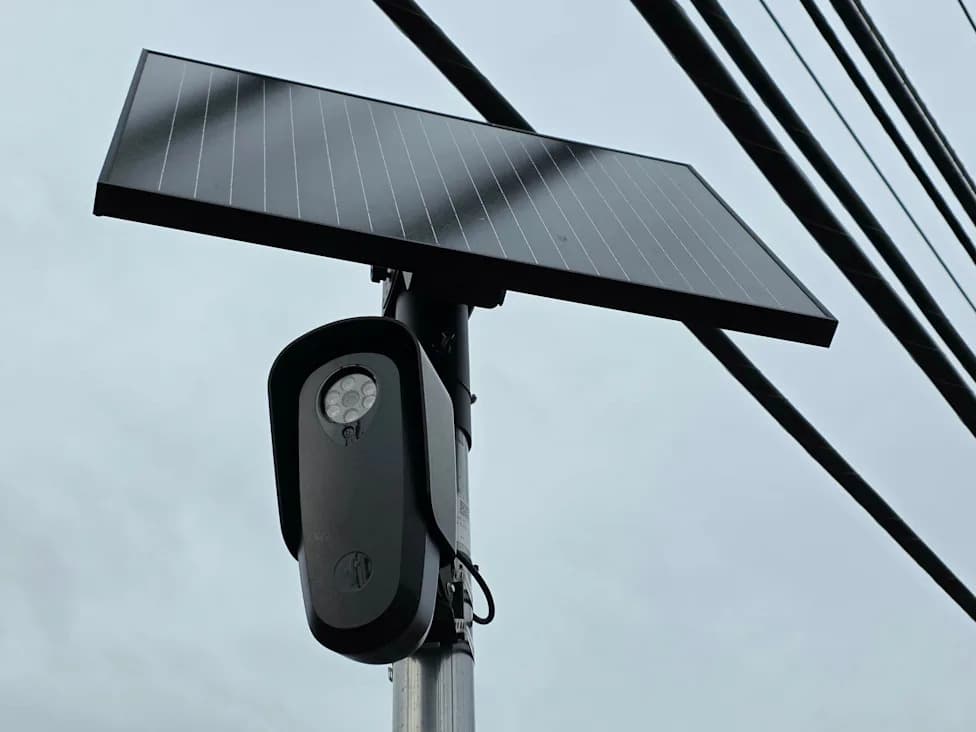
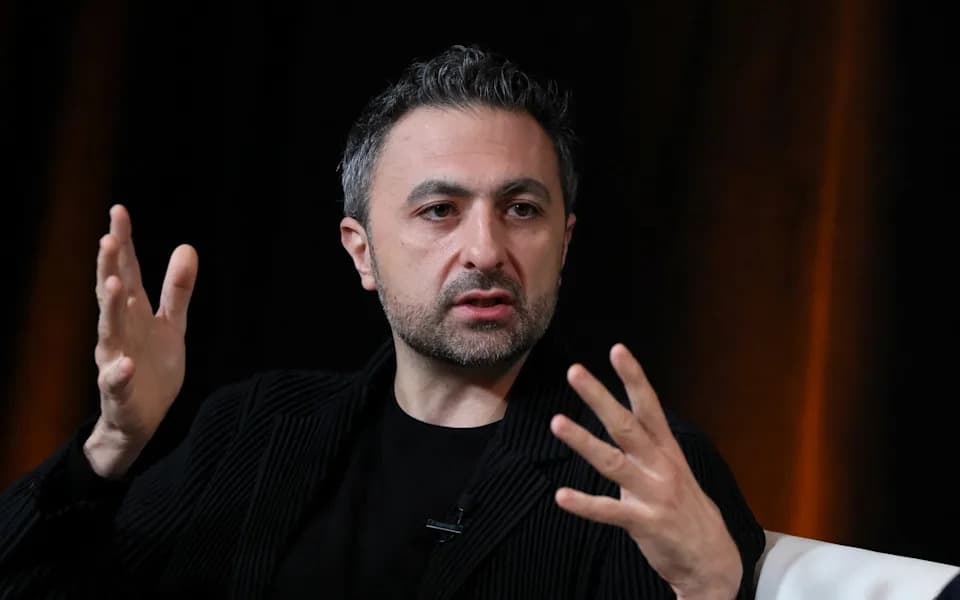
The president's remarks come amid a public debate over Flock's artificial-intelligence cameras, which scan license plates and instantly compare them with databases tracking stolen vehicles, Amber Alerts and missing-person reports. Flock CEO Garrett Langley has defended the technology in interviews, acknowledging privacy questions while emphasizing public-safety benefits.
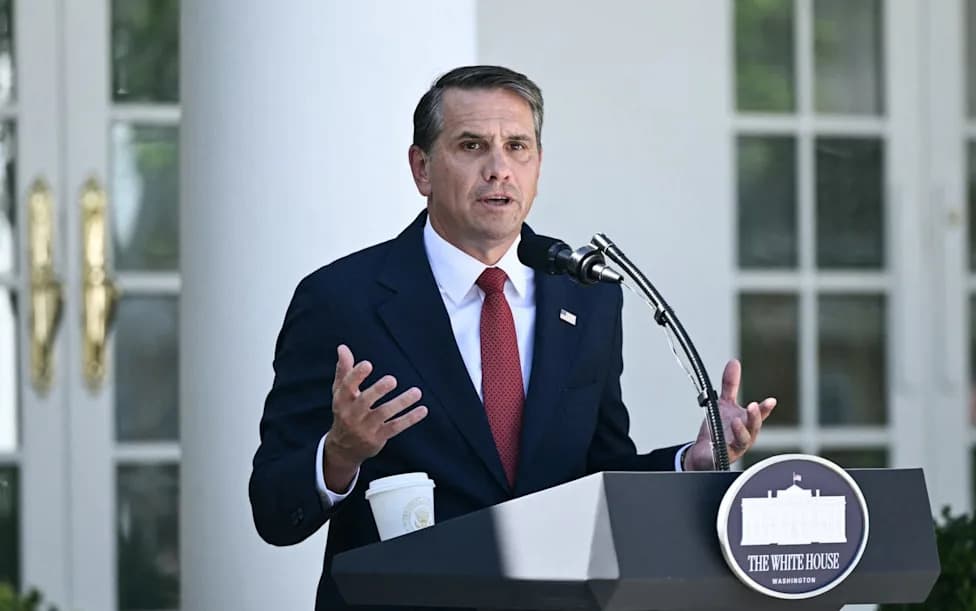
On Fox News' Saturday in America, Langley said privacy concerns are valid but must be balanced against safety:
'I value my privacy… but what we're talking about is safety as well. When people talk about just one of these things, privacy or safety, they're prioritizing the wrong thing. We have to prioritize compromise.'
Langley urged clearer regulation rather than an outright ban, recommending, for example, limited data-retention windows (he suggested one week) and defined penalties and procedures when officers improperly access data.
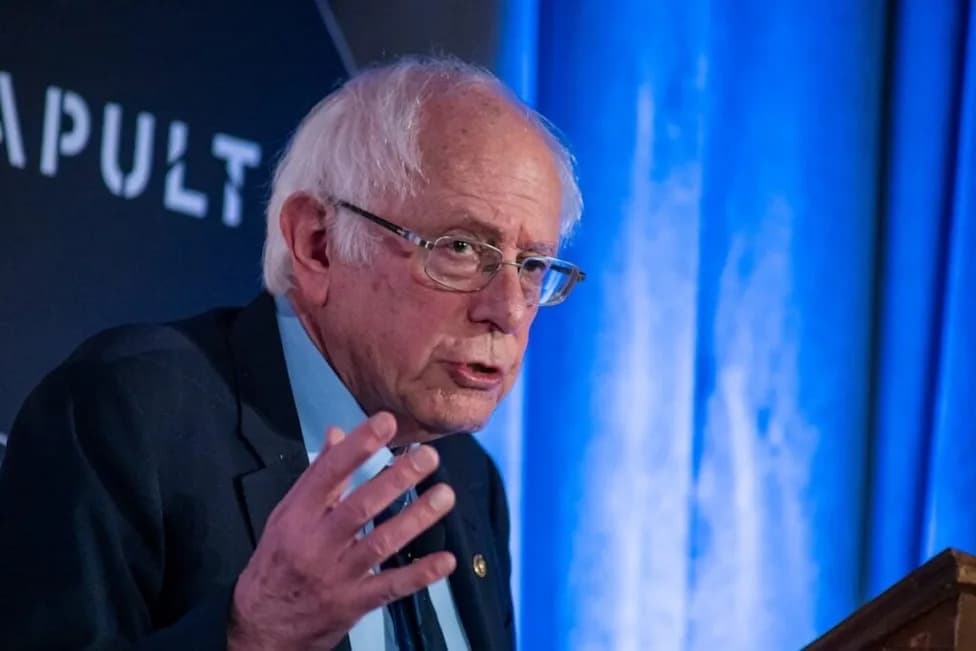
Opposition to the cameras has come from across the political spectrum. Rep. Tim Burchett (R-TN) has pushed to restrict federal tax dollars from being used to install the cameras, while Sen. Bernie Sanders (I-VT) has called for a ban. Critics point to reported mistakes by the system and three alleged incidents of improper law-enforcement access to Flock data. Flock counters that its technology has helped locate roughly 10,000 missing people and assisted in solving more than 1 million crimes.
The debate centers on how to balance public safety and individual privacy: whether stronger legal guardrails can mitigate risks while preserving investigative benefits, or whether tighter limits or bans are required. Video of the Air Force One exchange and Langley's interview are available from major news outlets.
Help us improve.