The X-59 completed its 25th test flight on Aug. 21, 2026, and previously exceeded Mach 1 on June 5, 2026, reaching Mach 1.077. During the Aug. 21 sortie the jet topped more than 920 mph and climbed to about 49,000 feet while accompanied by a NASA F-15 chase plane. Built by Lockheed Martin for NASA's Quesst mission, the X-59 is testing technologies to transform loud sonic booms into a subdued "quiet thump." Upcoming overland flights will gather acoustic and human-response data to inform regulators about the feasibility of commercial supersonic travel over land.
NASA's X-59 Inches Closer to Quiet Supersonic Flights Over U.S. Cities
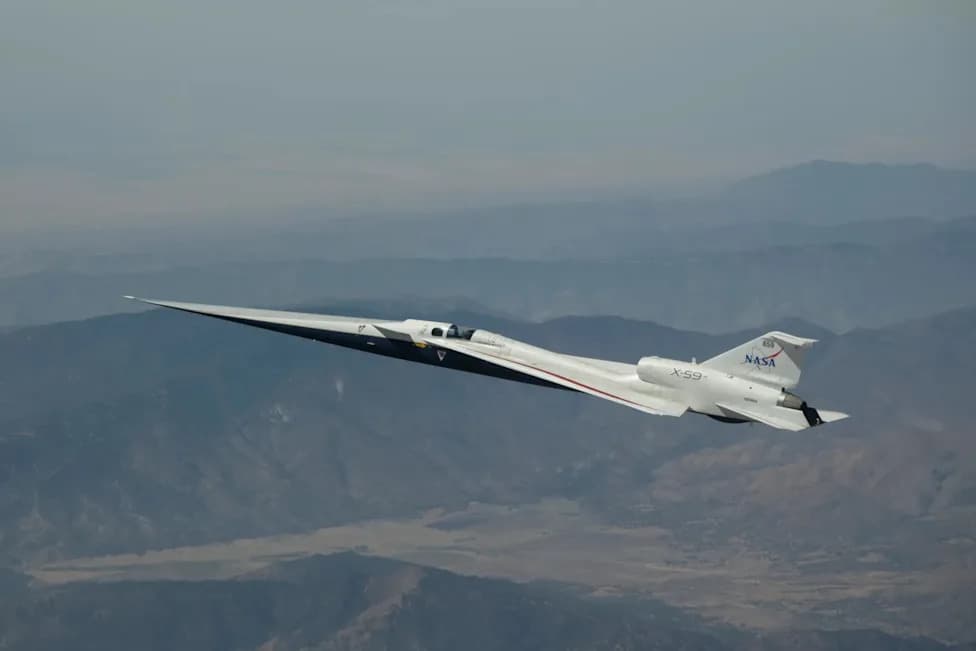
NASA's quiet supersonic jet 1 step closer to flying over US cities
NASA's experimental X-59 quiet supersonic research aircraft has reached another program milestone as the agency advances toward the goal of making commercial overland supersonic flights practical and far less noisy.
Following its maiden flight on Oct. 28, 2025, the X-59 completed its 25th test mission on Aug. 21, 2026. On that 72-minute sortie the jet reached speeds above 920 mph and climbed to about 49,000 feet, according to a NASA news release. The aircraft was escorted by a NASA F-15 chase plane, which monitors handling and systems during test flights.
NASA previously confirmed the X-59 exceeded the speed of sound on June 5, 2026, when instrumentation recorded Mach 1.077 during the program's first supersonic pass. Built by Lockheed Martin as the centerpiece of NASA's Quesst mission, the X-59 is a research platform: its purpose is to gather aerodynamic, acoustic and human-response data that could enable future commercial aircraft to fly supersonically over land without producing disruptive sonic booms.
How X-59 Reduces Sonic Booms
The X-59's long, slender shape and carefully designed nose and fuselage geometry are meant to disperse shock waves so they do not coalesce into the loud, thunder-like sonic booms that led to bans on overland supersonic flight. Instead of a jarring boom, NASA expects observers on the ground to hear a much softer "quiet thump." Early flight phases have focused on expanding the aircraft's flight envelope and validating handling and systems; upcoming phases will emphasize acoustic validation over populated areas.
Planned Overland Tests and Data Collection
Because the F-15 chase plane itself generates sonic booms, it has masked any acoustic signature from the X-59 during early tests. Future missions will remove that masking effect and fly prescribed routes over U.S. cities with instrumented ground sites and airborne sensors to collect perceptual and acoustic data. Those tests are planned at higher altitudes and speeds (future test points call for cruise speeds above 1,000 mph and altitudes near 55,000–60,000 feet) so researchers can measure what people actually hear and report to regulators.
NASA will share the resulting datasets with U.S. and international aviation authorities to inform potential regulatory changes that could enable quiet commercial supersonic service over land. The X-59 itself is a research aircraft and not intended to become a commercial transport.
Related Mission: Roman Telescope Launch
Separately, SpaceX's Falcon Heavy launched the Nancy Grace Roman Space Telescope into orbit from Kennedy Space Center on Aug. 30, 2026. The Roman telescope will join missions like Hubble and James Webb to survey large portions of the sky and advance studies of exoplanets, dark matter and other cosmic phenomena.
Program Targets: NASA has said the X-59's design targets include a top speed of roughly 1,218 mph and a service altitude near 60,000 feet as the program transitions into acoustic and overflight testing.
Reporting note: The X-59 program continues to collect flight hours and expand its operational envelope. The coming months will be critical for acoustic validation and public-response experiments that could determine whether quiet supersonic passenger flights can be allowed to routinely fly over populated areas.
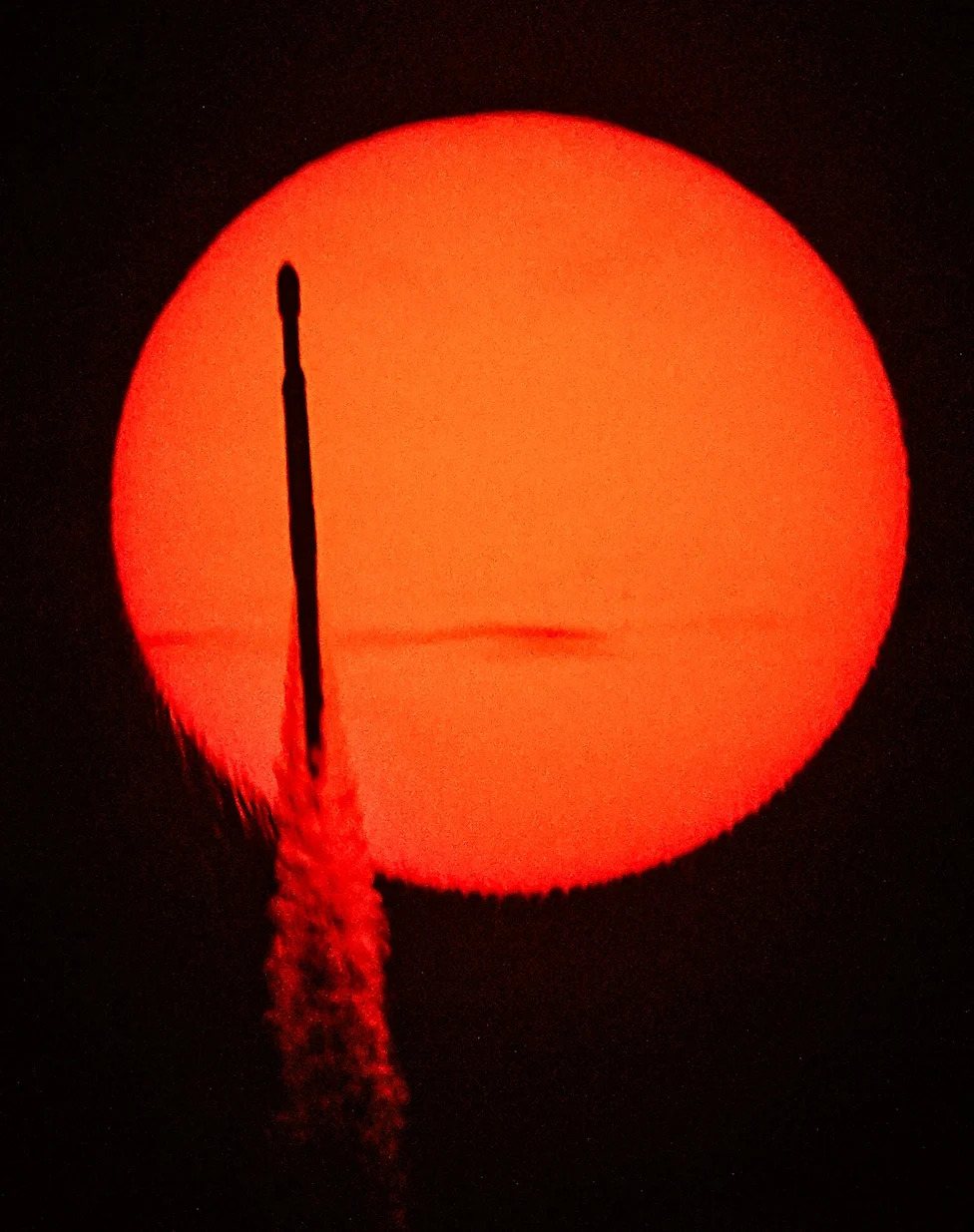
A SpaceX Falcon Heavy rocket passes in front of the sun after liftoff Aug. 30 from the Kennedy Space Center in Florida.The rocket helped propel NASA'sNancy Grace Roman Space Telescopeinto orbit, where it will join icons like the James Webb and Hubble observatories in scanning the cosmos and helping make profound discoveries about the universe.(Craig Bailey, FLORIDA TODAY)
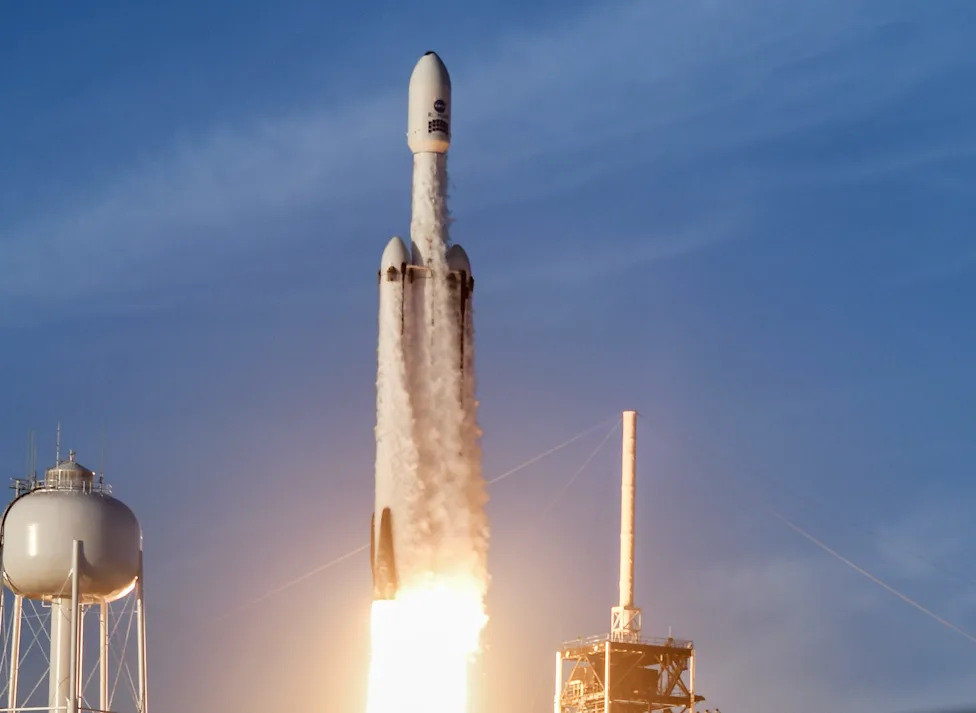
SpaceX's Falcon Heavy rocket launched Aug. 30 at the Kennedy Space Center in Florida to carry the Nancy Grace Roman Space Telescope to orbit.For at least the next five years, NASA's latest observatory willscan even more of the skythan the Hubble Telescope while discovering exoplanets and studying phenomena like dark matter.(Craig Bailey, FLORIDA TODAY)
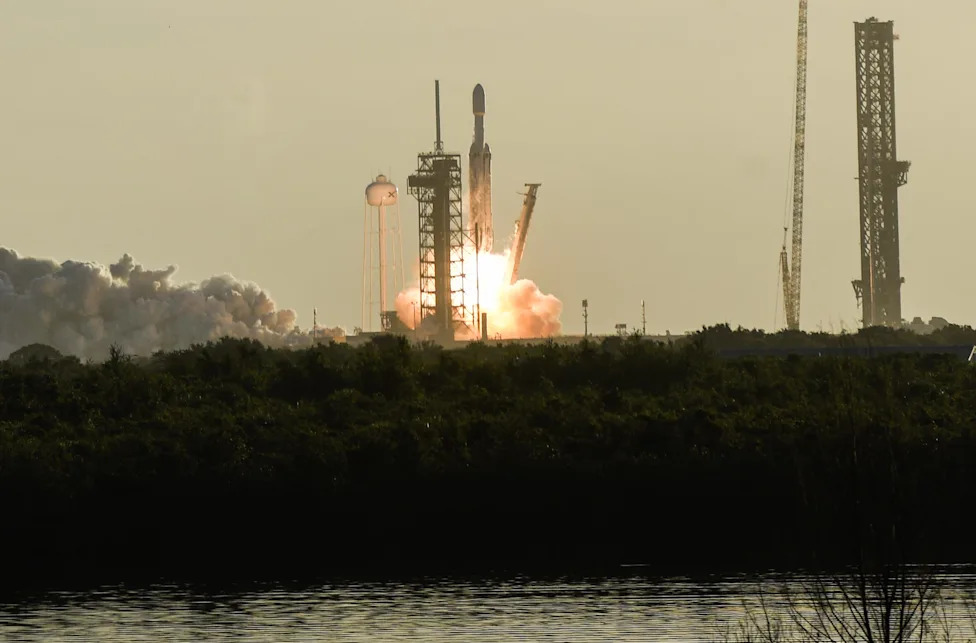
SpaceX's Falcon Heavy rocket lifts off Aug. 30 at the Kennedy Space Center in Florida. The Nancy Grace Roman Space Telescope is the latest payload the powerful rocket has transported to space.In its 13 launches, the Falcon Heavy has also helped propel spacecraft like NASA's Europa Clipper orbiter and the Psyche spacecraft that will explore a metal-rich asteroid into orbit.(Craig Bailey, FLORIDA TODAY)
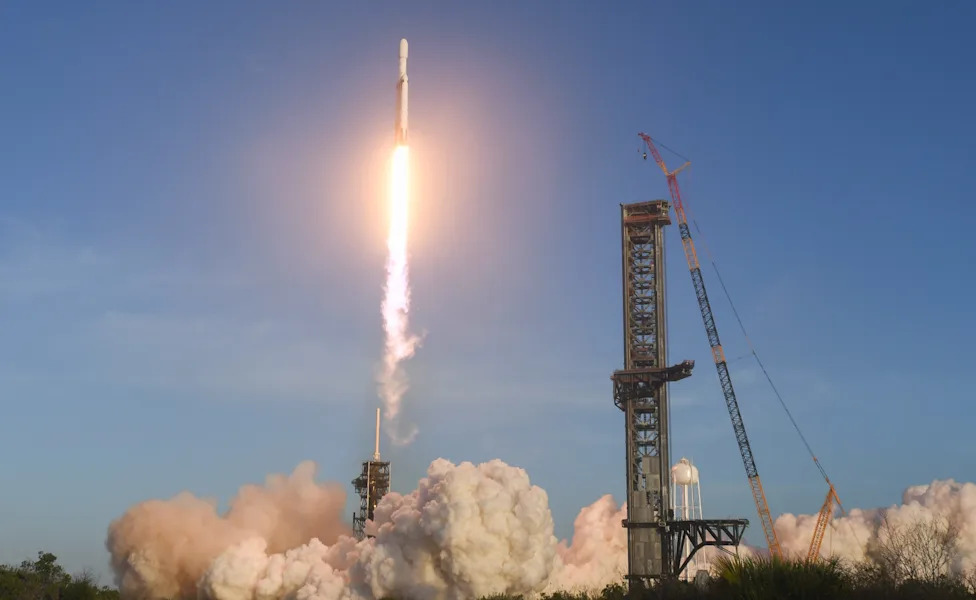
A SpaceX Falcon Heavy rocket lifts off Aug. 30 from Launch Pad 39A at Kennedy Space Center carrying the Nancy Grace Roman space Telescope, named for NASA’s first chief astronomer.(Craig Bailey, FLORIDA TODAY)
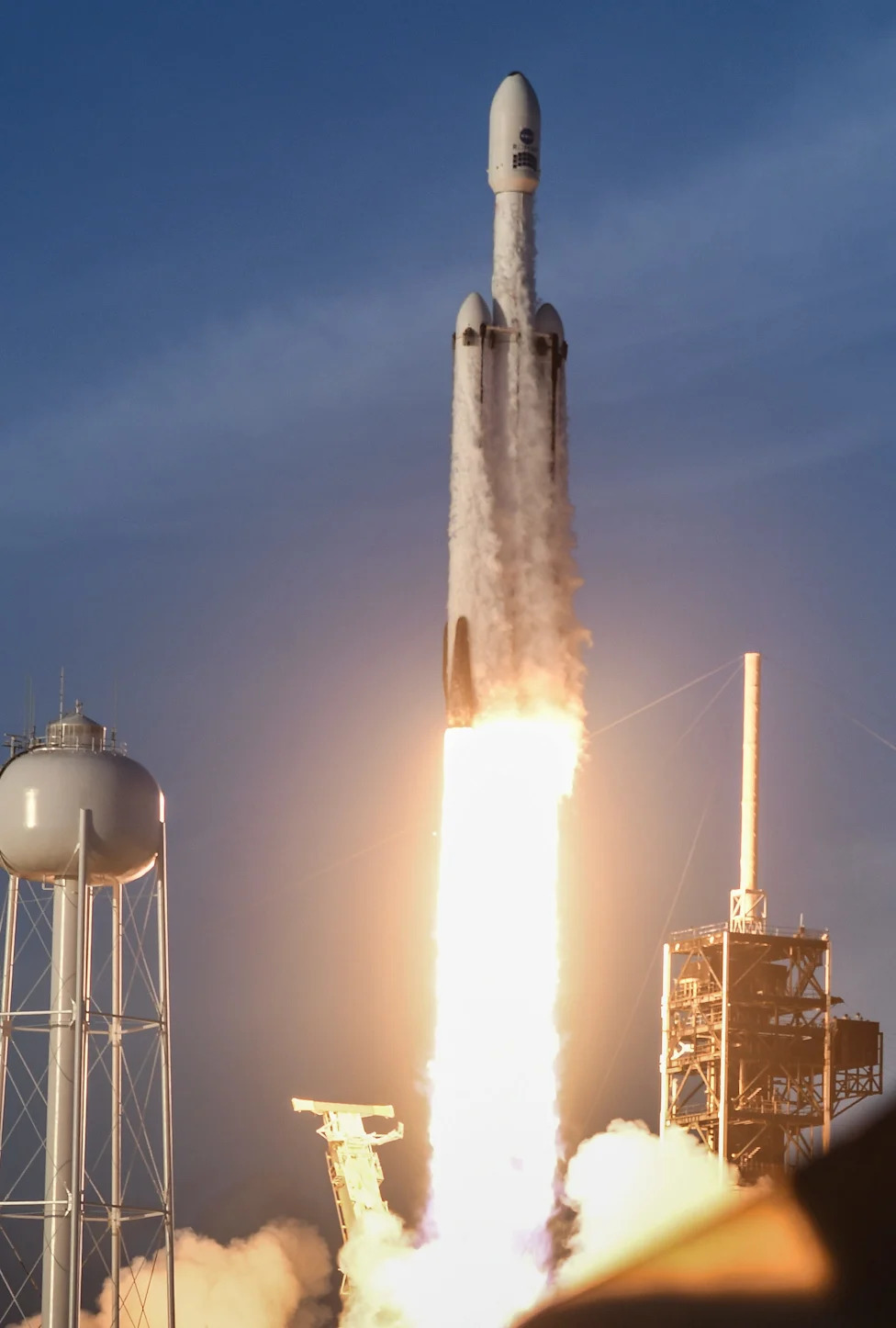
A SpaceX Falcon Heavy rocket lifts off Aug. 30 from Launch Pad 39A at Kennedy Space Center carrying the Nancy Grace Roman space Telescope, named for NASA’s first chief astronomer.(Craig Bailey, FLORIDA TODAY)
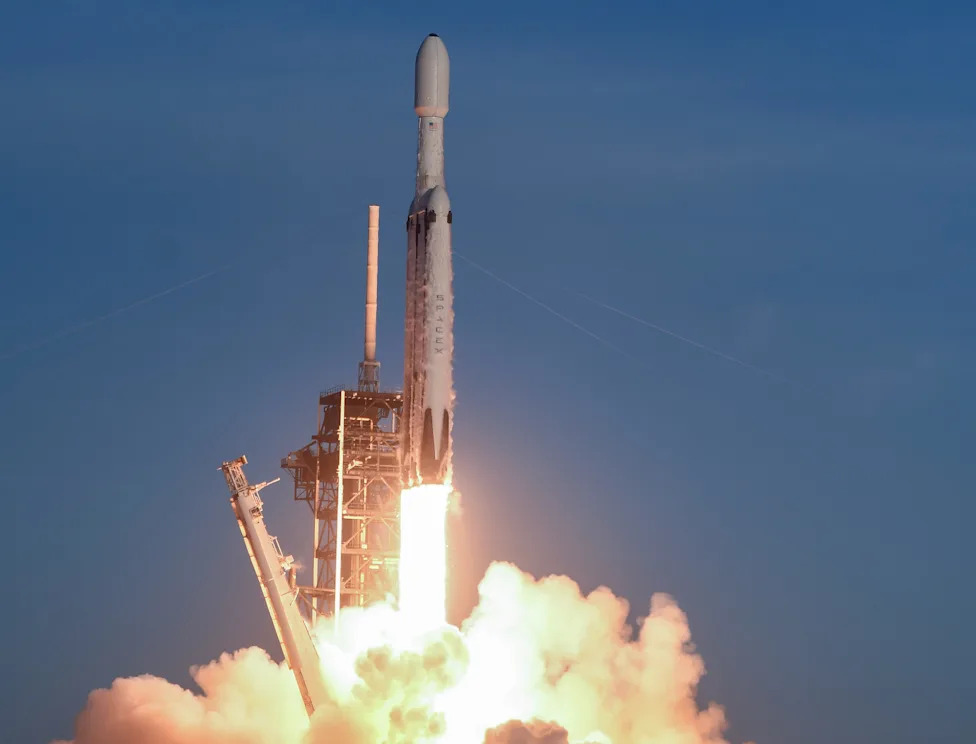
A SpaceX Falcon Heavy rocket lifts off Aug. 30 from Launch Pad 39A at Kennedy Space Center carrying the Nancy Grace Roman space Telescope, named for NASA’s first chief astronomer.(Craig Bailey, FLORIDA TODAY)
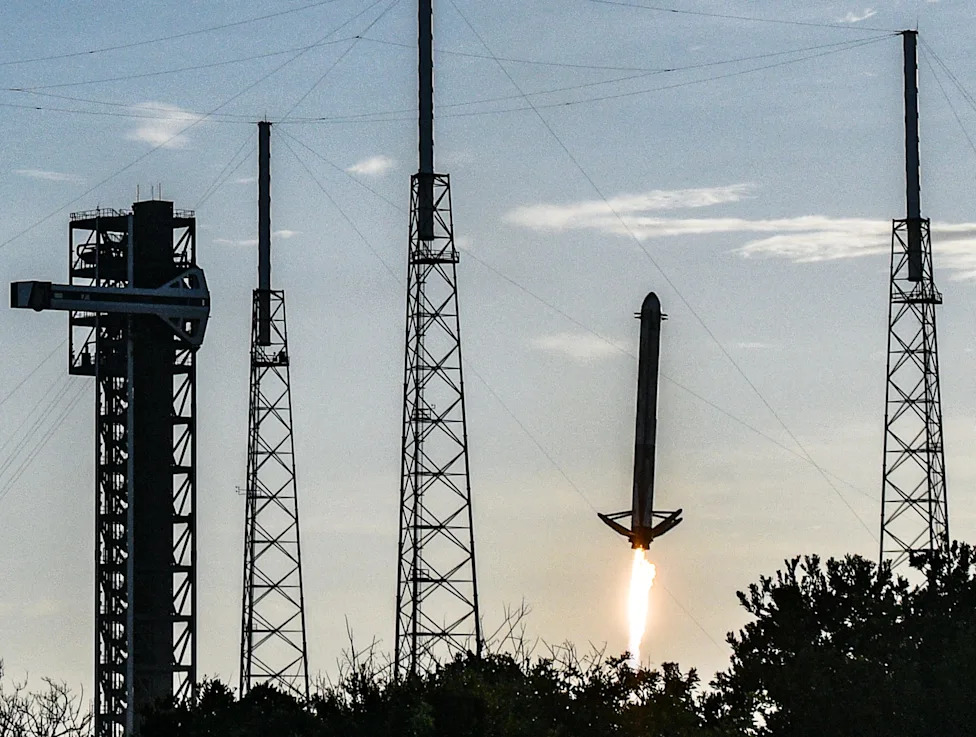
A side booster comes in for landing at LZ-40 at the Cape Canaveral Space Force Station. The booster was part of the SpaceX Falcon Heavy rocket that helped launch the Nancy Grace Roman space Telescope.(Craig Bailey, FLORIDA TODAY)
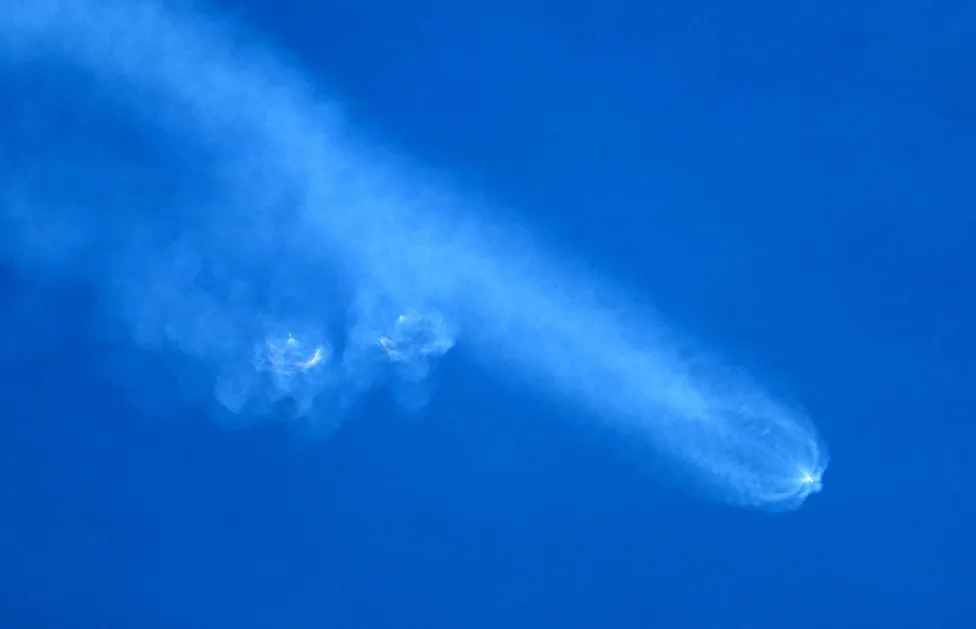
The launch of NASA’s Nancy Grace Roman Space Telescope atop the SpaceX Falcon Heavy from KSC Pad 39A, as seen from Tables Beach across from Patrick Space Force Base.(Tim Shortt, FLORIDA TODAY)
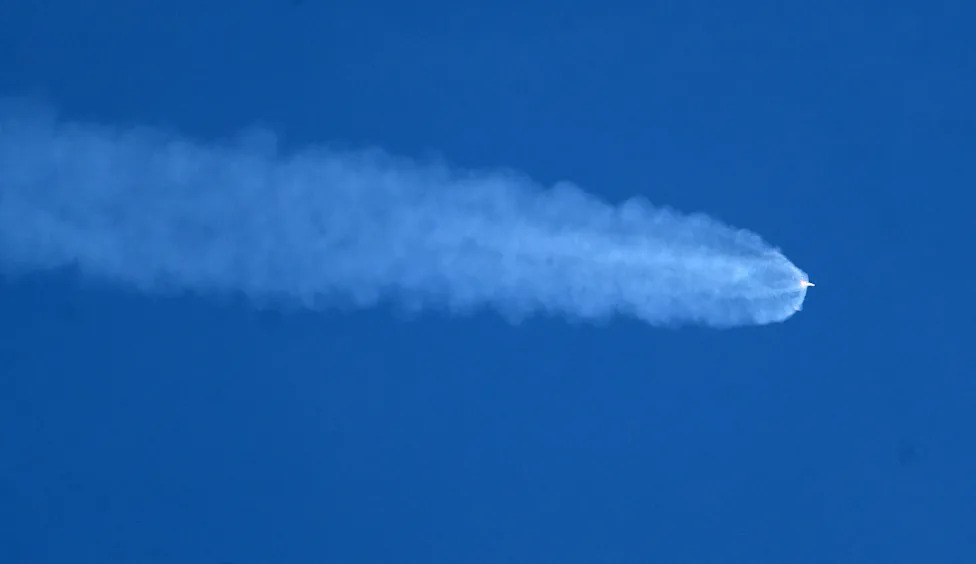
The launch of NASA’s Nancy Grace Roman Space Telescope atop the SpaceX Falcon Heavy from KSC Pad 39A, as seen from Tables Beach across from Patrick Space Force Base.(Tim Shortt, FLORIDA TODAY)
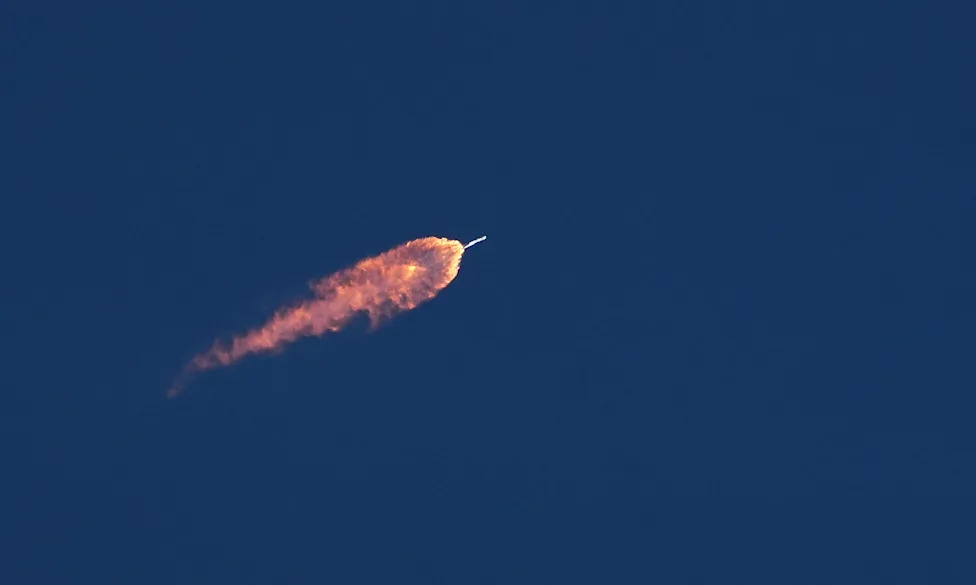
The launch of NASA’s Nancy Grace Roman Space Telescope atop the SpaceX Falcon Heavy from KSC Pad 39A, as seen from Tables Beach across from Patrick Space Force Base.(Tim Shortt, FLORIDA TODAY)
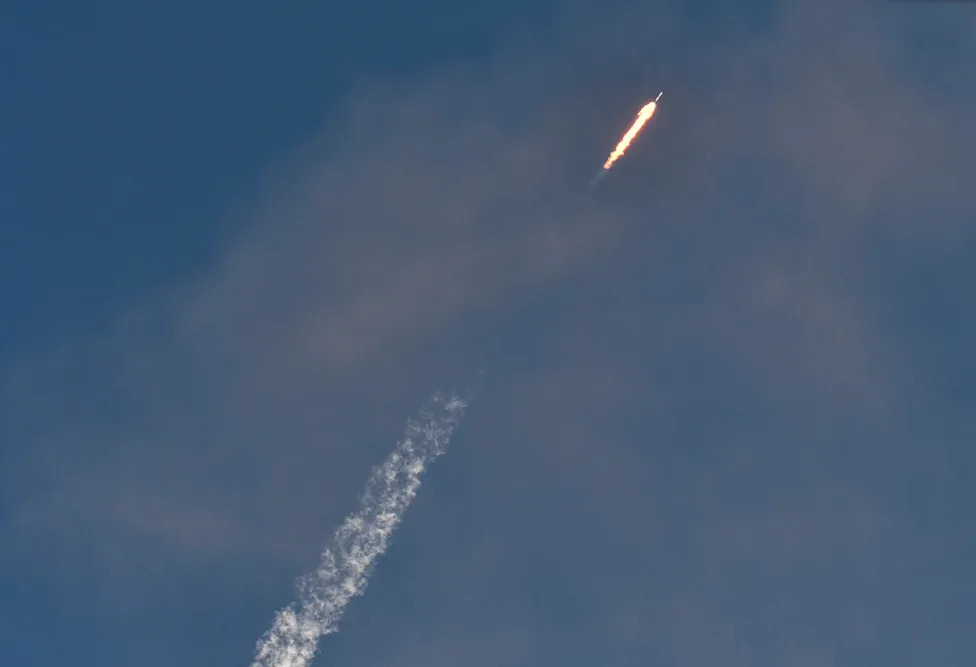
The SpaceX Falcon Heavy rocket carrying NASA's Nancy Grace Roman Space Telescope is seen soaring over Florida after launching right on time at 7:26 a.m. Sunday Aug. 30 from the Kennedy Space Center. Bother of its side boosters landed minutes after liftoff at the Cape Canaveral Space Force Station.(Malcolm Denemark, FLORIDA TODAY)
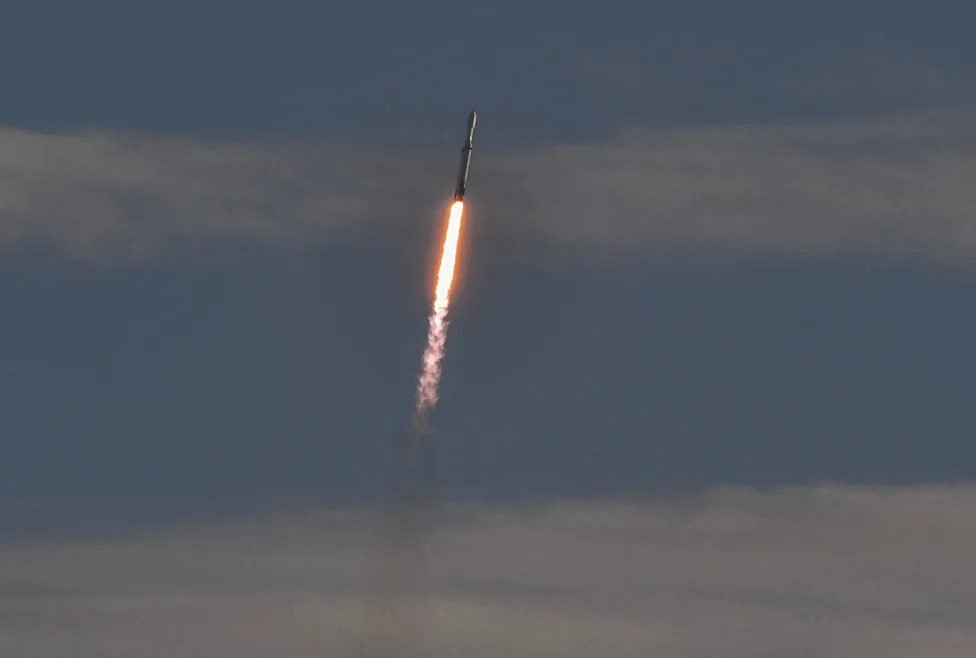
The SpaceX Falcon Heavy rocket carrying NASA's Nancy Grace Roman Space Telescope is seen soaring over Florida after launching right on time at 7:26 a.m. Sunday Aug. 30 from the Kennedy Space Center. Bother of its side boosters landed minutes after liftoff at the Cape Canaveral Space Force Station.(Malcolm Denemark, FLORIDA TODAY)
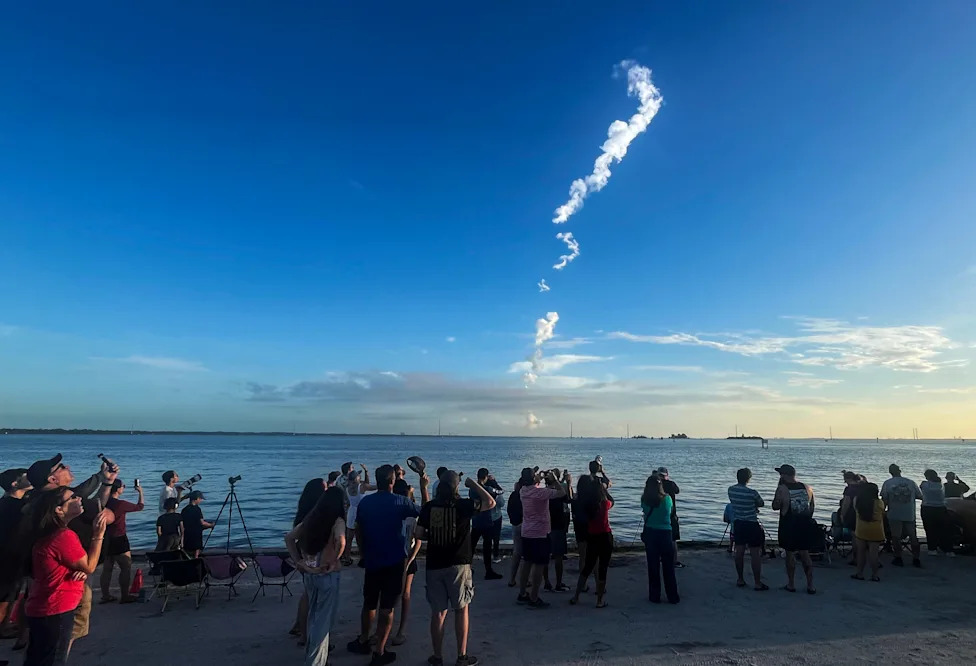
Crowds gather along a Florida beach to watch as a SpaceX Falcon Heavy rocket launches NASA's Nancy Grace Roman Space Telescope.(Malcolm Denemark, FLORIDA TODAY)
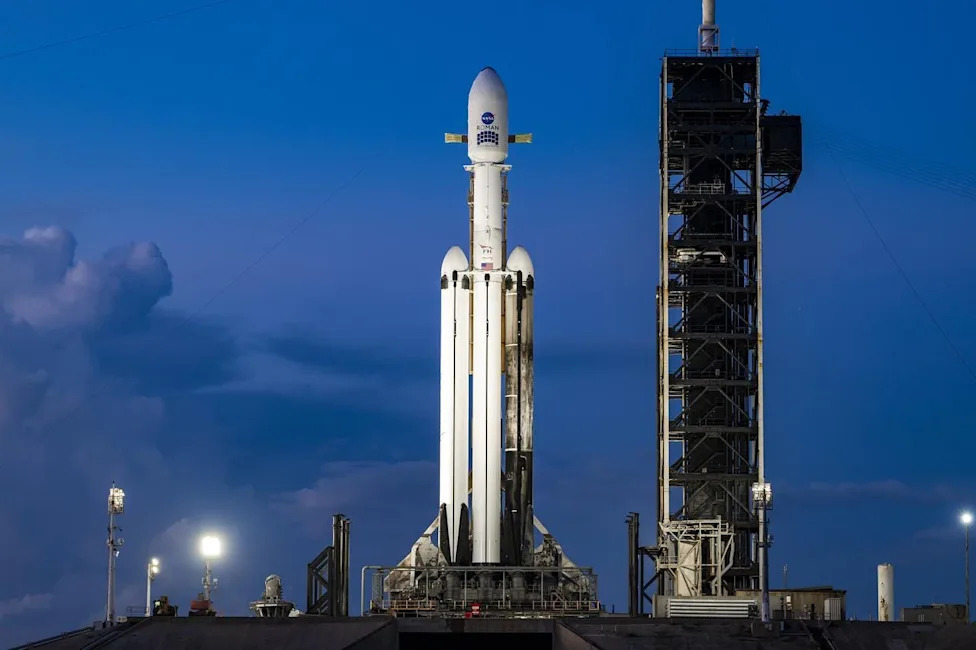
NASA’s Nancy Grace Roman Space Telescope, encapsulated in the SpaceX Falcon Heavy rocket’s fairing, stands vertical Aug. 29 on the pad at Launch Complex 39A at NASA’s Kennedy Space Center on the eve of liftoff.(Provided by NASA, via SpaceX)
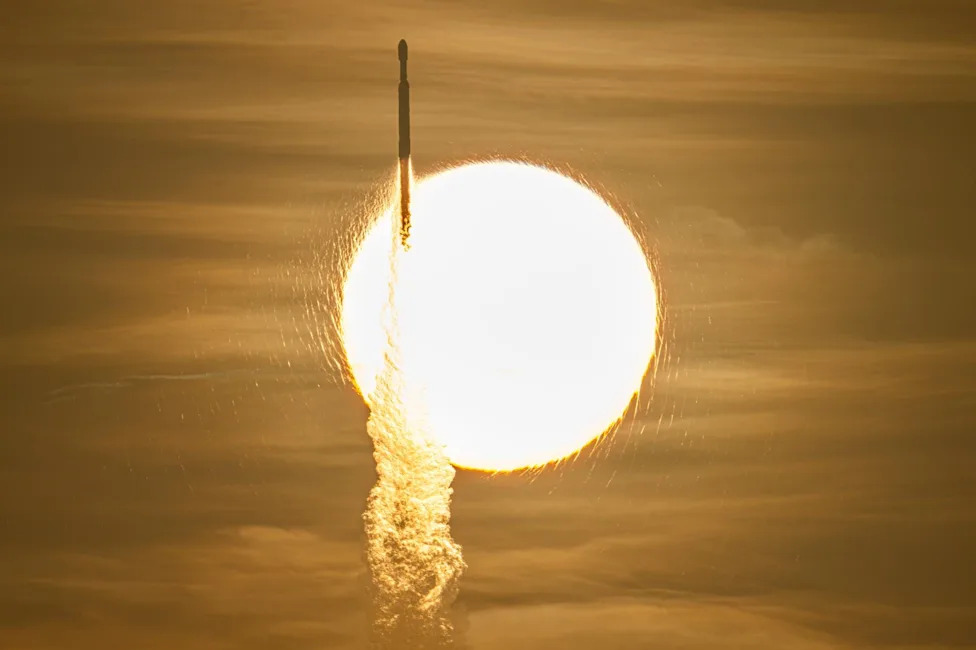
A SpaceX Falcon Heavy rocket with NASA’s Nancy Grace Roman Telescope on board is seen transiting the sun during launch from Launch Complex 39A, Sunday, Aug. 30, 2026, at NASA’s Kennedy Space Center in Florida.(NASA/John Kraus)
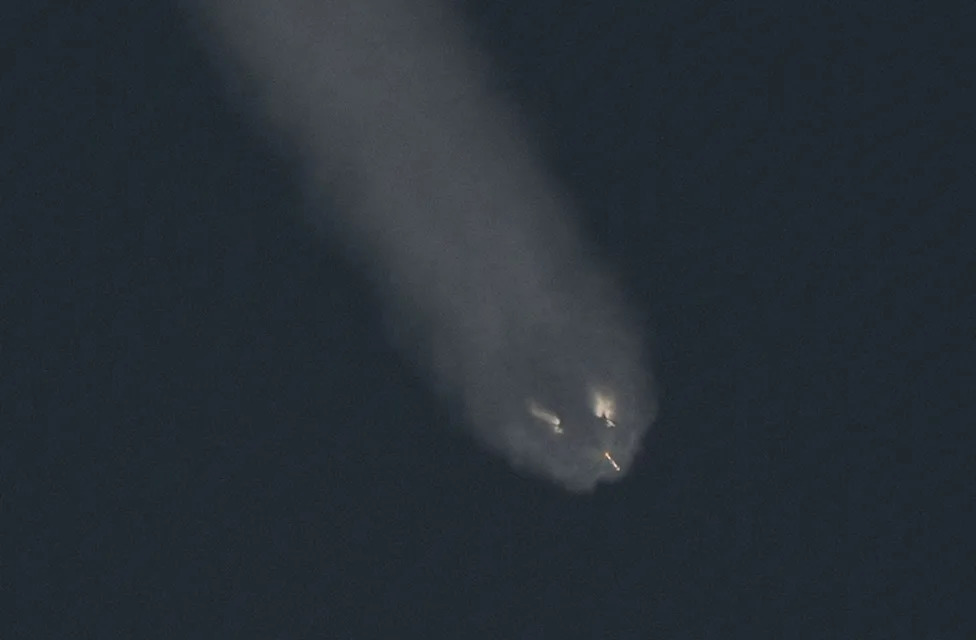
The side boosters of a SpaceX Falcon Heavy rocket are seen as the separate from the center core during the launch of NASA’S Nancy Grace Roman Space Telescope from Launch Complex 39A, Sunday, Aug. 30, 2026, at NASA’s Kennedy Space Center in Florida.(NASA/Joel Kowsky)
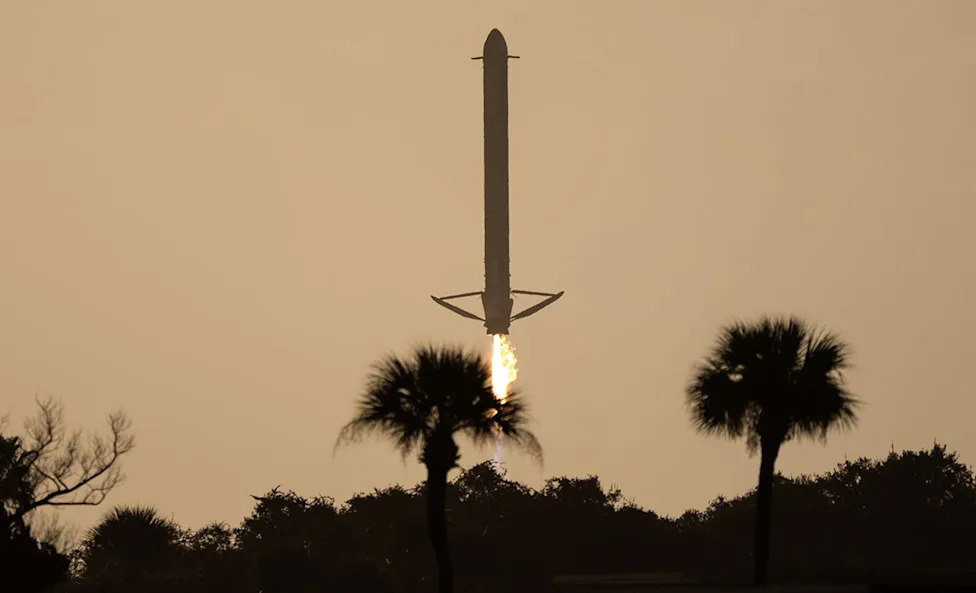
A SpaceX Falcon Heavy side booster is seen as it lands at Landing Zone 2 following the launch of NASA’s Nancy Grace Roman Space Telescope from Launch Complex 39A, Sunday, Aug. 30, 2026, at NASA’s Kennedy Space Center in Florida.(NASA/Joel Kowsky)
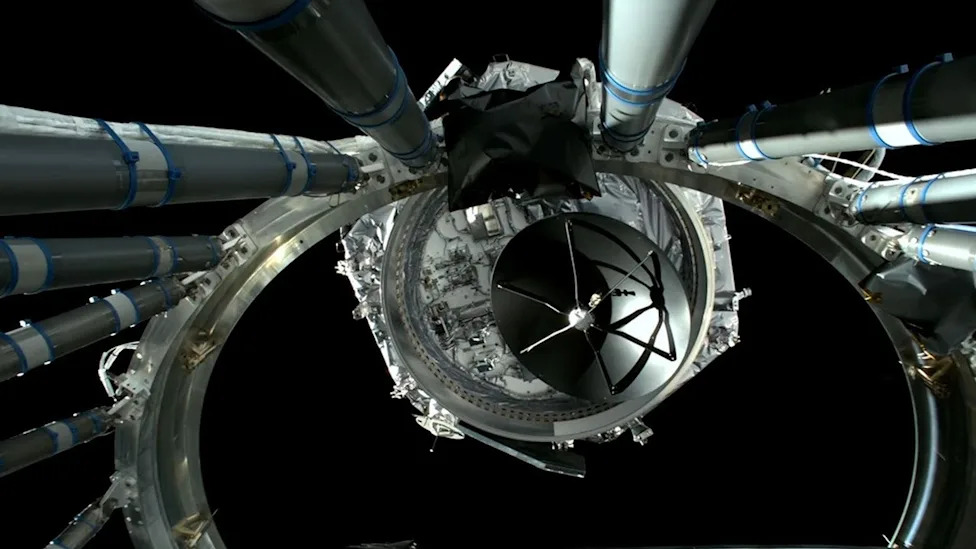
Separation of the Nancy Grace Roman Space Telescope occurs as the payload cleanly detaches from the upper stage of the Falcon Heavy rocket, beginning its solo journey into orbit.(Provided by NASA)
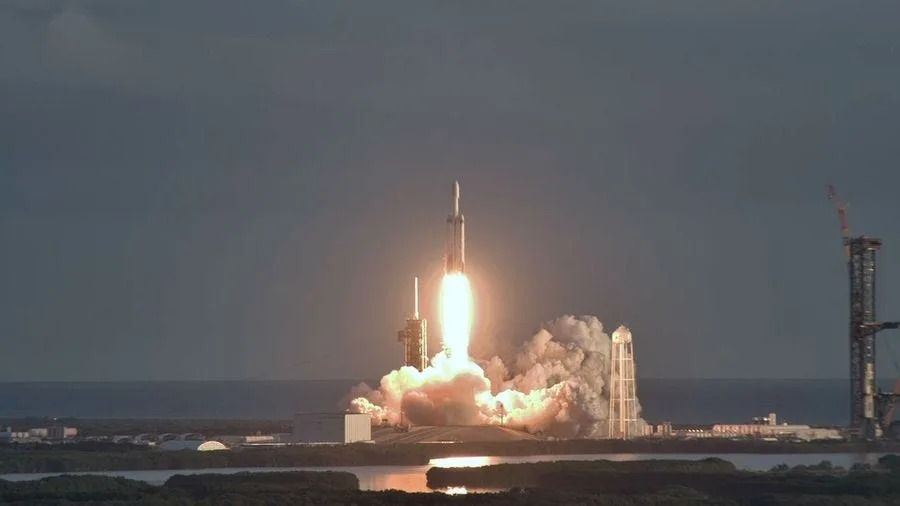
A SpaceX Falcon Heavy rocket with NASA’s Nancy Grace Roman Telescope on board is seen launching Sunday, Aug. 30, 2026, at NASA’s Kennedy Space Center in Florida.(Provided by NASA)
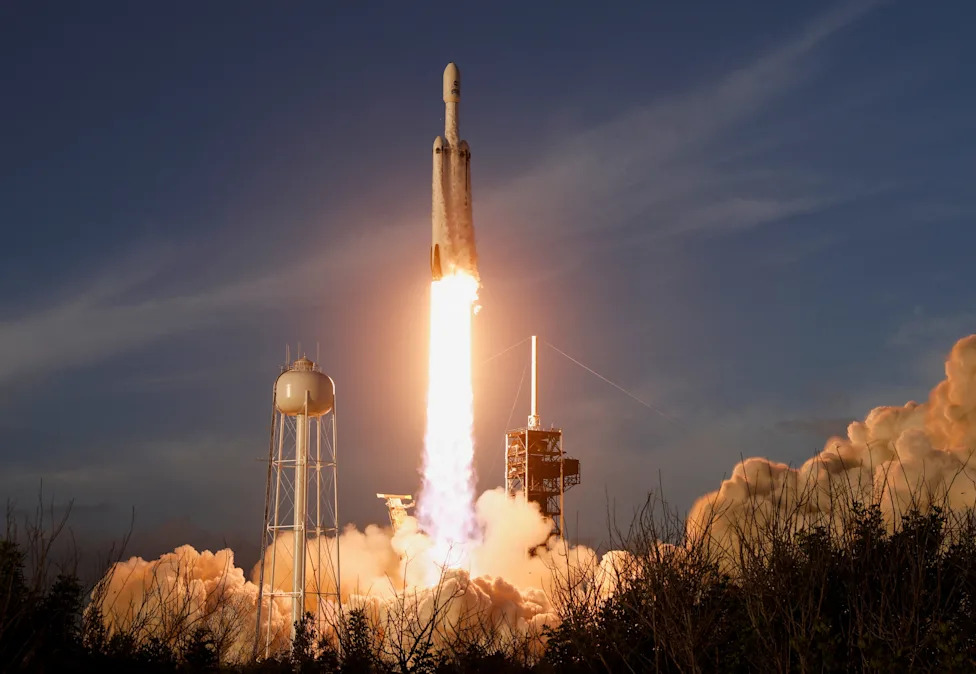
A SpaceX Falcon Heavy rocket lifts off Aug. 30 carrying NASA's Nancy Grace Roman Space Telescope at the Kennedy Space Center in Cape Canaveral, Florida.(Joe Skipper/Reuters)
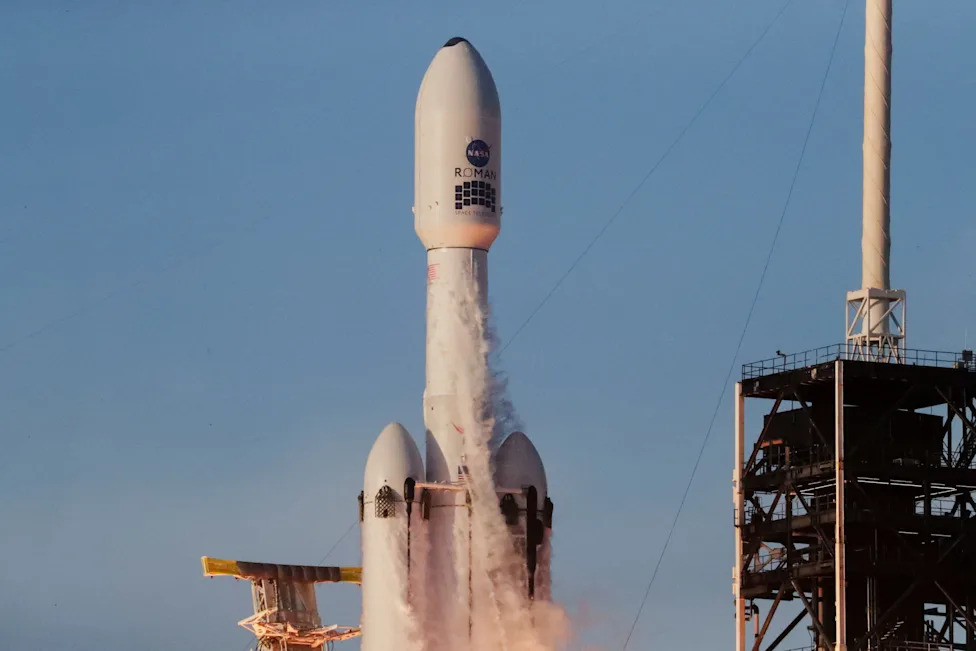
A SpaceX Falcon Heavy rocket lifts off Aug. 30 carrying NASA's Nancy Grace Roman Space Telescope at the Kennedy Space Center in Cape Canaveral, Florida.(Joe Skipper/Reuters)
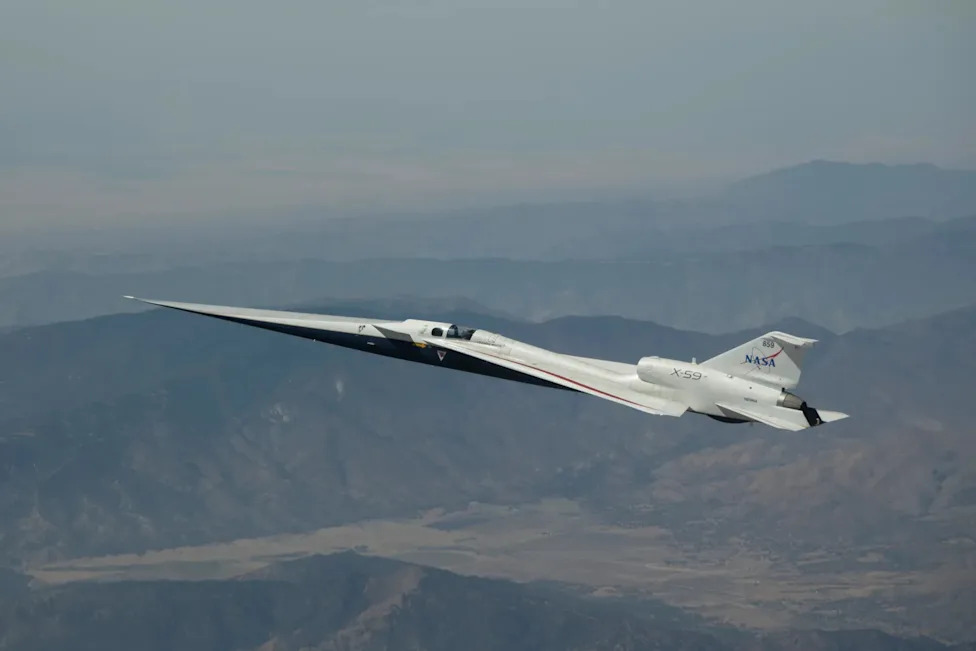
NASA’s X-59 quiet supersonic research aircraft flies above the Mojave Desert in California on Tuesday, Aug. 18, 2026.The aircraft's most recent milestone 25th test flight came a few days later, Aug. 21. Built byaerospace contractor Lockheed Martin, X-59 is designed to not only break the sound barrier by surpassing Mach-1 speeds, but to do it quietly.(NASA/Jim Ross)
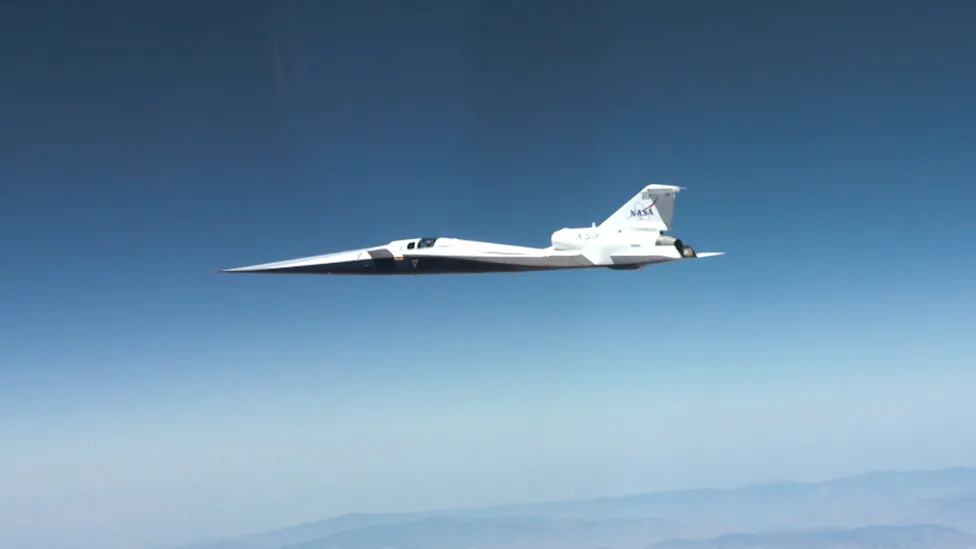
NASA's X-59 supersonic aircraft reaches supersonic speeds for the first time June 5 during a test flight in California.The milestone comes with majorimplications for travelersin the U.S. – and beyond – who dream of not only shorter flights to their destinations, but quieter ones.(NASA/Lori Losey)
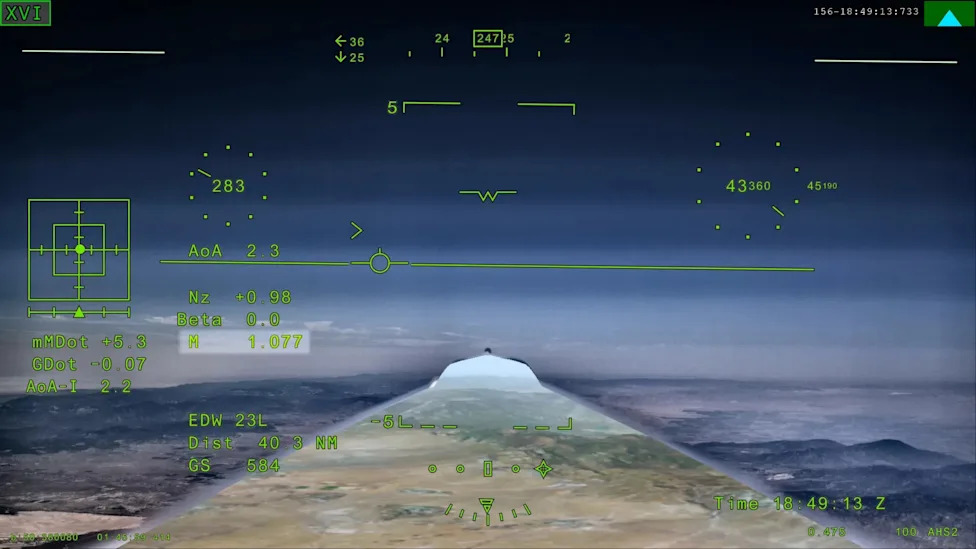
NASA’s X-59 eXternal Vision System shows Mach 1.077 on Friday, June 5, 2026, marking the aircraft’s first time reaching supersonic speed in support of NASA’s Quesst mission. The moment represented a milestone for the aircraft as it transitions to include test flights faster than the speed of sound.(Provided by NASA)
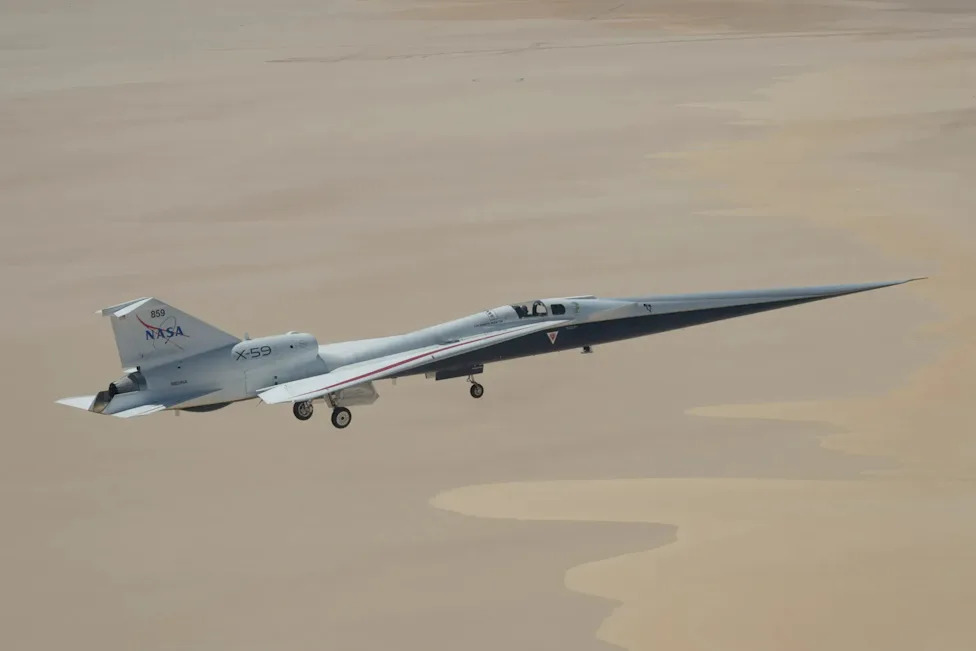
NASA’s X-59 quiet supersonic research aircraft flies over Rogers Dry Lake near NASA’s Armstrong Flight Research Center in Edwards, California, on Tuesday, May 12, 2026.Now that NASA knows the research aircraft can top supersonic speeds, the agency could soon begin flying it over U.S. cities to see if the sound it produces is noticeable to people on the ground.(NASA/Jim Ross)
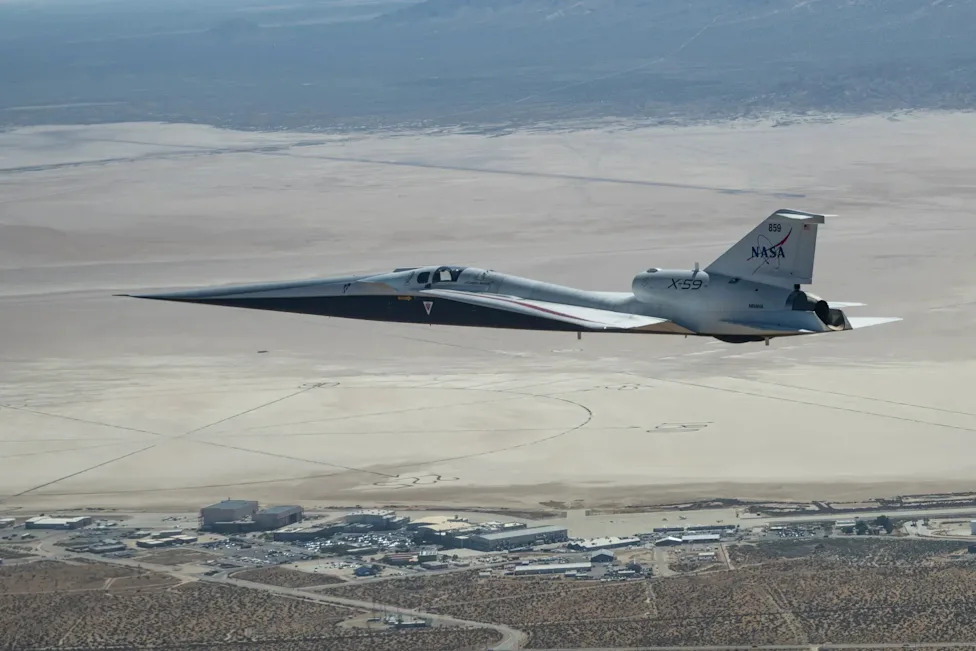
NASA’s X-59 quiet supersonic research aircraft flies above NASA’s Armstrong Flight Research Center in Edwards, California, on April 28, 2026.(NASA/Jim Ross)
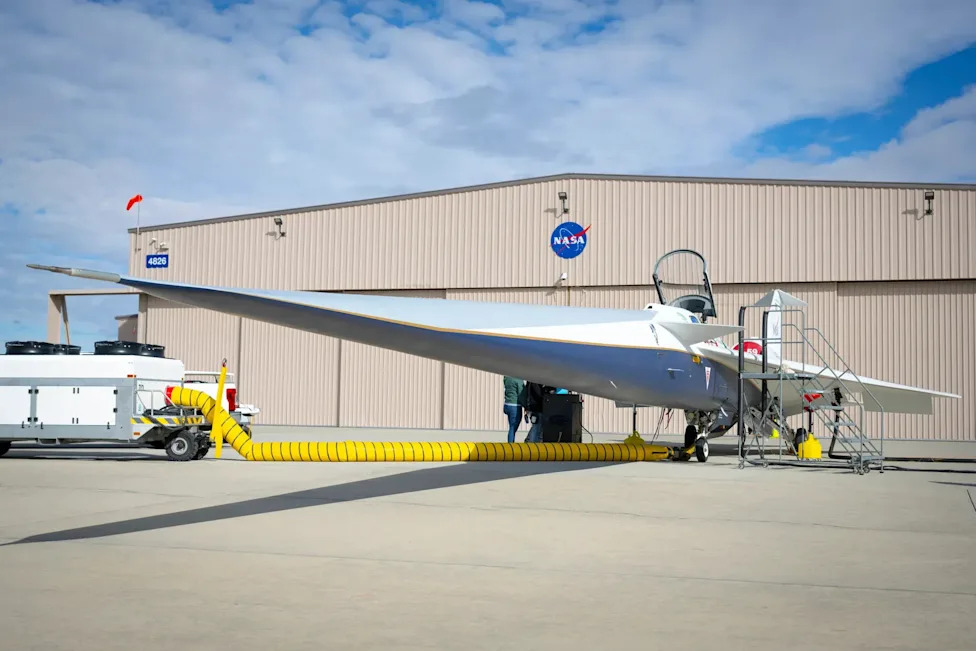
NASA’s X-59 quiet supersonic airplane sits parked in front of its new hangar home at the agency’s Armstrong Flight Research Center in California. The facility originally was constructed in 1968 and for nearly 60 years has hosted a number of research aircraft and programs.(NASA/Christopher LC Clark)
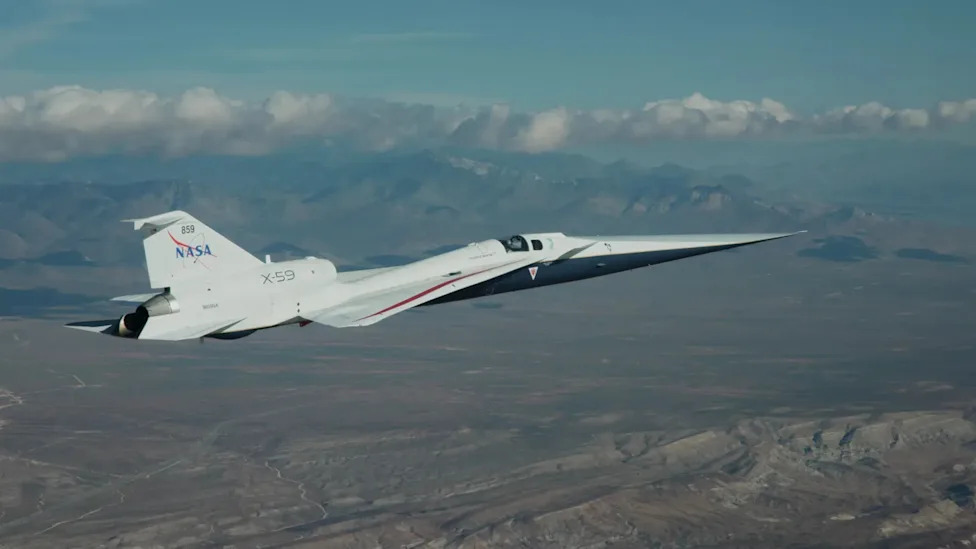
NASA’s X-59 quiet supersonic research aircraft flies over the Mojave Desert in California in this April 14, 2026, image.(Provided by NASA)
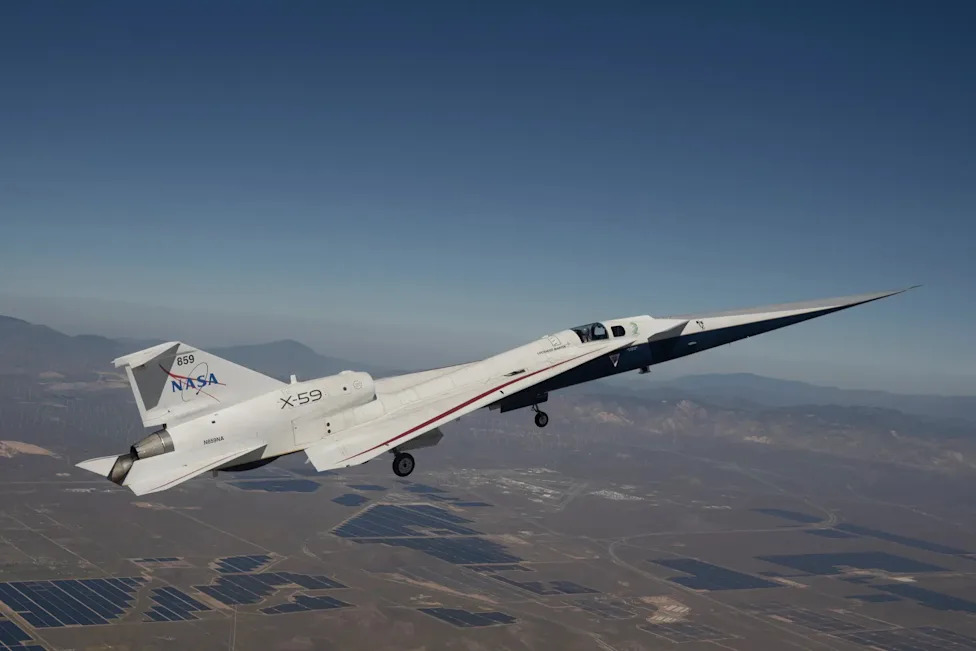
NASA’s quiet supersonic X-59 aircraft flew its second flight on March 20, 2026, near NASA’s Armstrong Flight Research Center in Edwards, California.(NASA/Jim Ross)
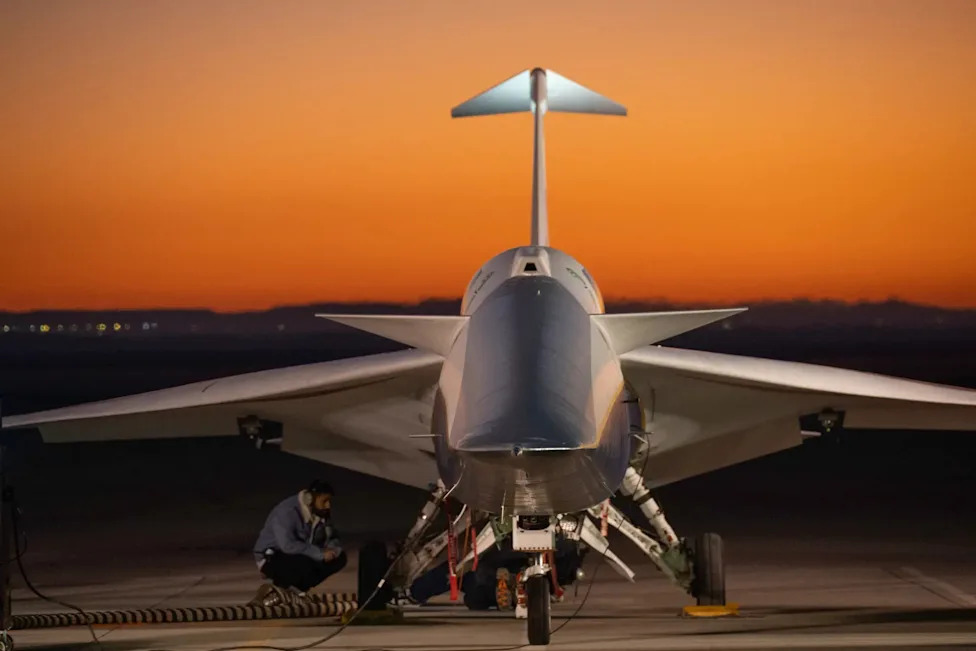
As its team prepared for second flight, NASA’s X-59 quiet supersonic aircraft underwent engine run testing on Thursday, March 12, at NASA’s Armstrong Flight Research Center in Edwards, California.(NASA/Jim Ross)

NASA test pilot Jim “Clue” Less took the X-59 through its engine run test on Thursday, March 12, at NASA’s Armstrong Flight Research Center in Edwards, California. Less will pilot the aircraft for its second flight.(NASA/Jim Ross)
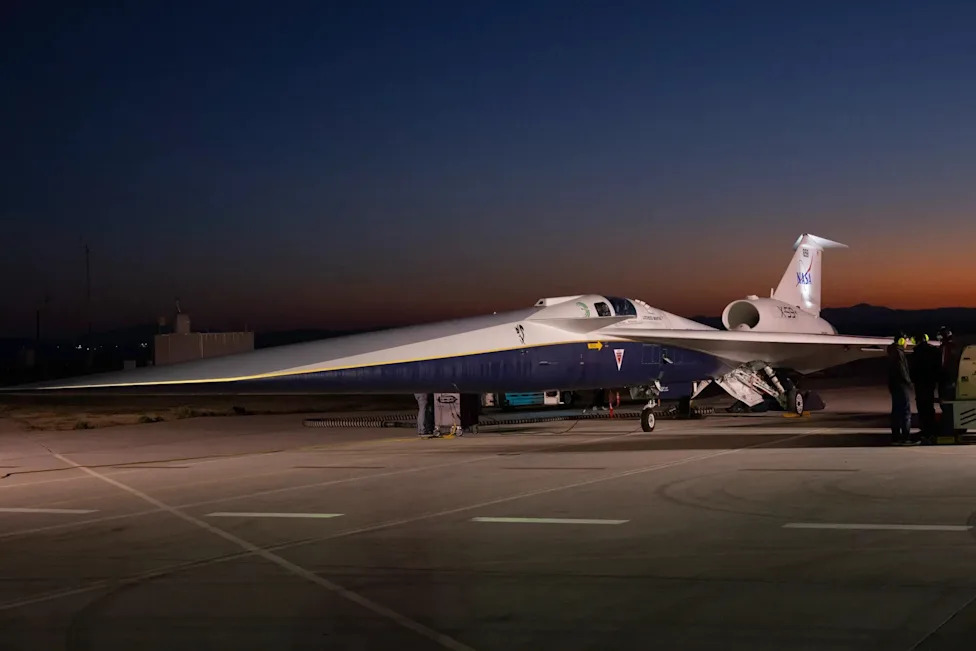
As its team prepared for second flight, NASA’s X-59 quiet supersonic aircraft underwent engine run testing on Thursday, March 12, 2026, at NASA’s Armstrong Flight Research Center in Edwards, California.(Provided by NASA)
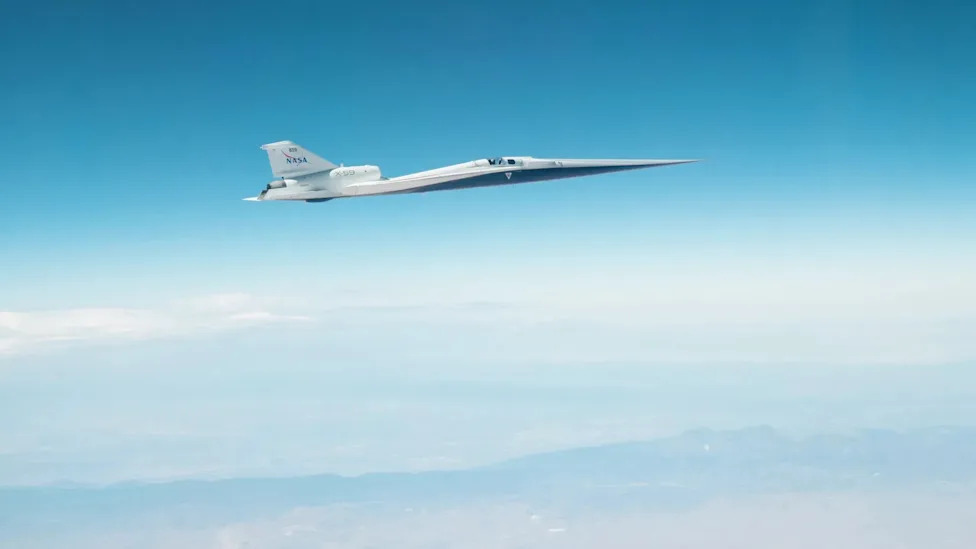
NASA’s X-59 quiet supersonic research aircraft reached its target speed and altitude for future community overflights for the first time during a flight on Friday, June 12, 2026. The milestone marked the first time the aircraft flew at Mach 1.4 and 55,000 feet — conditions it will fly when gathering community response data to its quiet sonic thump.(NASA/Lori Losey)
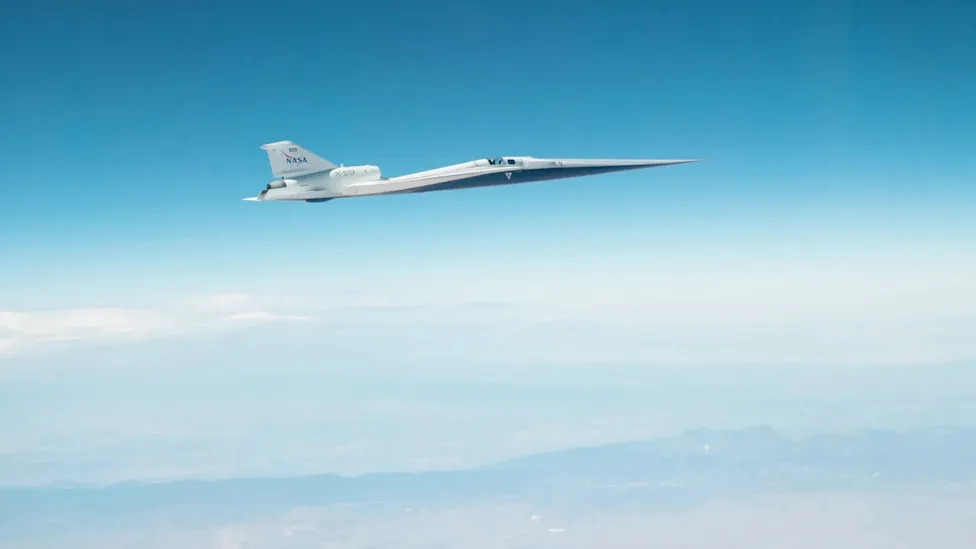
NASA’s X-59 quiet supersonic research aircraft reached its target speed and altitude for future community overflights for the first time during a flight on Friday, June 12, 2026. The milestone marked the first time the aircraft flew at Mach 1.4 and 55,000 feet — conditions it will fly when gathering community response data to its quiet sonic thump.(NASA/Lori Losey)
Help us improve.