The Bangsamoro Autonomous Region in Muslim Mindanao (BARMM) held its first parliamentary elections on Sept. 14, where nearly 2.4 million registered voters chose representatives for an 80-seat regional assembly. The legislature comprises 40 party-list seats, 32 district seats and eight sectoral seats; MPs will elect the chief minister. Security concerns persist after the Moro Islamic Liberation Front suspended decommissioning of 14,000 fighters and 2,450 weapons, and over 20,000 military and police were deployed to protect the vote. Observers say the vote is a critical test for lasting peace, inclusive governance and successful reintegration of former combatants.
Bangsamoro's First Parliamentary Elections: A Milestone for Peace and Self‑Rule
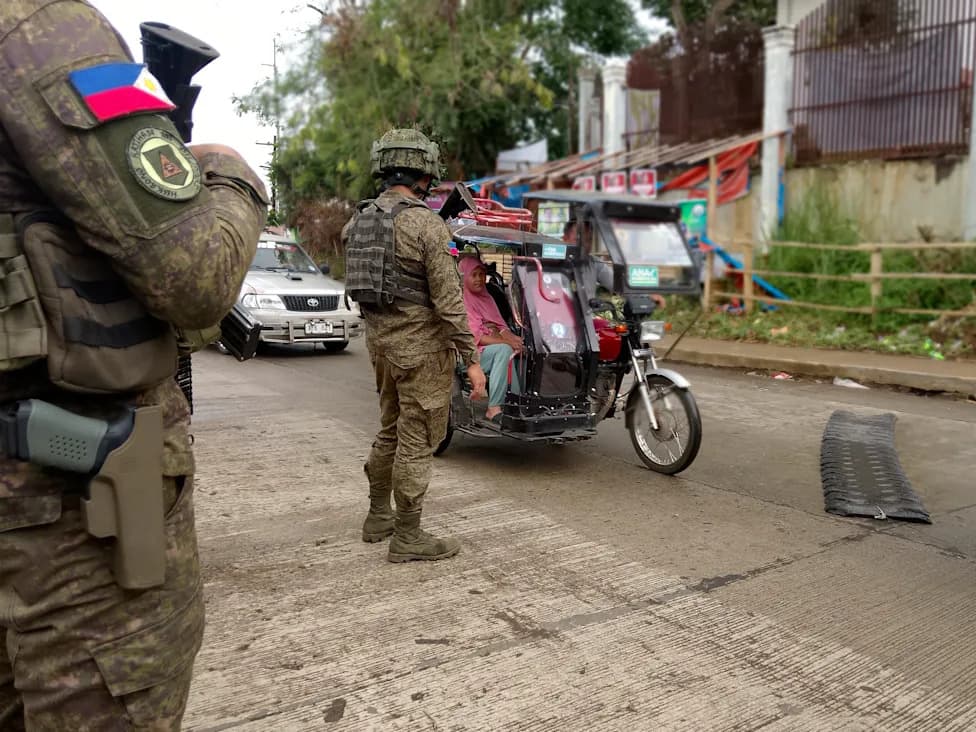
In this photo taken with a smartphone, Army soldiers check the flow of vehical traffic along the highway in Marantao town, Lanao del Sur province, southern Philippines on Sunday Sept 13, 2026. (AP Photo/ Froilan Gallardo)(AP Photo/Froilan Gallardo)
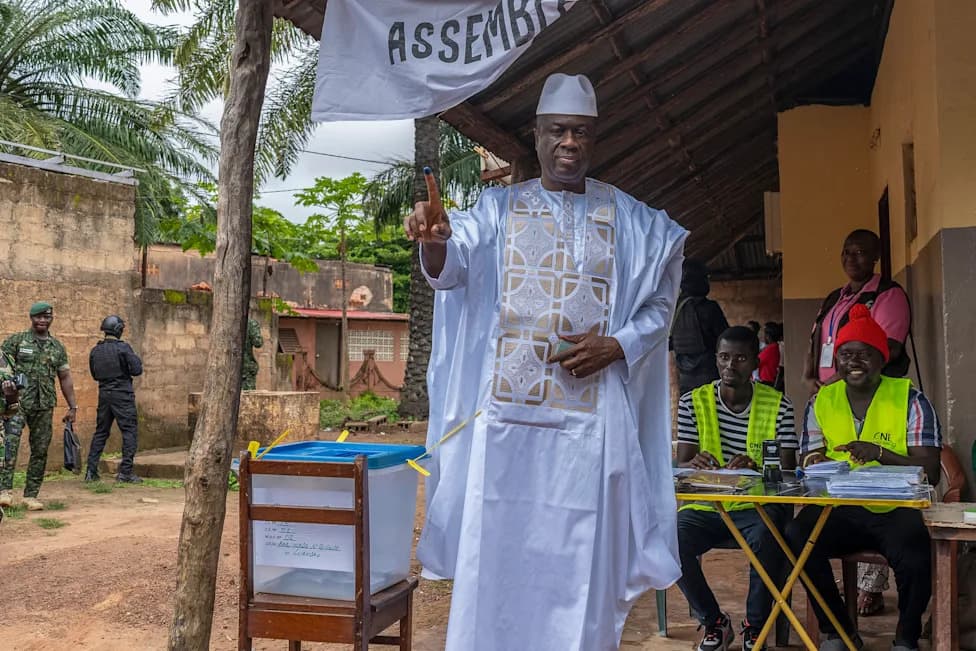
MANILA, Philippines — Voters across the Bangsamoro Autonomous Region in Muslim Mindanao (BARMM) went to the polls on Sept. 14 in the territory's first parliamentary elections — a landmark moment in a long effort to secure self-determination and lasting peace after decades of armed conflict.
What's at stake
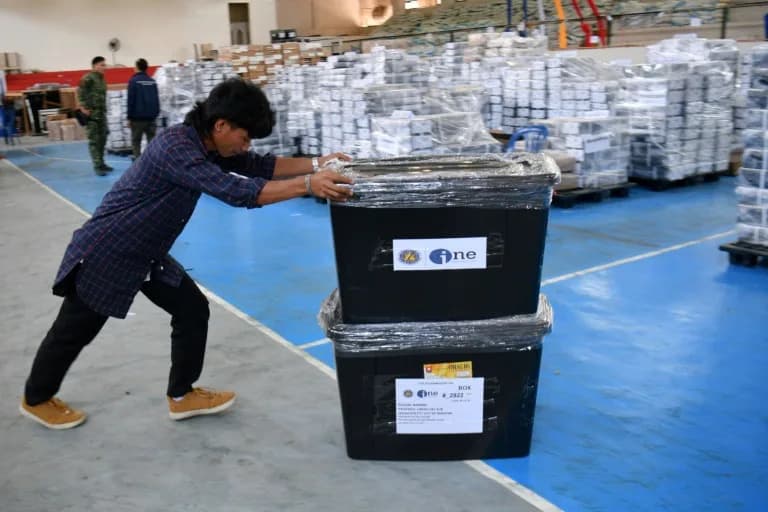
The regional assembly has 80 seats: 40 party-list (regional party) representatives, 32 district representatives and eight sectoral representatives. Nearly 2.4 million people are registered to vote, and election authorities set an 80% turnout target after ballots were delayed for several years.
How the system works
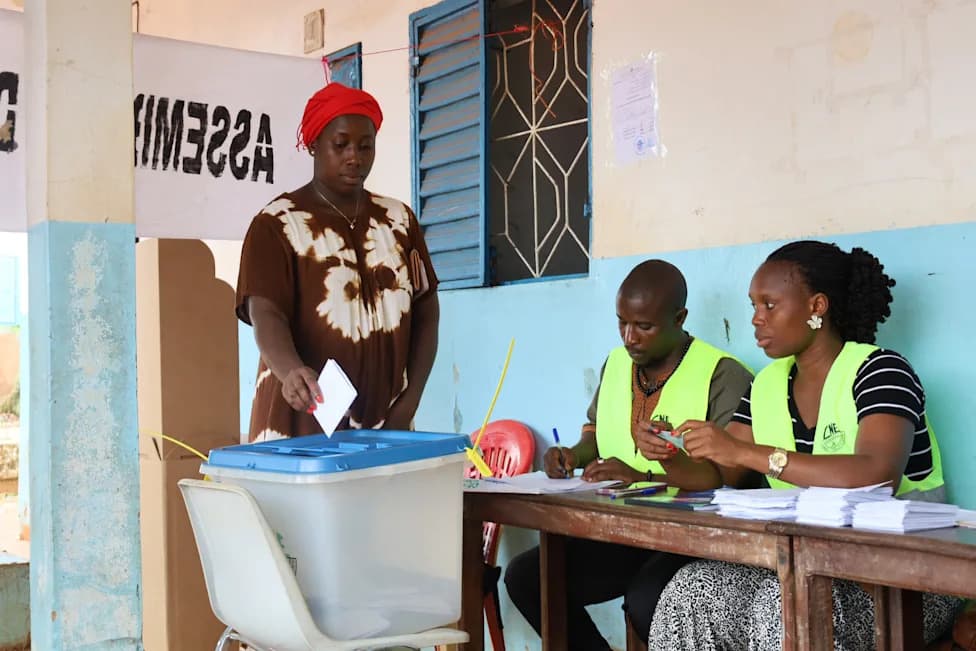
Under BARMM's parliamentary model, voters cast ballots for one regional party, one district representative and up to six sectoral representatives. The 40 party-list seats will be allocated proportionally based on each party's share of the vote. Members of parliament will choose the executive leader — the chief minister — from among themselves by majority vote during the new parliament's inaugural session.
Historical context
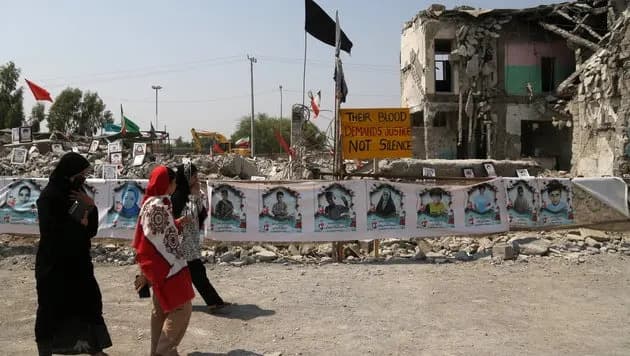
Centuries of colonial rule by Spain and the United States, coupled with migration of Filipino Christian settlers, left Muslims a minority in resource-rich Mindanao, the Philippines' southern third from which BARMM was created. Since the 1970s, roughly 150,000 combatants and civilians have died in the south, and the region has lagged behind in development. Private armed groups and entrenched clan rivalries have compounded instability and hindered progress.
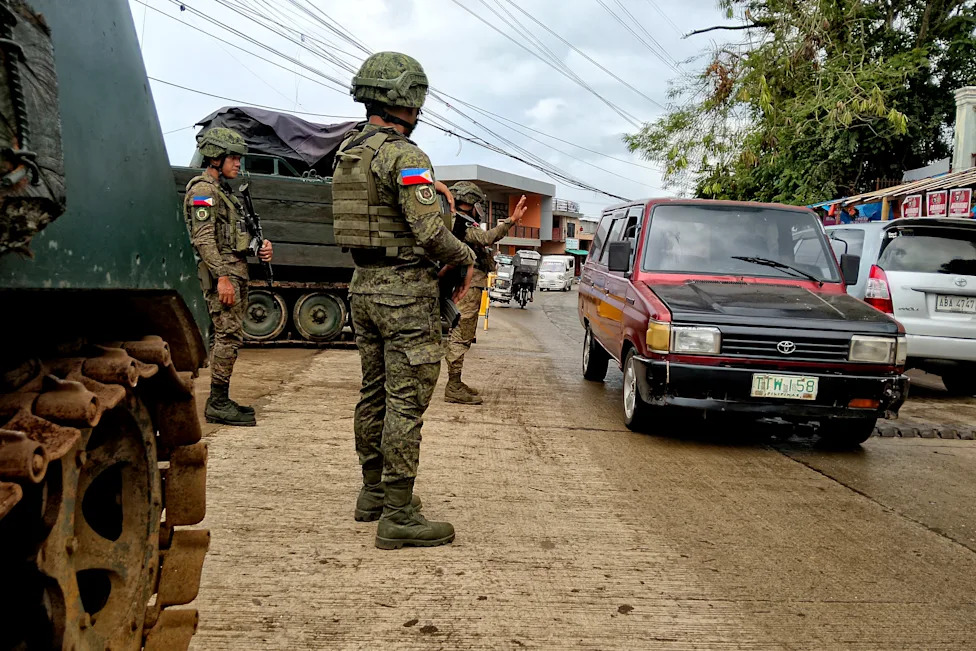
In this photo taken with a smartphone, Army soldiers check the flow of vehicular traffic along the highway in Marantao town, Lanao del Sur province, southern Philippines on Sunday Sept 13, 2026. (AP Photo/ Froilan Gallardo)(AP Photo/Froilan Gallardo)
Peace deal, decommissioning and political risks
The current autonomy arrangement stems from a 2014, Malaysia-brokered peace accord under which the Moro Islamic Liberation Front (MILF) abandoned its bid for a separate state in exchange for expanded self-rule. The agreement envisaged demobilizing about 40,000 fighters and providing reintegration assistance. However, last year the MILF suspended plans to decommission 14,000 of its remaining fighters and 2,450 weapons, saying national authorities had not fully met socio-economic commitments.
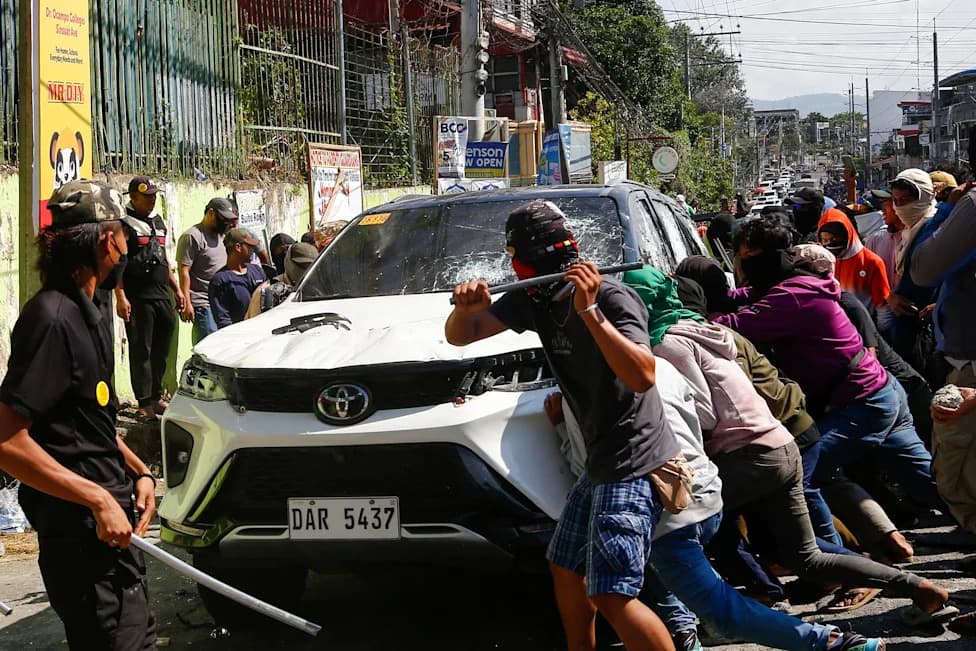
The MILF's partial decommissioning and an internal split that produced rival political formations contesting the election have raised concerns about potential violence and voter confidence. The Institute for Autonomy and Governance warned that incomplete disarmament and electoral competition between former rebel leaders could heighten tensions.
Security and preparations
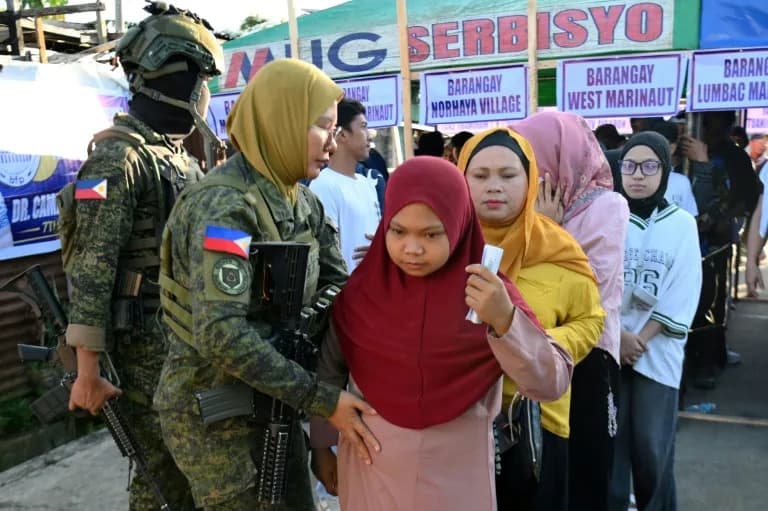
Officials deployed more than 20,000 military and police personnel to secure polling places. Commission on Elections Chairman Erwin Garcia emphasized the priority: "We have just one goal: for them to be able to vote. All our preparations and efforts would be in vain if our fellow citizens couldn't vote."
Michael Henry Yusingco, senior research fellow at the Ateneo Policy Center, warned that without a party ethos rooted in collective responsibility and a sense of the common good, parliaments can devolve into arenas of personal rivalries and transactional politics — a particular risk in a region with a history of clan politics and patronage.
Outlook
The elections mark a crucial test for BARMM's transition from a peace-process-led administration to a regular, democratically elected regional government. Success will depend not only on a peaceful voting day but also on effective decommissioning, inclusive governance, stronger political parties and visible socio-economic progress that reassures former combatants and ordinary citizens alike.
Help us improve.