The Bangsamoro Autonomous Region in Muslim Mindanao (BARMM) is holding its first elected parliament vote, replacing an appointed legislature after decades of conflict. The Moro Islamic Liberation Front (MILF) is politically split and around 14,000 former fighters remain armed. Authorities have deployed over 20,000 security personnel, voter education is underway, and officials expect turnout of not less than 80 percent — a peaceful election would be a major milestone for the peace transition.
Ballots Replace Bullets: Bangsamoro Holds First Elected Parliament Vote
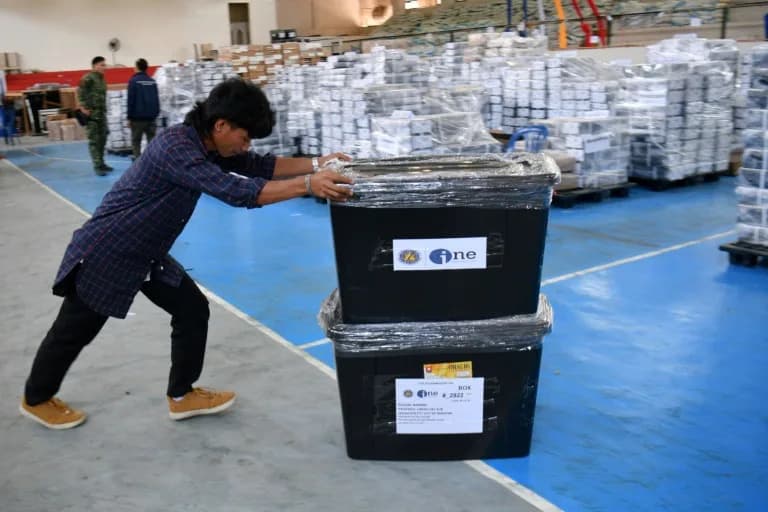
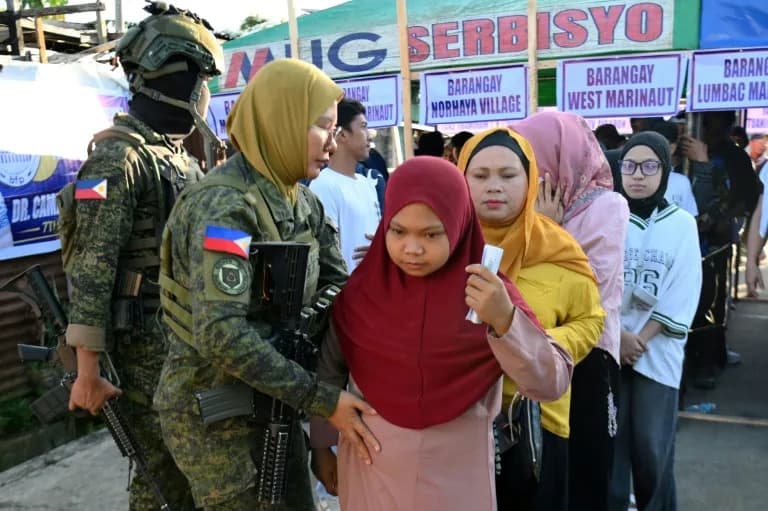
The Bangsamoro Autonomous Region in Muslim Mindanao (BARMM) in the Philippines heads to its first polls on Monday, trading appointed parliamentarians for elected ones (Ted ALJIBE)
On a basketball court in Marawi, stacks of ballots on pallets waited to be dispatched across the Bangsamoro Autonomous Region in Muslim Mindanao (BARMM), a territory that spent decades under separatist violence and is now preparing to elect its first regional parliament.
Nearby, campaign posters cling to the scarred walls of buildings left by intense clashes between jihadist fighters and government troops nearly a decade ago — a stark reminder of the bloodshed that shaped the region's push for autonomy.
After an intermittent peace process that began in the late 1990s, BARMM is replacing an appointed legislature with an elected parliament as part of a transition toward self-rule. In an area long marred by clan rivalries and political violence, leaders say a peaceful vote would itself be a major victory.
“Everyone agrees that more than winning, we need to preserve the relative peace we've achieved... That's paramount for everyone,” said candidate Naguib Sinarimbo, a strategist for the newly formed Bangsamoro Federalist Party (BFP).
The Moro Islamic Liberation Front (MILF), once the region's main armed separatist movement, is now divided into rival political groupings. An estimated 14,000 former fighters remain under arms; many followed military commander Abdulraof Macacua into the BFP after President Ferdinand Marcos appointed him interim chief minister, while others remain loyal to longtime chairman Murad Ebrahim and his United Bangsamoro Justice Party.
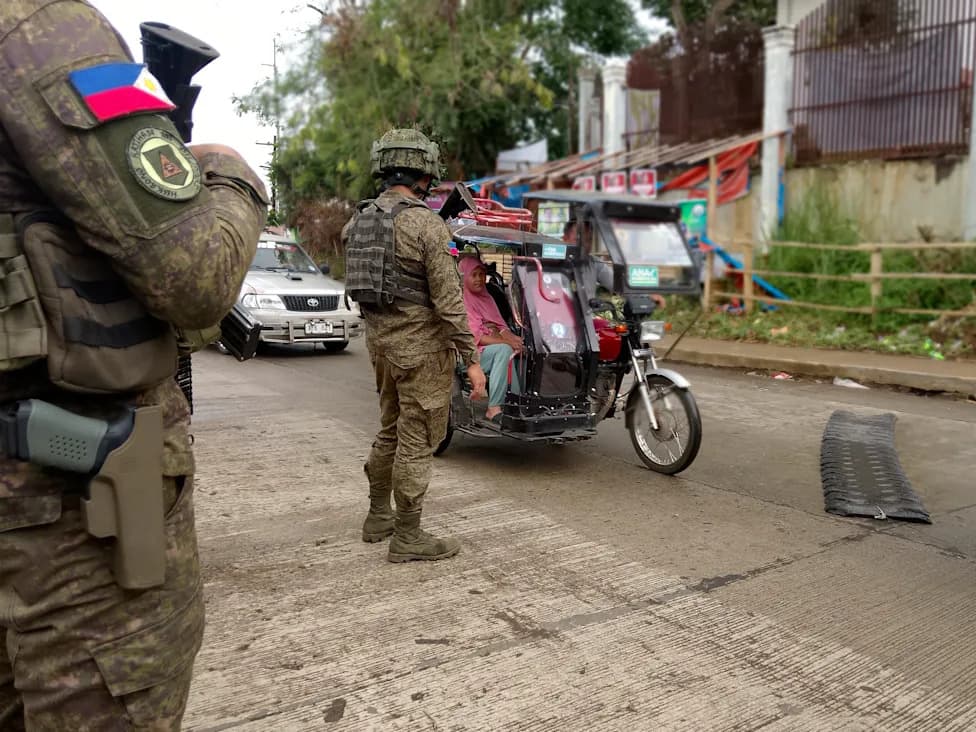
Checkpoints have multiplied in recent weeks and authorities have deployed more than 20,000 security personnel to secure polling stations. Still, the lead-up to voting has not been free of incident: last month a Macacua motorcade came under gunfire, and a convoy of roughly 200 armed MILF fighters was turned back for breaching terms of the peace agreement, election official Ray Sumalipao said.
Brother Against Brother
At a MILF military base outside Cotabato, some fighters expressed fear of clashes between former comrades. Inside his office, 78-year-old Murad Ebrahim dismissed the prospect of armed conflict.
“The spirit of brotherhood is stronger than political differences,” Murad said, noting he keeps channels open with former allies. Mohagher Iqbal, the group's former chief negotiator, added: “If we lose fair and square, we don't have a problem with that.”
Still, Murad warned that public acceptance of results will depend on how the elections are conducted, citing reports that military operations during past votes have intimidated communities even when they did not physically block voters.
Learning To Vote
In Lanao del Sur province — home to Marawi — Vice Governor Mohammad Khalid Adiong said reintegrating combatants into civilian life remains the transition's most critical task. “Decommissioning was the central purpose of the peace talks,” he said.
Regional political dynasties such as the Adiong family have formed the BARMM Grand Coalition as an alternative to the divided MILF factions. Meanwhile, voter education efforts are underway to familiarise citizens with the mechanics of voting in the new regional system. Candidate Emelita Cordero recounted asking a group, “Who knows how to vote?” and seeing no hands raised — a sign of how new the process still feels for many.
Ray Sumalipao of the electoral commission Comelec said he expected turnout of “not less than 80 percent.” In a Cotabato wet market, vendor Luzminda Juanilla, 70, summed up local sentiment: “It was exhausting before... There was so much killing. It took a long time, but it's here now.”
The vote will test whether a fragile peace can withstand political competition, whether former fighters can be effectively decommissioned and integrated, and whether institutions can deliver credible results that all parties accept.
Help us improve.