Chancellor Friedrich Merz rejected calls to ban the far-right AfD, arguing a legal ban would not resolve the concerns of its voters. His remarks followed the AfD's strong showing in Saxony-Anhalt, where it won 43.8% and nearly secured an absolute majority. North Rhine-Westphalia premier Hendrik Wüst proposed an expert commission and possible constitutional action, but other leaders and Merz cited high legal hurdles. Intelligence agencies' extremist classification of parts of the AfD remains suspended pending court proceedings.
Merz: Banning the AfD Wouldn't "Solve" Voters' Concerns After Saxony-Anhalt Surge

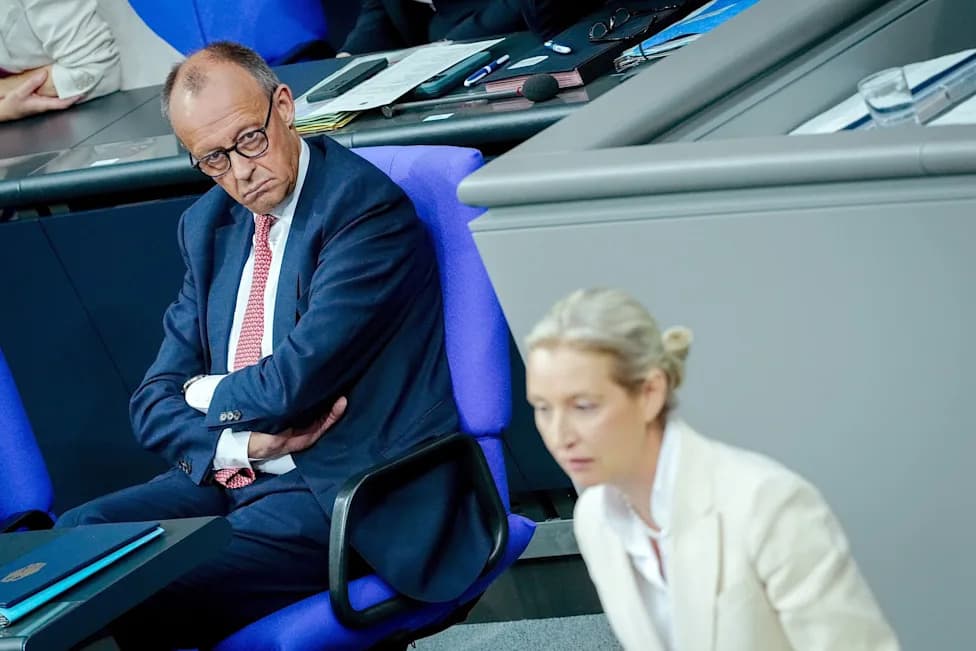
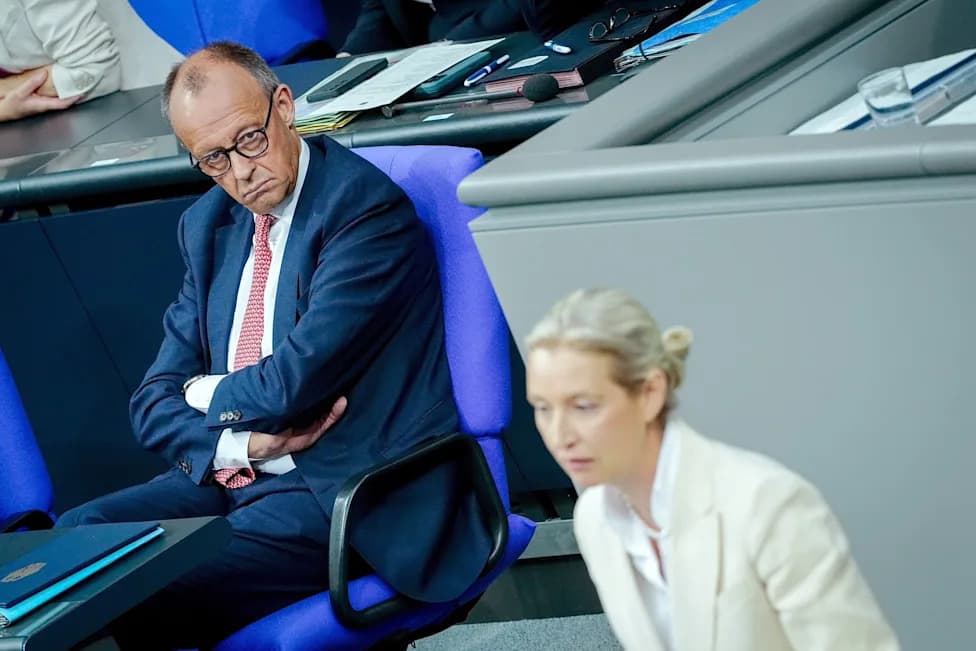
Germany's Chancellor Friedrich Merz sits on the government bench during the general debate on the budget in the German Bundestag. (is associated with: «Germany's Merz warns efforts to ban AfD would not 'solve problem'») Christoph Soeder/dpa
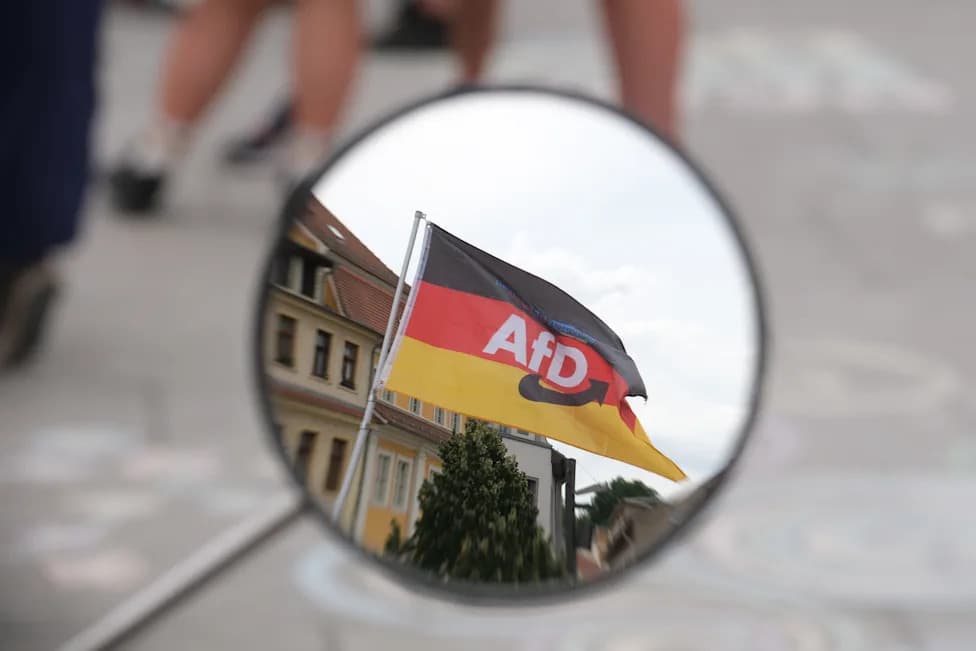
German Chancellor Friedrich Merz has dismissed renewed calls to ban the far-right Alternative for Germany (AfD), saying such a move would not address the underlying concerns of the party's voters.
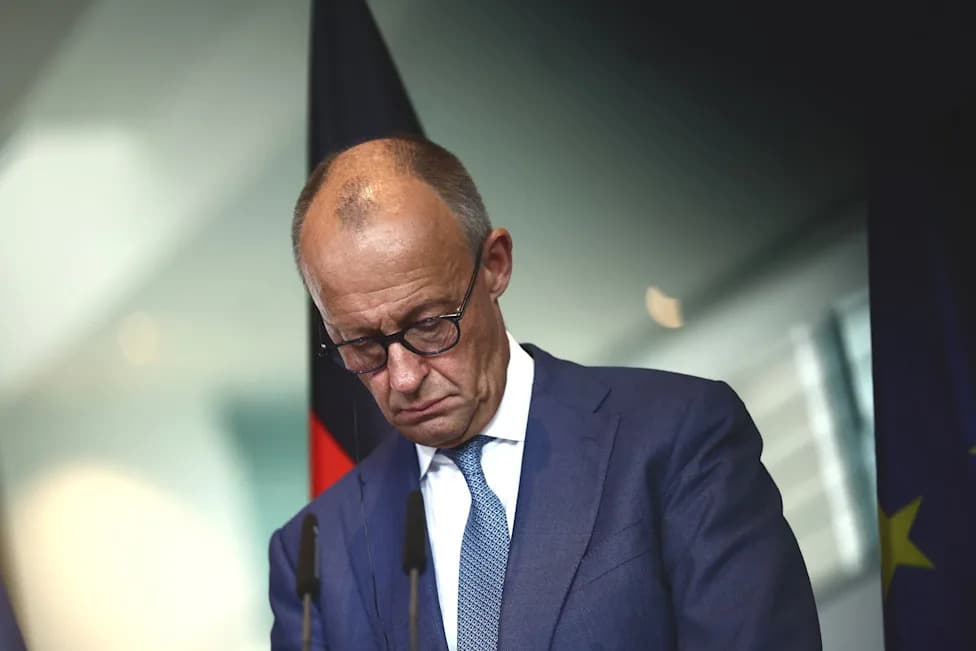
Speaking at a joint press conference with European Council President António Costa in Berlin, Merz said he did not believe a ban would "solve the problem that the party's voters in Germany perceive." His comments followed the AfD's decisive result in the regional election in Saxony-Anhalt, where the party took 43.8% of the vote and narrowly missed an unprecedented absolute majority in the state parliament.
Calls For Investigation And Political Response
In the wake of the result, North Rhine-Westphalia premier Hendrik Wüst urged the appointment of an expert commission to examine the AfD's alleged anti-constitutional aims, suggesting the findings could form the basis for proceedings at the Federal Constitutional Court. Wüst described the AfD as "a party that, at least in some federal states, pursues anti-constitutional aims."
Merz cautioned that the legal requirements for banning a political party pose a "very high hurdle." He urged mainstream parties to focus on political programmes that win back disaffected voters rather than pursuing a ban.
Legal And Security Context
Under German law, the Federal Constitutional Court can ban political parties, but only after a formal petition by either chamber of parliament or the federal government and subject to strict procedural conditions. Two other state premiers quickly rejected Wüst's proposal, underscoring the political divisions over the best way to respond to the AfD's rise.
Last year, domestic intelligence agencies classified the AfD as a "confirmed" extremist organisation, but that designation has been suspended while legal challenges and a court case proceed. Several regional branches of the party, particularly in eastern Germany including Saxony-Anhalt, have received classifications that allow authorities to place them under surveillance.
Implications
The debate highlights a dilemma for Germany's mainstream parties: whether to pursue aggressive legal measures against the AfD or to recapture voters by addressing the social and political grievances that have driven support for the party in parts of the country. Merz's position signals a preference for the latter strategy, emphasizing electoral and policy responses over judicial bans.
Help us improve.