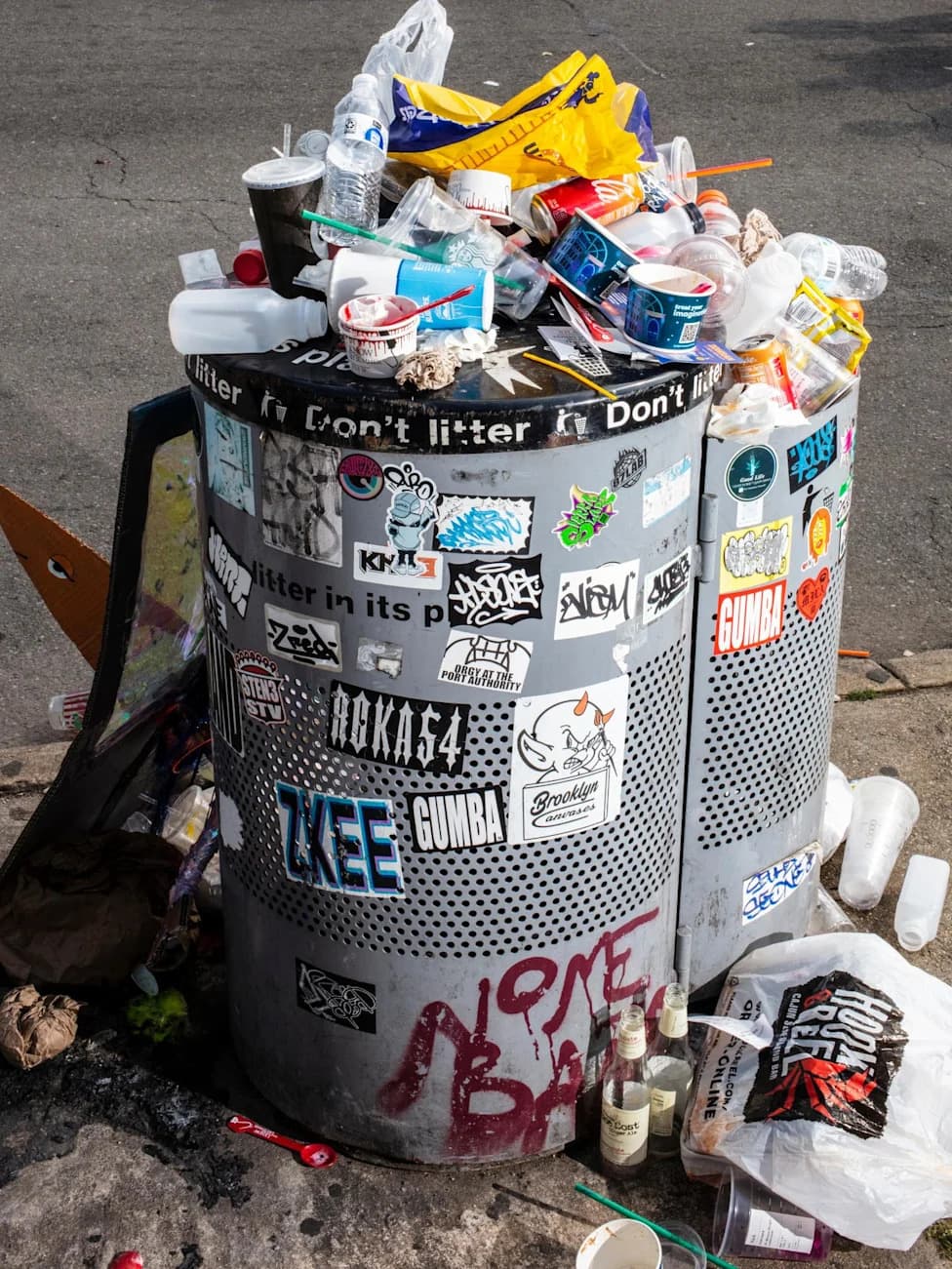
McDonald’s Netherlands has been ordered to stop serving disposable cups to dine‑in customers after the ILT confirmed multiple breaches of a rule favoring reusable or high‑quality recyclable PET packaging. The penalty order follows a complaint from the Fair Resource Foundation, which highlighted McDonald’s continued use of single‑use coated cups, a €0.15 cup surcharge and an average reuse rate of 3.3 uses per cup. McDonald’s must comply by January 5, 2027, or face fines of €625,000 per week up to €3.75 million. The chain says it supports the law’s goals and is working to reduce plastic use.
McDonald’s Ordered To Stop Disposable Cups In Netherlands—Faces Up To €3.75M In Fines
McDonald's has been ordered to stop serving disposable cups for dine-in customers in the Netherlands | ©Image Credit: Pexels / Jaskeerat Singh
McDonald’s Netherlands has been issued an official penalty order requiring the chain to stop serving disposable cups to dine‑in customers after inspections found repeated breaches of a Dutch rule that favors reusable packaging.
What Happened
The Human Environment and Transport Inspectorate (ILT) issued the order following an enforcement request from environmental NGO Fair Resource Foundation. The complaint alleged that McDonald’s was breaching a regulation in force since January 2024 that requires hospitality outlets to serve on-site food and drinks in reusable packaging unless the containers are made from high-quality recycled and recyclable PET.
NGO Allegations
In December 2025 the Fair Resource Foundation said McDonald’s continued to serve drinks and McFlurry ice creams in single‑use cardboard cups with a plastic coating and charged a €0.15 surcharge per cup. The NGO argued this amounted not only to non‑compliance but to a business model that profited from packaging the law intends to phase out.
The Foundation further accused McDonald’s of allowing its reuse system to fail and of lobbying against measures that would improve reuse. It cited McDonald’s own impact report showing reusable cups at McDonald’s Netherlands are used just 3.3 times on average before being discarded.
Inspection Findings And Penalty Order
ILT inspectors conducted dozens of visits to McDonald’s restaurants and documented multiple violations. The resulting penalty order requires McDonald’s to serve dine‑in food and drinks in reusable packaging from January 5, 2027, or face fines of €625,000 per week, up to a maximum of €3,750,000. The Fair Resource Foundation says the cap on fines was calculated from profits McDonald’s made via the disposable cup surcharge.
“McDonald’s is a symbol of the throwaway economy,” said Chloé Schwizgebel, project coordinator at the Fair Resource Foundation. “Hopefully, this is the beginning of the end of it.”
McDonald’s Response
McDonald’s Netherlands pushed back, stating it shares the goal of reducing plastic and delivering demonstrable environmental benefits. The company said it believes it is following the core principles of the single‑use plastics legislation and is working toward reduced plastic use.
Why This Matters
The case could have wider market implications: as the market leader in the Netherlands, McDonald’s choices influence other foodservice operators and consumer habits. The dispute highlights challenges in rolling out practical, durable reuse systems and balancing environmental rules with operational realities for large chains.
Key Facts: Regulation in force since January 2024; complaint filed December 2025; deadline to comply January 5, 2027; fines €625,000 per week up to €3,750,000; alleged €0.15 cup surcharge; reported reusable cup reuse rate 3.3 times on average.
Help us improve.