President Emmanuel Macron warns that the spread of screens, concentrated distribution and the rise of generative AI threaten the economic, cultural and democratic value of cinema, television and gaming. He urges a "new multilateralism" — a global, multi-stakeholder dialogue to protect ambitious creative work, preserve cultural diversity and align technology with human creativity. To start that effort, Macron will co-convene the Lumière Summit with South Korea this September to build a shared response.
Macron Urges a 'New Multilateralism' to Protect the 'Civilization of Images' — Lumière Summit to Tackle Screens, AI and Culture
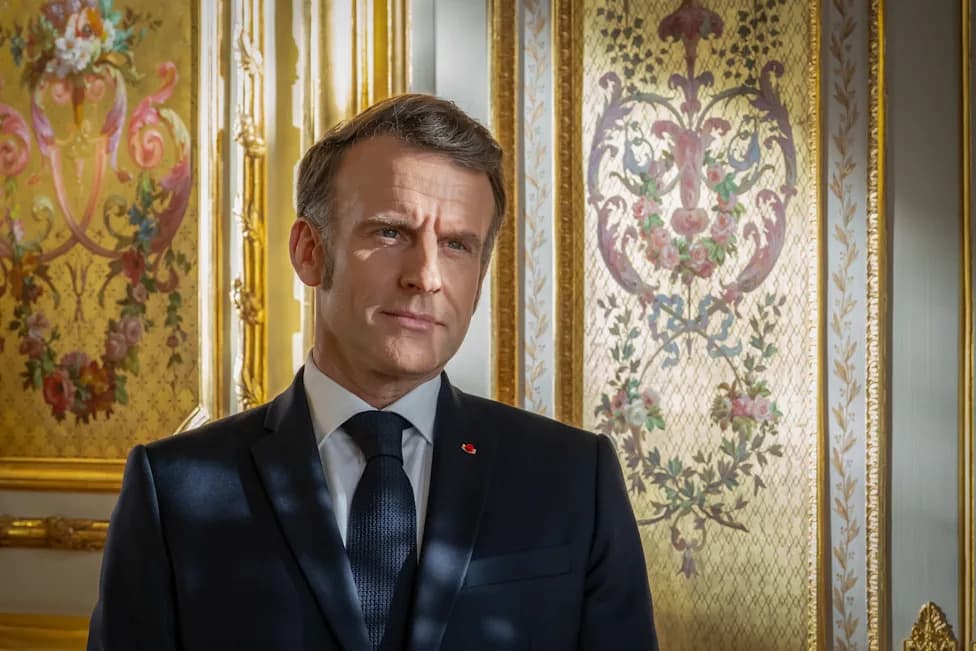
French President Emmanuel Macron Calls for a ‘New Multilateralism’ Across Creative Industries: ‘We Built a Civilization of Images. We Should Not Resign Ourselves to Watching It Deteriorate’
French President Emmanuel Macron warned that the digital transformation of cinema, television, animation and video games has created unprecedented access — and new risks — for culture, democracy and creative economies. He called for a coordinated, global response to preserve ambitious storytelling and ensure the moving image remains a public good.
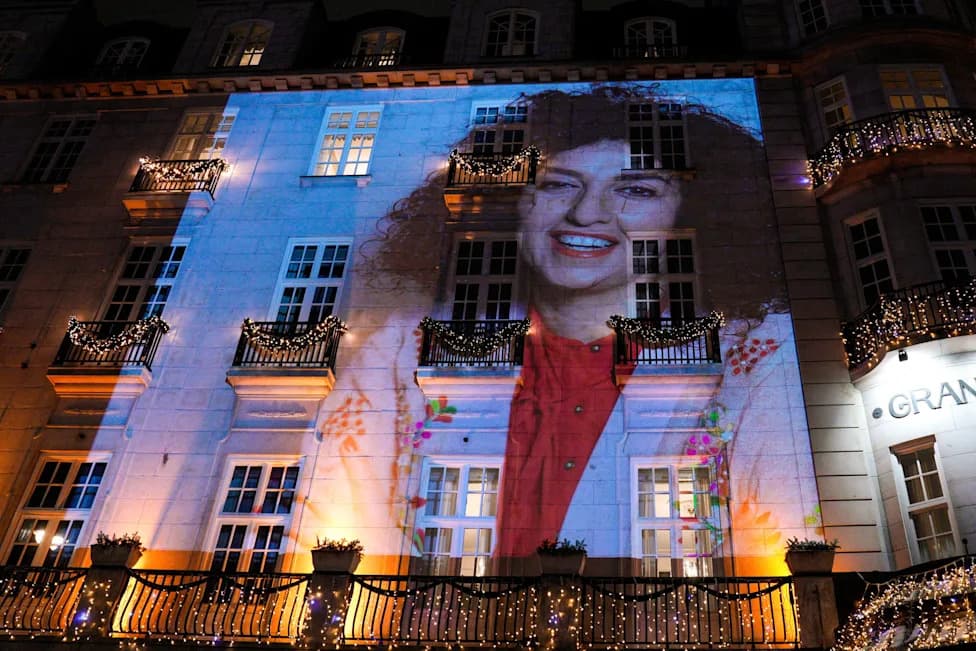
Macron anchored his argument in the history of the medium: in 1895, the first public film screening at the Grand Café in Paris — led by Auguste and Louis Lumière — marked the birth of cinema and the beginning of what he calls our long-standing "civilization of images." Over the past century, moving images moved from darkened theaters to living rooms and, in the last decade, into the palms of billions.
Why This Moment Matters
Screens are not inherently good or bad. They have vastly expanded access to films, ideas and cultures. But Macron highlighted several converging threats that put the quality and diversity of creative work at risk:
- Fragmentation of attention: audiences spend more time on screens but less time with works that require attention and artistic risk.
- Concentration of distribution: a narrowing number of channels and platforms can limit how diverse works reach audiences.
- Shifts in financing and production models: changes that reduce the capacity to fund ambitious, risky or unfamiliar voices.
- Rapid rise of generative artificial intelligence: new technologies that reshape creation, distribution and discovery.
A Broader Argument: Economic, Cultural and Democratic Value
Macron framed the issue as more than industry policy. He argued that creative works have economic value — financing sustains talent and institutions — cultural value — works preserve memory and enable cross-cultural empathy — and democratic value — shared, unexpected exposure to ideas fosters public conversation that algorithms optimized solely for engagement may erode.
"We built a civilization of images. We should not resign ourselves to watching it deteriorate."
The Proposal: A New Multilateralism for the Moving Image
Macron proposed a form of global cooperation — not a cultural bureaucracy, but a regular multi-stakeholder dialogue that brings together governments, creators, studios, producers, broadcasters, platforms, cinemas and public institutions. No single country or company can address transnational forces like technology, capital and global audiences alone.
He said the goal should not be to preserve yesterday's models but to build conditions for a richer creative future: preserve the ability to create ambitious works, ensure they can circulate, give audiences tools to navigate a world of infinite images, and align technological progress with human creativity.
The Lumière Summit
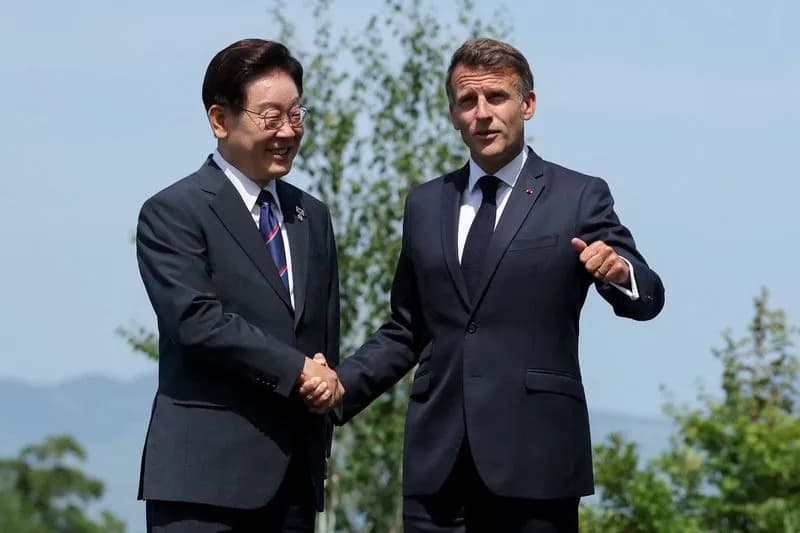
To begin that process, Macron announced he will convene the Lumière Summit this September with the President of the Republic of Korea. France and South Korea, he noted, have followed different paths but both demonstrate how openness can strengthen distinct creative cultures. The summit aims to start a shared, global response and move beyond old divisions.
Macron emphasized that leadership will need to be global: the United States' historical role remains critical; Asia has emerged as a creative center; Africa hosts rapidly expanding audiences and new storytellers; the Middle East is producing vital voices; and Latin America shows how local stories can resonate worldwide. Europe, he added, offers experience in protecting cultural sovereignty while fostering innovation.
"The task is not to turn back," Macron concluded. "It is to decide, together, what kind of civilization of images we want to build — and whether we have the ambition to make moving images one of the most valuable common goods of our time."
Help us improve.