Egyptian TV presenter Sarah Khalifa and 11 others have been sentenced to death by hanging after conviction in a drug trafficking case, state media report. Authorities say more than 750 kg of narcotics and raw materials were seized and prosecutors relied on 20 witness statements and electronic evidence. Khalifa denies the charges, saying she only saw drugs after being photographed inside Anti-Narcotics Authority offices. A 2025 Amnesty International report raised human rights concerns, noting many death sentences in Egypt and warning against applying capital punishment to non-homicide crimes.
Egyptian TV Presenter Sarah Khalifa Sentenced To Death Alongside 11 Others In High-Profile Drug Case

Sarah Khalifa is best known for her TV programme Mission Impossible which dealt with crime issues. [Sarah Khalifa Instagram account]
Sarah Khalifa, a 39-year-old Egyptian television presenter best known for hosting the crime-focused programme Mission Impossible, has been sentenced to death by hanging alongside 11 other defendants after being convicted on drug-related charges, state media report.
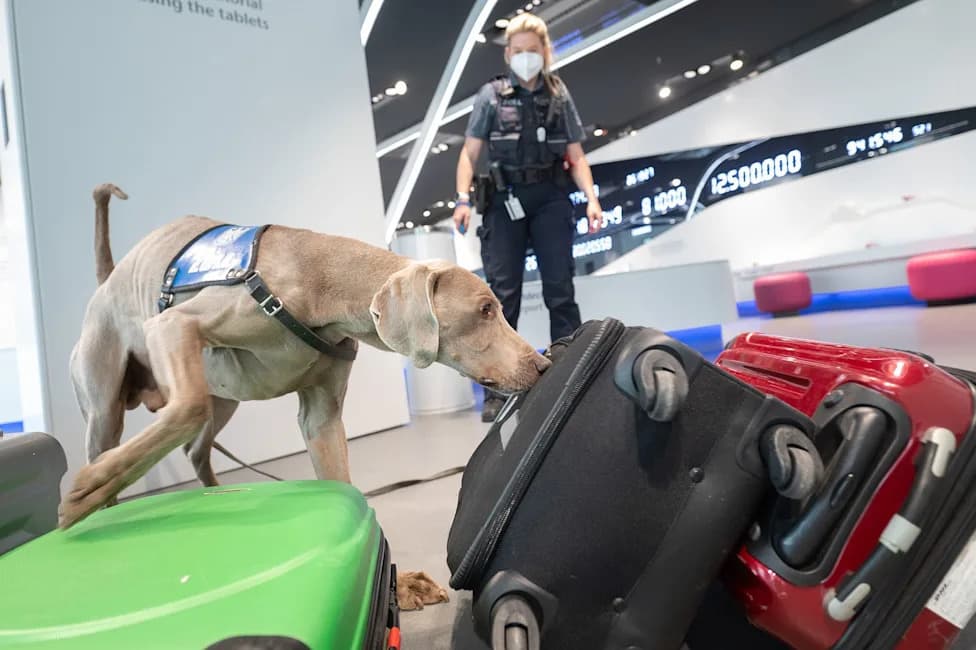
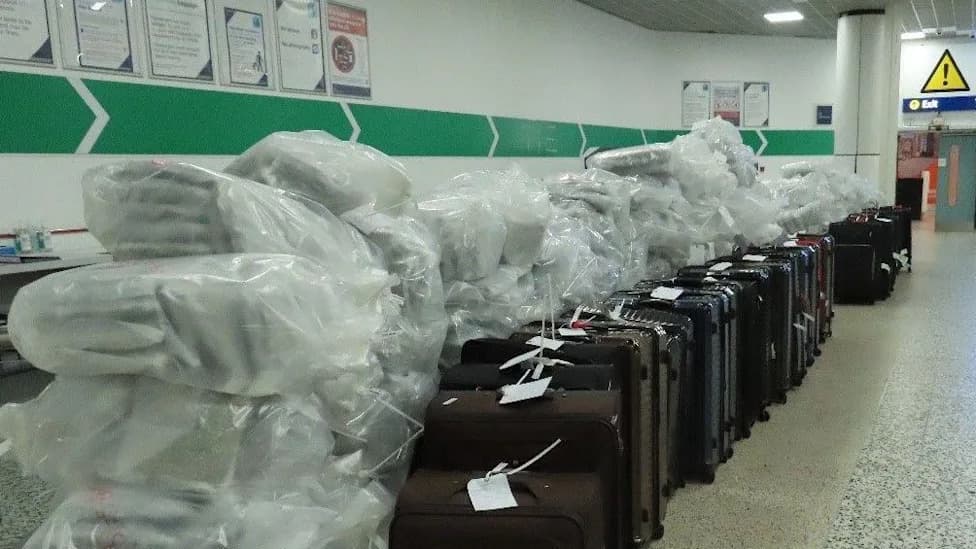
According to state-owned al-Akhram, prosecutors say the group belonged to a criminal network that imported raw ingredients used to manufacture narcotics with the intent to sell them. Authorities reportedly seized more than 750 kg (1,653 lbs) of narcotics and the imported raw materials alleged to have been used in their production. Prosecutors also say illegal firearms and munitions were found in connection with the case.
Prosecutors presented statements from 20 witnesses and electronic evidence said to include recorded conversations and video clips. The court initially announced its verdict last month; it was formally confirmed a month later after the court obtained a religious opinion from the Grand Mufti of Egypt, a required procedural step in death-penalty cases. The verdict can still be appealed.
Khalifa has denied the charges. State-run Akhbar al-Youm reported that during a hearing last September she told the judge she had never seen any drugs until she was photographed with them inside Anti-Narcotics Authority offices.
Human Rights Context
A 2025 report from Amnesty International recorded 492 death sentences in Egypt that year, 23 of which were carried out. The report criticized the use of capital punishment for offences such as drug trafficking and rape, saying those crimes "did not amount to 'intentional killing' to which the use of the death penalty must be restricted under international law and standards."
The case against Khalifa has attracted attention partly because of her public profile and questions about due process raised by rights groups. As the appeals process moves forward, human rights organisations and observers will likely watch closely for developments in both the legal proceedings and any potential international responses.
Help us improve.