Sarah Khalifa, a 39-year-old Egyptian TV presenter, and 11 others were sentenced to death by hanging after convictions in a drugs case that authorities say involved imported precursor chemicals, illegal weapons and more than 750kg of narcotics. Khalifa denies the charges and her lawyer has said she will appeal. The verdict was confirmed after a required legal opinion from Egypt's grand mufti; Amnesty International has raised concerns about the use of the death penalty in non-homicide cases.
Egyptian TV Presenter Sarah Khalifa Sentenced To Death In High-Profile Drugs Case

Sarah Khalifa is best known for her TV programme Mission Impossible which dealt with crime issues [Sarah Khalifa Instagram account]
Sarah Khalifa, a 39-year-old Egyptian television presenter best known for the crime-focused programme Mission Impossible, has been sentenced to death by hanging after being convicted in a drugs case, state media report. Eleven other defendants received the same sentence.
State-owned al-Ahram reported that prosecutors said the group operated a criminal network that imported precursor chemicals used to manufacture narcotics, with the intent to sell them. Authorities also allege the defendants possessed illegal firearms and munitions.
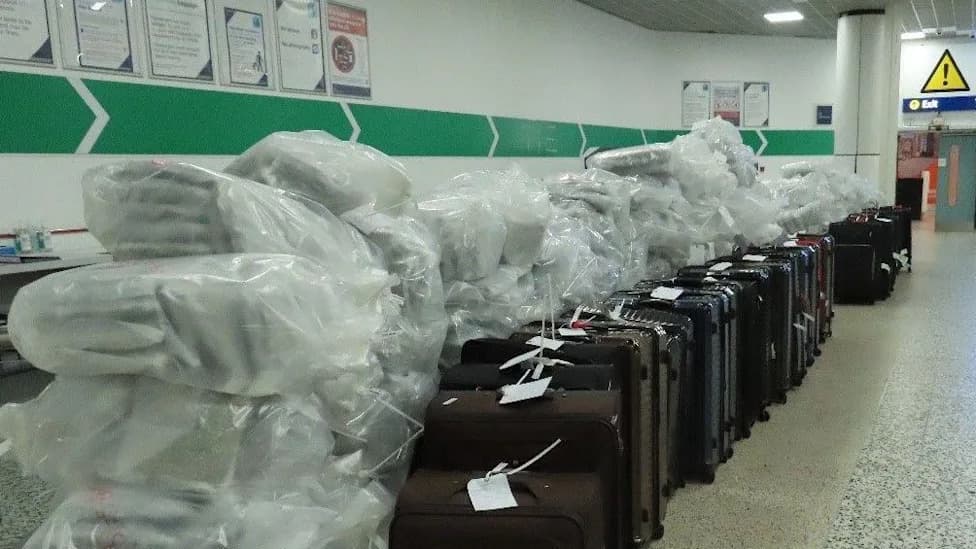
During the trial, prosecutors told the court that investigators seized more than 750kg (1,653lbs) of narcotics and the imported raw materials used to produce them. Al-Ahram said 20 witnesses gave statements and that electronic evidence presented included recorded conversations and video clips.
In related rulings in the same case, nine co-defendants were handed life sentences while seven others were acquitted, according to the reports. The verdict in Khalifa's case was first announced last month and was formally confirmed after the court obtained a legal opinion from Egypt's grand mufti — a required procedural step before carrying out death sentences.
When asked about her alleged role during a court appearance last September, Khalifa told the judge she had never seen drugs until she was photographed with them inside Anti-Narcotics Authority offices, according to the state-run Akhbar al-Yom newspaper. Khalifa has denied the charges; her lawyer said she will appeal the death sentence.
Human Rights Context
Amnesty International's 2025 report recorded 492 death sentences in Egypt for the year, 23 of which were carried out. The report noted that the defendants in this case were convicted of drug trafficking and rape — crimes that Amnesty said "did not amount to intentional killing" and therefore fall outside the narrow set of circumstances under international law in which the death penalty may be applied. Human rights groups have frequently criticised the use of capital punishment in non-homicide cases.
The case has drawn attention both because of Khalifa's public profile and because it highlights broader questions about due process, the scope of charges that can trigger capital punishment, and the legal requirement in Egypt to seek the grand mufti's opinion before confirming death sentences.
Help us improve.