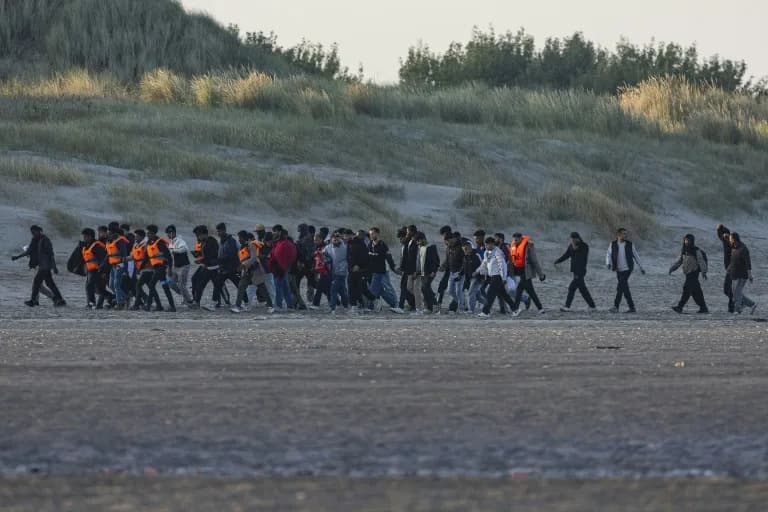
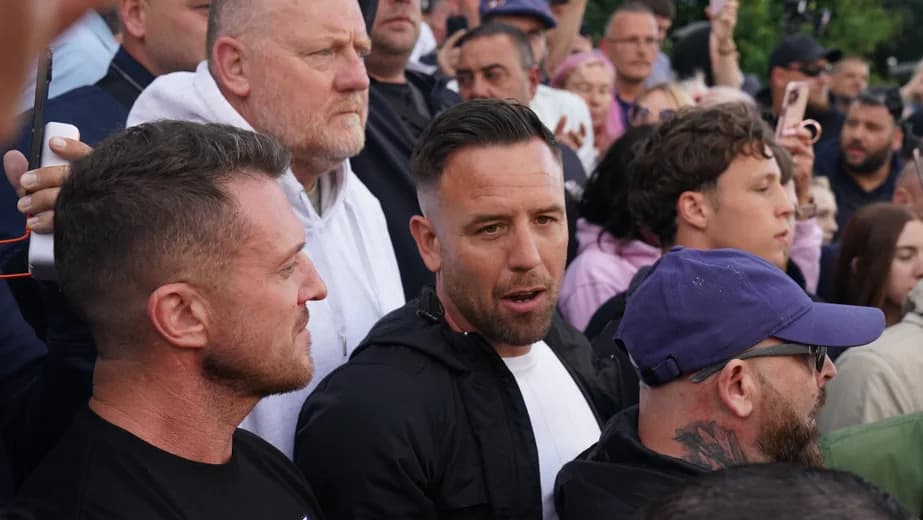
Six people smugglers were convicted in Paris of involuntary homicide after 31 migrants died when a small boat sank in the English Channel on 24 November 2021. Sentences for the six ranged from six to 10 years; seven others received shorter terms and one was acquitted. Investigators used phone tracking to link suspects to two cooperating smuggling networks, and a separate inquiry is probing whether French military personnel ignored distress calls on the night of the disaster.
Six People-Smugglers Jailed Over Channel Boat Disaster That Killed 31
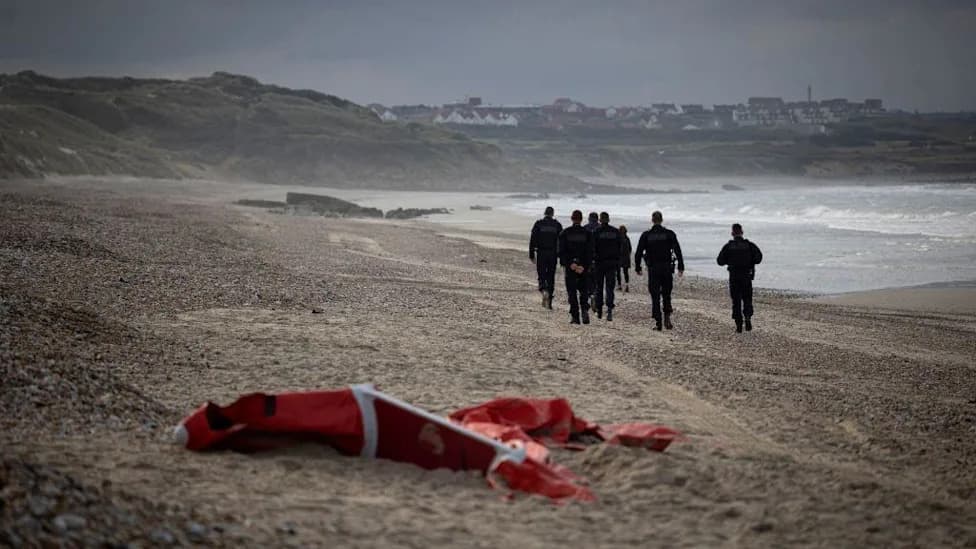
File photo from 2021 of a beach in northern France used by migrants to attempt the Channel crossing to England [AFP via Getty Images]
Six people smugglers have been convicted in France of involuntary homicide after a small boat sank in the English Channel on 24 November 2021, killing 31 migrants. After a four-week trial in Paris, the court handed down prison terms ranging from six to 10 years. Seven other defendants received shorter sentences and one was acquitted.
Verdict and Sentences
The court found six men guilty of "involuntary homicide" for their roles in organising and facilitating the fatal crossing. Sentences for the six convicted ranged from six to 10 years. Seven others received prison terms of up to four years; one defendant was acquitted. The longest sentence — 10 years — was given to Obaidullah Maroofkhel, who ran one of the smuggling networks and was tried in absentia. Harem Ahmed Abawaker, a close aide in the Iraqi Kurd-linked network, was sentenced to eight years. The alleged leader of the Iraqi Kurd network, named in reports as Bashdar, was not a defendant because he is in custody in Iraq.
The Tragedy
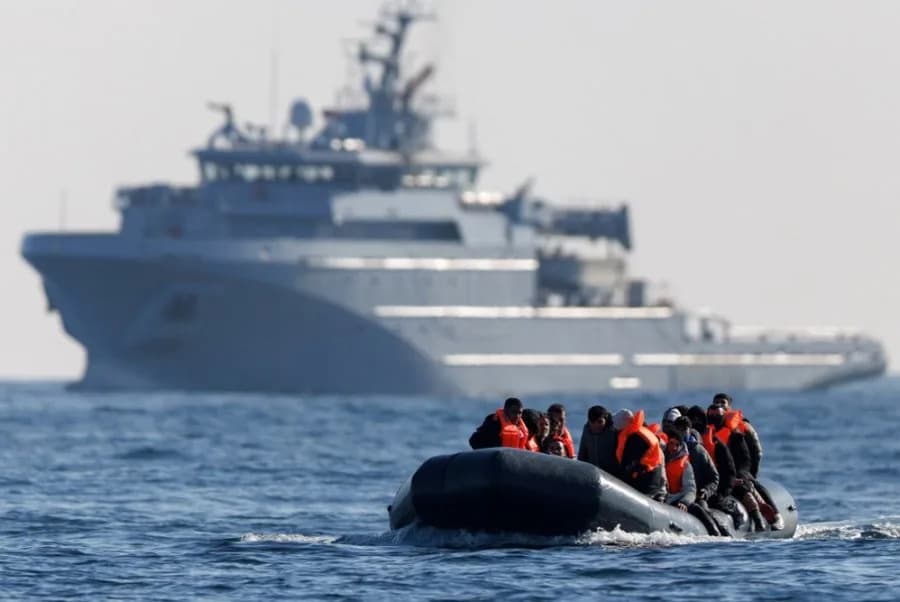
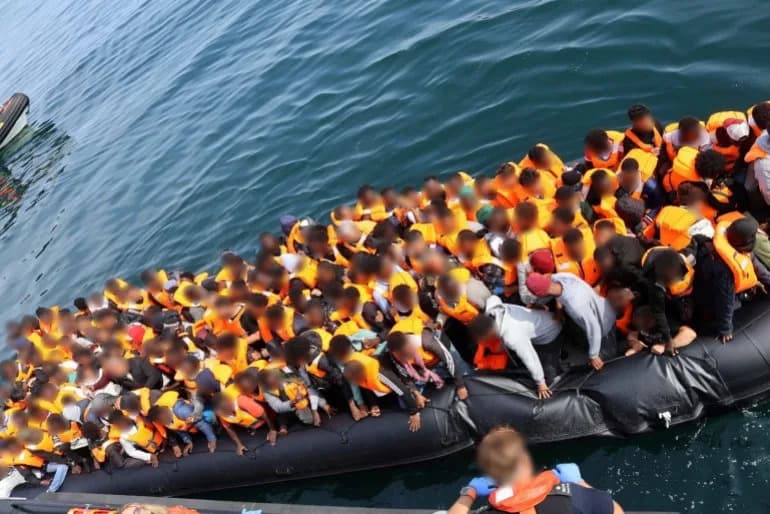
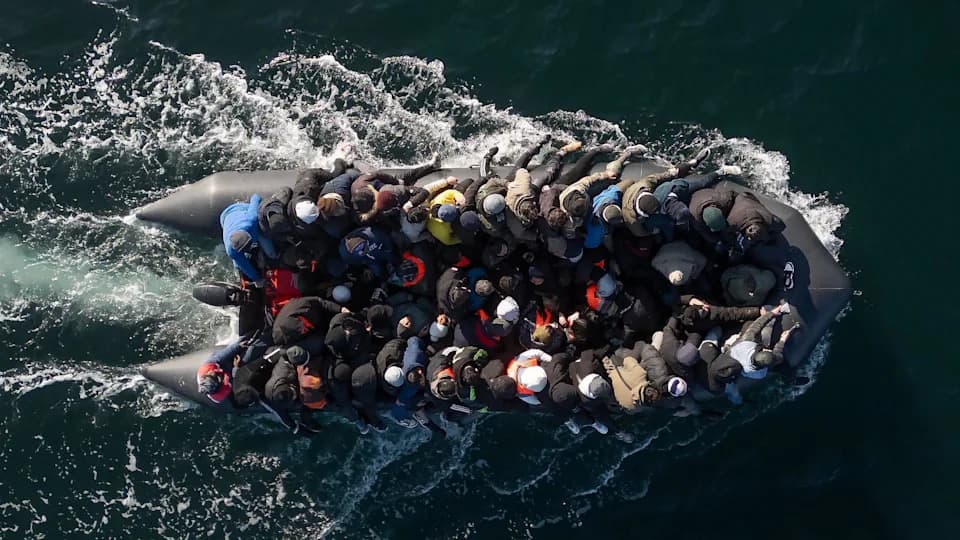
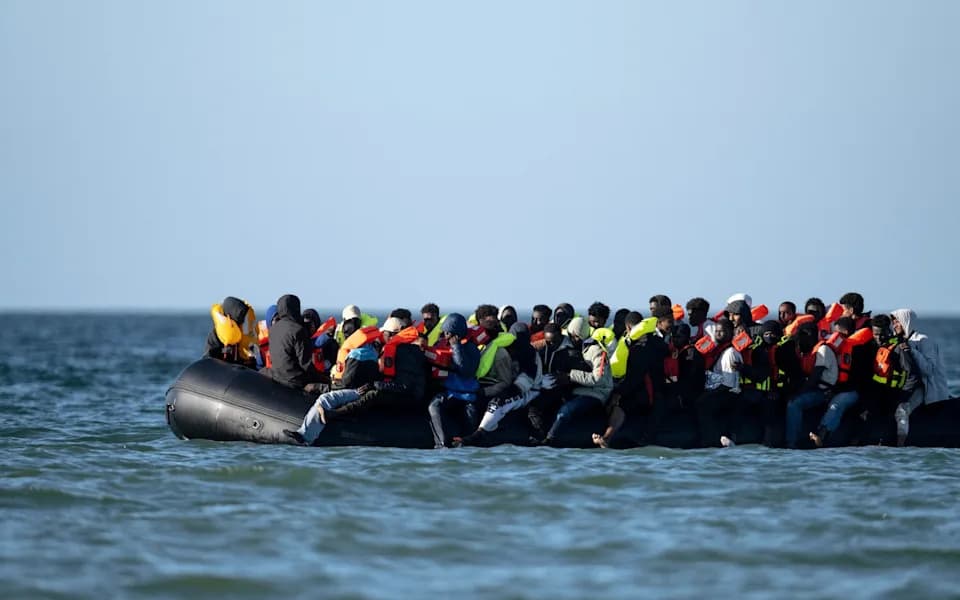
The vessel sank in the early hours after sending distress calls to both French and British coastguards. Of the 31 people who died, the victims were mainly Iraqi Kurds but also included Afghans, Egyptians and Iranian Kurds; the dead included a seven-year-old child. Only two men survived the wreck.
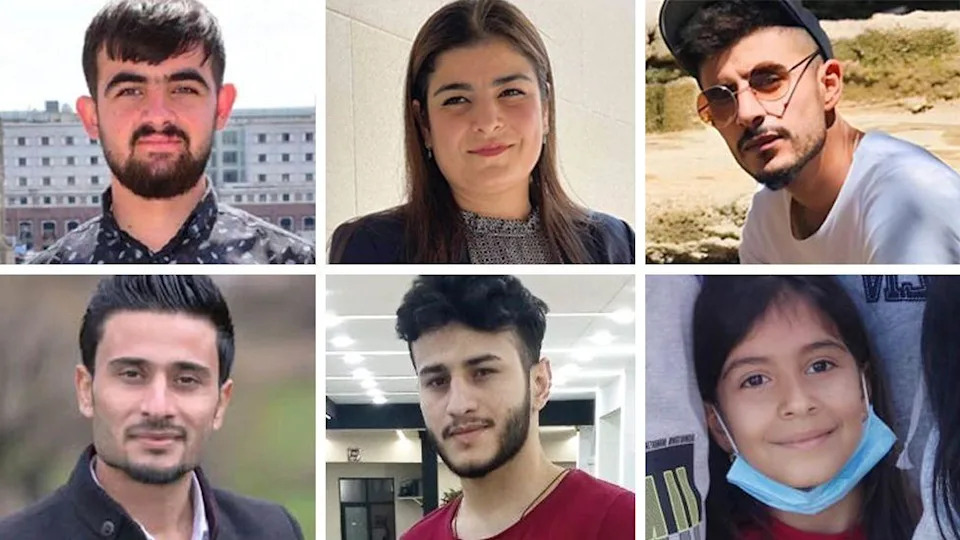
Some of the victims (from left): Mohammed Hussein Mohammedie, Mhabad Ahmad Ali, Bilind Shakir Baker, Shakar Ali Pirot, Bryar Hamad Abdulrahman, and Hasti Rizghar Hussein [BBC]
Families and Testimony
Several family members travelled from Iraqi Kurdistan to attend the trial and gave emotional testimony about why their relatives made the journey. Relatives described paying deposits at a bank, tracking their loved ones through Turkey and Italy, and receiving final messages and photos — including one of a victim at the Eiffel Tower — before the crossing.
"No-one in the family wanted him to leave, but we could not dissuade him," said Zana Marmand Muhammed about his brother Twana. Nabi Mustafa Mina, father of 19-year-old Zanyar, described how he tried to persuade his son to stay by offering to help him marry and share his salary.
Survivor Account
A statement from one survivor, Issa Omar, was read to the court by his lawyer. Omar said he did not feel strong enough to appear in person and described the lasting trauma of the sinking.
"Since the wreck I have the impression that part of me disappeared beneath the waves," the statement said. His lawyer described how Omar clung to floating bodies and a lifejacket and swam to stay awake and alive.
Investigation and Evidence
Police investigators used mobile phone tracking to identify members of two cooperating smuggling networks — one linked to Iraqi Kurds and the other to Afghans — who organised the journey and delivered migrants to the rendezvous point on the French coast. Lesser-convicted defendants were accused of sheltering migrants, transporting them across France to the makeshift camp near Calais known as the "jungle," and assisting on the night of departure. Following the verdict, judges issued six arrest warrants because most defendants had appeared at trial as free men.
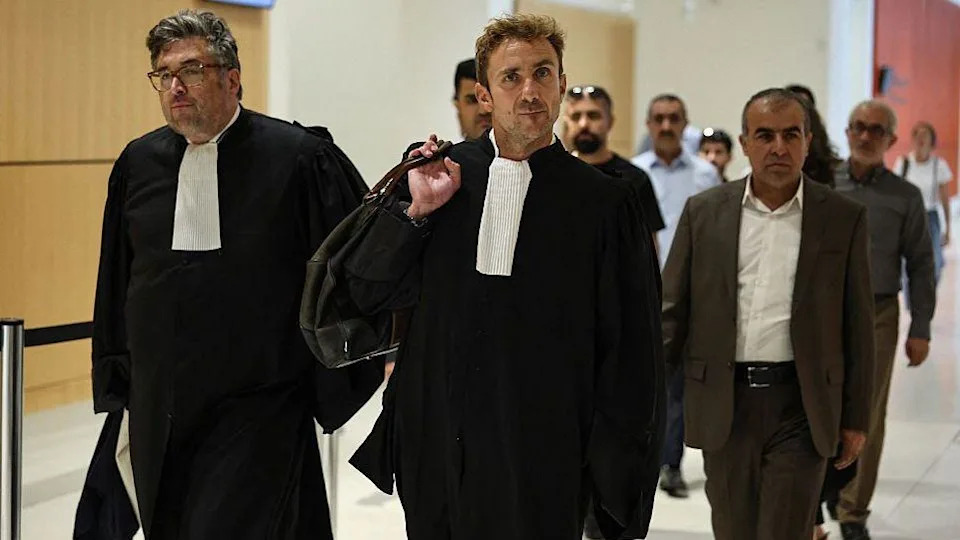
Lawyer Matthieu Chirez (C) said the verdict had come as a relief to victims' families [AFP via Getty Images]
Aftermath and Wider Issues
A separate police inquiry is examining whether seven members of the French armed forces failed to respond to distress calls on the night of the disaster. Those under investigation were either at the regional sea rescue centre or aboard a navy ship; authorities said a decision on charging them could come in the coming months.
The trial concluded as France and the United Kingdom ended a year-long "one-in, one-out" scheme under which the UK returned irregular Channel crossers to France in exchange for accepting some asylum-seekers. Officials said the programme — which moved just over 1,000 people between the two countries — had not acheived the hoped-for impact on smugglers' operations.
Key facts: 31 people died, including a child; two men survived. The convictions follow phone-tracking evidence and family testimony that helped "humanise" the victims in court.
Help us improve.