Health‑care affordability has returned as a top voter concern, and polls show widespread support for "Medicare‑for‑all" alongside major confusion about what it would mean. Progressive figures such as Abdul El‑Sayed are advancing versions that preserve private insurance and have drawn high‑profile endorsements, potentially easing past intra‑party rancor. Rising insurer premium requests (a median 15% hike after ~20% this year) and new Medicaid work requirements starting in January add urgency. Democrats are now debating a range of practical proposals—from public options to breaking up monopolies—while experts push for implementable near‑term relief and longer‑term reforms.
Why This Year’s Medicare‑For‑All Debate Feels Different—and Why It Matters
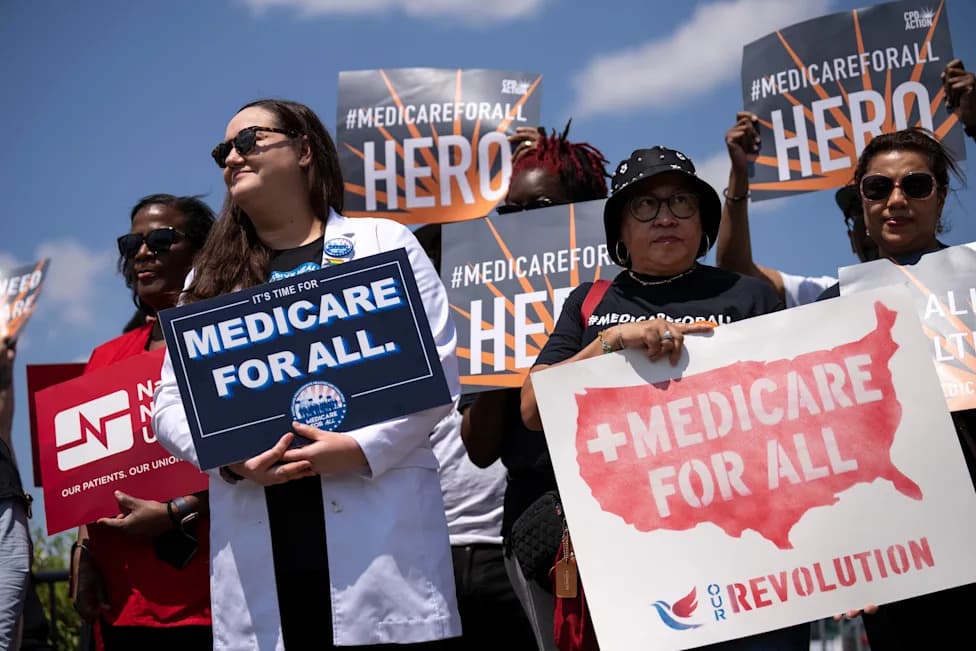
Supporters look on as Sen. Bernie Sanders (I-VT) speaks during a news conference to announce the re-introduction of the Medicare for All Act of 2023, outside the Capitol on May 17, 2023, in Washington, DC. | Drew Angerer/Getty Images
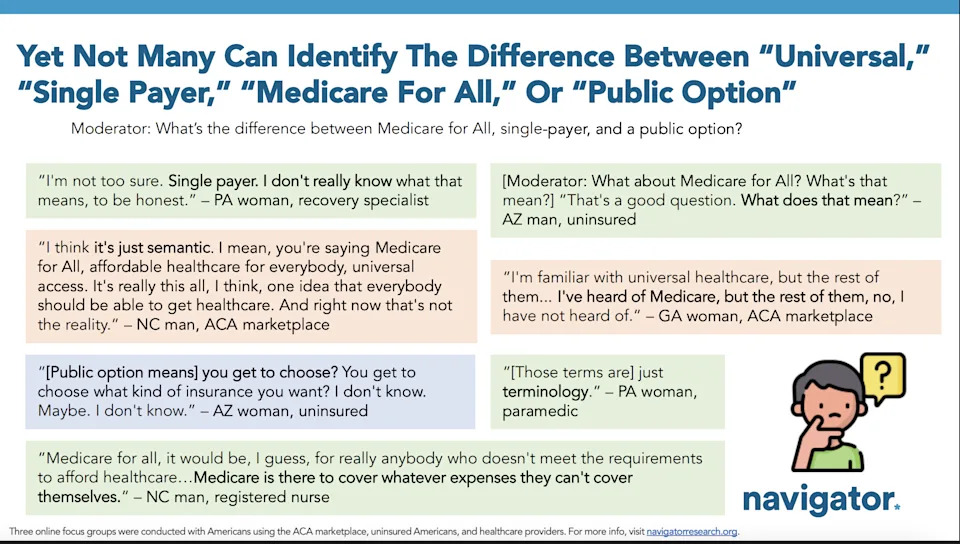
The affordability and availability of health care have surged back onto the national agenda, with voters increasingly worried about rising costs and the risk of losing coverage as federal supports shrink. Recent surveys show broad sympathy for the idea of "Medicare‑for‑all," even as many Americans remain uncertain what the phrase would mean in practice.
What’s Changed
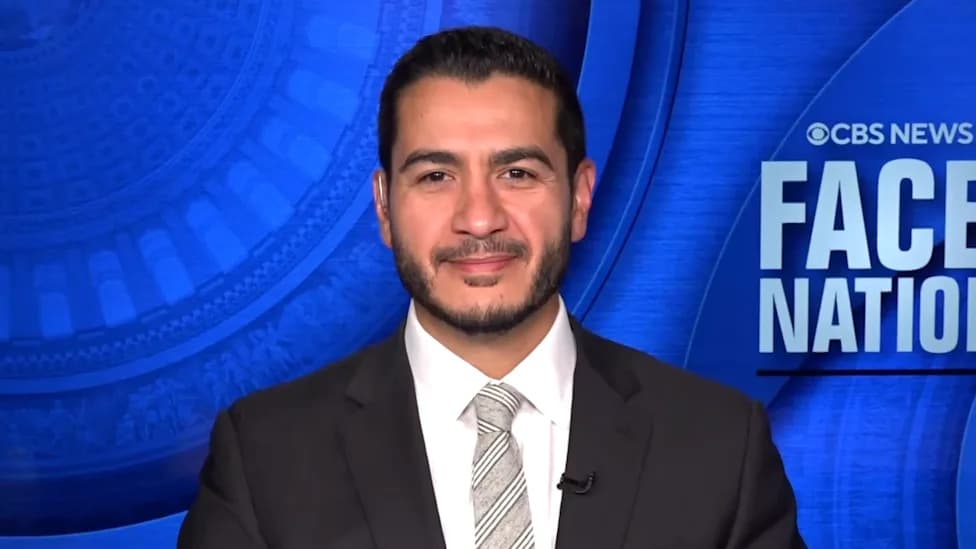
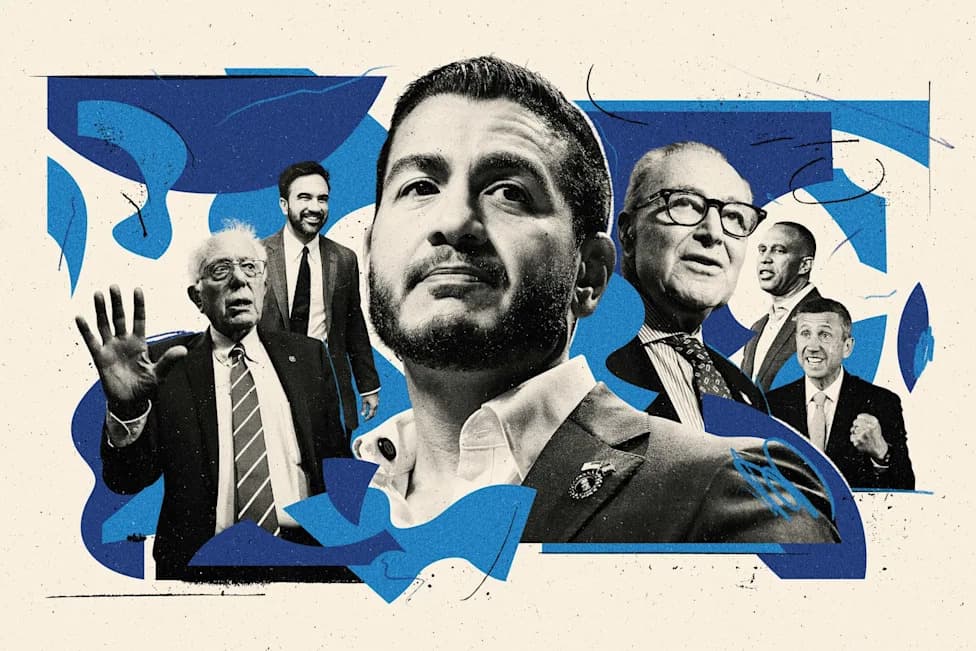
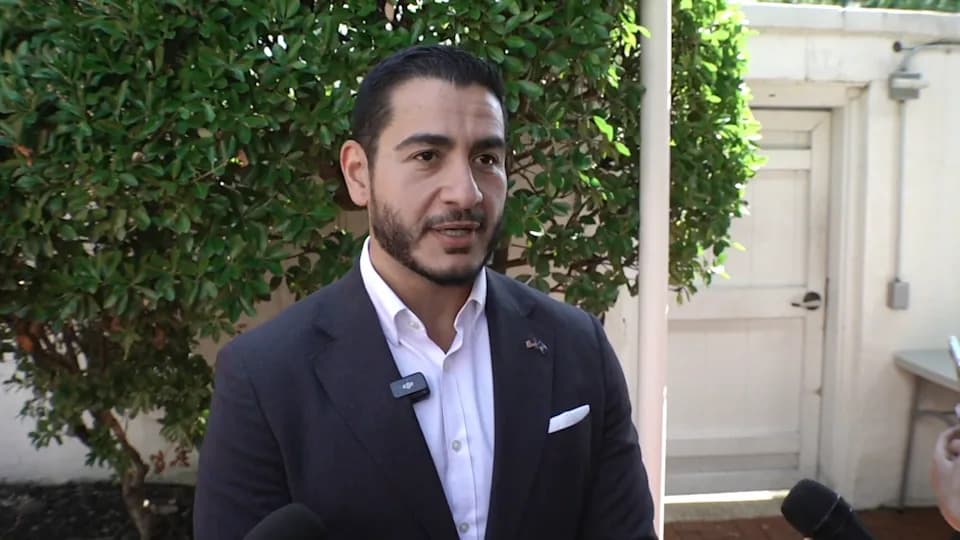
Unlike the bitter intra‑party fights of the 2019–2020 cycle, this moment looks more pragmatic. Progressive candidates who won key primaries have embraced versions of public coverage that preserve private insurance options. Abdul El‑Sayed, a prominent Michigan progressive and author on Medicare‑for‑all, is running for U.S. Senate on a plan that would let people keep private plans — and he has been endorsed by Bernie Sanders and Rep. Alexandria Ocasio‑Cortez.
Voter Views Are Still Mixed
Polls illustrate the confusion: a March 2026 survey found 60% of respondents thought Medicare‑for‑all would be a single‑payer system, yet 61% also believed they would be able to keep their private coverage. Other polling shows support drops when proposals explicitly mention eliminating private or employer plans or funding the program with higher federal taxes.
“People have moved on from messaging; people aren't staking out extreme positions to move the Overton Window,” said Neale Mahoney, a Stanford health‑economics professor advising the Kitchen Table Project. “I think people are very much in the 'what is something that could actually work?' phase.”
Rising Stakes and Urgency
The timing is sharpening political pressure. Insurers have proposed a median 15% increase in premiums on top of roughly a 20% jump this year, and new Medicaid work‑reporting requirements take effect in January — the same month the 2028 campaign season ramps up. Those cost increases and enrollment hurdles are intensifying calls for near‑term relief and durable reforms.
New Policy Options, Less Ideological Heat
Democrats and allied groups are circulating a range of serious proposals: creating public options people can buy, breaking up local health‑care monopolies, expanding public drug manufacturing, tightening hospital regulation, and pursuing policies to lower out‑of‑pocket costs in the short term. Policy experts say the debate has shifted from pure ideology toward practical design questions about what will actually reduce costs and expand coverage.
What Could Break The Truce?
Whether the party sustains this more cooperative approach may hinge on the next presidential primary. If leading progressives and moderates find a durable compromise — for example, a public option designed to grow toward universal coverage — the divisive fights of 2020 may fade. But critics on the left warn that labeling a private‑insurance‑inclusive plan as "Medicare‑for‑all" risks diluting support for deeper change.
As the campaign calendar accelerates, expect more detailed policy proposals and clearer political positioning. The coming months will show whether the party can translate voter frustration into practical, implementable reforms without reigniting old divisions.
Help us improve.