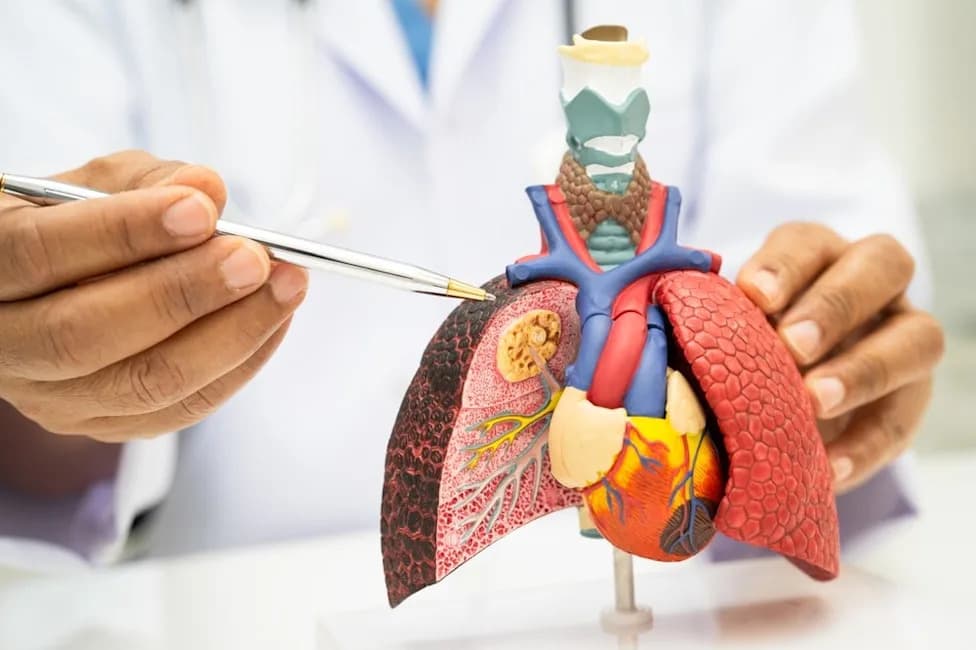
Moderna and Merck reported positive Phase 3 results from the INTerpath-001 trial of intismeran autogene — a personalized mRNA vaccine given with Keytruda — which met its primary endpoint of recurrence-free survival and a key secondary endpoint of distant metastasis-free survival in high-risk melanoma patients after surgery. The vaccine is custom-made from each patient’s tumor mutations and can encode up to 34 targets. If confirmed in other cancers and approved, the approach could change drug development, clinical workflows and investment in precision oncology, though challenges remain around manufacturing, access and reimbursement.
Moderna and Merck’s Personalized mRNA Cancer Vaccine Shows Positive Phase 3 Results — What It Could Mean for U.S. Medicine
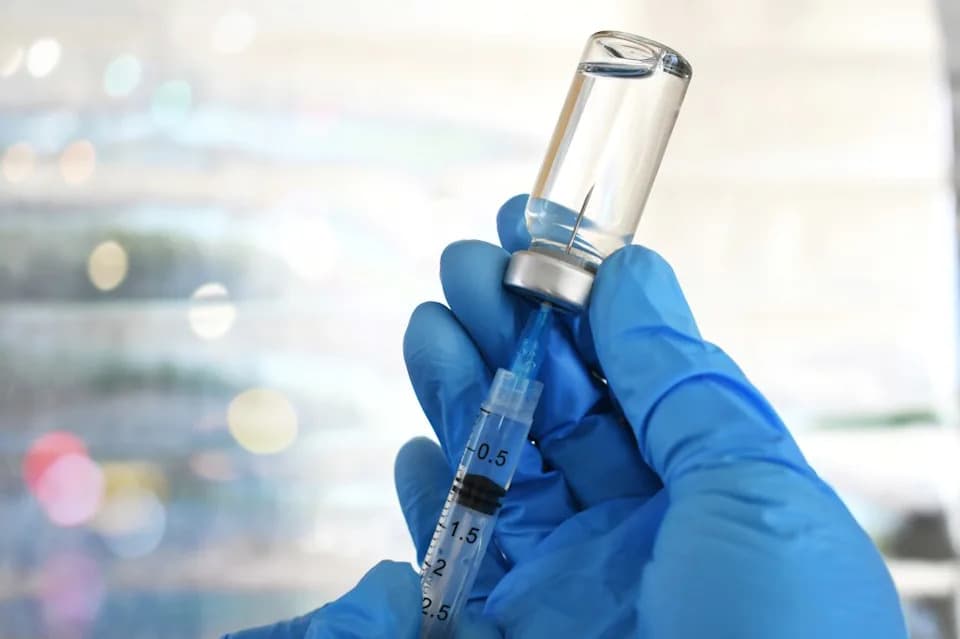
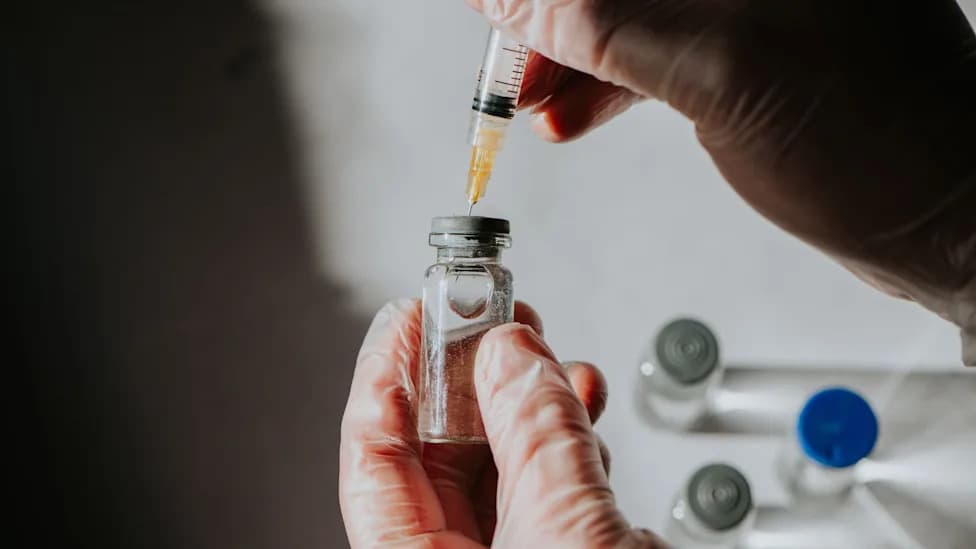
A stock image of a medical professional filling a syringe. Moderna and Merck are studying an mRNA therapy that could help reduce melanoma recurrence.
Moderna and Merck announced that their personalized mRNA cancer vaccine, intismeran autogene, met the primary endpoint of recurrence-free survival and a key secondary endpoint of distant metastasis-free survival in the Phase 3 INTerpath-001 trial in high-risk melanoma patients after tumor resection. The investigational therapy was given alongside Merck’s immunotherapy pembrolizumab (Keytruda).
What the Trial Showed
The INTerpath-001 study demonstrated statistically significant improvements in keeping melanoma patients cancer-free after surgery. Company statements and trial results, which will be presented at an upcoming international medical meeting, describe this as the first positive Phase 3 readout for both an individualized neoantigen therapy and an mRNA-based cancer therapy.
How the Vaccine Works
Intismeran autogene is a personalized vaccine created from each patient’s tumor mutations. Tumor DNA is sequenced, compared with normal DNA, and algorithms select tumor-specific neoantigens. Moderna says the vaccine can encode up to 34 targets tailored to an individual’s tumor, then deliver them as mRNA to prime the immune system to recognize and attack residual cancer cells.
“A vaccine to mobilize the immune system to guard against recurrence would be a gamechanger,” said Dr. Robert Vonderheide, director of the Abramson Cancer Center at Penn Medicine, who commented on the potential significance of the results.
Broader Development and Ongoing Trials
While the positive Phase 3 readout currently applies to melanoma, Moderna and Merck are testing the personalized mRNA approach in other tumor types including non-small cell lung cancer, bladder cancer and kidney cancer. Whether those studies will produce comparable benefits remains under investigation.
Opportunities: Science, AI and Industry Impact
If validated across additional cancers and approved by regulators, personalized neoantigen vaccines could shift oncology toward more bespoke therapies. The approach naturally encourages use of advanced computing and AI to identify mutations and prioritize neoantigens, and it may spur investment in genetic medicine, vaccine platforms and AI-driven drug discovery.
Practical Challenges: Manufacturing, Access and Cost
Personalized vaccines are more complex than traditional off-the-shelf drugs. They require tumor sequencing, individualized manufacturing runs, and coordinated laboratory workflows. Many leading centers conducting these trials are major academic hospitals and specialty cancer centers — raising concerns about equitable access for patients in less-resourced regions.
Cost and reimbursement questions remain unresolved. Although proponents argue that preventing recurrence could reduce downstream healthcare spending (fewer surgeries, hospitalizations, systemic therapies and monitoring), payer coverage decisions, patient eligibility rules and out-of-pocket costs will influence real-world availability.
Political and Public Perception
The success of an mRNA cancer therapy introduces a different public conversation than the COVID-19 pandemic: a therapy intended to prevent cancer recurrence in people who have already had surgery. The result could both broaden acceptance of mRNA platforms and reawaken debate among vaccine-skeptical groups.
Market Reaction
Investors reacted quickly: Moderna shares rose on the announcement, reflecting optimism that the personalized platform might be applied beyond melanoma. Analysts note that positive results across multiple tumor types could trigger a wave of investment in biotech, genetic medicine and AI-enabled drug discovery.
What Comes Next
Moderna has indicated that, pending regulatory feedback, intismeran could become available as soon as next year. However, many scientific, logistical, regulatory and economic questions must be resolved before personalized cancer vaccines become widely available, including confirmatory trial results, long-term survival data, manufacturing scale-up, and reimbursement pathways.
Bottom line: The INTerpath-001 results represent an important proof of concept for personalized neoantigen mRNA vaccines in melanoma. They open the door to a new therapeutic model, but broad clinical adoption will depend on confirmatory evidence, regulatory review, manufacturing solutions and payer policies.
Help us improve.