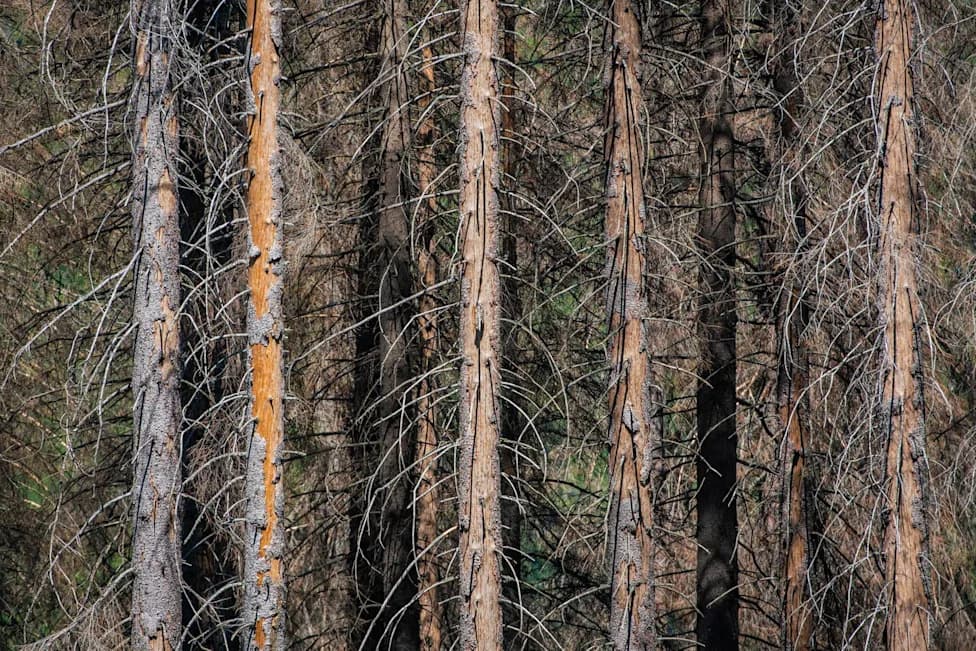
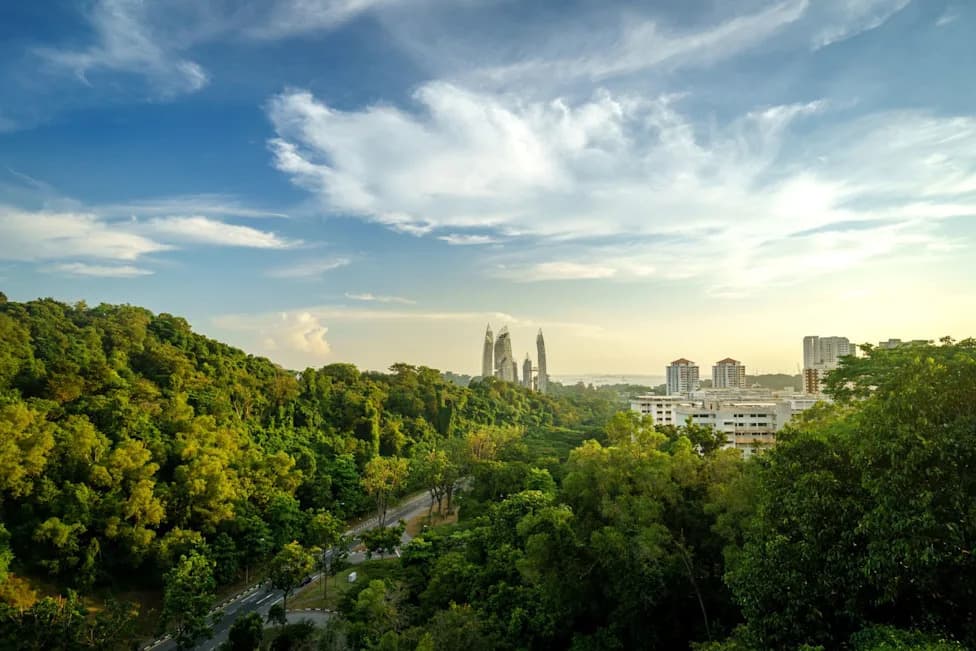
Norway maples planted as a World War I memorial along 16th Street NW in 1920 have spread into Rock Creek Park and now occupy nearly 30% of its interior forest, according to National Park Service estimates. Originally chosen for urban hardiness, the species has outcompeted native saplings and reduced local biodiversity in affected areas. Park managers and researchers recommend mapping infestations, removing invasive trees, and replanting with regionally appropriate native species to restore forest health.
WWI Memorial Maples Spread Into Rock Creek Park, Reshaping Its Urban Forest
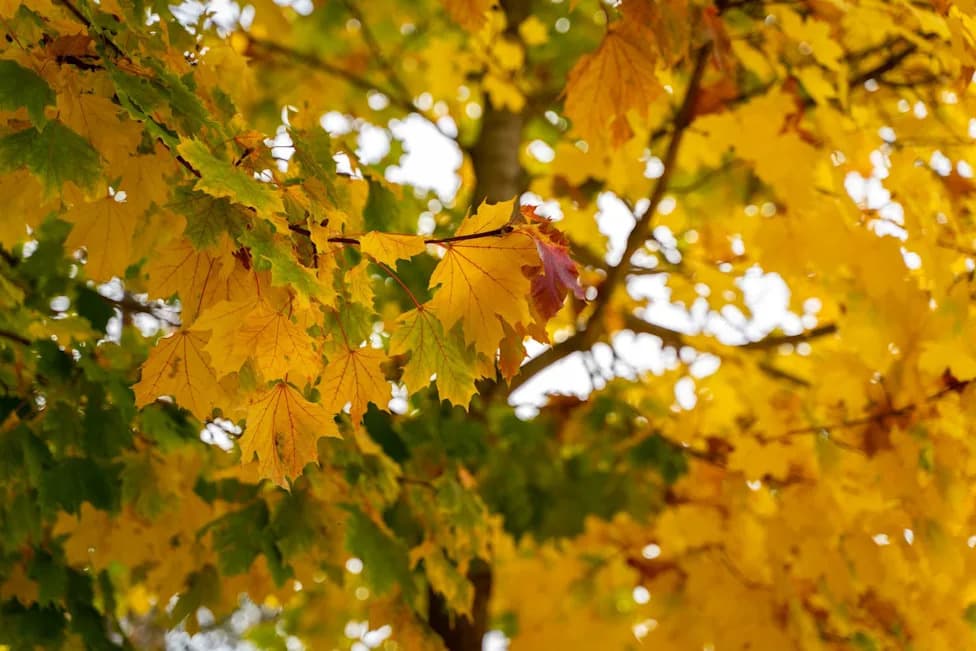
Photo Credit: iStock
What began as a solemn World War I memorial along 16th Street NW has become an ecological challenge for Rock Creek Park. Norway maples (Acer platanoides) planted in 1920 to honor Washington, D.C., residents who died in the war have spread from the roadside into the park’s interior, altering the composition and biodiversity of the forest.
From Tribute to Invasion
The original planting on Memorial Day, May 30, 1920, included 507 Norway maples set out between Alaska Avenue and Allison Street NW. By early 1922 the memorial counted 530 trees and markers after 23 additional dedications made to include people omitted from the first tribute. The Norway maple was chosen for its tolerance of harsh urban conditions and its ability to establish quickly as a dependable shade tree.
How the Trees Spread
Those same traits—hardiness and rapid establishment—made the species difficult to contain. The memorial plantings lined the eastern edge of Rock Creek Park, so wind could carry seeds directly into the forest. Even as some roadside specimens declined, offspring that had established inside the park continued to reproduce, enabling the species to expand its reach.
Ecological Impacts
The National Park Service now classifies Norway maple as a highly invasive species in Rock Creek Park because it can outcompete native vegetation and shift the forest’s composition. The park comprises roughly 1,754 acres of urban forest, providing wildlife habitat and cleaner air in the middle of a dense city. According to NPS estimates cited by The Economic Times, Norway maple has spread into nearly 30% of the park’s interior forest.
Research from the 1960s and 1990s found that areas dominated by Norway maple had reduced biodiversity—fewer locally established saplings and lower species richness—compared with areas beneath native trees such as sugar maple and American beech.
Fewer native plants can weaken habitat for insects and birds, reduce forest resilience to stressors, and diminish the park’s value as a healthy green space for nearby communities.
Managing The Problem
Effective management begins with mapping where Norway maple and other nonnative trees have established and preventing further spread. Removing invasive specimens and replanting with regionally appropriate native species can, over time, restore healthier forest layers, support native wildlife, and improve long-term ecosystem resilience. Choosing locally suitable trees for urban canopy projects helps cities expand green cover without creating new ecological problems.
Legacy Note: The WWI memorial remains an important historical tribute; addressing the ecological consequences of the plantings can balance commemoration with stewardship of the city’s natural resources.
Help us improve.