ABC has asked a federal judge for an expedited hearing — as soon as this Friday — to block the FCC’s early-renewal process for eight station licenses, calling the move retaliatory and a threat to free speech. The FCC called ABC’s schedule “highly expedited,” plans to move to dismiss, and argues the D.C. Circuit, not the district court, has jurisdiction. The dispute puts timing, jurisdiction and whether administrative remedies must be exhausted at the center of a high-profile First Amendment test case.
ABC Seeks Emergency Hearing To Block FCC’s Early License Renewals; Agencies Clash Over Jurisdiction
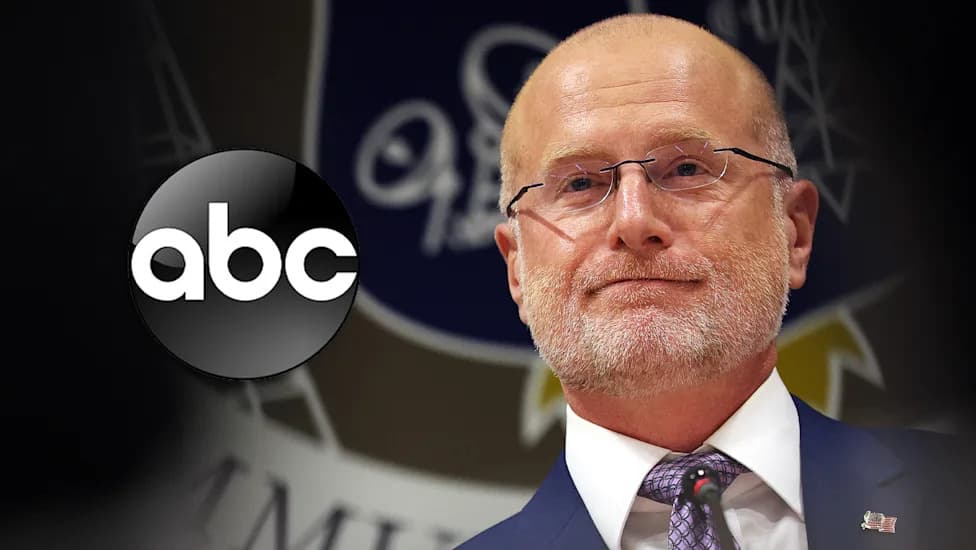
ABC And FCC Duel Over Court Jurisdiction And Timing In Latest Filing In Network’s First Amendment Case
ABC asked a federal district court for an expedited hearing — as soon as this Friday — on a temporary restraining order in its First Amendment lawsuit against the Federal Communications Commission, arguing the agency’s move to require early renewals for eight broadcast station licenses is unprecedented and retaliatory.
The competing timetables were detailed Thursday in a joint status report filed at the request of U.S. District Judge Loren L. AliKhan, who directed the parties to update the court on scheduling. ABC proposed hearing dates this Friday or on Aug. 24–25; the FCC said its counsel would be available on those dates.
Dispute Over Timing And Proper Court
The FCC characterized ABC’s timeline as “highly expedited,” and proposed a more measured briefing schedule next month. The agency also said it intends to file a motion to dismiss, arguing that the D.C. Circuit Court of Appeals—rather than the district court—has jurisdiction over the matter and that ABC must allow the agency’s administrative process to play out before seeking judicial relief.
“Although framed as a First Amendment retaliation claim, Plaintiffs' chief concern appears to be the Commission's exercise of its statutory authority to ensure that broadcast licensees operate in the public interest,” FCC lawyers wrote, noting that an administrative process could include a hearing on license qualifications and only hypothetically lead to license revocations.
ABC’s Position
ABC’s complaint, filed Tuesday, contends the FCC’s directive to renew early for eight of its stations is part of a broader pattern of using regulatory power to penalize news and content unfavorable to the Trump administration. The network asked the district court to halt renewal proceedings with a temporary restraining order, saying the process chills its free-speech rights and causes irreparable harm.
ABC’s attorneys told the court they filed in advance of an expected FCC decision to designate the renewals for an administrative hearing — a potentially lengthy proceeding that would increase uncertainty about whether the stations’ licenses could ultimately be revoked.
“We have raised a textbook First Amendment retaliation claim,” ABC’s filing said, adding that courts in the district have recognized such claims belong in federal court rather than before the agency accused of retaliation.
The network also warned that the FCC’s plan to notify the court 48 hours before issuing a hearing designation effectively threatens “draconian sanctions” on short notice while leaving the specter of other retaliatory actions in place.
FCC Response
The FCC rejected ABC’s characterization, saying a hearing designation would not be a sanction but the initiation of an additional administrative process in which the network would have an opportunity to make its case.
With both sides now before Judge AliKhan, the immediate dispute centers on whether the court will entertain an emergency TRO hearing this week or defer until the agency’s administrative remedies and potential appeal pathway through the D.C. Circuit are resolved.
Why it matters: The case tests the boundaries between agency process and federal-court review and could affect how broadcasters challenge regulatory decisions they view as targeting journalistic content or viewpoint.
Help us improve.