Researchers identified a previously unknown tiny red seaweed off Cornwall after divers recovered live fragments from ancient maerl beds and confirmed the species with DNA sequencing. The BBC filmed a specimen bearing tetrasporangia — reproductive structures not previously seen on this species — and the surveys also recorded several other rare algae. Natural England and partners are mapping and protecting extensive maerl habitats that support biodiversity, nurseries for juvenile fish and shellfish, and carbon storage.
Tiny Red Seaweed Found Off Cornwall Solves 40-Year Marine Mystery
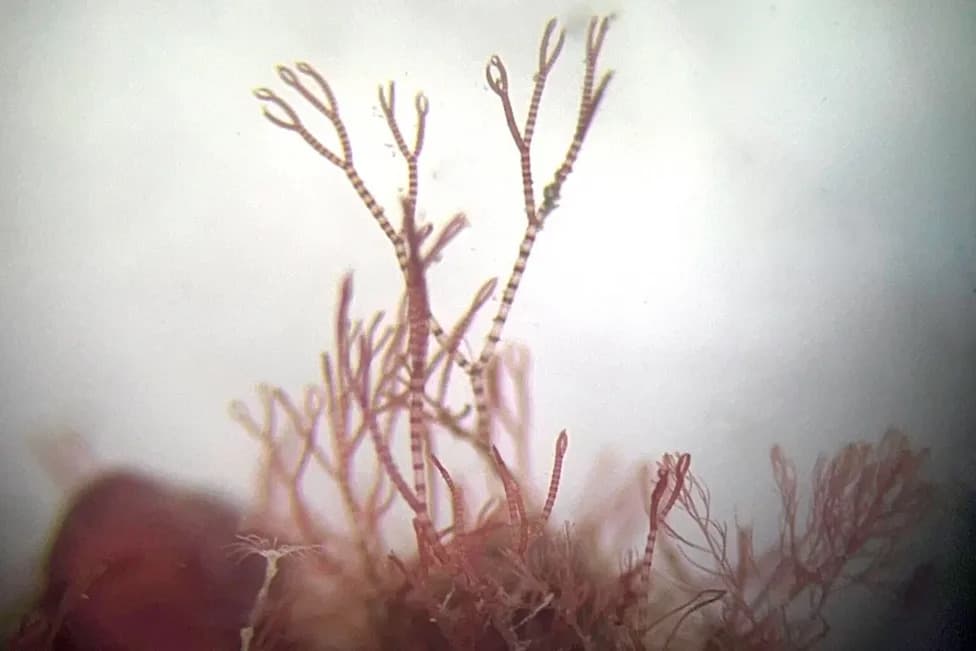
Photo Credit: Francis Bunker
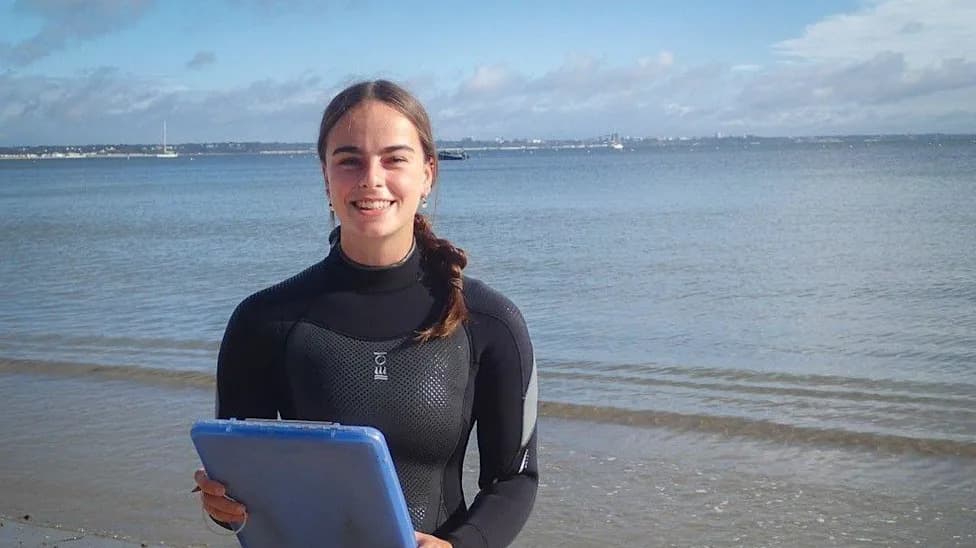
A tiny red seaweed discovered in Cornwall's ancient maerl beds has solved a marine puzzle that puzzled scientists for roughly 40 years. Divers from Natural England recovered living fragments, which were grown in the lab and identified through DNA sequencing as a species new to science.
Discovery And Identification
During surveys along Cornwall's south coast, Natural England's marine dive team recorded a minute Ceramium specimen — a group commonly called pincer weed — only a few millimetres across. Divers returned live fragments to the laboratory, cultivated them, and performed DNA analysis. Genetic results confirmed the alga represents an entirely new species.
The BBC, which was filming the surveys, captured another important detail: one specimen bore tetrasporangia, reproductive structures not previously documented for this newly identified species. That observation strengthens the species description and provides insight into its life cycle.
Other Notable Finds
These same surveys also recorded several other rare or little-seen algae in U.K. waters: Ulva rigida (a green sea lettuce not yet confirmed in the U.K.), Neofolia rosea (previously recorded in Britain only once) and Bonnemaisonia clavata (a delicate red alga absent from British records since the 18th century).
Maerl Beds: Ancient, Fragile, Biodiverse
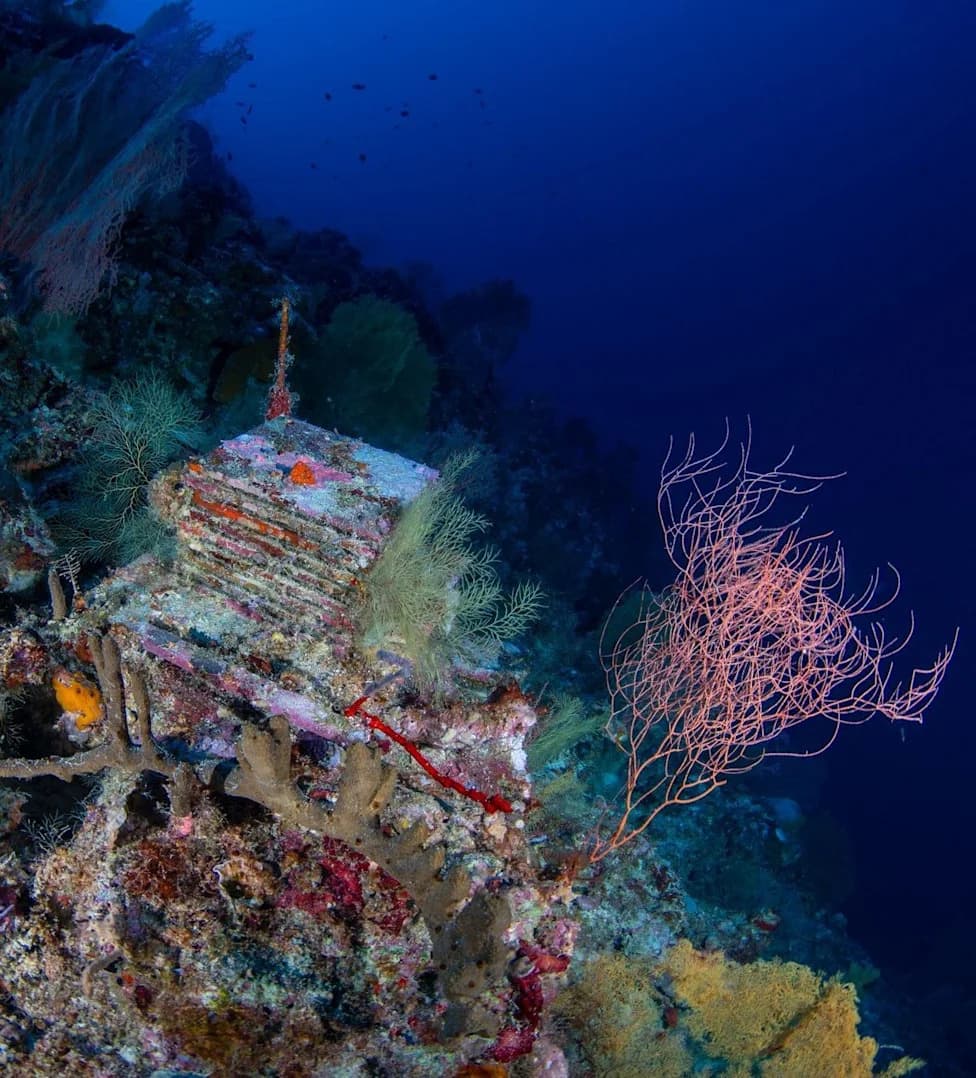
All of these discoveries were made within maerl beds — dense carpets of free-living calcified red algae known as rhodoliths. Their pink, branching structures carpet the seabed and create complex habitats for marine life. Maerl grows extremely slowly (about 0.02 inches per year, roughly 0.5 mm/year) and some deposits in the Fal Estuary are estimated to be up to 4,000 years old.
Scientists have recorded more than 380 species on the surface of these beds and expect many more species to live inside or visit them seasonally. Maerl beds act as nursery areas for juvenile fish and shellfish, underpin wider food webs, and contribute to carbon storage in seabed sediments.
Conservation And Next Steps
Natural England has been working with partner organisations since 2023 to map and protect Cornwall's maerl habitats. Recent surveys have revealed extensive maerl areas previously unrecorded within and around the Falmouth Bay to St Austell Bay Special Protection Area. The emerging conservation plan prioritises monitoring, improving water quality, promoting sustainable fishing practices, researching habitat restoration, and increased public engagement.
Why It Matters: The find highlights how much remains undiscovered even in relatively well-studied U.K. waters, and it underscores the conservation value of ancient maerl beds for biodiversity, coastal resilience, and carbon storage.
Help us improve.