The invasive Joro spider, first recorded in Georgia in 2014, is appearing again across parts of the U.S. Southeast but is considered largely harmless to people. Adult females are yellow with bluish-green stripes (about 1" body, 4" leg span); juveniles can travel long distances by "ballooning." Researchers urge photographing and reporting sightings via iNaturalist or [email protected] to help map its spread. A recent controlled study found bites to be rare and typically mild.
Spotted a Joro Spider? How To Identify, Report, and Stay Safe
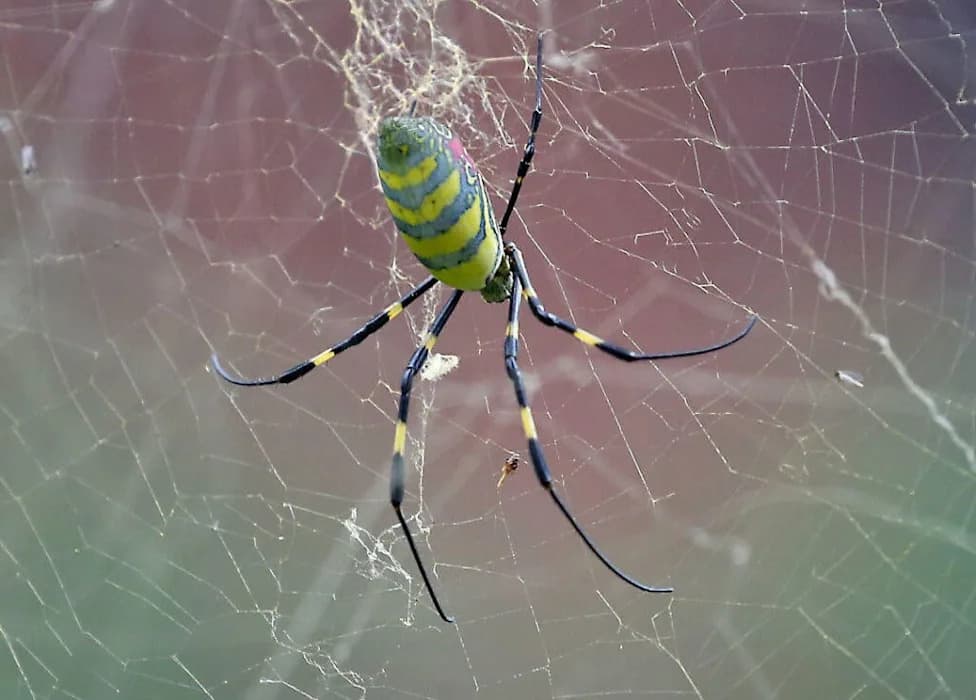
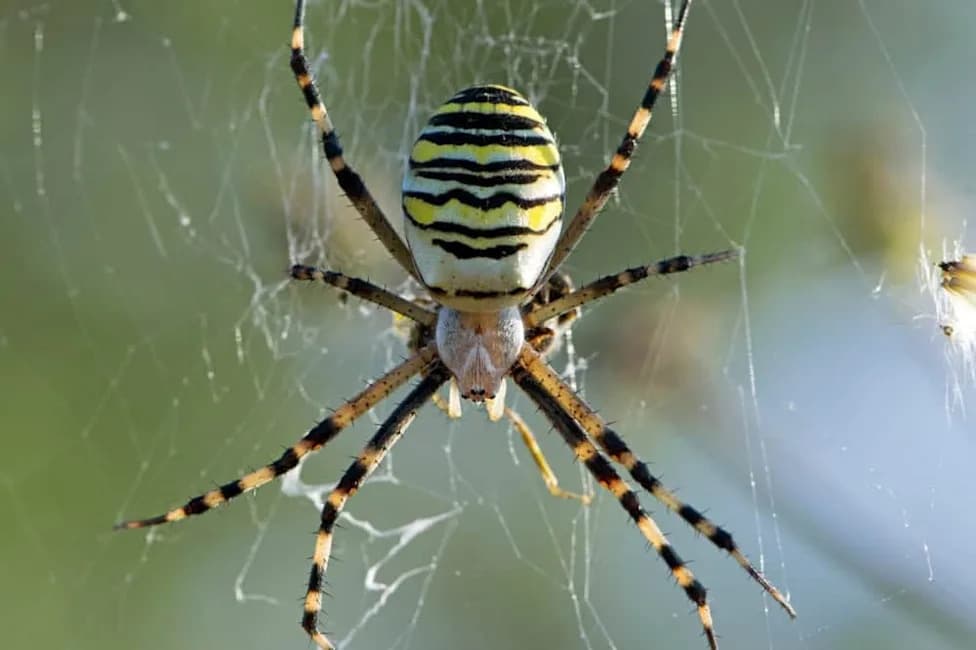
Adult female Joro spiders are yellow with bluish-green stripes and black and yellow legs. / Credit: Stuart Cahill/Boston Herald via Getty Images
The large, startling Joro spider — an invasive orb-weaver capable of spinning very large webs — is reappearing across parts of the U.S. Southeast, but researchers say it poses little danger to people.
First recorded in Georgia in 2014, the species (native to East Asia) has since been reported in more than a dozen states. This year, public sightings have come from Georgia, the Carolinas, Tennessee and Alabama.
How To Recognize a Joro Spider
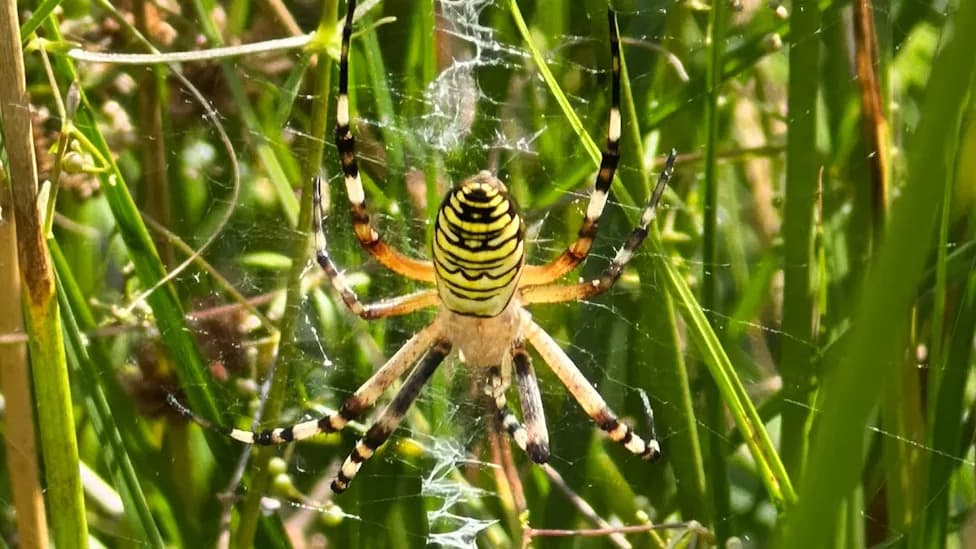
Adult females are distinctive: yellow bodies with bluish-green longitudinal stripes and black-and-yellow patterned legs. A mature female's body can reach about 1 inch in length, with a leg span of roughly 4 inches. Males are smaller and generally brown.
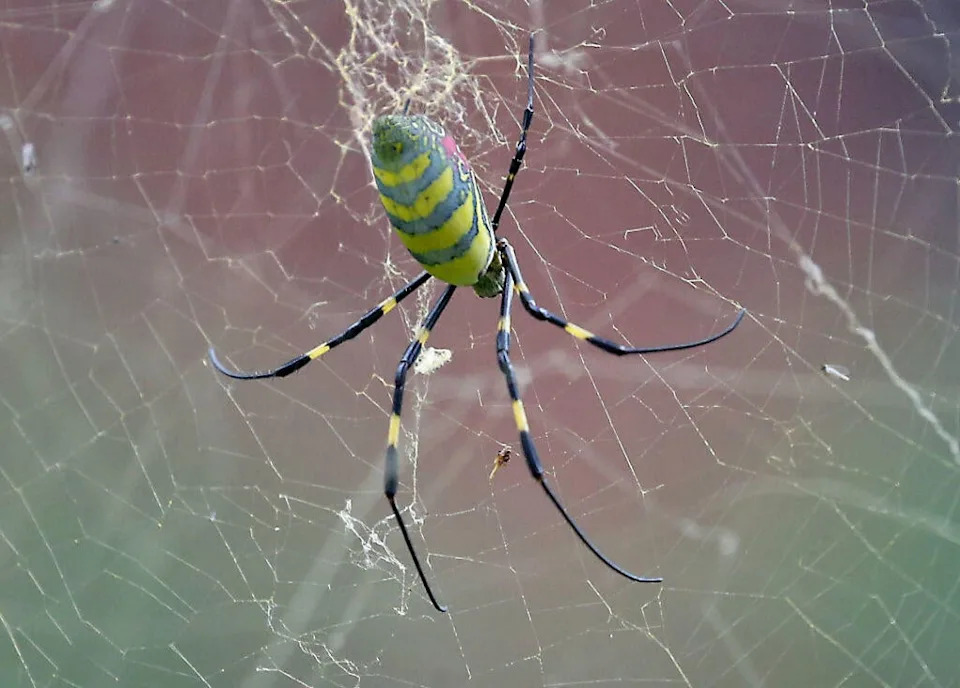
Adult female Joro spiders are yellow with bluish-green stripes and black and yellow legs. / Credit: Stuart Cahill/Boston Herald via Getty Images
Movement and Behavior
Although sometimes described as "flying" spiders, large adults do not soar. Only juveniles use a dispersal behavior called ballooning, releasing fine silk threads that catch the wind and can carry them long distances — a tactic shared by many spider species.
Risk to People and Property
Researchers report Joro spiders rarely bite humans. A controlled study published in the Journal of Medical Entomology found spiders usually moved away from people, and bites were extremely uncommon, typically occurring only when spiders were forcibly restrained. Reported bites produced low pain and localized, short-lived symptoms.
Joro spiders appear to provide natural pest control and have not been linked to significant crop or tree damage. They seldom enter homes but can build very large outdoor webs — in some cases up to about 10 feet (3 meters) across — attached to houses, porches or other structures.
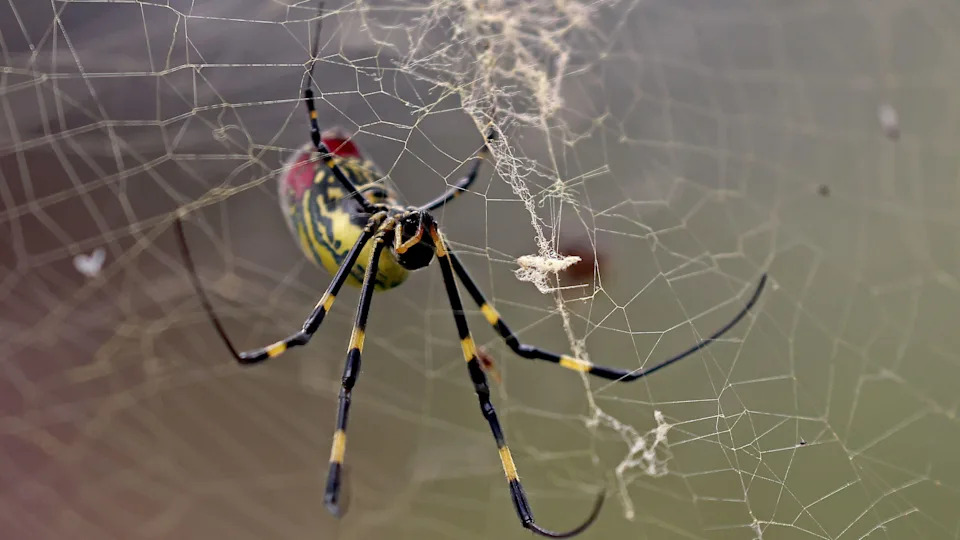
A Joro spider on Boston's Beacon Hill / Credit: Stuart Cahill/Boston Herald via Getty Images
What To Do If You See One
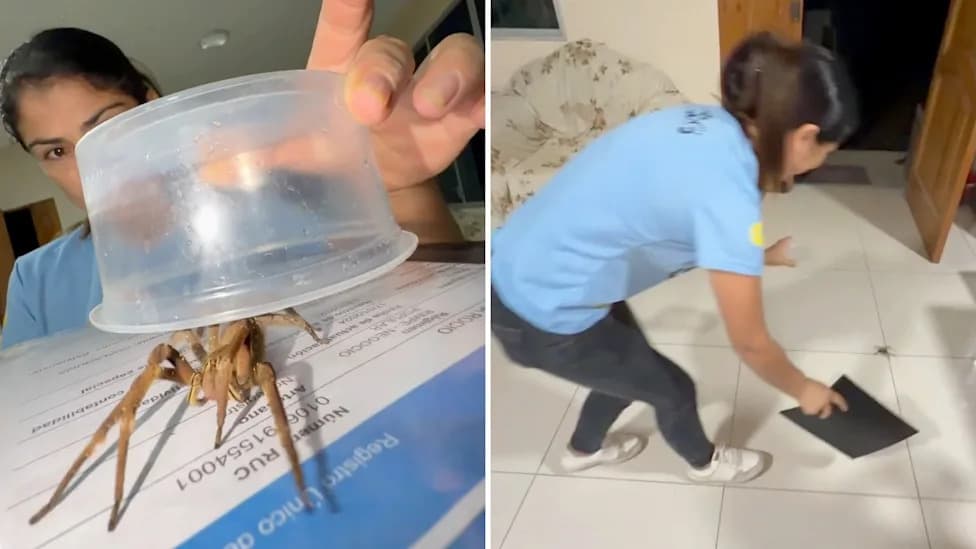
If a Joro web is a nuisance, experts recommend gently relocating the spider and its web using a broom or long stick, moving them well away from doors, windows and high-traffic areas. In national parks and many protected areas, do not disturb wildlife: it is illegal and also risks harming native species.
The invasive joro spider has been slowly spreading through the Smokies, and we need your help to track its whereabouts.
How To Report Sightings
Public reports help researchers map the species' spread and study its ecological impacts. If you encounter a Joro, photograph it (a clear close-up and a wider shot showing habitat), note the location and date, and submit the observation via the iNaturalist app or website. For sightings in the Great Smoky Mountains National Park, email [email protected] with your photos and location details.
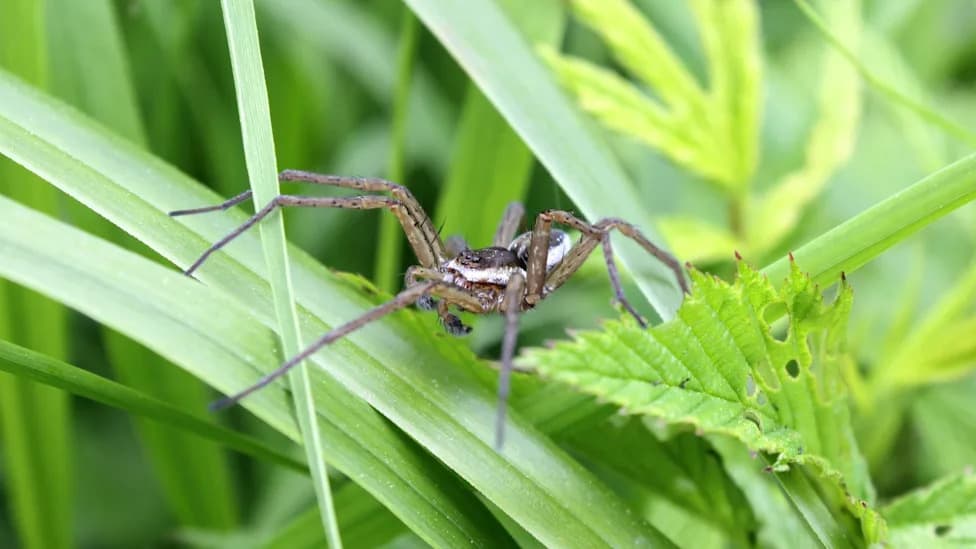
Be cautious when identifying spiders: several native orb-weavers resemble Joro spiders, and misidentifications are common. Researchers are actively studying how Joro spiders interact with native orb-weaver species and whether they alter local ecosystems.
For more information, follow updates from local parks, state wildlife agencies, and university research teams tracking the Joro spider's spread.
Help us improve.