Europe's record heat and drought are forcing some nuclear reactors to cut output or risk shutdowns because rivers used for cooling are too low. Hungary's 2 GW Paks plant nearly powered down after the Danube fell, threatening nearly half the country's electricity; Romania may idle its only reactor, and France's nuclear output has dropped about 20% amid drought and jellyfish clogging intakes. Emergency measures — including rock placement in the Danube and explosive redirection of flows — highlight the need for more resilient, diversified grids and cooling systems.
Europe Heatwave Forces Nuclear Reactors To Cut Output As Rivers Run Too Low For Cooling
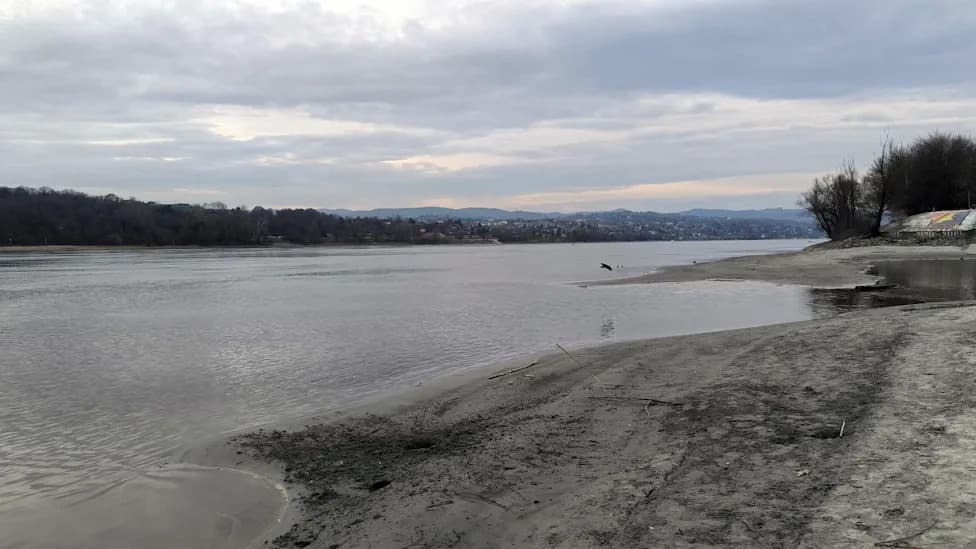
Photo Credit: iStock
Europe's record-breaking heat and prolonged drought are straining the continent's electricity system in an unexpected way: nuclear reactors — which generate large amounts of low-carbon power — depend on abundant water for cooling, and shrinking rivers are forcing some plants to throttle output or face shutdowns.
Rivers Too Low To Cool Reactors
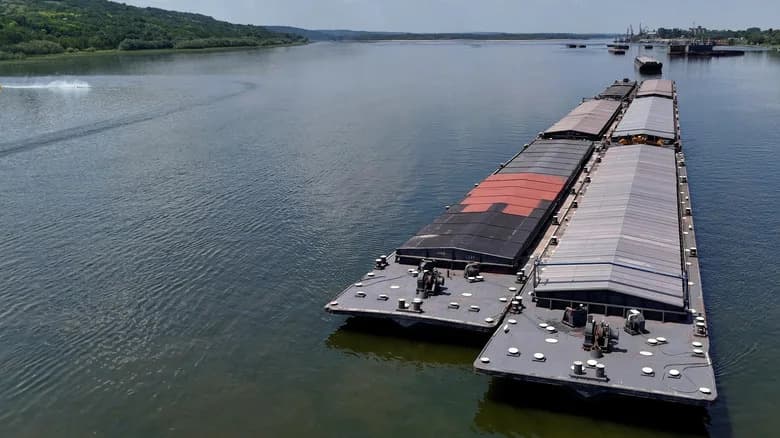
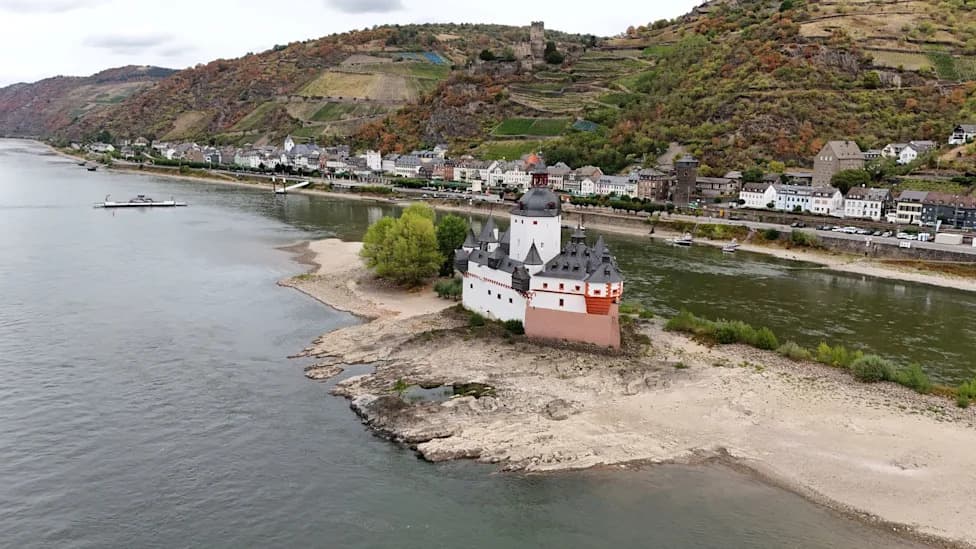
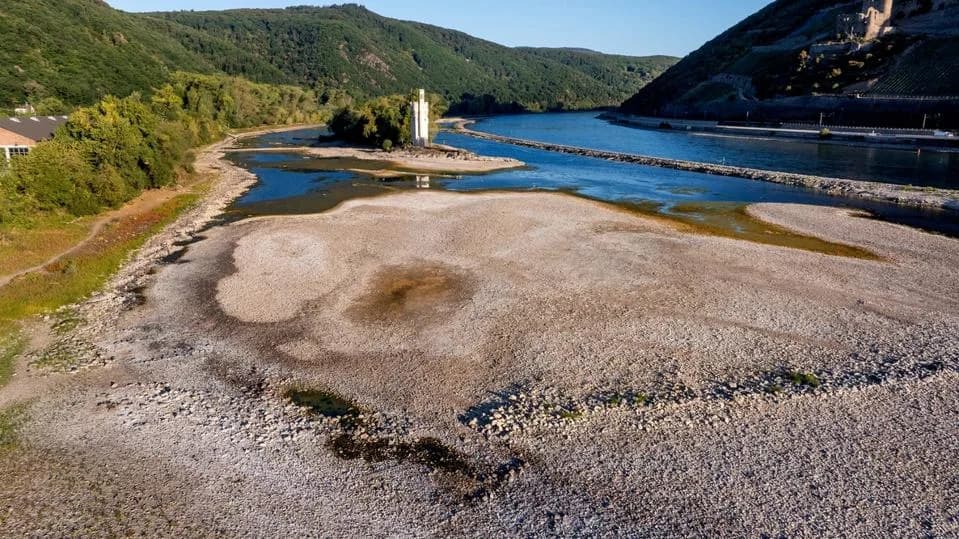
With river levels across Europe at unusually low points, several nuclear units have been compelled to scale back generation and could be taken offline if conditions worsen, according to reporting from Futurism and Deutsche Welle. Operators cut output to protect equipment and avoid discharging excessively warm water that would harm aquatic ecosystems.
Where The Problem Is Hitting Hardest
Hungary: The 2-gigawatt Paks nuclear plant was pushed to an almost complete power reduction after the Danube fell too low to reliably supply cooling water. Paks typically provides nearly half of Hungary's annual electricity, so prolonged disruption could ripple across the national grid.
Romania: The national operator warned it may have to idle the country's only reactor if cooling water cannot be assured. Authorities took emergency steps to redirect river flows to the plant's intakes.
France: Nuclear generation has fallen by roughly 20% in part because drought has lowered intake flows and, separately, recurring jellyfish blooms have clogged cooling intakes at coastal plants.
Emergency Responses And Environmental Trade-Offs
To keep reactors running, officials have resorted to dramatic measures. Hungarian crews deposited roughly 190,000 cubic yards (about 145,000 cubic meters) of rock into the Danube riverbed to slow currents and retain water upstream for cooling. Romanian authorities detonated about 397 pounds (180 kilograms) of explosives to redirect Danube flows toward cooling intakes.
These emergency fixes underscore hard choices: operators must balance keeping power flowing with protecting river ecosystems and complying with temperature-discharge limits designed to prevent environmental harm.
What This Means For Energy Systems
Lower nuclear output tightens electricity supplies and can push up prices just as heat waves drive surges in demand for air conditioning and cooling — amplifying stress on grids. The events do not erase nuclear power's role as a low-carbon energy source, but they highlight a climate vulnerability: even low-emission technologies can be compromised by extreme heat and water scarcity.
Experts say the episode strengthens the case for more resilient, diversified grids and for planning plants and cooling systems that tolerate hotter, drier conditions — for example, by using alternative cooling technologies, siting new capacity thoughtfully, and diversifying energy mixes.
Bottom line: Europe’s heatwave is a reminder that energy infrastructure must be designed and managed for a warmer future. Policymakers and operators will need to weigh short-term emergency measures against longer-term upgrades to make low-carbon power sources more climate-resilient.
Help us improve.