The DSA is facing fallout after national co-chair Megan Romer's viral New Yorker interview, which many media outlets and some members called a public-relations misstep. While supporters praised her defense of socialist principles, critics said she appeared unprepared on concrete policy details and reignited factional tensions—especially over Palestine. The organization has moved to hire a national press coordinator, but removing Romer would require a two-thirds NPC vote and is unlikely before her term ends.
Viral Interview Puts DSA Co-Chair Megan Romer Under Scrutiny
The DSA Reckons With a Leader Going Viral for All the Wrong Reasons
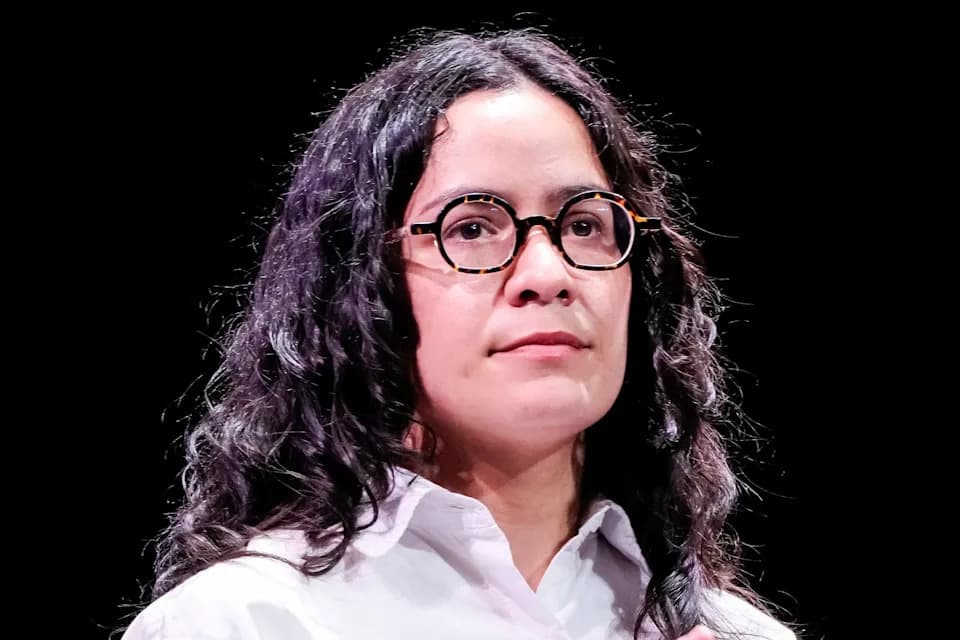
The Democratic Socialists of America (DSA) is navigating a wave of criticism and internal debate after national co-chair Megan Romer's widely shared interview with New Yorker editor David Remnick. The exchange quickly became a flashpoint for outside media outlets and for DSA members wrestling with how the organization presents its views to a broad public.
What Happened
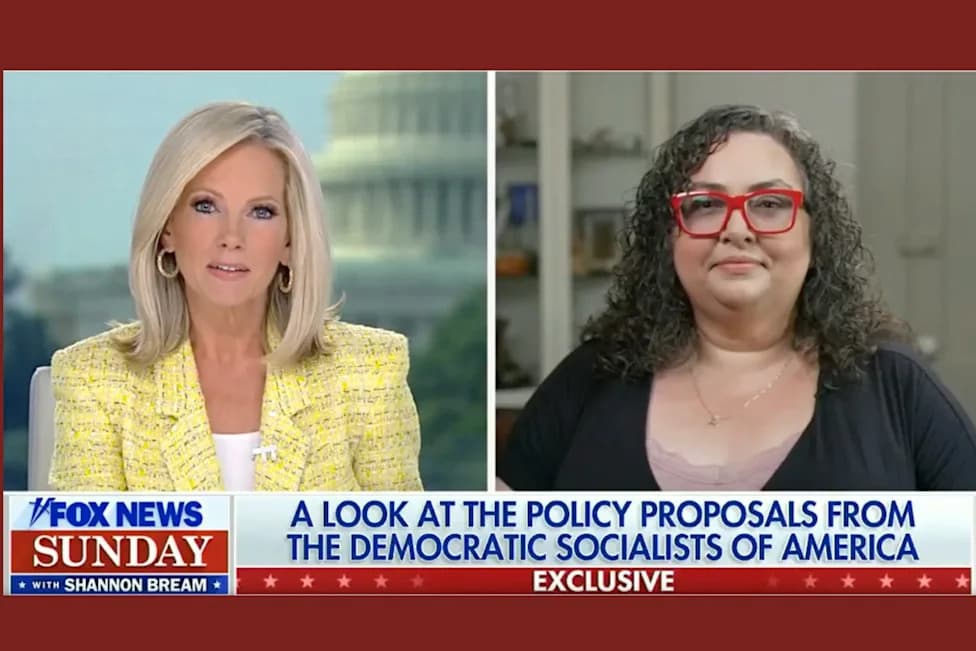
Romer's sit-down with Remnick drew harsh headlines from mainstream and right-leaning outlets, which framed the conversation as a public-relations setback for the DSA. The interview followed another viral moment weeks earlier on Fox News, where Romer answered rapid-fire hypotheticals with short affirmatives—responses that critics said made her appear unprepared for sustained media scrutiny.
Public And Internal Reactions
Outside reactions were swift. The New York Post said she "appeared clueless," The Forward questioned whether the DSA's goals were clear, and other outlets described the interview as confusing or damaging. Within the DSA, responses were mixed: some members defended Romer's framing of socialism, while others said her answers handed critics easy fodder and undermined the group's messaging.
"People from all across the political left have been messaging me and some others, begging us to take her off the air," a DSA leader told reporters.
Points Of Contention
Several moments raised particular concern. Romer said she "probably would have" attended a controversial pro-Palestinian rally in New York on October 8, 2023, a remark that reignited debate about the DSA’s stance on Palestine and how the organization handled the October demonstrations. Critics pointed to Romer's membership in Red Star, a Marxist-Leninist caucus with a strongly pro-Palestine posture, as evidence of ideological divides that complicate national messaging.
Another viral clip showed Romer struggling to provide a concrete policy figure after saying she supported "taxing the hell out of millionaires," when pressed by Remnick for specifics. For many members, that exchange undercut efforts to present practical, vote-winning socialist policies to a broader audience.
Factions And Organizational Dynamics
The DSA remains a plural organization: its ranks include social democrats, democratic socialists, and more radical currents. Internal caucuses—Red Star on the left and groups such as the Socialist Majority Caucus (SMC) and Groundwork on the more moderate flank—have clashed over endorsements and messaging. Those tensions surfaced during debates over the conditional endorsement (and subsequent withdrawal) of Representative Alexandria Ocasio-Cortez in 2024, decisions influenced in part by concerns about Palestinian policy commitments.
Response And Next Steps
Four days after the New Yorker interview, the DSA announced it would hire its first national press coordinator, signaling an institutional push to professionalize communications and reduce the burden on volunteer leaders. Removing a sitting co-chair before her term ends would require a two-thirds vote of the National Political Committee (NPC), and Romer retains significant support from some caucuses and leaders—making an early ouster unlikely.
As one regional leader put it, many members are wary of fueling a media cycle that magnifies internal disagreements at a time when the organization is also expanding its political influence. For now, the DSA is balancing calls for clearer public messaging with the realities of an ideologically diverse membership adapting to a far higher media profile.
Key Quotes
"There's a tension between wanting to appear reasonable and trying to win people over without moving away from what DSA actually believes," City & State reporter Peter Sterne said.
Bottom Line: The controversy underscores how rapid growth and internal diversity have made national representation a delicate task for the DSA—and why improved media strategy is now a top priority.
Help us improve.