The rusting hull of the 1913 steam tug Slovenian — nicknamed "Sava's Titanic" — has re-emerged from the Sava River near Sremska Mitrovica as Europe faces a widespread drought. The appearance of the tug, which sank after hitting a mine in April 1945, coincides with similarly low river levels that have revealed warships, mammoth bones and ancient bridges. Experts warn that climate-driven heat and dry spells are increasing in frequency, disrupting trade, energy and local lives across the continent.
Century-Old Tug 'Sava's Titanic' Resurfaces as Europe’s Drought Reveals River Relics
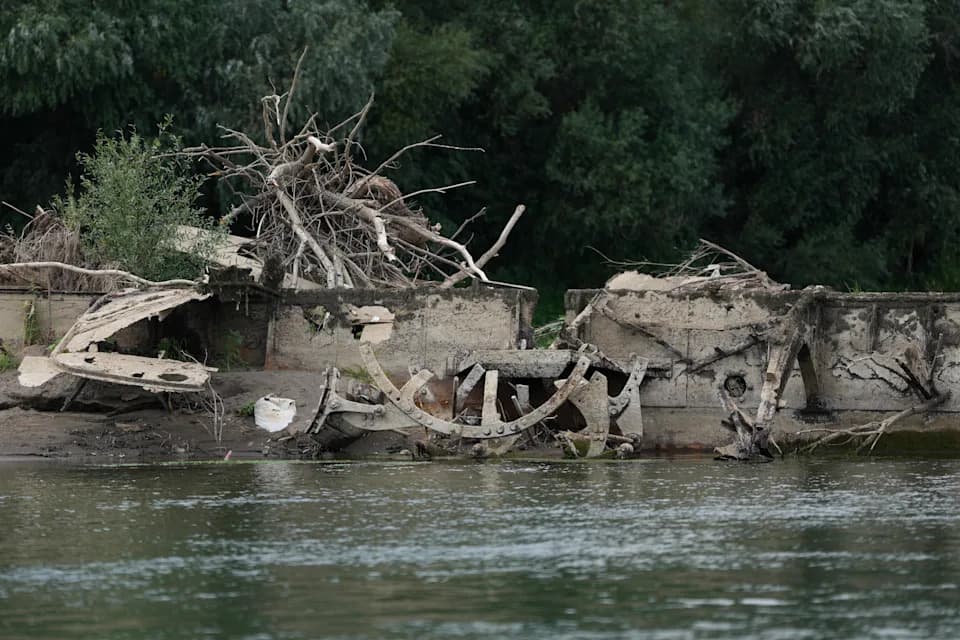
The wreckage of an old steamboat, known as the Slovenian, is visible due to the low level of the Sava River near the town of Sremska Mitrovica, northwest of the capital Belgrade, Serbia, Aug. 18, 2026. / Credit: AP Photo/Darko Vojinovic
The rusting hull of a century-old steam tug, once known as the Slovenian and nicknamed "Sava's Titanic" by local media, has reappeared from the Sava River near Sremska Mitrovica, Serbia, as prolonged heat and drought shrink waterways across Europe.
Local Interest in a Long-Submerged Vessel
The 1913 tug — built in a Budapest shipyard when the city was part of the Austro-Hungarian Empire — surfaced earlier this month about 45 miles (72 km) northwest of Belgrade. The roughly 177-foot vessel was originally named Vag (Vág in Hungarian), after the Váh river in present-day Slovakia, and hauled heavy cargo along the Danube with a steam engine.
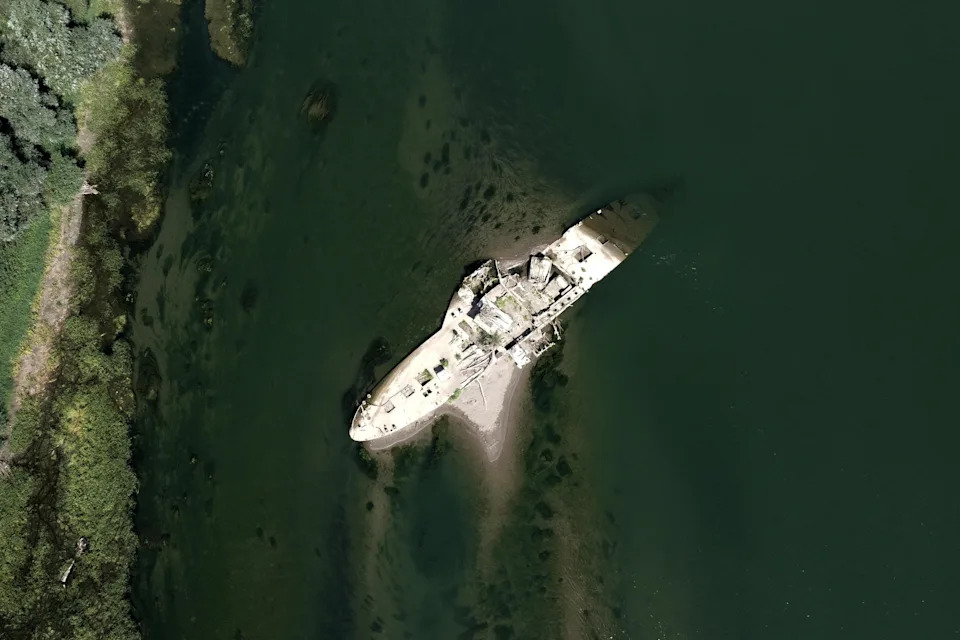
The wreckage of an old steamboat, known as the Slovenian, is visible due to the low level of the Sava River near the town of Sremska Mitrovica, northwest of the capital Belgrade, Serbia, Aug. 18, 2026. / Credit: AP Photo/Darko Vojinovic
"It's been several years since it was last seen, so there is quite an interest," said Andrija Popovic, head of the town museum in Sremska Mitrovica. "It's truly something you don't see every day." Popovic said the tug was renamed the Slovenian after World War I when ownership transferred as part of war reparations to the newly formed Kingdom of Serbs, Croats and Slovenes.
How the Tug Sank
During World War II the vessel and the surrounding region came under Nazi occupation. After the liberation of Belgrade in 1944, Yugoslav forces used the tug to ferry wounded fighters and equipment. In late April 1945 the boat struck a German mine while carrying injured fighters, sank, and has rested in the same spot ever since, Popovic said.
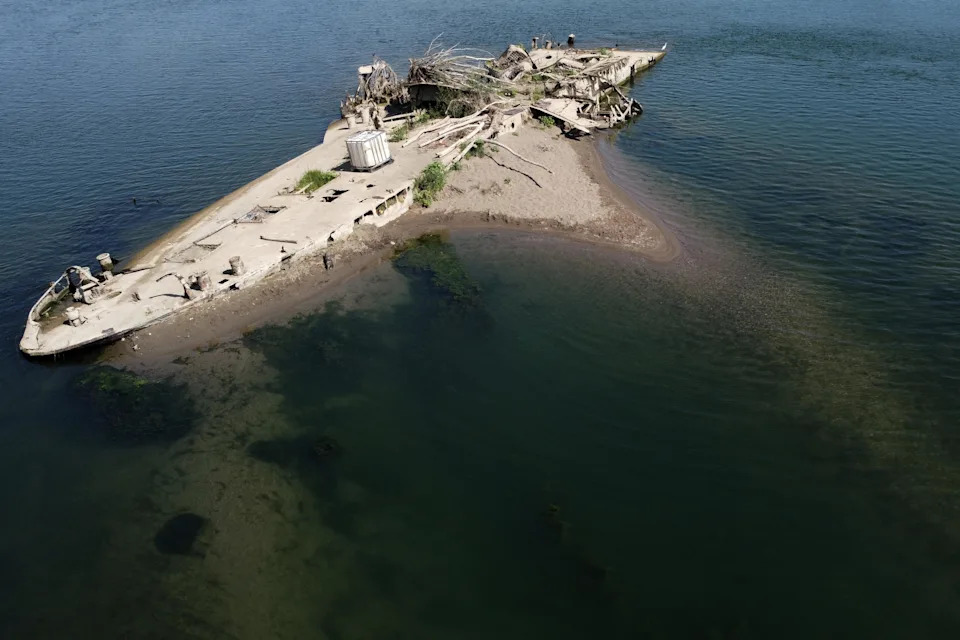
The wreckage of an old steamboat, known as the Slovenian, is visible due to the low level of the Sava River near the town of Sremska Mitrovica, northwest of the capital Belgrade, Serbia, Aug. 18, 2026. / Credit: AP Photo/Darko Vojinovic
Rivers Recede, Relics Reappear
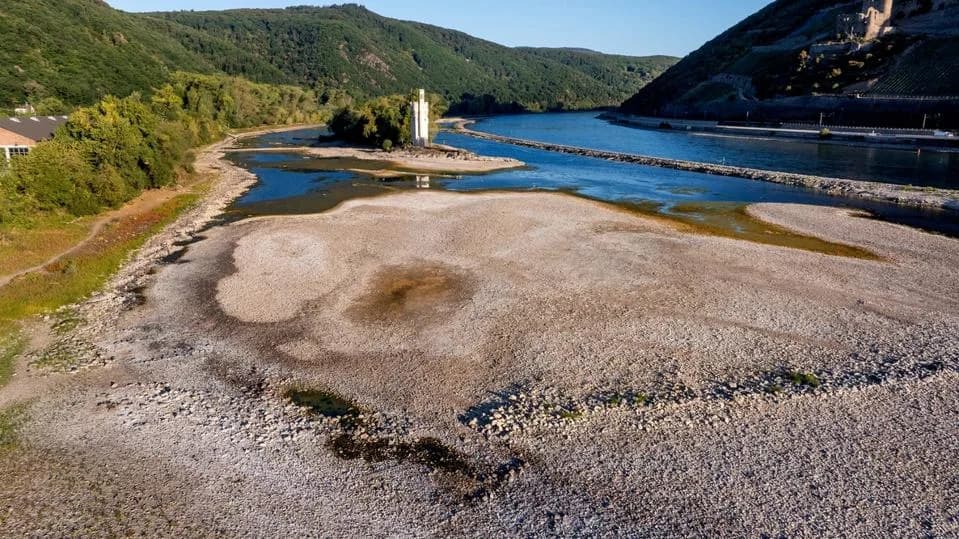
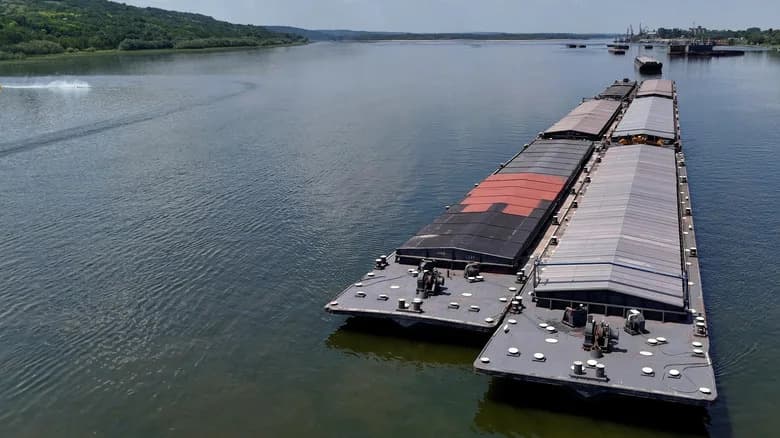
The Slovenian is one of many discoveries emerging as Europe endures an extended dry spell. Record-low Danube levels have disrupted river trade, halted shipping along parts of Europe’s second-largest waterway and affected regional power and water supplies, including impacts at nuclear plants in Hungary and Romania.
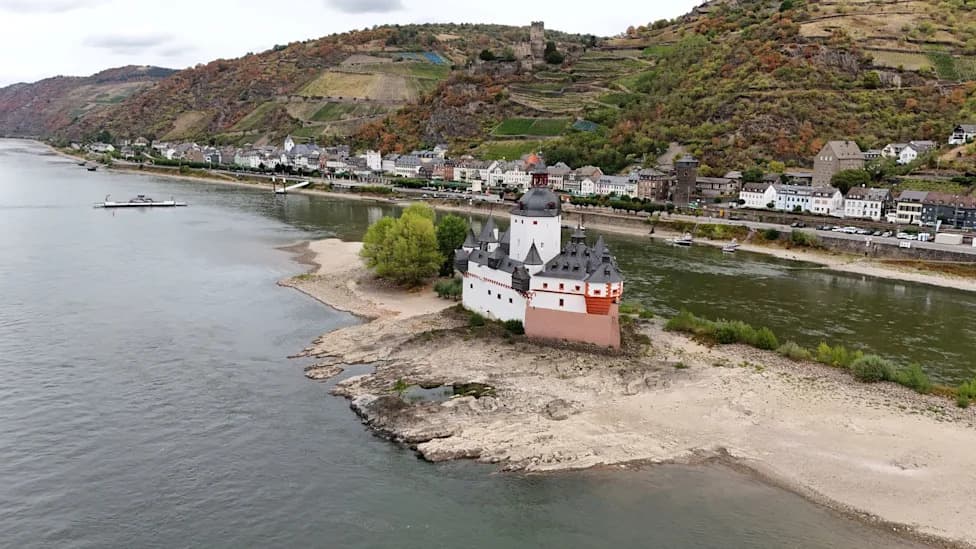
Across the continent, exposed riverbeds have revealed scattered Nazi warships — some still carrying weapons or explosives — ancient bridge piers, and remarkably well-preserved fossil remains. In Bulgaria, researchers recovered a concentration of woolly mammoth bones, and in Italy the Tiber’s low waters revealed portions of an ancient Roman bridge.
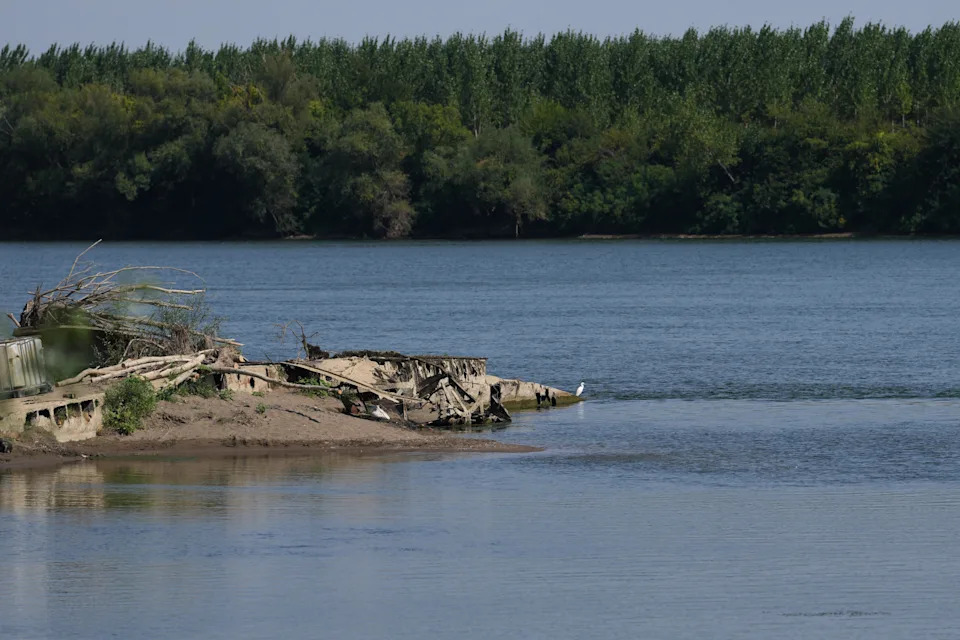
A white heron stands on the wreckage of an old steamboat, known as the Slovenian, which is visible due to the low level of the Sava River near the town of Sremska Mitrovica, northwest of the capital Belgrade, Serbia, Aug. 18, 2026. / Credit: AP Photo/Darko Vojinovic
"What awaits us in the future ... is that such situations will be more frequent," said Serbian hydrologist Dejan Vladikovic, warning that a lack of winter snow and a dry spring combined to intensify the current drought.
Climate Context
Scientists and climate services point to a broader pattern: Europe is warming faster than the global average, and heatwaves and droughts are becoming more frequent and severe. By late July 2026, the EU's European Drought Observatory reported that roughly half of the European Union and the United Kingdom were experiencing drought, with 9% of the region at the most severe alert level.
As river levels reveal both historical artifacts and contemporary vulnerabilities, communities from river towns to mountain lodges are adapting — from conserving water in alpine huts to assessing submerged wartime ordnance recovered from riverbeds.
What Remains Unsaid: While these resurfaced relics capture public fascination and provide archaeological and historical insights, they also highlight tangible risks for trade, energy and water security as extreme weather reshapes Europe's waterways.
Help us improve.