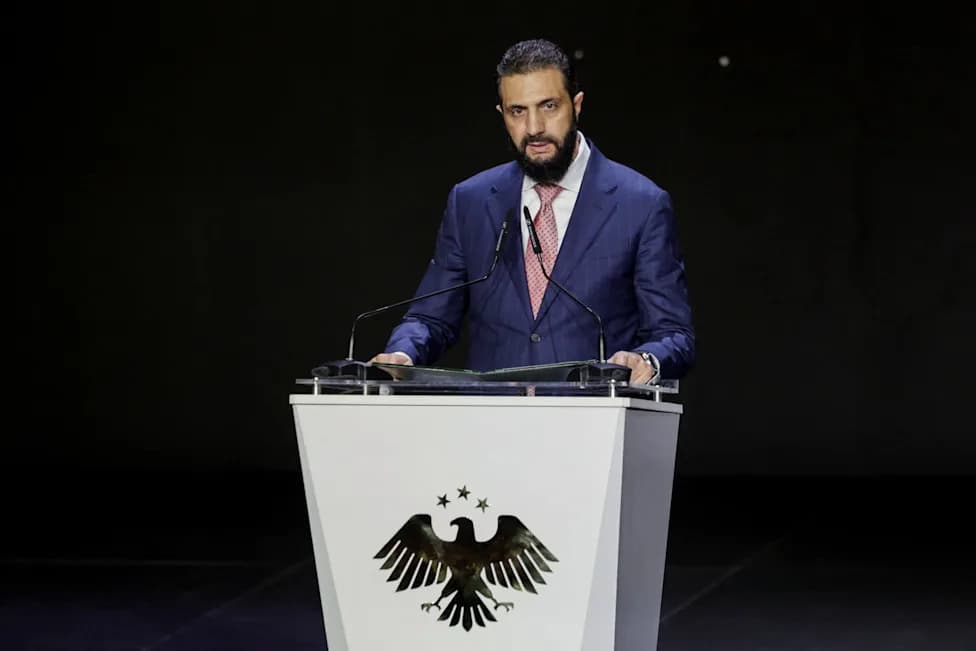
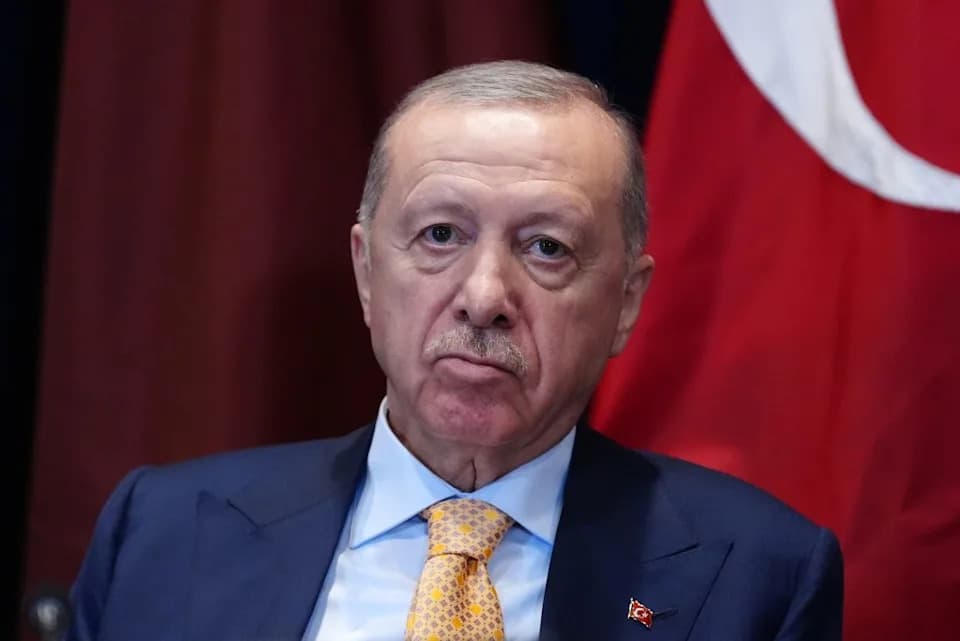
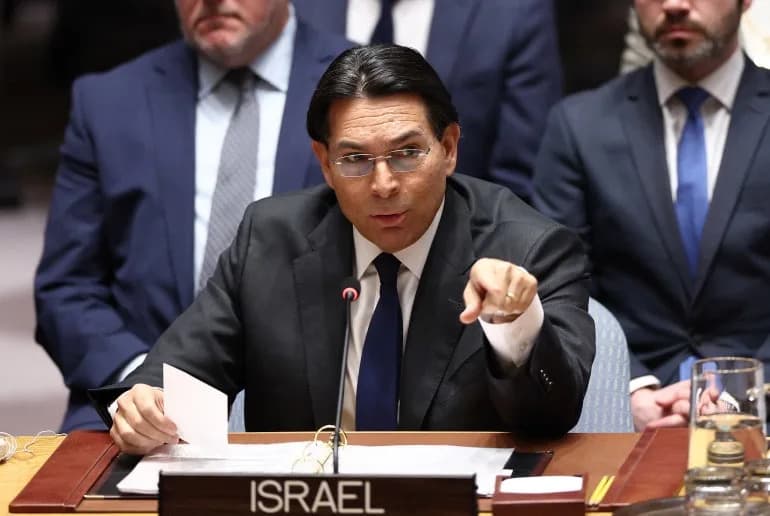
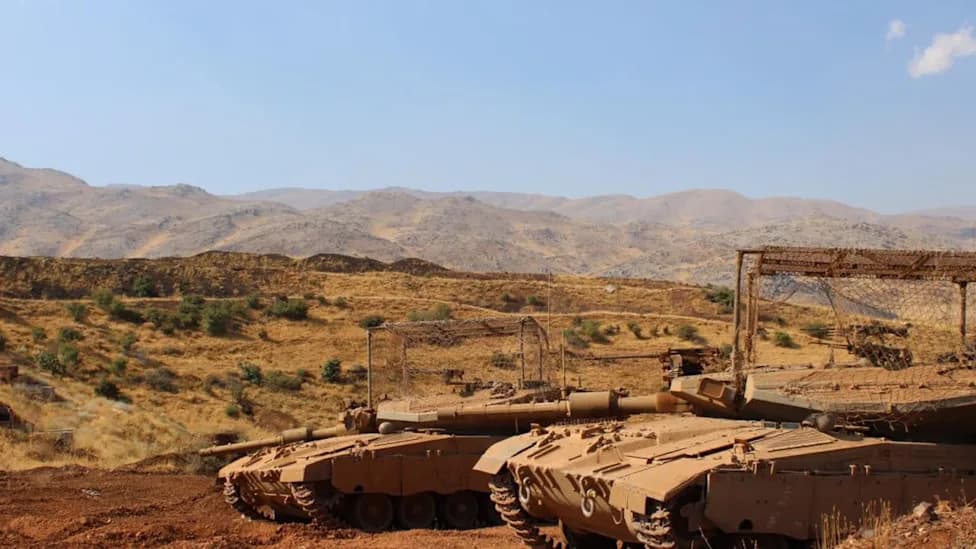
On Aug. 14 Mossad chief Roman Gofman phoned Syrian Foreign Minister Asaad al-Shaibani to discuss Turkey's expanding military role in Syria, according to three sources. The call focused on troop deployments, arms sales and drone transfers and took place days before Israel struck the Abu al-Duhur airbase. Israel warned that a Turkish deployment would threaten its security; Ankara denied the claims and called the strikes unlawful, while a U.S. envoy described the attack as an unnecessary escalation and said Washington is working on deconfliction channels.
Mossad Chief Called Syrian Foreign Minister About Turkish Forces Days Before Israel Struck Abu al-Duhur
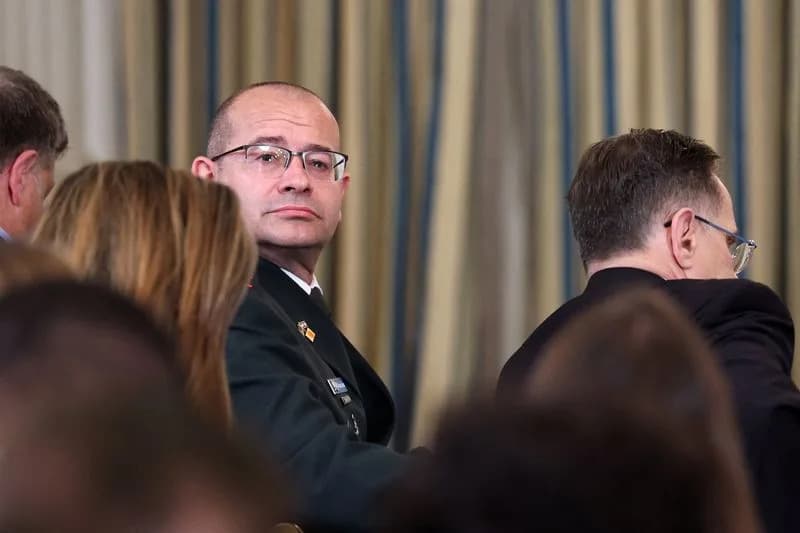
Roman Gofman waits before a joint press conference of U.S. President Donald Trump and Israeli Prime Minister Benjamin Netanyahu in the State Dining Room at the White House, in Washington, D.C., U.S., September 29, 2025. REUTERS/Jonathan Ernst/File Photo
Aug 19 (Reuters) — The head of Israel's Mossad intelligence agency, Roman Gofman, phoned Syrian Foreign Minister Asaad al-Shaibani on Aug. 14 to discuss Turkey's growing military role in Syria, three people familiar with the matter told Reuters. The call came days before Israel carried out an airstrike on the Abu al-Duhur airbase and represents one of the highest-level contacts reported between Israeli and Damascus officials since President Ahmed al-Sharaa's government took power.
Sources said the conversation centred on Turkish troop deployments and military support, including questions about the sale of weapons and provision of drones. One source described the exchange as "Israeli inquiries about what (Turkey) was doing in terms of increasing their military presence, as well as the sale of weapons, provision of drones and other issues." A senior official said Gofman pressed Damascus over reports that Turkey was supplying arms to the Syrian army. A third source confirmed the call and that Turkey's military role in Syria was discussed.
Israeli and Syrian spokespeople did not immediately respond to requests for comment. Turkey's defence ministry declined to comment and its foreign ministry did not immediately reply. The Turkish presidency rejected Israel's allegations as "untenable," accusing Israel of trying to justify what Ankara called "unlawful airstrikes targeting Syria's sovereignty and territorial integrity."
Airstrike And Regional Reactions
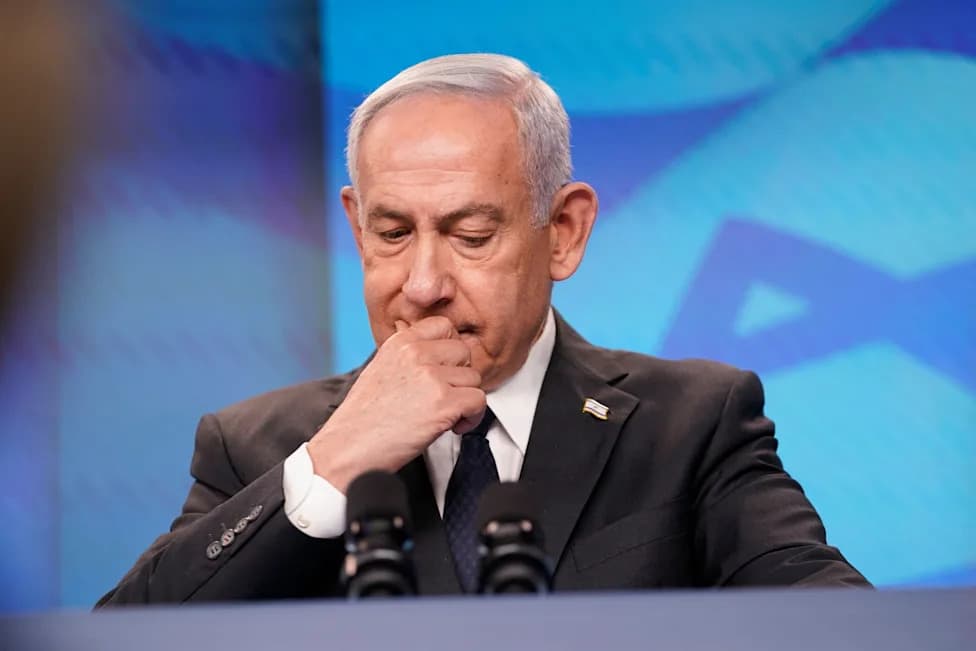
The phone contact preceded Israel's strike on Abu al-Duhur. After the attack, Prime Minister Benjamin Netanyahu said Damascus was close to permitting a Turkish military deployment at the base and warned that such a presence would threaten Israel's security.
"We will not tolerate a Turkish military establishment in Syria that threatens Israel," Netanyahu said in a video posted on X. "We made it clear to Turkey — Don't. Apparently they didn't hear the message, so we made sure they understood it better."
Tom Barrack, the U.S. ambassador to Turkey and special envoy for Syria and Iraq, called the Israeli strikes "an unnecessary escalation that does not advance regional stability." He said Washington is working to establish a deconfliction mechanism among Israel, Turkey and Syria and already facilitates information-sharing and dialogue among the parties.
Analysts note that Turkey has moved closer to the Sharaa administration since Bashar al-Assad was toppled in 2024, a shift that has heightened Israeli concern about Ankara's influence on Israel's northern frontier. In July, President Ahmed al-Sharaa said Syria was seeking a security agreement with Israel while attempting to enlist other countries to press Israel toward a more balanced policy on Damascus.
Reporting: Timour Azhari and Rami Ayyub. Additional reporting by Daren Butler in Istanbul. Writing by Tom Perry; Editing by Hugh Lawson and Lisa Shumaker.
Help us improve.