Engineering work on the Danube has raised water levels near Hungary's Paks nuclear plant, avoiding a full shutdown and allowing officials to plan a phased restart of six idle turbines from Sunday. The plant, supplying nearly half of Hungary's electricity, had been operating at 25% capacity with only two of eight turbines running. A temporary barge measure and a longer-term riverbed sill project — expected to raise levels by up to one metre — are easing the shortage while drought-driven concerns persist.
Paks Nuclear Plant Escapes Shutdown as Danube Works Boost Water Levels
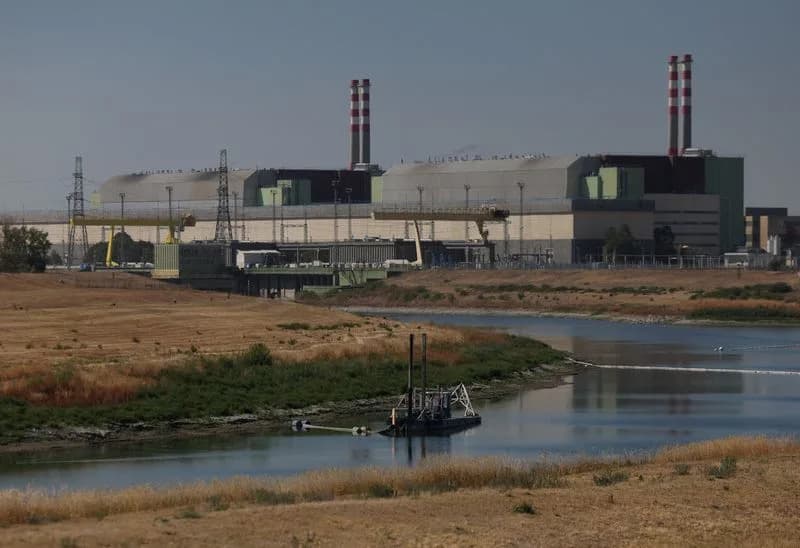
A view of the Paks Nuclear Power Plant in Paks, Hungary, August 15, 2026. REUTERS/Bernadett Szabo
BUDAPEST, Aug 19 (Reuters) - Hungary's Paks nuclear power plant averted a full shutdown after engineering work on the Danube raised local water levels near the site, its main source of cooling water, Prime Minister Peter Magyar said on Thursday.
Restart Plan and Timeline
Magyar said the plant could begin bringing six idle turbines back online from Sunday, with experts expecting the facility to be operating at full capacity by Thursday or Friday next week. The plant, which supplies nearly half of Hungary's electricity, had been operating at just 25% capacity amid a historic drought, with only two of its eight turbines running.
"Now we can safely say that we will not have to switch off either of the two currently running turbines as we will be able to stay above the level where they would be needed to be shut down," Prime Minister Peter Magyar said in a Facebook video.
Short-Term Measures and Longer-Term Work
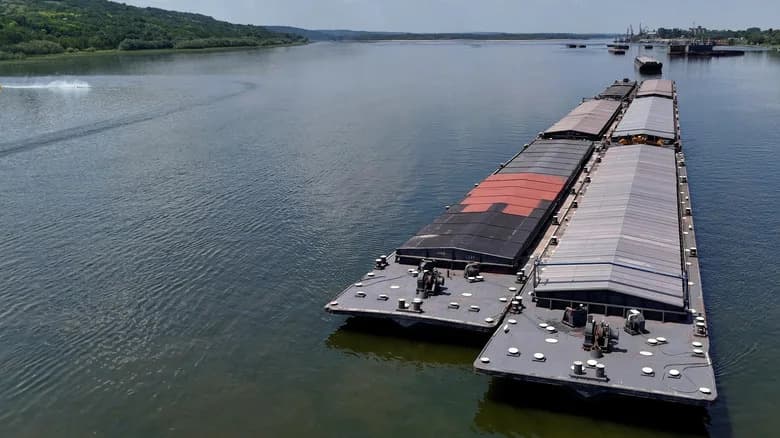
Officials said local engineering measures near the plant have already raised river levels by about 10–15 centimetres. As an interim measure, the government sank two barges close to Paks to lift water levels enough to keep the two operational turbines running while longer-term works continue.
Last week, Hungary began constructing a riverbed sill — a transverse, dam-like structure on the river bottom intended to regulate flow — which engineers expect could raise water levels by up to one metre. That project is likely to take several weeks to complete.
Regional Context
The low Danube flows are part of a broader, drought-related disruption across Europe. Neighbouring Romania last week shut down its last active reactor as this summer's drought strained power generation, river shipping and public health systems. The episode has renewed debate in Hungary and Romania about how nuclear facilities should adapt to increasingly extreme climate conditions.
(Reporting by Anita Komuves; Editing by Alistair Bell)
Help us improve.