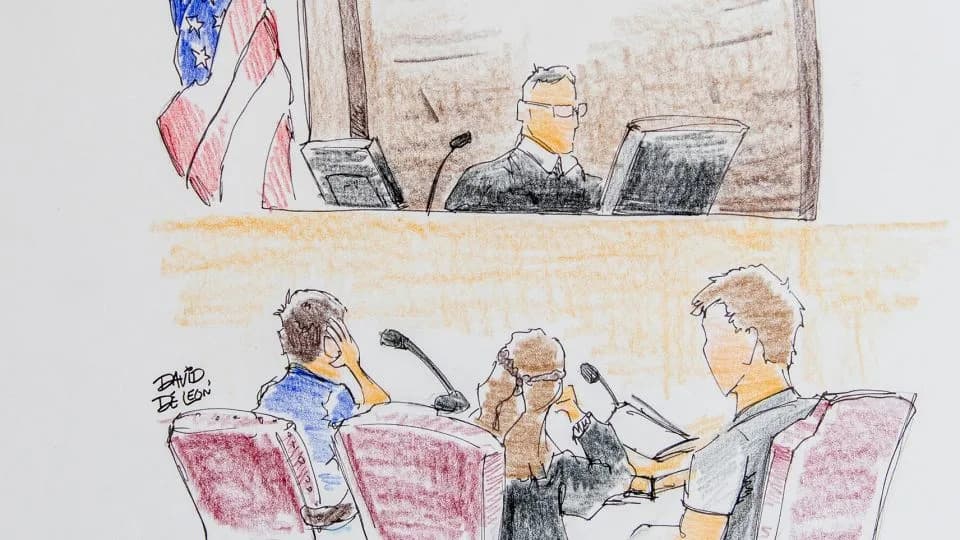
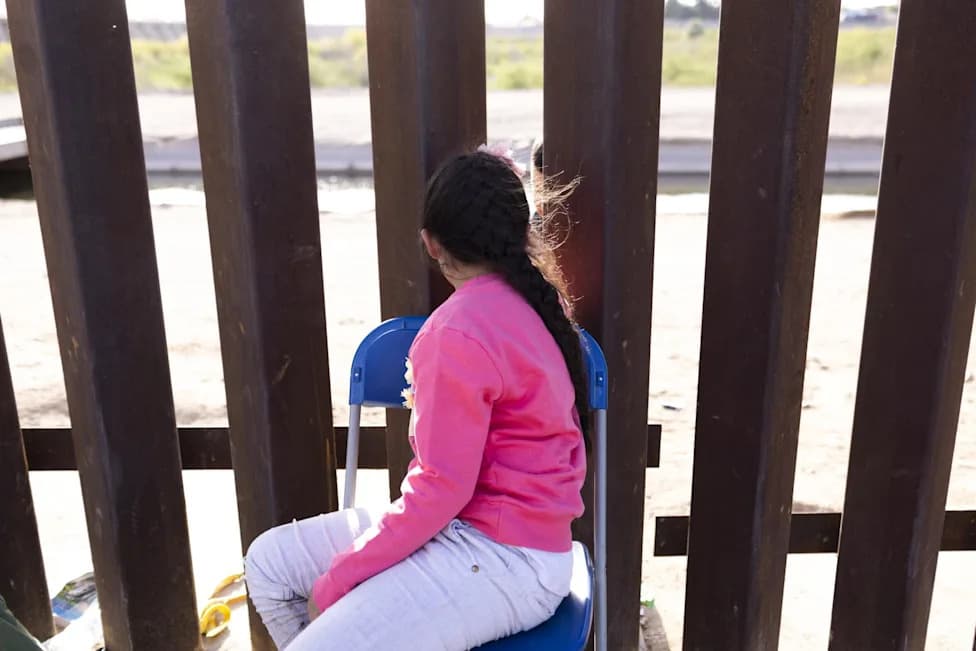
A federal judge ordered independent, court‑appointed oversight of immigration facilities housing children, citing both historical noncompliance and fresh evidence of prolonged detention and care problems — particularly at the South Texas Family Residential Center in Dilley. Andrea Sheridan Ordin and Dr. Paul Wise will inspect facilities, review records and file quarterly reports. The monitoring will last at least one year, cost up to $620,000 annually, and focus on custody duration, medical care, detention conditions and notice‑of‑rights procedures.
Judge Orders Independent Oversight After Reports of Prolonged Detention and Care Concerns for Migrant Children
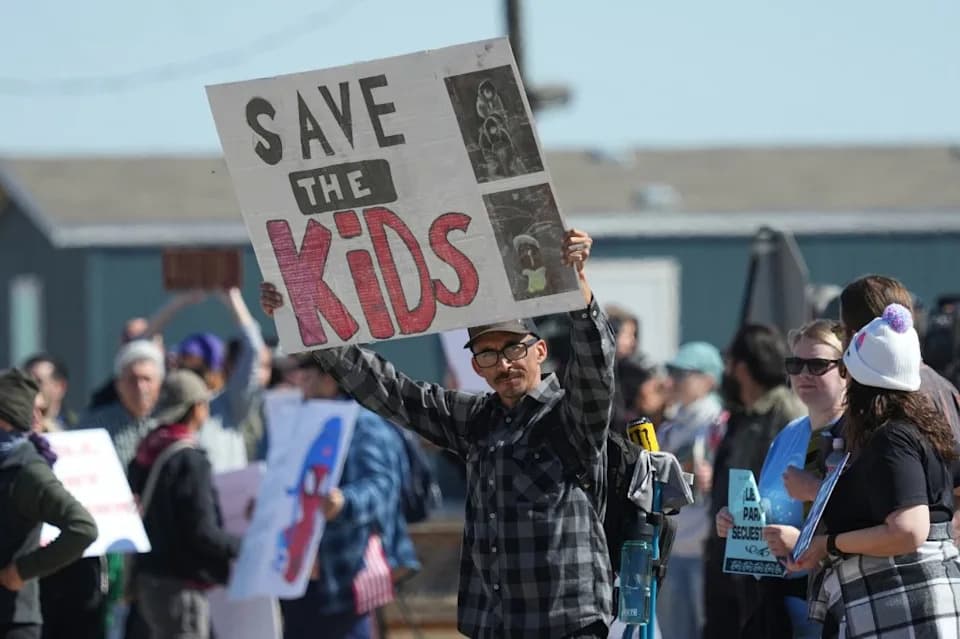
Protesters gather outside the South Texas Family Residential Center detention facility in Dilley, Texas, on January 28, 2026.
A federal judge on Monday ordered the government to pay for independent oversight of immigration detention facilities that house children, citing long‑standing and current concerns about compliance with the Flores Settlement Agreement, especially at the South Texas Family Residential Center in Dilley, Texas.
Chief U.S. District Judge Dolly M. Gee, an appointee of former President Barack Obama, said outside monitoring is warranted because of the government’s documented "history of noncompliance" and recent evidence suggesting the government has not met required standards for the custody and care of immigrant children under Flores.
Who Will Monitor
The court appointed former Los Angeles City Attorney Andrea Sheridan Ordin as Special Master and pediatrician Dr. Paul Wise as Independent Monitor. The pair are authorized to conduct announced and unannounced inspections, review records, interview detainees and staff, verify detention data and submit quarterly reports to the court.
Scope And Duration
The monitoring will run for at least one year, with possible extensions, and the government will bear the cost up to a cap of $620,000 per year. The monitor’s work will emphasize:
- Length of time children spend in U.S. Customs and Border Protection (CBP) custody,
- Detention conditions in key border sectors (Rio Grande Valley, El Paso and San Diego),
- Medical care and detention practices at the Dilley facility,
- Use of hotels to house migrant families, and
- Efforts to notify detainees of their rights under the Flores Settlement (notice‑of‑rights process).
What Prompted The Order
Although encounters with families dropped dramatically — the court cited an 89% decline in child-and-family encounters during much of fiscal year 2026 compared with the prior year — filings and declarations described children and families spending days or even weeks in CBP custody and much longer at facilities like Dilley. The court cited average stays at Dilley ranging from roughly 23 to nearly 48 days in the first five months of 2026, and plaintiffs estimated that about 1,560 minors were detained there for more than 20 days over a six‑month span. Some children were reported held more than 80 days and several families more than 100 days.
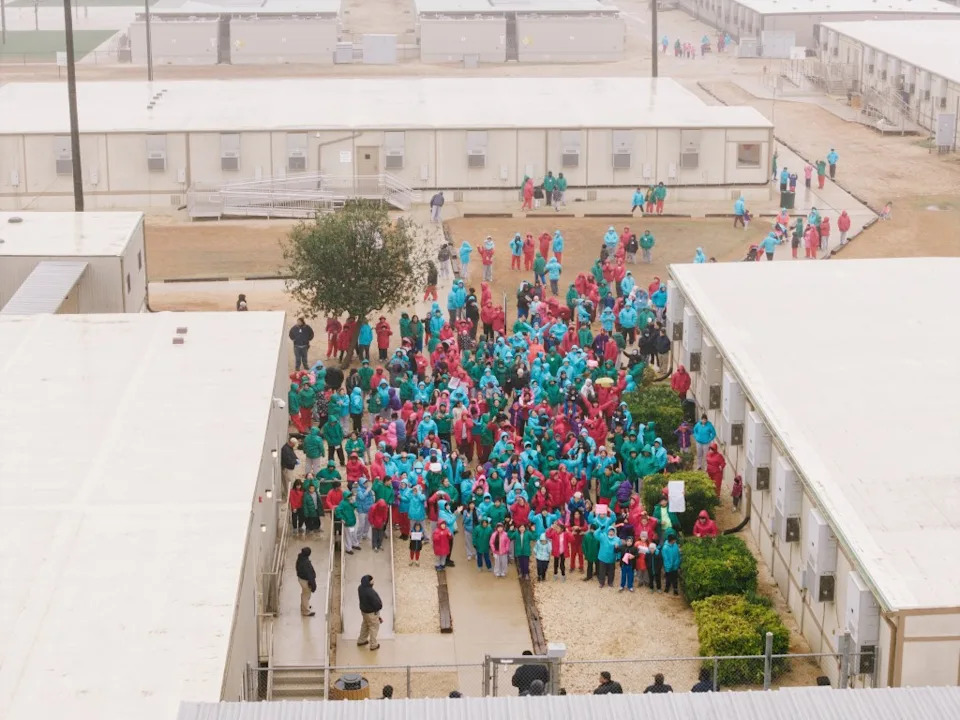
Detainees held at the South Texas Family Residential Center wave signs during a demonstration in Dilley, Texas, on January 24, 2026.
"For years, the Flores consent decree has been a tool of the left that is antithetical to the law and wastes valuable U.S. taxpayer funded resources," a DHS spokesperson told Newsweek, repeating the agency's defense that detainees receive meals, clothing, hygiene items and access to medical care and phones.
Judge Gee stressed that her order is not a contempt finding or punishment. Rather, she said outside monitors are appropriate when exceptional circumstances and ongoing compliance concerns justify judicial oversight.
Allegations About Medical Care And Conditions
The court highlighted allegations of inadequate or delayed medical care at Dilley, including declarations that some children received only over‑the‑counter pain relievers for various complaints and reports of treatment delays. The filings included a child who later required emergency surgery for appendicitis and another who reportedly waited nearly two months to see a cardiologist. While the court did not make final determinations on those allegations, it concluded there was sufficient evidence to justify independent monitoring of health care at the facility.
Advocates also described poor detention conditions in some sectors, including complaints of extreme cold, lighting that interfered with sleep and limited access to soap.
Next Steps
The special master and independent monitor will submit quarterly reports to the court detailing compliance findings and recommending corrective actions where needed. The order renews scrutiny of whether families are being informed of their Flores rights and directs the special master to assist in developing a reliable notice‑of‑rights process at Dilley.
Newsweek editors on the original story: Gabe Whisnant and Sam Wilson.
Help us improve.