Duane "Keffe D" Davis, charged in Tupac Shakur's 1996 killing, faces testimony disruptions after a key witness declared himself hostile and refused to answer further questions. James "Mob James" McDonald, former head of security for Marion "Suge" Knight, said record-label alliances deepened gang rivalries and described chaos after the Sept. 7, 1996 shooting. McDonald declined to detail events that could implicate others, while prosecutors cite Davis's interviews and a 2019 book as admissions; the defense calls those accounts fictionalized.
‘Talk To Your Lawyer, Man’: Witness Declares Himself Hostile At Duane “Keffe D” Davis Trial Over Tupac Killing
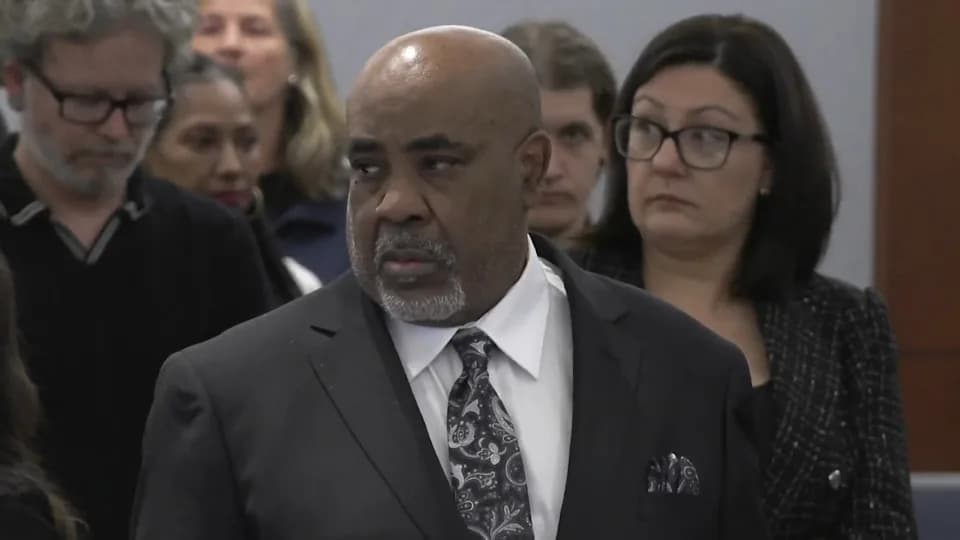
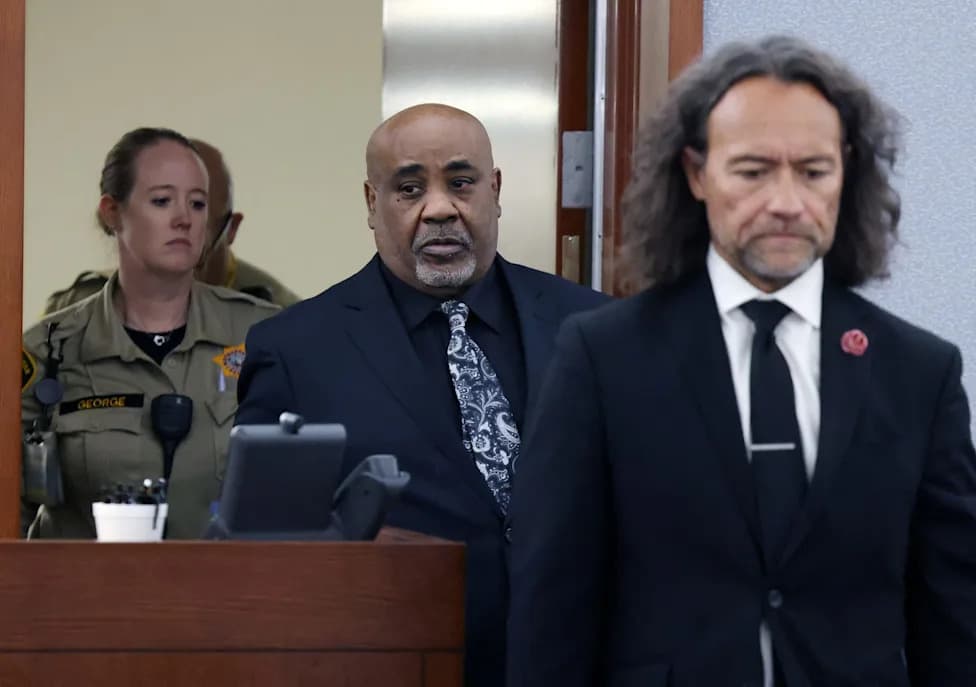
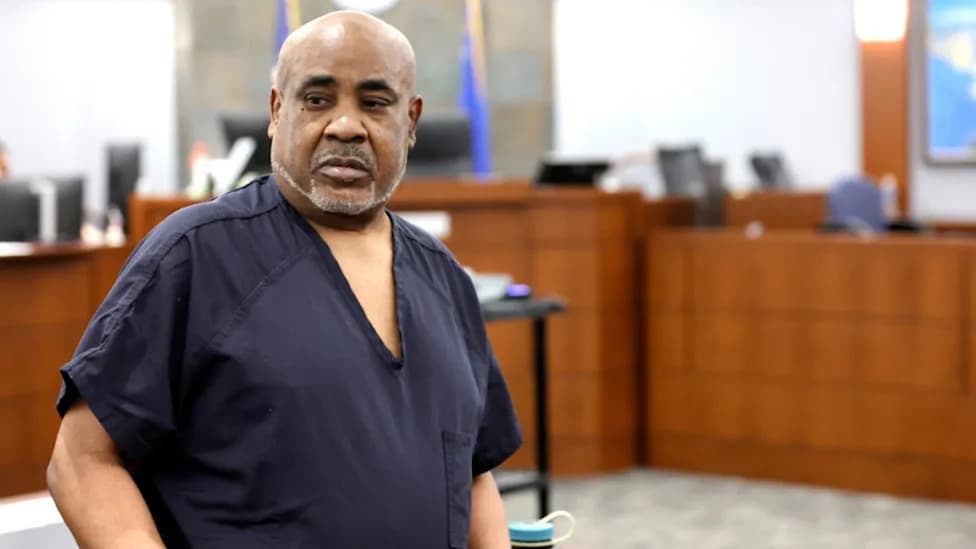
Duane 'Keffe D' Davis appears in court on Aug. 18, 2026. (Court TV)
LAS VEGAS — A key witness in the long-running case over Tupac Shakur's 1996 killing declared himself a hostile witness on the stand on Aug. 18, 2026, and refused to answer further questions, interrupting testimony in the trial of Duane "Keffe D" Davis.
Duane "Keffe D" Davis, 63, is charged with murder with a deadly weapon in the drive-by shooting that killed the rap star on Sept. 7, 1996. Prosecutors say Davis was in the white Cadillac that contained the shooter and that Davis handed the murder weapon to someone in the back seat moments before shots were fired; Davis has pleaded not guilty and is not accused of pulling the trigger.
Security Chief Testifies
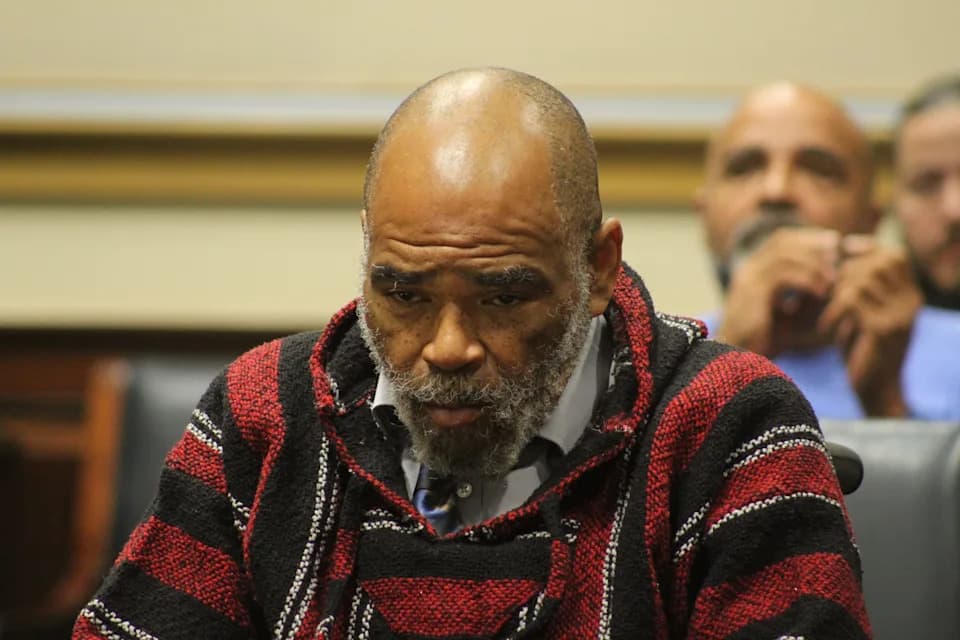
James "Mob James" McDonald, who served as head of security for Marion "Suge" Knight and Death Row Records, told the court that the rivalry between Death Row and Bad Boy Records intensified existing gang tensions in the 1990s. He said the record-label alliances effectively intertwined the labels with street crews, deepening a volatile feud.
"When the two record companies got into it, Bad Boy went to Keffe D, and Suge came to us. So that intertwined everything, and yes, we had issues," McDonald testified.
McDonald described being at Club 662 in Las Vegas on the night of the shooting, preparing for Knight and Shakur, when word arrived that Shakur had been shot. "Everybody was in an uproar," he said.
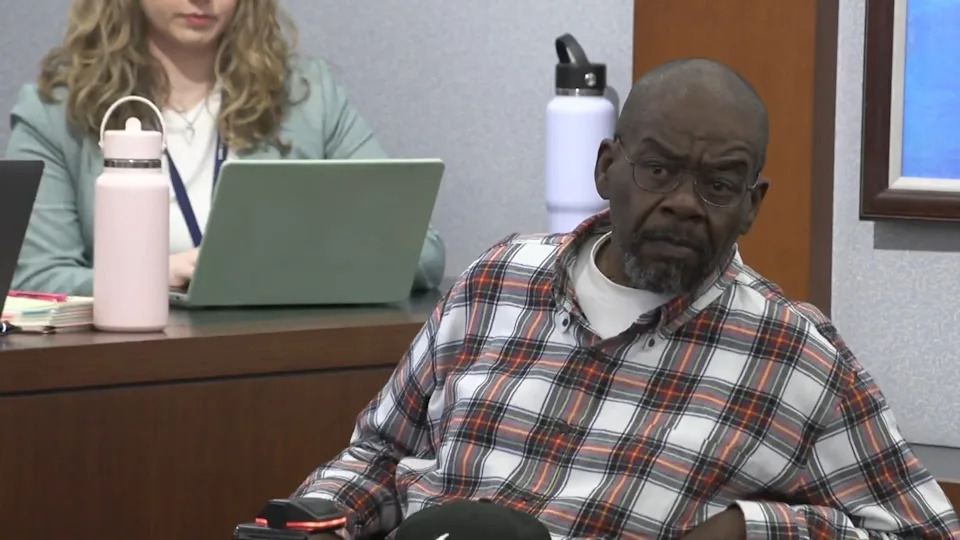
James 'Mob James' McDonald testified at Duane 'Keffe D' Davis' trial on Aug. 18, 2026. (Court TV)
Refusing To Answer
Under questioning about events before and after the shooting — including tensions in Compton in the weeks that followed — McDonald repeatedly declined to answer, telling attorneys he knew things that "haven't been talked about in 30 years" and that he would not "bring up the dead." At one point he told those who had urged him to testify to treat him as a hostile witness.
"I told every attorney in here to try to get me to come here, you better treat me as a hostile witness and I think that's where I'm about to go now cause you're asking me questions. I can't answer those questions," McDonald said.
When defense attorney Michael Sanft pressed McDonald to describe post-shooting tension in Compton, McDonald deflected, saying answering could lead to someone going to prison. He then turned to the defendant and said on the stand, "Talk to your lawyer, man. This dude is tripping."
Prosecution And Defense Positions
Prosecutors point to interviews and a 2019 book in which they say Davis admitted a role in Shakur's killing. Davis's defense team says those accounts were fictionalized and challenge the reliability of such statements.
As the trial continues, McDonald's refusal to testify about certain events may limit how much new detail emerges from his testimony, leaving prosecutors and defense attorneys to build their cases with the testimony and evidence that remain admissible in court.
Note: This article is based on courtroom testimony and statements reported by Court TV during the Aug. 18, 2026 proceedings.
Help us improve.