Two new papers highlight practical and occupational health concerns: a JAMA trial found refrigerated platelets stored up to three weeks were as effective as room-temperature platelets, a result that could reduce waste and broaden access. Separately, an analysis of nearly 13 million U.S. death records (2020–2024) found pilots and flight attendants had higher proportions of radiation-related cancer deaths, prompting calls for greater attention from regulators and clinicians.
Chilled Platelets Safe for Weeks, Could Expand Supply; U.S. Airline Crews Face Higher Radiation-Linked Cancer Rates
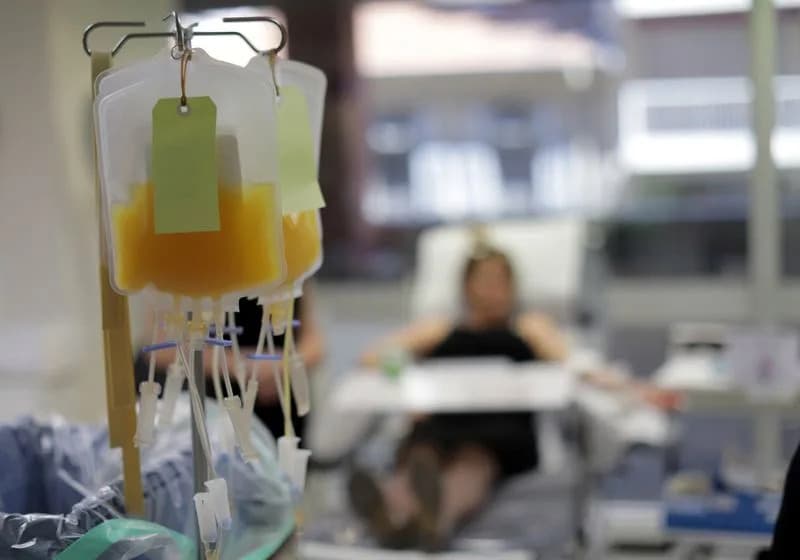
Pouches with platelets are seen as a volunteer donates blood during the international blood donation day in Nice, France, June 14, 2018. REUTERS/Eric Gaillard
New research offers two important public health findings: refrigerated platelets can remain effective for weeks — potentially reducing waste and expanding access — and U.S. airline flight crews show higher proportions of deaths from radiation-related cancers than most other occupations.
Chilled Platelets May Expand Availability and Cut Waste
A multicenter trial across 27 hospitals in the United States and Australia found that platelets stored refrigerated for as long as three weeks were as effective at treating bleeding in cardiac surgery patients as conventionally stored room-temperature platelets.
About 1,000 children and adults undergoing cardiac surgery received either room-temperature platelets stored for less than seven days or chilled platelets. Published in JAMA, the trial showed no loss of effectiveness with refrigerated platelets stored up to three weeks.
Donated platelets are typically stored at room temperature and have a five- to seven-day shelf life, which contributes to substantial waste: researchers note roughly 2.5 million room-temperature platelet units are collected annually in the U.S., with a significant share discarded because they expire. The investigators say chilling platelets could dramatically improve availability — potentially more than tripling the usable supply — and help smaller, rural hospitals keep life-saving platelets on hand.
"These findings will dramatically improve the availability of platelets while also reducing waste, allowing hospitals that aren't in major cities to afford to keep this life-saving blood product on hand for bleeding patients," said study leader Dr. Philip Spinella of the University of Pittsburgh.
The researchers noted their data are under review by the U.S. Food and Drug Administration and by regulators in other countries.
Airline Flight Crews Show Elevated Rates Of Radiation-Related Cancer Deaths
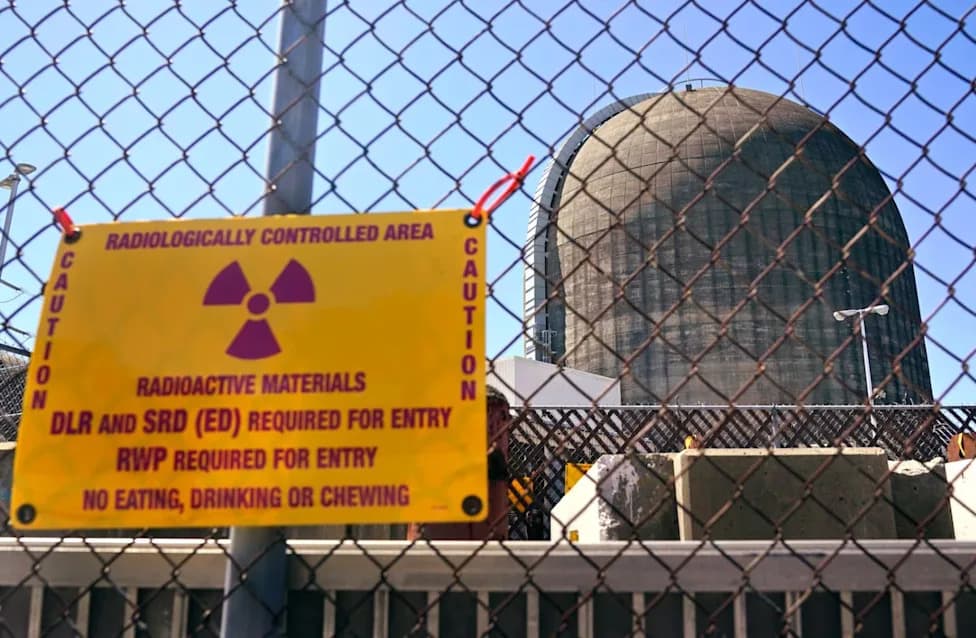
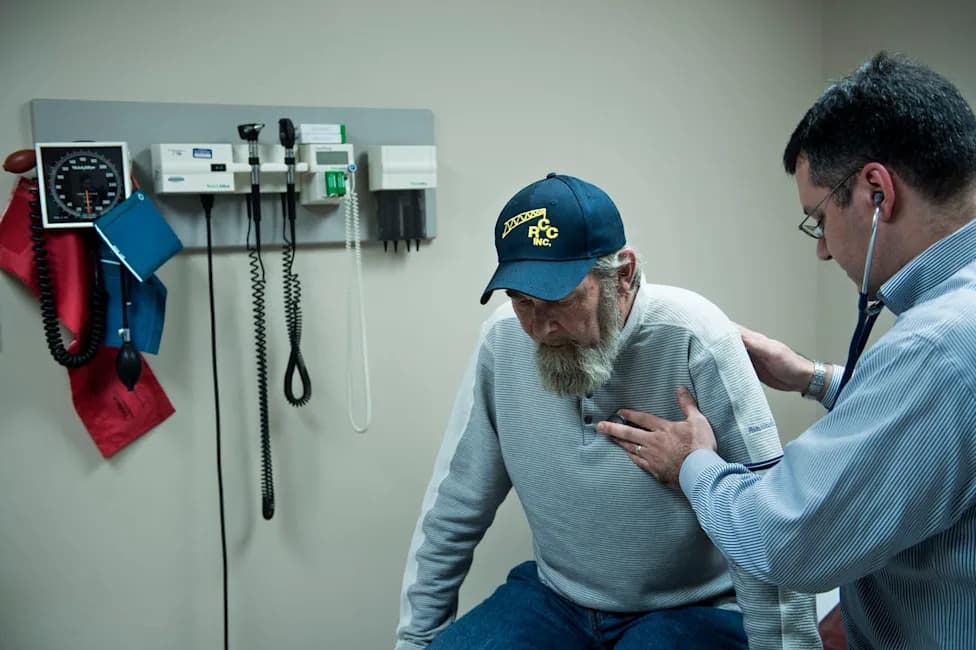
A separate large analysis published in JAMA Internal Medicine used U.S. death-certificate data from the National Vital Statistics System to examine occupational cancer deaths linked to ionizing radiation. The team analyzed nearly 13 million decedents recorded between 2020 and 2024 across 503 occupations, including roughly 14,000 pilots and 7,000 flight attendants.
Researchers searched for deaths from cancers associated with radiation exposure — cancers of the breast, central nervous system, blood (including leukemia), thyroid, prostate and skin (melanoma). After adjusting for individual risk factors, pilots and flight attendants had statistically higher rates of deaths from breast, central nervous system and prostate cancers and from melanoma; pilots also had an elevated rate of leukemia deaths.
Overall, about 6.9% of deaths among flight attendants and 6.7% of deaths among pilots in the dataset were attributed to radiation-related cancers. The report estimates flight crews typically receive about 3 to 6 millisieverts (mSv) of cosmic radiation per year, compared with about 0.4 mSv for an air traveler who makes ten cross-country round trips annually.
Although the Federal Aviation Administration recognizes aircrew as occupationally exposed to ionizing radiation, U.S. flight crews are not subject to federal dose limits or routine monitoring requirements — in contrast to some other radiation-exposed workers and aircrew in other countries. Editorialists and the study authors urged policymakers, regulators, airlines and clinicians to pay attention to the findings and recommended that doctors maintain a heightened index of suspicion when evaluating aircrew with possible cancer symptoms.
Reporting by Nancy Lapid; editing by Aurora Ellis.
Help us improve.