New research in Emerging Infectious Diseases finds feral hogs can pick up chronic wasting disease (CWD) prions while scavenging deer carcasses, though no hogs have been confirmed to develop the disease. The National Deer Association’s 2026 report shows 13 states allow commingling of hogs and cervids, 16 allow live hog transport, and 10 permit imports. Experts warn that moving live hogs could spread prions across regions and urge tighter transport rules, a halt to commingling in captive settings, expanded testing, and targeted removal programs.
New Study: Feral Hogs Can Carry CWD Prions — 16 States Still Allow Live Hog Transport
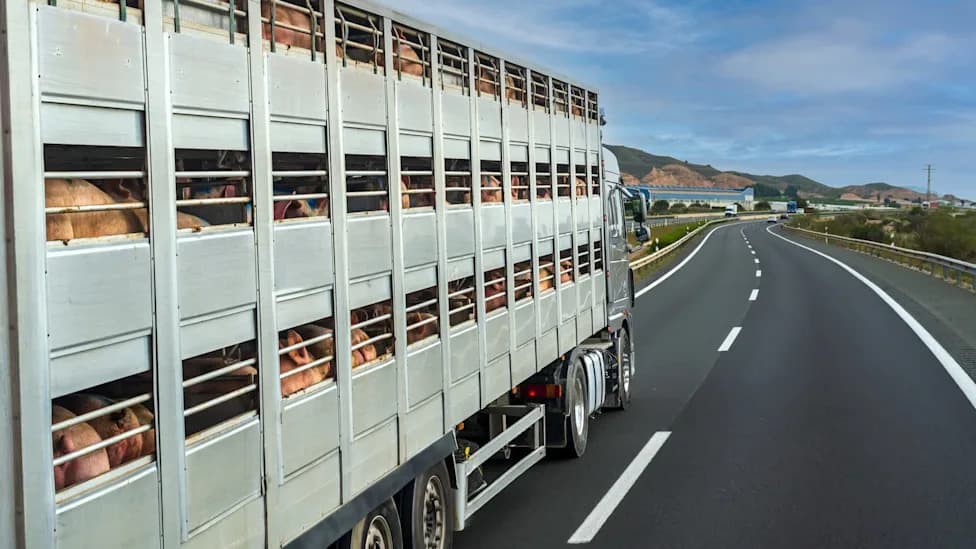
Photo Credit: iStock
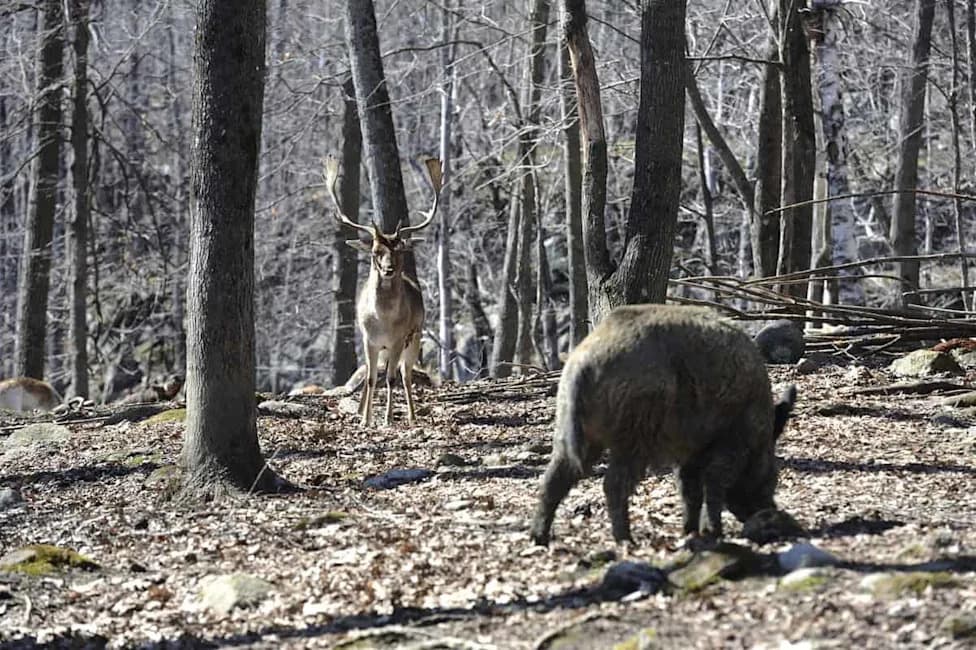
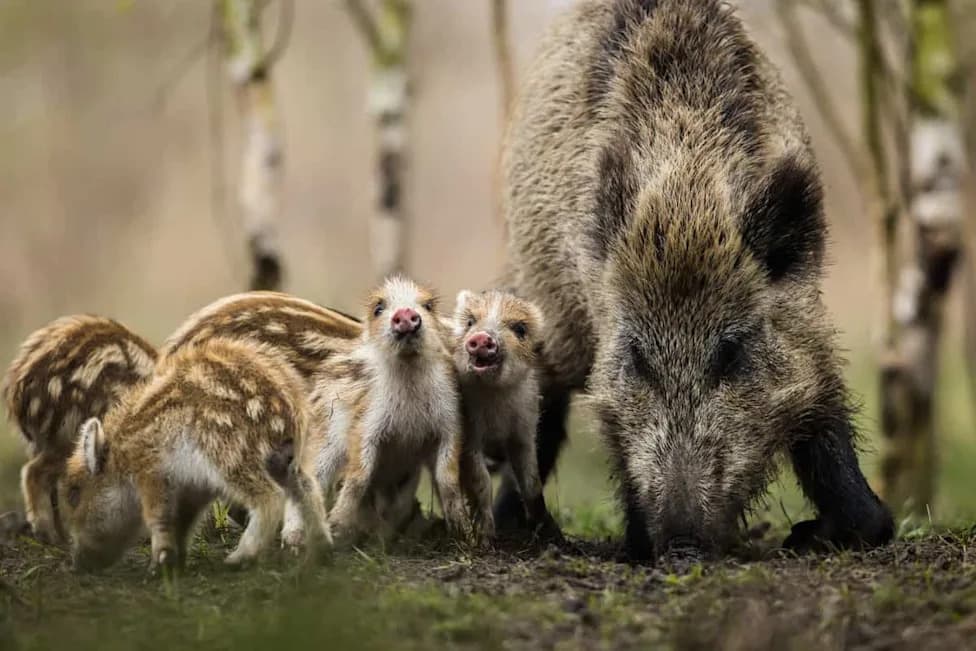
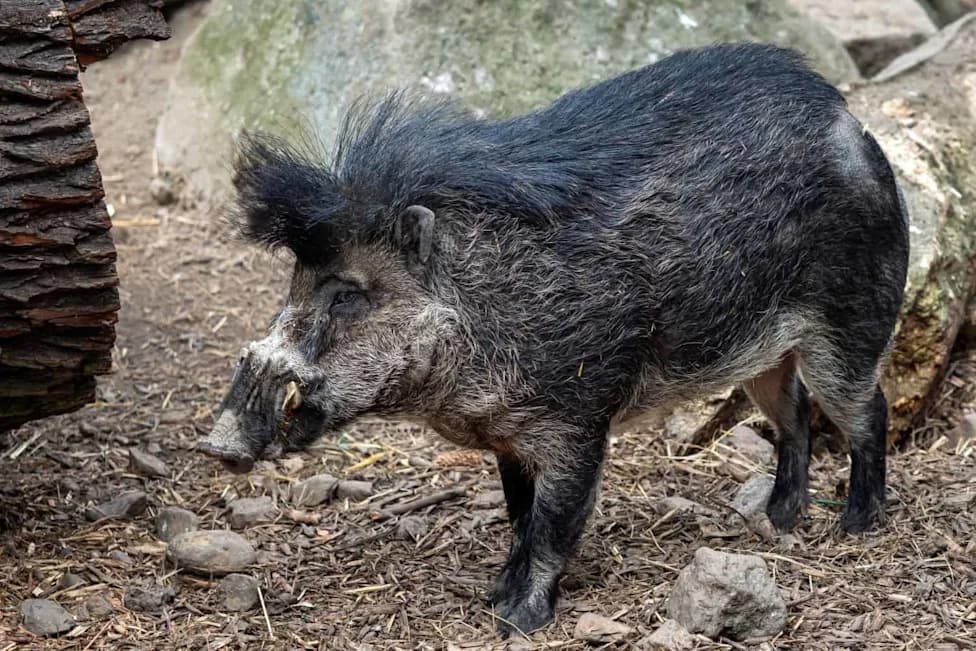
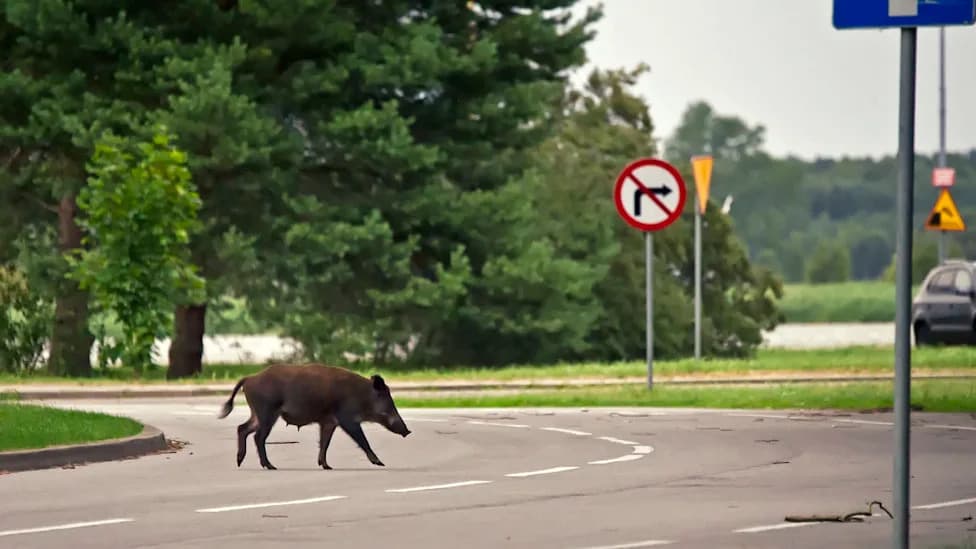
Invasive feral hogs and chronic wasting disease (CWD) are growing management challenges across North America. New research suggests those threats could intersect: feral swine can pick up CWD prions when scavenging deer carcasses, potentially creating another pathway for the disease to move across landscapes.
What the Study Found
Published in Emerging Infectious Diseases, the study shows that feral hogs can acquire CWD prions from contaminated material such as deer carcasses. Researchers emphasize that, to date, there are no confirmed cases of feral hogs developing clinical CWD, but the ability to carry and spread prions raises concerns about epidemiology, geographic distribution, and interspecies transmission.
"Findings indicate that scavenging swine could play a role in disseminating CWD and could therefore influence its epidemiology, geographic distribution, and interspecies spread," the authors wrote. They also noted that "persistent shedding of prions by CWD-affected animals and resulting environmental contamination is considered a major route of transmission."
Policy And Movement Risks
The National Deer Association’s 2026 Deer Report found that 13 states allow feral hogs and cervids to share the same enclosure or high-fence facility, 16 permit the transport of live feral hogs, and 10 allow live hog imports. Moving live animals can spread prions beyond a single property or county: the study reports nearly 19% of wild hogs in the U.S. had been moved at some point.
Texas and Oklahoma — states that permit enclosed contact between hogs and deer — are major sources of transported hogs. Researchers detected Texas-origin pigs in 26 of the 38 states they examined and concluded Texas "has a disproportionate impact on the spread of feral swine."
Testing, Recommendations, And Management
Among the 48 U.S. states and eight Canadian provinces surveyed by the National Deer Association, Saskatchewan was the only jurisdiction testing feral hogs for CWD. Ben Westfall, senior conservation coordinator at the National Deer Association, said many states are taking steps to limit hog movement by restricting importation or transportation.
Wildlife experts and the NDA recommend reducing risk by stopping commingling of hogs and cervids in captive settings, tightening rules on live-animal transport and imports, and expanding surveillance. Management strategies cited as effective include whole-sounder removal and Missouri’s Feral Hog Elimination Partnership.
Why It Matters
Beyond wildlife health, the potential spread of CWD affects hunting traditions, local economies, and communities that depend on robust deer populations. Limiting points of contact and the movement of feral hogs could close a possible route for prions to spread across regions already under pressure.
Bottom Line: Feral hogs can acquire CWD prions by scavenging, and live-animal movement and commingling create practical pathways for wider dissemination. Stronger transport restrictions, testing, and active removal programs can help reduce the risk.
Help us improve.