Anna Wentsch and Callum Armstrong cycled about 3,000 km along the Danube to document how severe drought exposed risks to energy, food, transport and wildlife across 10 countries. Authorities used emergency measures—controlled explosions and sunk barges—to protect nuclear plants, and Romania shut a reactor on 13 August. The pair found widespread ecological strain but also hopeful restoration projects, such as an 8-km fish bypass and the multinational Mura-Drava-Danube Biosphere Reserve. Their core message: integrate nature into infrastructure planning to safeguard both people and ecosystems.
‘Speckles of Hope’: Cycling the Drought-Struck Danube and What It Reveals About Climate, Energy and Nature
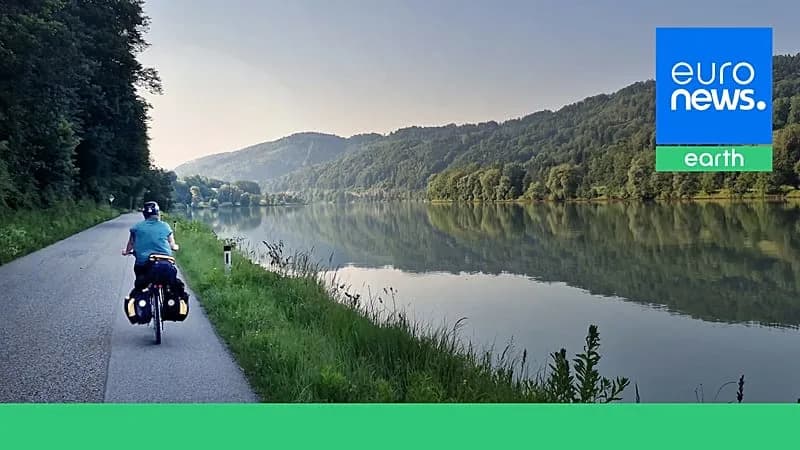
‘Speckles of hope’: What we learned from cycling the length of the drought-hit Danube
Anna Wentsch and Callum Armstrong cycled roughly 3,000 km along the Danube—from its source to the Black Sea—to document how an intense summer drought exposed vulnerabilities in energy, transport, food systems and wildlife across 10 countries.
Emergency Measures and Immediate Impacts
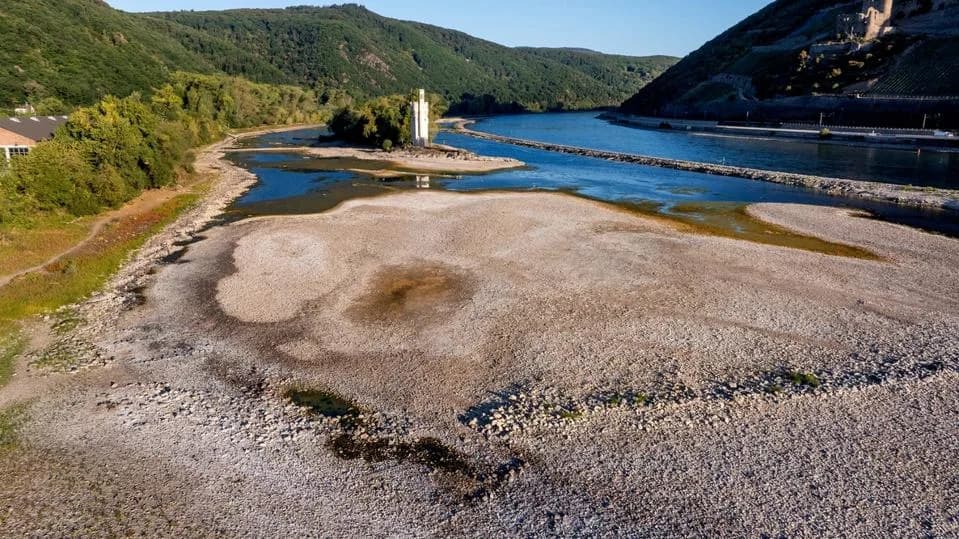
As water levels fell to record lows this summer, authorities took extraordinary steps. On 3 August, teams carried out a controlled explosion to redirect water toward Romania’s only nuclear power plant, which supplies about 20% of the country’s electricity and relies on Danube water for reactor cooling. Despite the effort, the plant shut its final reactor on 13 August after it could no longer maintain safe cooling.
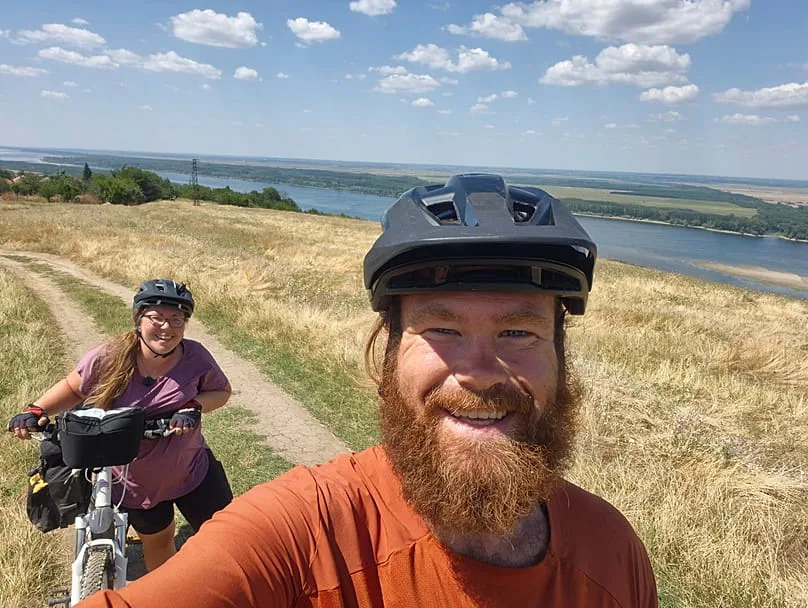
Anna and Callum cycled the Danube from source to sea. - Conservation Amplified
Hungary responded to similar risks on 15 August by deliberately sinking two barges in the river to raise local water levels and protect its own nuclear facility. These emergency actions underline a stark reality: human energy systems remain dangerously dependent on steady river flows.
How People and Nature Are Affected
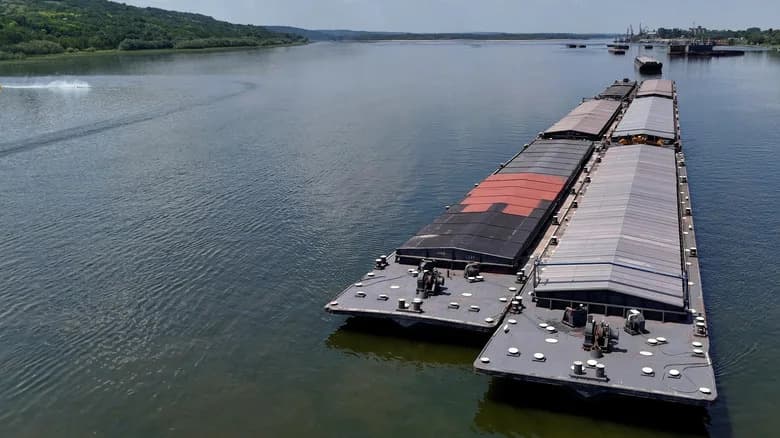
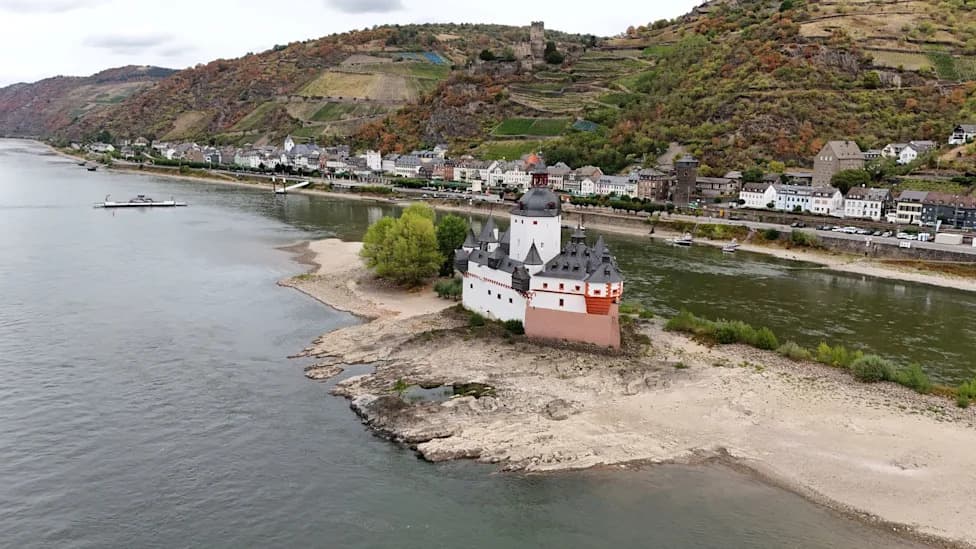
Successive heatwaves and scarce rainfall drove shortages that affected everyday life and livelihoods. Freight and passenger traffic were disrupted as ferries ran aground and shallow sections forced rerouting, piling grain shipments at terminals and worsening food-security risks. Germany temporarily relaxed truck-driving limits to relieve pressure on supply chains affected by low inland-waterway levels.
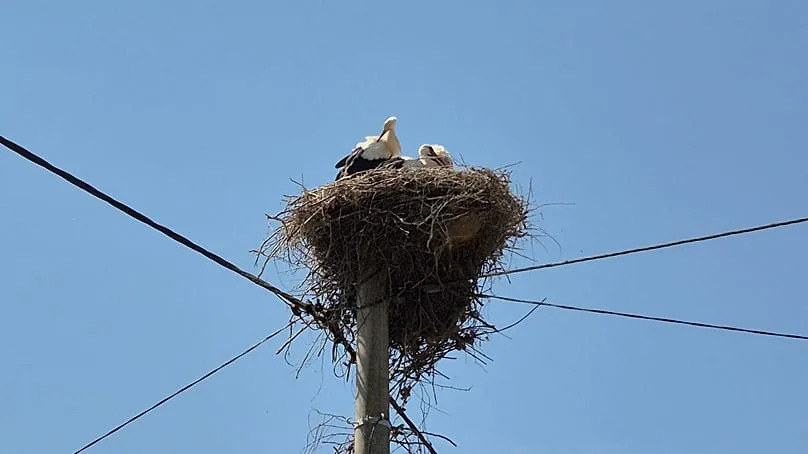
Storks nesting along the Danube in Croatia. - Conservation Amplified
Farmers have seen harvests ruined by dry soils; Hungarian winegrowers reported about a 30% drop in grape yields. Wildfires accelerated across the region: Anna and Callum witnessed a blaze in Serbia, and the European Forest Fire Information System records more than 580,000 hectares burned across the EU so far this year.
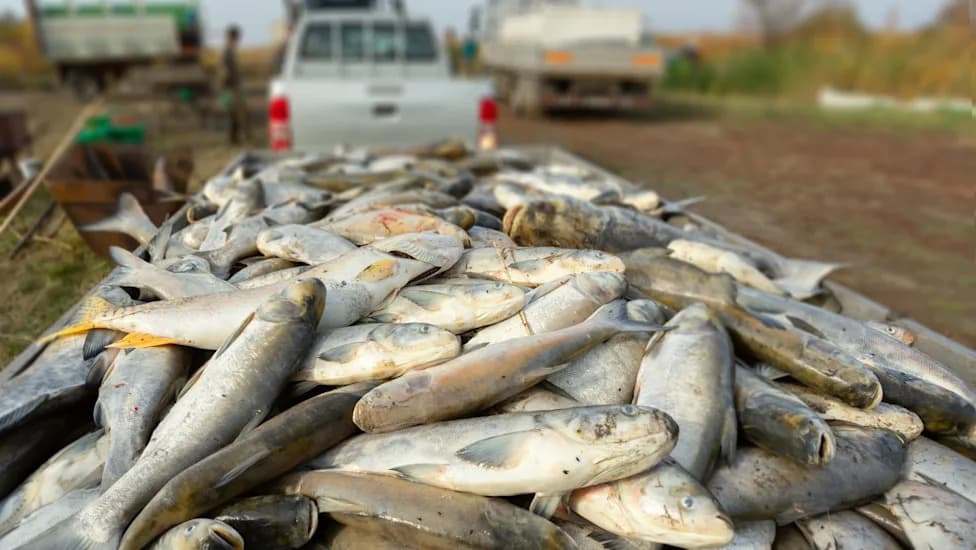
Wildlife also suffered. The cyclists described heat-stressed birds panting during daytime and storks struggling on exposed nests. Reduced flows mean fewer habitats, disconnected floodplains and rising stress on species that rely on wetlands.
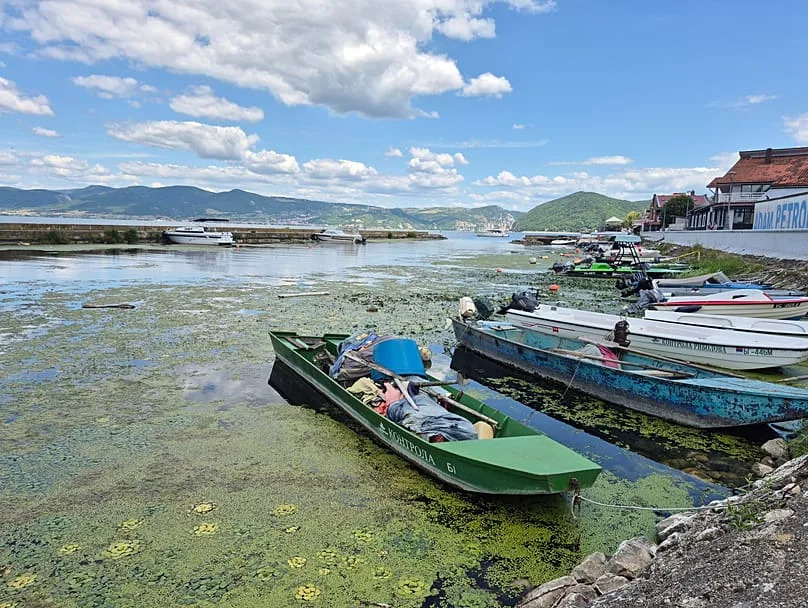
Boats on the river in Serbia. - Conservation Amplified
"For me that was the moment it became undeniably real: we are deliberately altering a river ecosystem to keep human energy systems running," Anna Wentsch says of the emergency diversion.
Examples Of Restoration And Cross-Border Cooperation
Despite alarming impacts, Anna and Callum also found "speckles of hope": local and multinational projects that restore natural river functions and bolster resilience. A standout project is an eight-kilometre fish bypass between Neuburg and Ingolstadt in Germany that reconnects aquatic habitats and helps biodiversity return to a stretch altered by dams.
On a larger scale, the 930,000-hectare Mura-Drava-Danube Biosphere Reserve—spanning Austria, Croatia, Hungary, Serbia and Slovenia—offers an example of cross-border conservation. The protected landscape supports migratory routes and feeding grounds for otters, beavers and more than 250,000 waterbirds, and hosts roughly 150 pairs of white-tailed eagles.
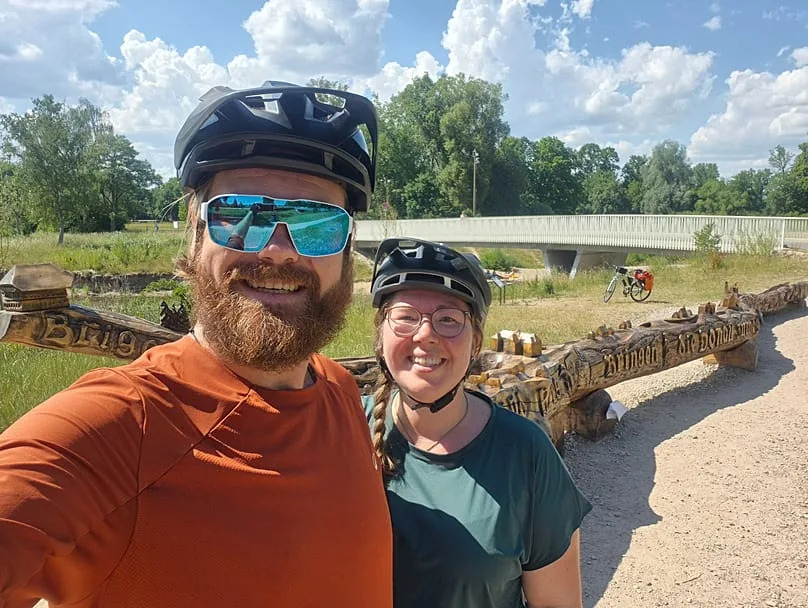
Anna Wentsch and Callum Armstrong are co-founders of charity Conservation Amplified. - Conservation Amplified
Lessons And Calls To Action
Observing firsthand convinced Anna and Callum of a central lesson: human wellbeing and healthy ecosystems are inseparable. They urge planners to consider nature before building infrastructure, rather than attempting costly retrofits later.
"Think about nature and the consequences for you before you put infrastructure in place. It’s far easier to design a healthy balance from the start," Anna says.
Callum adds: "Conservation is more than protecting wildlife. It’s about securing our future and economy—restoring the unpriced benefits that a stable environment provides." Their journey was also an experiment by Conservation Amplified— the New Zealand charity they co-founded—into new ways of engaging the public about environmental challenges.
Takeaway: The Danube’s crisis this summer shows how climate extremes can cascade through energy, food, transport and nature. But targeted restoration and international cooperation demonstrate practical ways to strengthen both ecosystems and the human systems that depend on them.
Help us improve.