Orzeyful (oveporexton) was approved by the FDA on Aug. 5 as the first oral drug that directly activates the brain's orexin pathway to treat narcolepsy type 1. In two trials of more than 270 participants, twice-daily dosing improved daytime alertness and reduced cataplexy and related symptoms. The DEA is reviewing the medication for scheduling (Takeda expects Schedule IV). Orzeyful follows roughly 15 years of development and could enable more orexin-based treatments for other sleep disorders.
FDA Approves Orzeyful (oveporexton), First Oral Drug to Activate the Orexin Pathway for Narcolepsy Type 1

—F.J. Jimenez—Getty Images
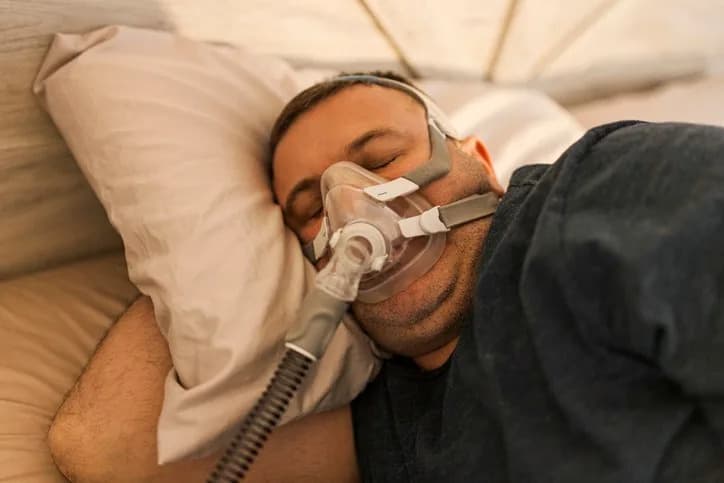
Daytime drowsiness, persistent fatigue and sudden sleep attacks are sometimes written off as the result of busy modern lives — but they can also signal narcolepsy, a chronic neurological disorder that disrupts the brain's ability to regulate sleep and wakefulness.
What Orzeyful Does
Orzeyful (generic name: oveporexton) received U.S. Food and Drug Administration approval on Aug. 5 as the first oral medication designed to directly activate the brain's orexin (also called hypocretin) pathway. Orexin is a neurotransmitter essential for maintaining wakefulness; when the orexin system is deficient or dysfunctional, the brain cannot reliably control sleep–wake cycles. Orzeyful is approved specifically for narcolepsy type 1, the form often associated with cataplexy (sudden loss of muscle tone) and an elevated risk of injury during sleep attacks.
Clinical Evidence
Takeda based its approval on two randomized trials that together included more than 270 people with narcolepsy. In those studies, participants taking oral Orzeyful twice daily were significantly more likely to stay awake during daytime hours than those receiving placebo. Patients on Orzeyful also experienced fewer cataplexy episodes and reported improvements in related symptoms such as disrupted nighttime sleep and hypnagogic hallucinations.
Safety, Scheduling Review, and Development History
Because Orzeyful can meaningfully improve daytime functioning, U.S. regulators are assessing its potential for dependence. The Drug Enforcement Administration is reviewing the drug for scheduling; Takeda's CEO Julie Kim has said the company expects a Schedule IV designation, indicating relatively low abuse potential.
Orzeyful represents roughly 15 years of development and several iterations. Early approaches required continuous intravenous delivery to maintain orexin activity, which proved impractical. An initial oral candidate showed early promise but was halted after laboratory tests signaled abnormal liver markers; though study participants did not report symptoms, the program was stopped out of caution. Takeda continued parallel research and ultimately developed Orzeyful, a molecule the company says offers potent orexin-receptor activation with a more favorable safety profile.
Looking Ahead
Takeda is already exploring additional orexin-targeting compounds for other sleep-wake disorders, including narcolepsy type 2 and idiopathic hypersomnia (excessive sleepiness despite adequate nightly sleep). Company leaders say different molecules could be dosed differently to suit conditions in which orexin levels are present but may be insufficient. Beyond narcolepsy, orexin-based therapies could eventually be investigated for conditions such as obstructive sleep apnea, insomnia or circadian problems like jet lag.
Bottom line: Orzeyful is a milestone as the first oral drug to directly activate the orexin pathway and is a new targeted option for people with narcolepsy type 1, with ongoing study into safety, scheduling and broader applications.
Help us improve.