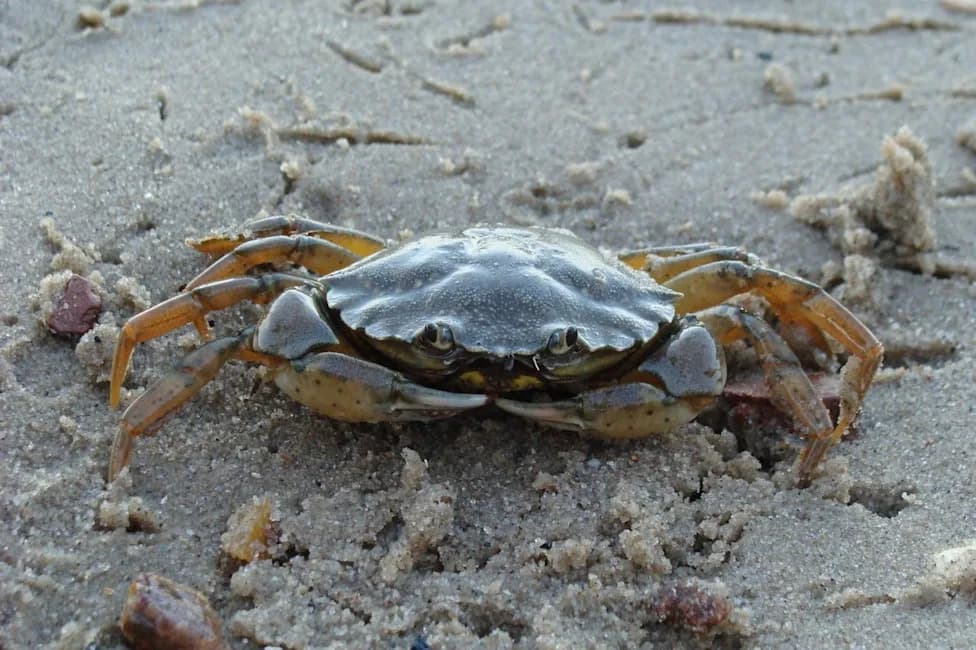
Italian researchers from the University of Bologna are releasing thousands of common octopus hatchlings into the Adriatic as part of the Octo-Blu pilot to curb an invasive blue crab that has damaged shellfisheries. About 80,000 hatchlings have been released since June, with a target to double that by the end of August; they are being placed near artificial dens to boost survival. Scientists acknowledge octopus may be less effective in warm, sandy lagoon habitats, so the project is being explored alongside other measures such as seabass and eels.
Octopuses vs. Invasive Blue Crabs: Italian Scientists Release 80,000 Hatchlings to Protect Clam Fisheries
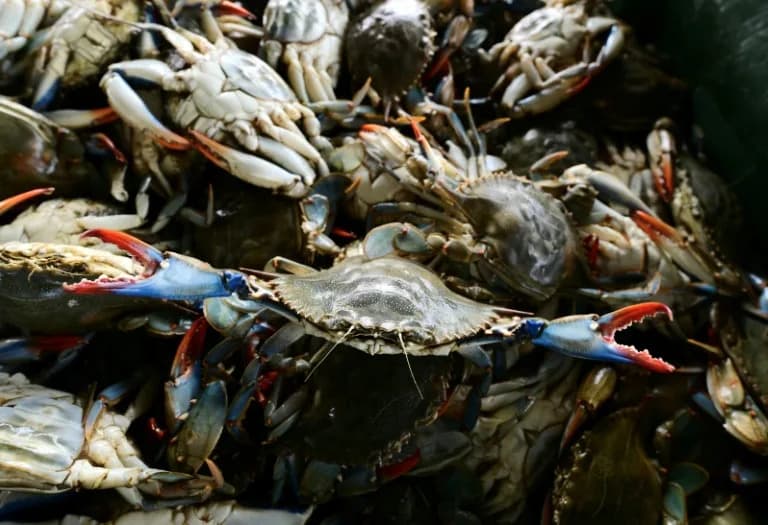
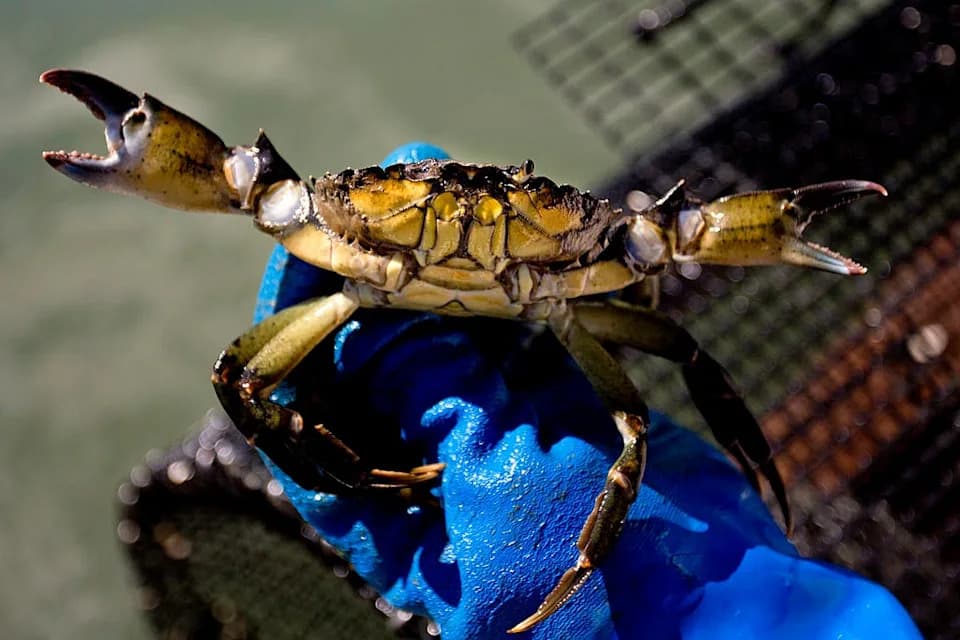
Blue crabs arrived in the Mediterranean decades ago to wreak havoc in Italy's clam-producing northeast (Stefano RELLANDINI)
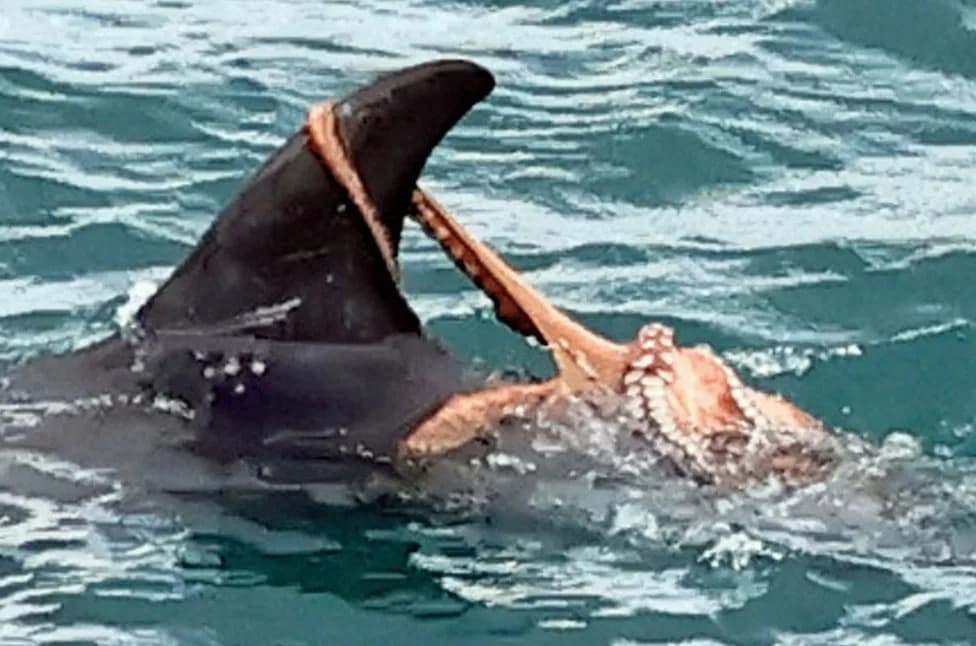
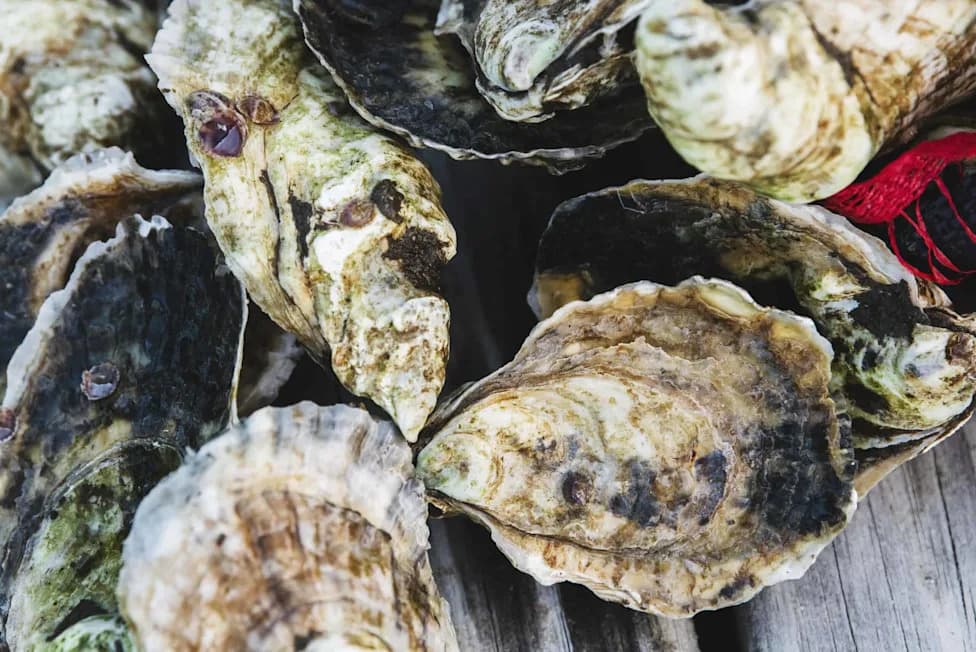
From a small fishing trawler on the Adriatic, researchers from the University of Bologna are gently releasing thousands of common octopus hatchlings in a bid to curb a fast-spreading invasive blue crab that has devastated local clam and mussel beds.
Background
The blue crab, native to the Atlantic coast of North America, likely arrived in the Mediterranean decades ago via ships' ballast water. Warmer waters and other environmental changes have helped its numbers explode in recent years. The species — equipped with sharp bluish claws capable of prying open shells — has inflicted heavy damage in Italy's northeast, including lagoon areas off the Po River delta.
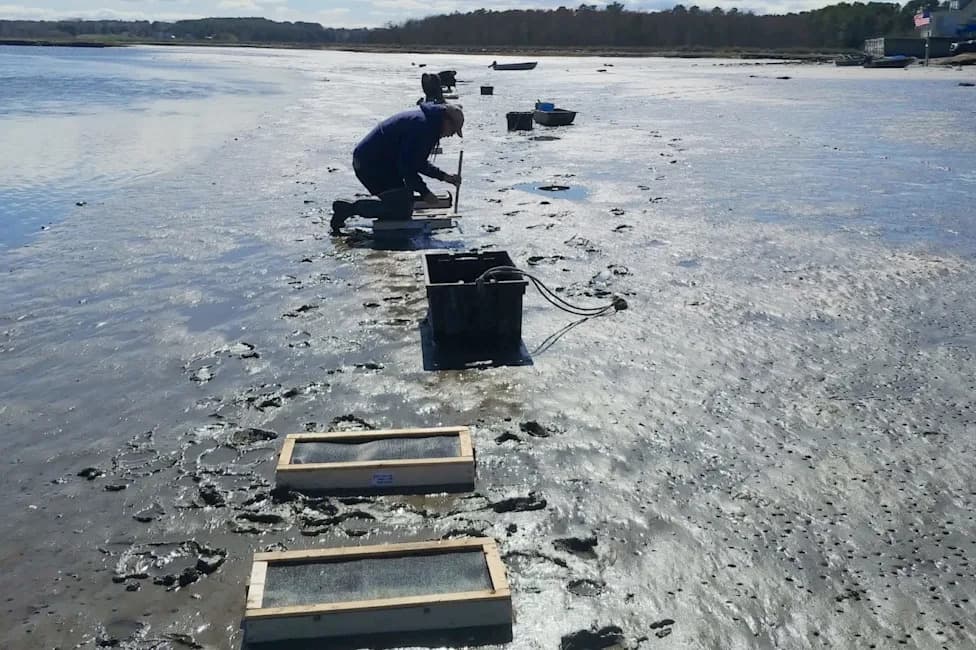
Regional authorities in Emilia-Romagna estimate nearly €17 million in losses since 2022, while national farming and fishing group Coldiretti puts the broader economic impact at about €200 million across Italy. Local fishers describe the situation bluntly: "It eats everything, including young clams lying on the seabed," says Davide Sanulli, a fisherman and mussel farmer who is helping the project.
The Octo-Blu Pilot
Launched last year and funded by the Emilia-Romagna regional government, the Octo-Blu project aims to boost inshore populations of the common octopus as a biological measure against blue crabs. Technicians at a lab in Cesenatico rear hatchlings in white-water tanks. When ready, thousands are collected, transported by boat and released near underwater reefs where cement-and-clay artificial dens have been installed to improve survival chances.
About 80,000 hatchlings have been released since June; the team aims to double that number by the end of August and hopes a portion will grow to adulthood and remain inshore. "The idea is to establish a small community close to shore so that it can better combat the spread of the blue crab," says aquaculture technician Antonio Casalini.
Limitations and Complementary Measures
The researchers acknowledge the project's limits. The common octopus does not naturally favor the warm, sandy lagoon habitats where blue crabs are most destructive, so its impact in those areas may be limited. Other experts have suggested seabass could more effectively prey on adult crabs, and the team is also exploring the role of eels, which consume crustacean eggs, to complement the octopus strategy.
‘‘Blue crabs have incredible reproductive potential,’’ notes researcher Pietro Emmanuele. A single female can lay millions of eggs; although only a fraction reach adulthood, predation on breeding females or eggs could still make a measurable difference for the ecosystem and local fisheries.
Outlook
The Octo-Blu pilot is an experimental, ecosystem-based response to an urgent invasive-species problem. If the approach is scaled up and combined with other biological controls and fisheries management, it could help reduce blue crab numbers and ease pressure on the Adriatic's shellfisheries — but significant challenges remain.
Help us improve.