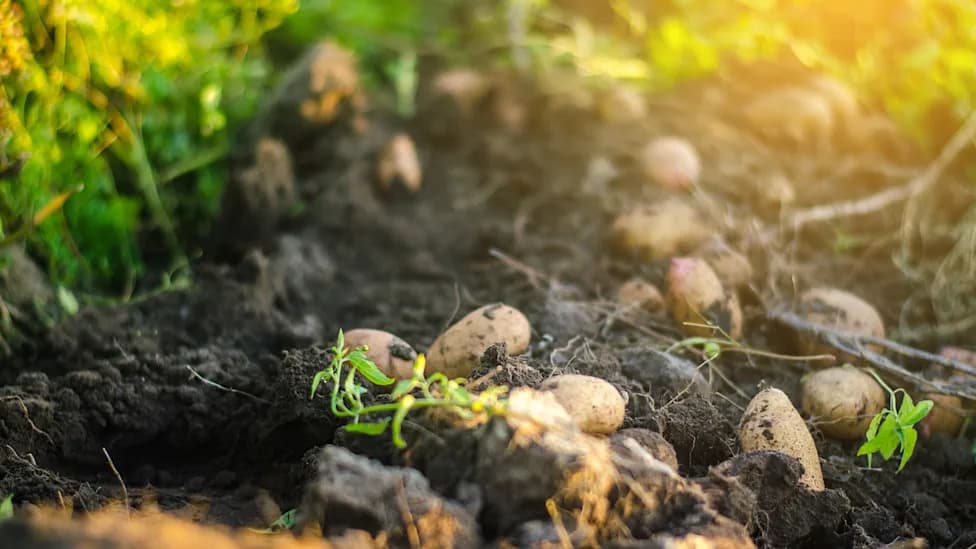
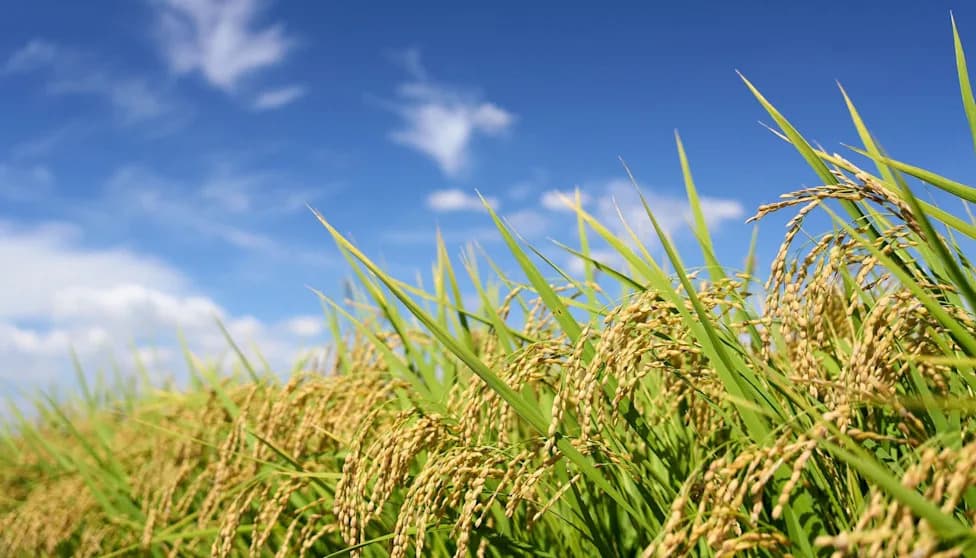
Record-breaking heat sweeping East Asia is inflicting damage not only on people and animals but also beneath the soil, where South Korean farmers report potatoes and other crops literally softening in place.
About 80 miles northeast of Seoul in Yanggu County, farmer Lee Sang-hyuk told The Guardian that tubers which looked healthy came up from the ground “like boiled potatoes.” His losses are part of a wider heatwave battering South Korea, Japan and Hong Kong.
Widespread Human and Economic Toll
South Korea’s disease control agency (KDCA) has linked the extreme heat to at least 31 deaths. Officials also reported catastrophic agricultural losses: more than 900,000 livestock and roughly 1.4 million farmed fish died as soaring temperatures stressed animals and disrupted husbandry systems.
Record Temperatures Across the Region
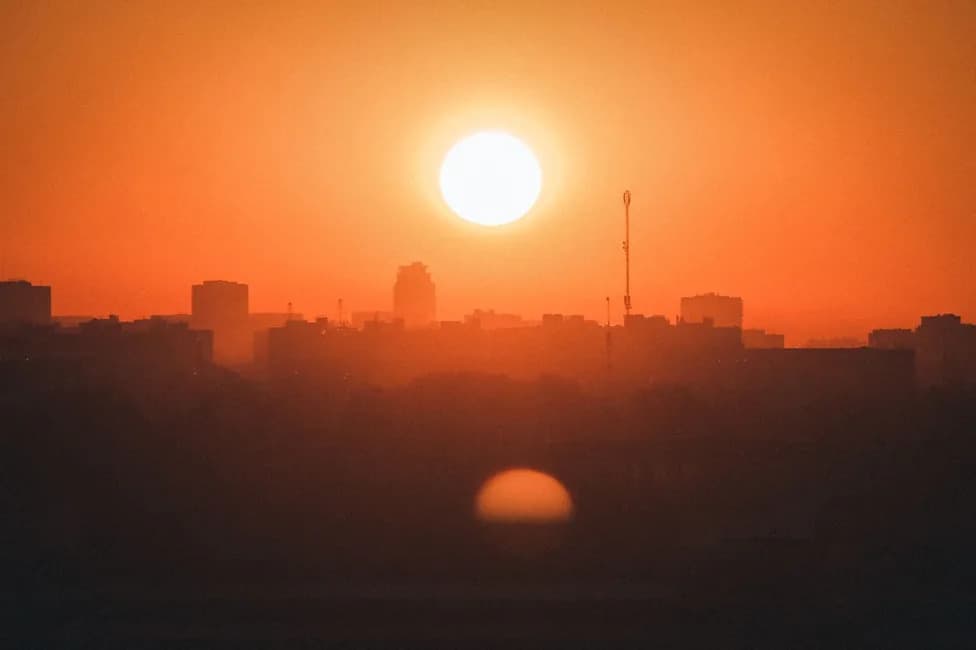
On Aug. 2, Yangsan recorded 108.5°F (42.5°C) — South Korea’s highest temperature since national records began in 1904. Several locations in Japan exceeded 104°F (40°C), prompting the country’s first officially designated kokushobi, or “cruelly hot day.” Hong Kong reached 98.4°F (36.9°C), its highest official reading since records began in 1884.
“It’s not just one or two fields like this. How can I even put it into words? It’s so upsetting,” said Lee Sang-hyuk, describing the damage to his crops.
Climate Link and Scientific Findings
Attribution analyses and climate agencies tie the extreme heat to human-caused warming. Researchers at Japan’s Weather Attribution Centre concluded that the intense July heat would have been “virtually impossible” without global warming. The World Meteorological Organization reports that Asia’s warming rate from 1991–2025 roughly doubled compared with the prior three decades.
June-Yi Lee, a climate scientist at Pusan National University and coordinating lead author on the UN’s latest climate assessment, said the event likely reflects a combination of atmospheric patterns amplified by long-term warming.
Calls For Action
Officials have issued heat warnings urging people to stop outdoor activities during peak risk periods. Experts stress that both emissions reductions and adaptation measures are essential. Recommended steps include stronger early-warning systems, better protections for outdoor workers, and farm insurance products that reflect rising climate risks.
Impact on Farmers: Watermelon grower Hong Kyung-hee reported fruit turning to mush, and strawberry farmer Yoon Woo-ha lost three-month-old seedlings that were uninsured, underscoring economic vulnerabilities for smallholders.
As governments and communities respond, scientists warn that such extremes are likely to become more frequent unless global emissions are rapidly curtailed and adaptation is accelerated.