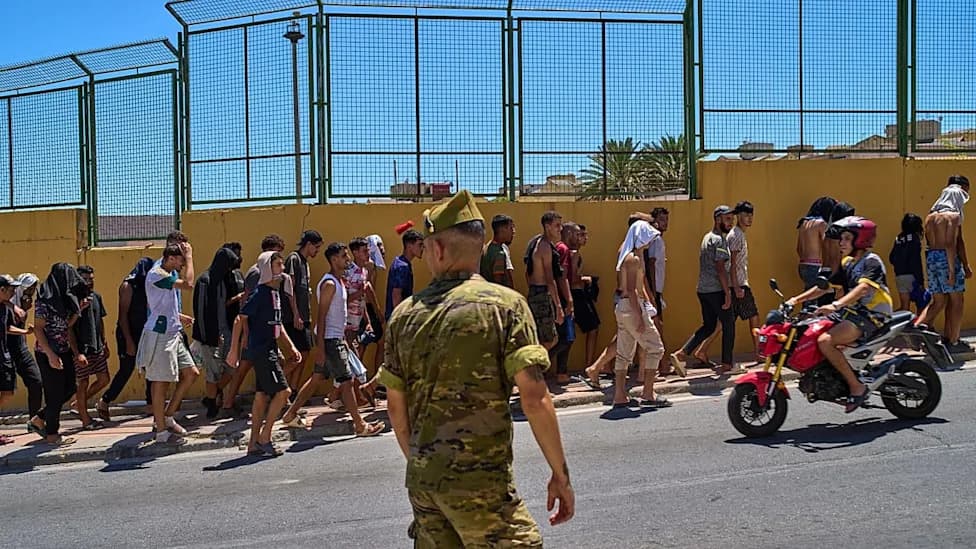
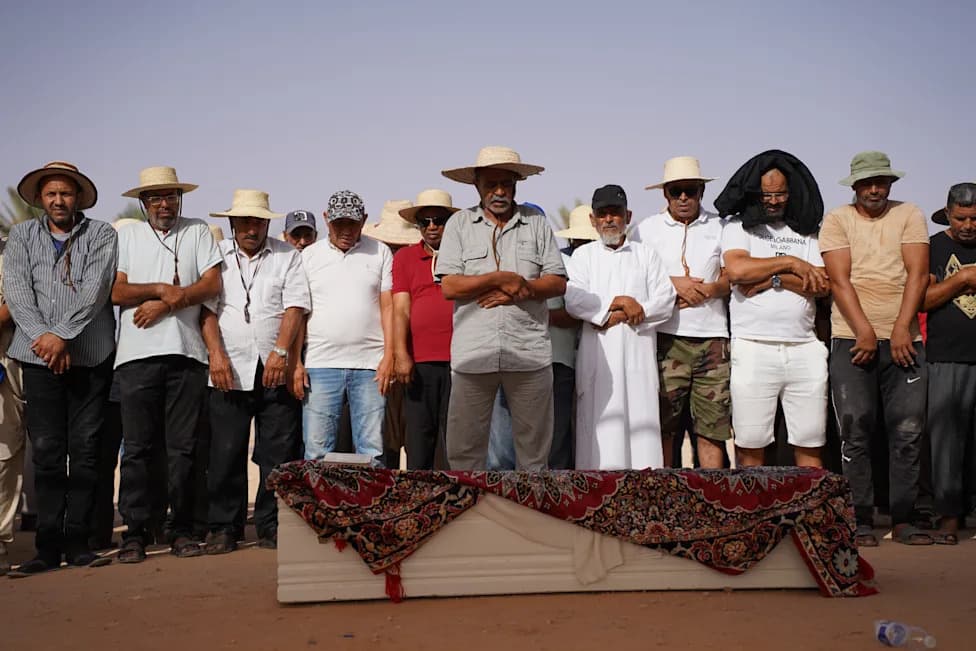
The chaotic surge of more than 70,000 people toward Ceuta after rumors the border had opened resulted in at least 90 deaths. Victims include a 31-year-old physics graduate who hoped to fund his mother’s surgery, a 28-year-old second-division footballer chasing opportunities in Europe, and a 19-year-old student who could not swim. Autopsies on 82 migrants in Spain have been completed; families face DNA checks, paperwork and reported repatriation costs amid disputes between Moroccan and Spanish authorities.
Ceuta Migrant Tragedy: At Least 90 Dead — Stories of a Physics Graduate, a Footballer and a Teen
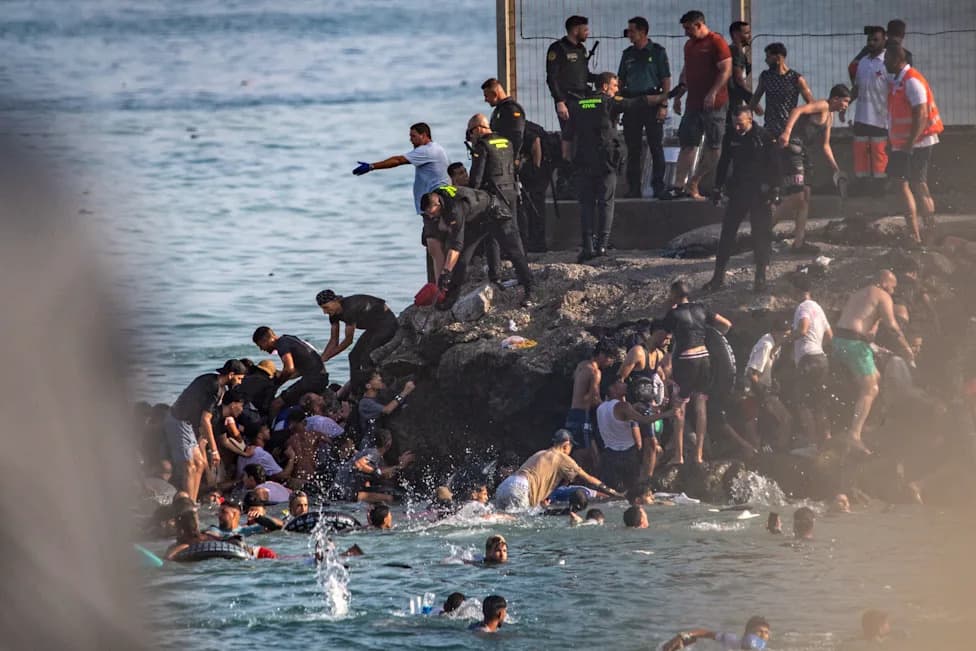
Migrants try to cross from Morocco into the Spanish enclave of Ceuta, Thursday, July 30, 2026. (AP Photo/Antonio Sempere)(AP Photo/Antonio Sempere)
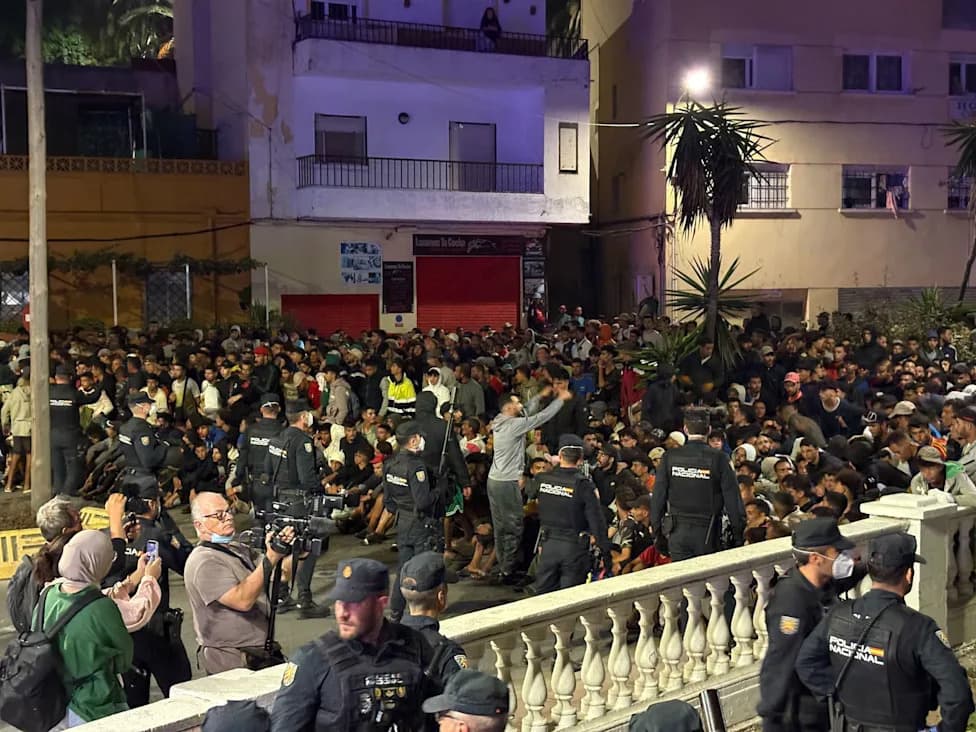
More than 70,000 people surged toward Ceuta after rumors spread that Morocco’s border with the Spanish exclave had opened. The chaotic attempt to reach Europe by swimming or scaling a breakwater became one of the deadliest migration incidents between Morocco and Spain in recent memory, leaving at least 90 people dead according to official tallies and many families still searching for loved ones.
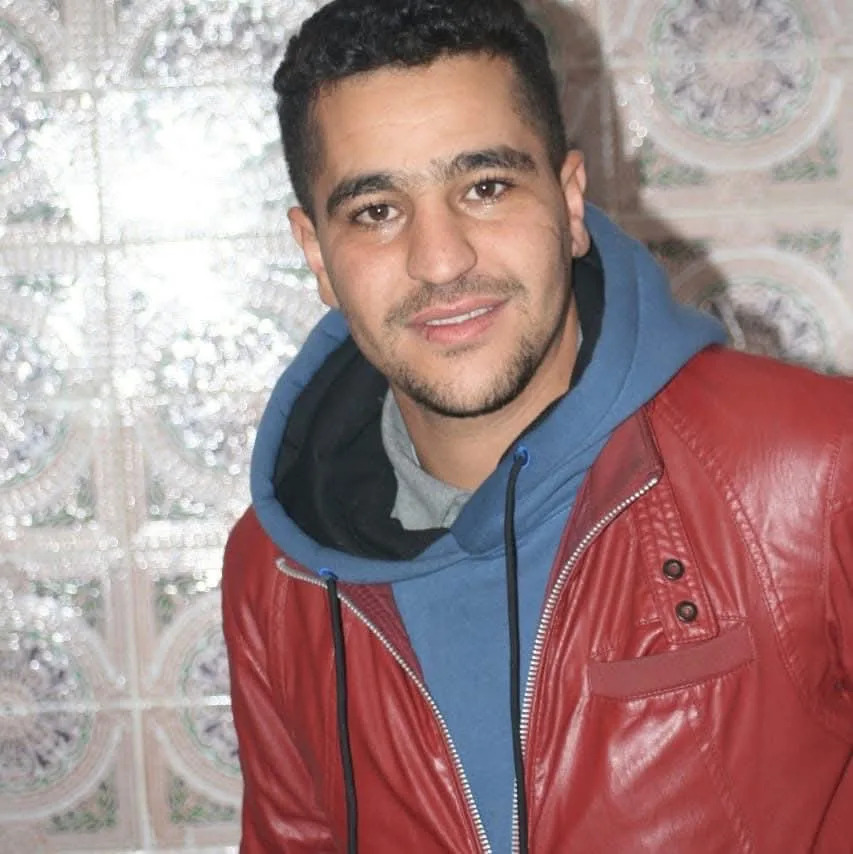
This undated image, provided by his family, shows Ayoub Akbili, a man who died while trying to cross from the Moroccan border town of Fnideq to the Spanish enclave of Ceuta. (AP Photo)(AP via AP)
What Happened
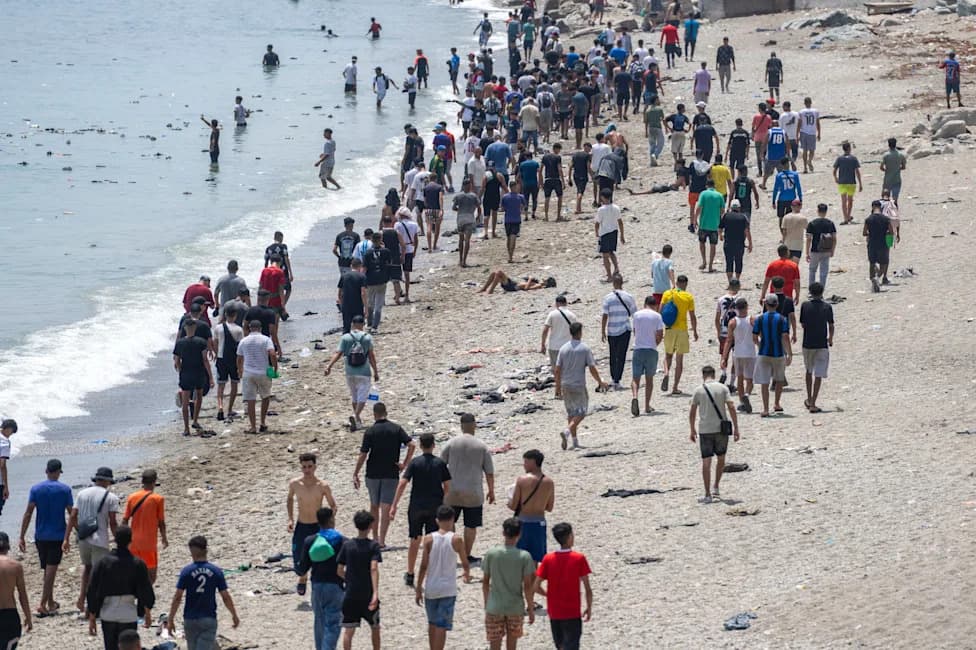
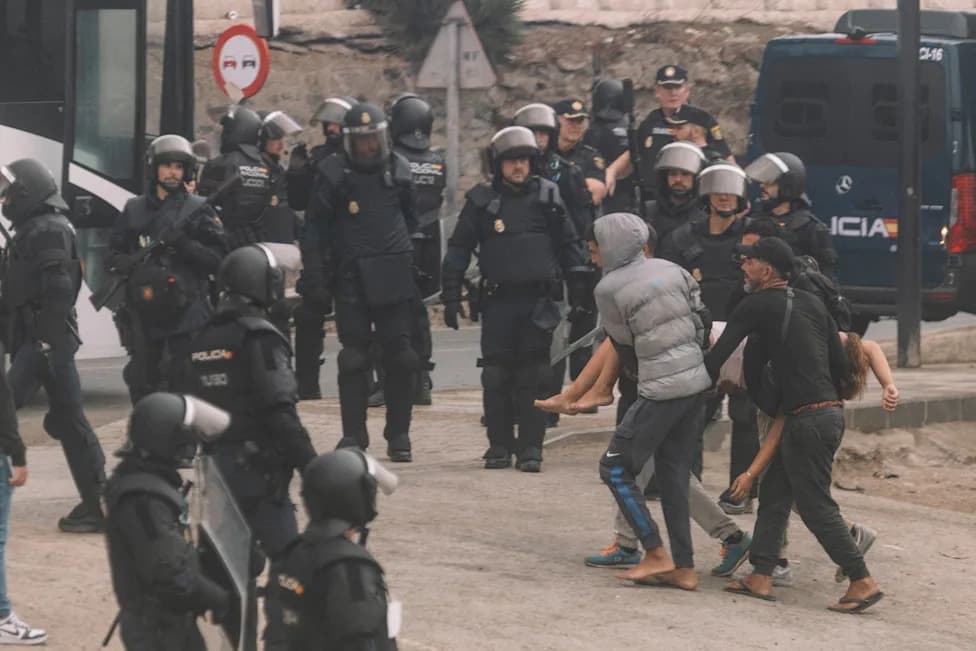
Fanned by social media claims, dire economic conditions and the work of smuggling networks, large crowds converged on the Ceuta frontier. Security forces tried to disperse the surge, and scenes of confusion, tear gas and crushing crowds followed. Survivors have largely returned to Morocco while both governments tightened border controls.
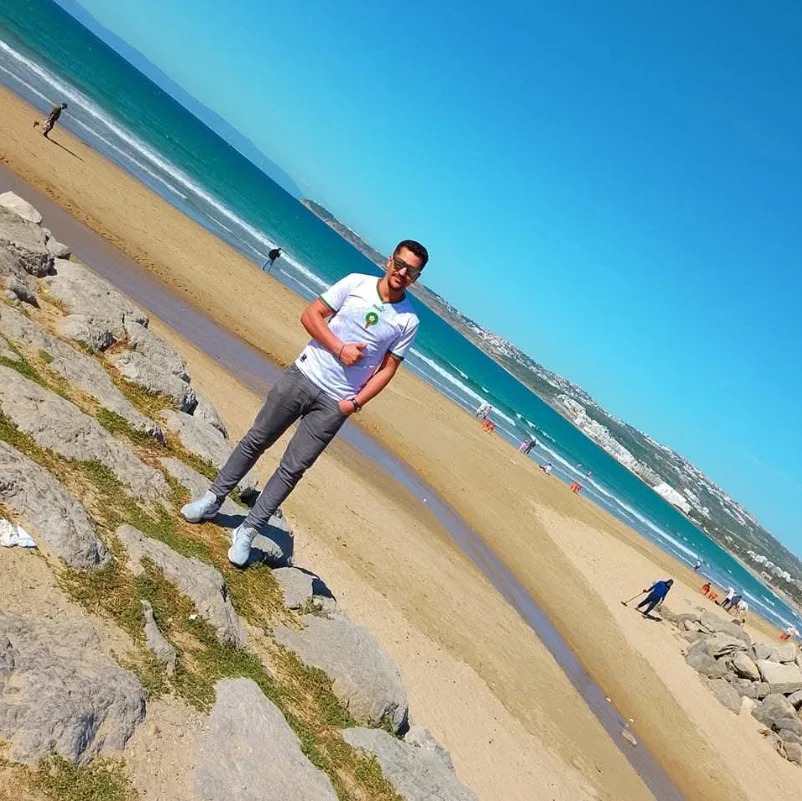
This undated image, provided by his family, shows Ayoub Akbili, a man who died while trying to cross from the Moroccan border town of Fnideq to the Spanish enclave of Ceuta. (AP Photo)(AP via AP)
Three Personal Stories
Ayoub Akbili, 31 — Physics Graduate
Akbili, from Tangier, held a college degree in physics but worked at a car-parts factory earning about $421 a month. He hoped to earn money to pay for his mother’s hernia surgery. According to an Interior Ministry document obtained by the AP, Akbili died on July 31; his death was classified as "unnatural" and attributed to "severe head trauma." Family members were told he fell from a cliff, but some relatives question that account and have called for further investigation.
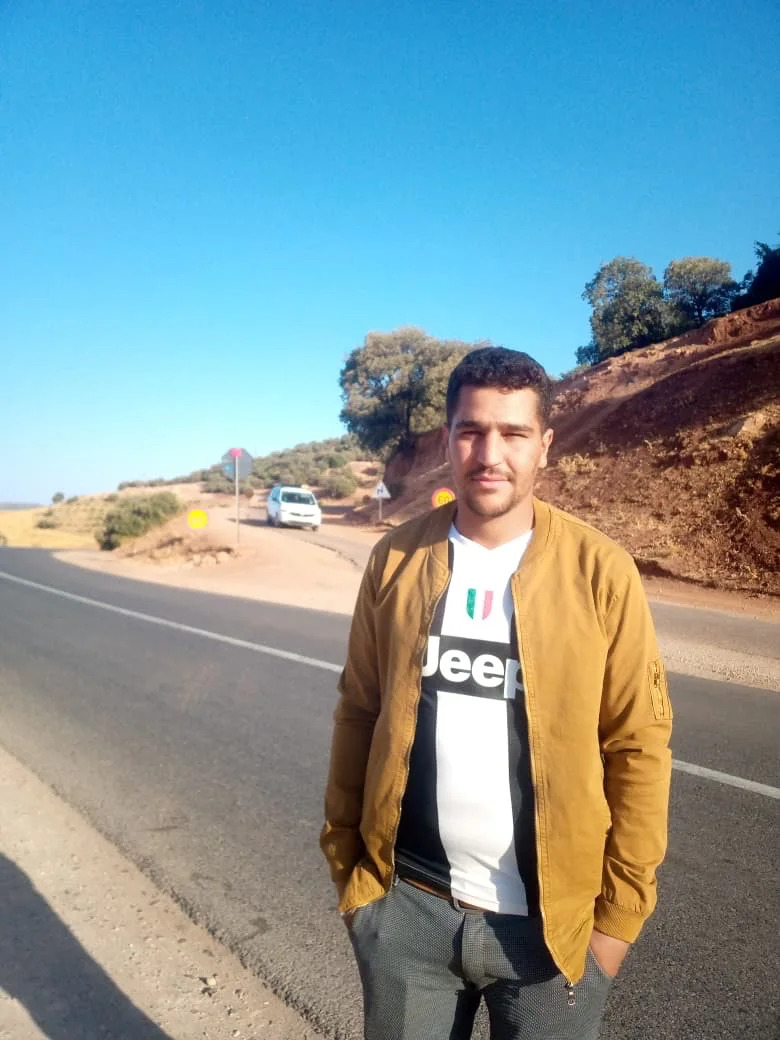
This undated image, provided by his family, shows Ayoub Akbili, a man who died while trying to cross from the Moroccan border town of Fnideq to the Spanish enclave of Ceuta. (AP Photo)(AP via AP)
Hamza Haibouri, 28 — Second-Division Footballer
Haibouri played for Kenitra Athletic Club and earned roughly $540 a month when he was active, though he had not played this year. A childhood dream of playing in Europe and improving his life prompted him to join the crowd toward Ceuta while on vacation in Martil. His death was later confirmed by his club’s fan group; relatives say DNA testing was used to confirm his identity.
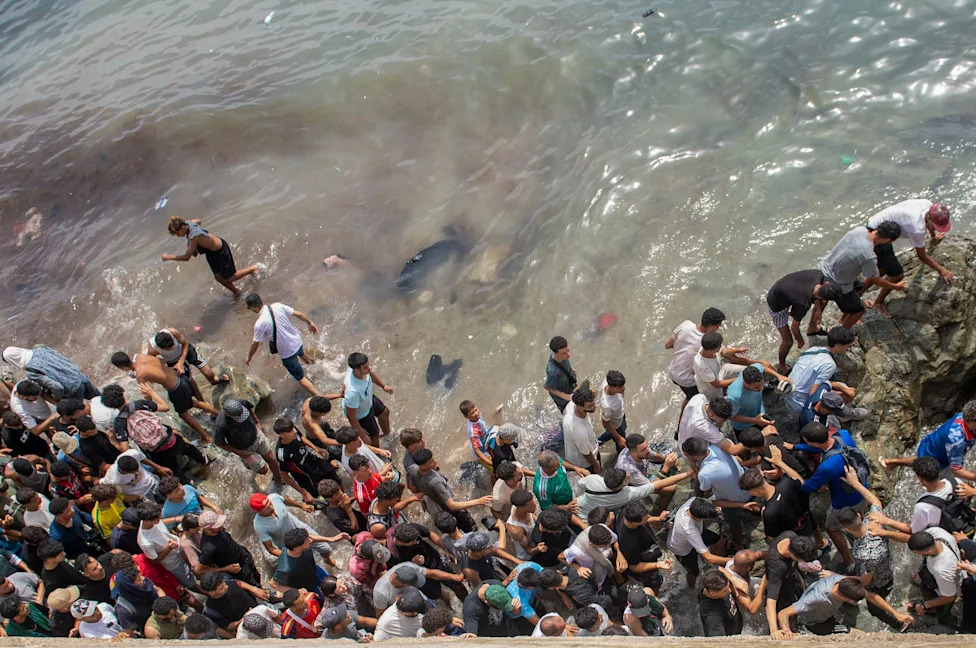
People walk on a beach as they attempt to cross from the Moroccan northern town of Fnideq to the Spanish enclave of Ceuta, Friday, July 31, 2026. (AP Photo)(AP Photo/STR)
Abdelouahed Iken, 19 — High-School Student
Iken, who was finishing high school in Agadir, had been inspired by a friend’s posts from Italy. Although he could not swim, he bought a life jacket for the crossing. Friends who returned said they saw him struggling in the water before he drowned. His family learned of his death on social media and is seeking to repatriate his body.
Aftermath: Autopsies, Repatriation and Bureaucracy
Ceuta’s forensic team has completed autopsies on 82 migrants brought ashore in Spain. Authorities have used DNA testing to help confirm identities. Families report being asked to pay roughly €2,500 to repatriate bodies; the AP could not independently verify that fee. Repatriation typically requires Moroccan consular authorization, a Spanish mortuary transit document, a sealed coffin and a health certificate.
A Ceuta government spokesperson said paperwork for returning the bodies was complete but that Morocco had not accepted it. Moroccan officials did not respond to detailed AP questions about delays, responsibility for costs or whether government assistance would be offered to families.
Wider Context
Many Moroccans view Europe as a place for work, stability and higher pay. Remittances sent home by Moroccans living abroad totaled about $6.6 billion in the first half of this year — more than 3% of Morocco’s GDP — highlighting the economic incentives that drive migration despite risks.
"He was telling me at the border, 'I will never come back,'" said Akbili’s roommate Abdelhakim Saadaoui. "And indeed, he will never come back."
The Trade Union Network for Migration in Morocco has urged both Madrid and Rabat to share responsibility for covering repatriation costs and to do more to support grieving families. Calls for transparent investigations into deaths and better information to counter dangerous rumors on social platforms have intensified in the wake of the tragedy.
Help us improve.