The Stanford-led study published in The Lancet Planetary Health shows older adults are far more susceptible to heat than earlier estimates indicated because prior wet-bulb tests focused on young, healthy volunteers. Using new experiments on people aged 60+ and global demographic projections, the models find that at 1.5°C warming 22% of those over 60 would face at least one month of unsafe heat per year, and each extra degree would add roughly one billion more people to that burden. At 3°C, parts of South Asia and the Gulf could experience dangerous, day-and-night heat for up to three consecutive months, prompting calls for faster emissions cuts and prioritized cooling for older people.
Study: Elderly Far More Vulnerable To Heat Than Previously Estimated — Millions At Risk
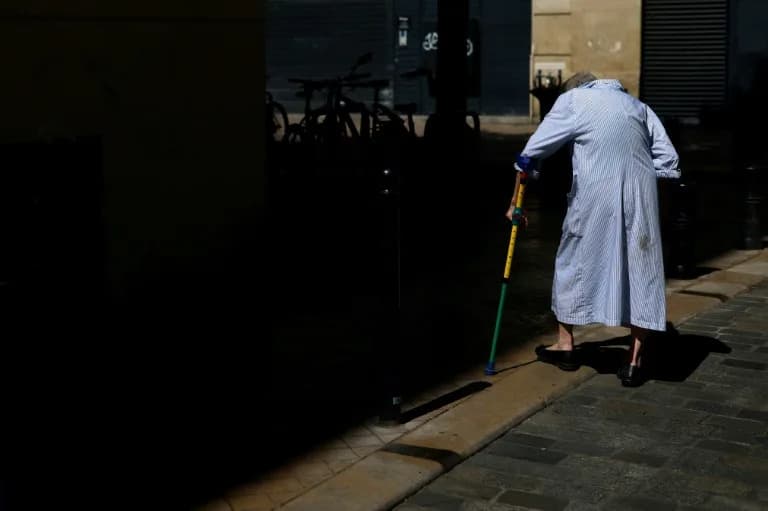
Heat beyond the level the elderly can tolerate will affect 'far more people than previously estimated', the researchers warned (ROMAIN PERROCHEAU)
A new US modelling study led by researchers at Stanford University and published in The Lancet Planetary Health finds that the danger rising temperatures pose to older adults has been substantially underestimated. The study combines updated wet-bulb tolerance experiments for people aged over 60 with global warming scenarios and demographic projections to assess future heat risk.
New Method, Different Picture
Previous assessments of uncompensable heat — heat and humidity levels beyond what the human body can tolerate — relied on wet-bulb experiments conducted on young, healthy volunteers. Those experiments did not capture physiological changes common among older adults, such as reduced sweat rates, weaker cardiac reserve and a higher prevalence of chronic conditions that reduce heat tolerance.
To address this gap, the authors incorporated recent US-based wet-bulb experiments that tested heat tolerance specifically in people aged 60 and over, then modelled impacts for three age groups through 2100 under a range of global-warming scenarios while accounting for an ageing global population.
Key Findings
"Intolerable heat will be experienced at much larger scales and for longer durations, affecting far more people than previously estimated," the study concludes.
Among the study's headline results:
- At 1.5°C of warming above pre-industrial levels, an estimated 22% of people aged over 60 worldwide would be exposed to unsafe heat for at least one month each year.
- Each additional degree of warming would expose roughly one billion more people to about one extra month per year of heat and humidity beyond their bodies' tolerances.
- If warming reaches 3°C, elderly populations in the worst-affected regions — notably South Asia and parts of the Gulf — could face dangerous, around-the-clock heat for up to three consecutive months annually.
Who Is Most At Risk
The study highlights that the highest risks are concentrated in low- and middle-income countries with limited access to cooling infrastructure. Countries singled out as particularly vulnerable include India, Pakistan, Bangladesh, Myanmar and Niger.
Implications
Researchers warn that expanding zones of "uncompensable heat" could drive internal displacement and cross-border climate migration, creating novel humanitarian and policy challenges. Because most heat-related deaths occur indoors, improving access to cooling — including air conditioning and other community cooling solutions — is especially critical.
Recommendations
The authors call for rapid reductions in greenhouse-gas emissions to limit warming and for heat mitigation and adaptation plans that prioritise older adults. They recommend targeted public-health measures, expanded access to cooling, and planning for potential population movement linked to intolerable heat.
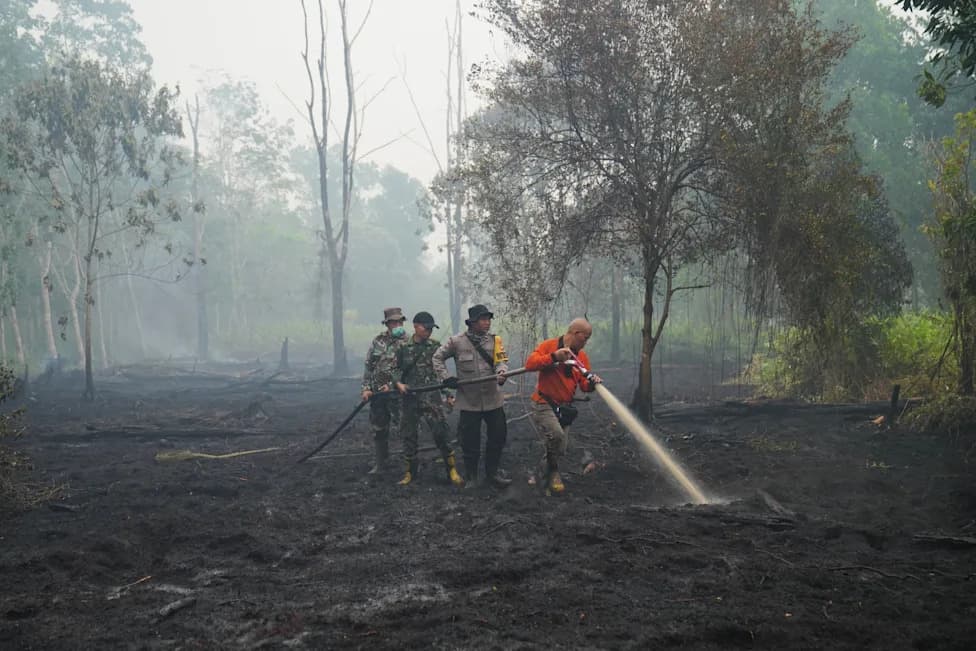
Meanwhile, Europe experienced extreme wildfires, long heatwaves and drought during what is expected to be its hottest summer on record, and forecasters warn that next year may be even hotter.
Help us improve.