The FDA reports additional cyclospora infections are tied to outbreaks without an identified source, even as the iceberg lettuce-linked cluster expands to include Maine and Massachusetts. Nearly 14,000 domestically acquired infections have been confirmed since May, far exceeding last year’s totals, and at least 9,480 cases are connected to the lettuce outbreak. Investigators are tracking seven active outbreaks, but long incubation periods and sequencing challenges mean some probes may take significant time. Health officials urge anyone with prolonged diarrhea to seek medical care; treatment typically includes antibiotics, hydration and symptom management.
Cyclospora Cases Surge: Multiple Outbreaks Lack Identified Source as Iceberg Lettuce Cluster Expands
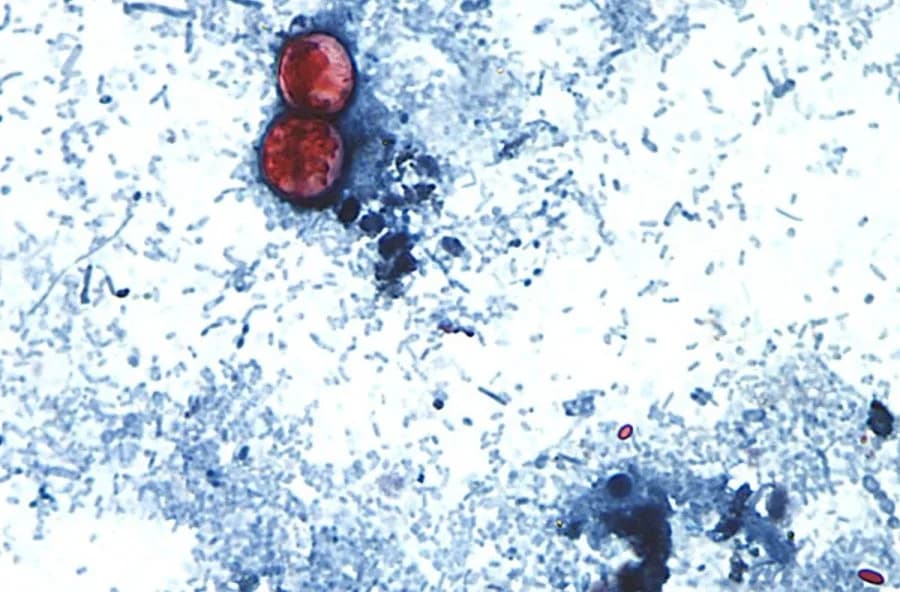
Cyclospora outbreaks with no confirmed sources grow: FDA
The Food and Drug Administration (FDA) says additional cyclospora cases have been linked to outbreaks for which investigators have not yet identified a source, while the outbreak tied to iceberg lettuce has expanded to include Maine and Massachusetts.
According to the Centers for Disease Control and Prevention (CDC), nearly 14,000 domestically acquired cyclospora infections have been confirmed in the United States since May — a dramatic increase compared with roughly 1,180 cases reported from May through August last year. At least 9,480 of this year’s illnesses occurred in the 17 states associated with the iceberg lettuce outbreak.
The FDA is tracking seven active cyclospora investigations. Three smaller probes — which sickened 18, eight and two people, respectively — have been closed. So far, only the iceberg lettuce outbreak has an identified source.
Two ongoing investigations have recently grown: one first reported in early August has increased to 11 cases, and another that began in late July has risen to 172 cases (up from 115). The FDA continues traceback work on those outbreaks as well as on three other active investigations.
Gwen Biggerstaff, deputy director of the CDC’s Division of Foodborne, Waterborne, and Environmental Diseases, has noted that long incubation periods and difficulties sequencing cyclospora make source identification slow and challenging for investigators.
Health officials caution that the true number of cases is likely higher than official counts. Not everyone who becomes infected develops symptoms, seeks care, or receives laboratory testing, and symptoms can take weeks to appear.
A Nexstar analysis of state health data found more than 30,000 confirmed or probable cases of cyclosporiasis reported nationwide this year. That figure includes illnesses acquired domestically and internationally and, in some states, probable cases not yet laboratory confirmed.
In Michigan, two patients who became ill before the lettuce recall later died; state health officials said both had significant underlying health conditions.
Symptoms, Treatment and What To Do
People with persistent gastrointestinal symptoms — especially diarrhea lasting more than a week or two — should seek medical attention. Left untreated, cyclosporiasis can persist for a month or longer. Treatment commonly cited by clinicians and the Cleveland Clinic includes the antibiotic combination trimethoprim-sulfamethoxazole (the standard therapy for cyclosporiasis), antidiarrheal medications as recommended by a provider, and adequate hydration.
The FDA and state partners continue traceback and laboratory work to identify contaminated products. Because cyclospora can be difficult to sequence and infections can have a long incubation period, some outbreaks may take substantial time to resolve and pinpoint.
Sources: FDA tracking updates, CDC reports, Nexstar analysis, Cleveland Clinic guidance.
Help us improve.