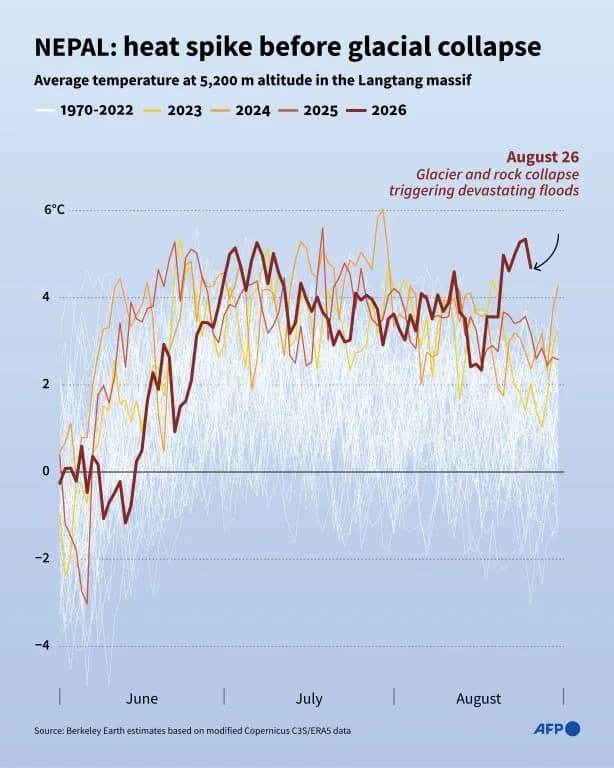
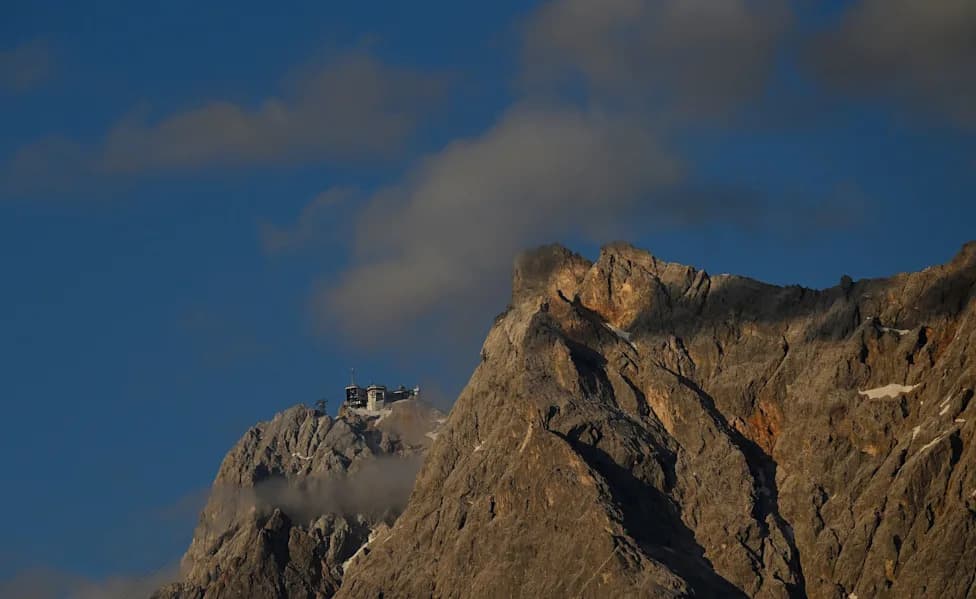
Passo Stelvio, a high-altitude summer ski area in northern Italy that normally operates from May to November, has paused operations after heatwaves and storms damaged glacier conditions and made skiing unsafe. The closure follows similar shutdowns at Saas-Fee and Zermatt amid an unusually hot Western European summer. Officials and scientists link the extreme heat to human-driven climate change, and Swiss monitoring data show a roughly 25% loss in ice mass over the past decade. Resorts across the Alps are facing higher freezing levels, more closures, and a push to diversify beyond skiing.
Passo Stelvio Suspends Summer Skiing as Record Alpine Heat Degrades Glaciers
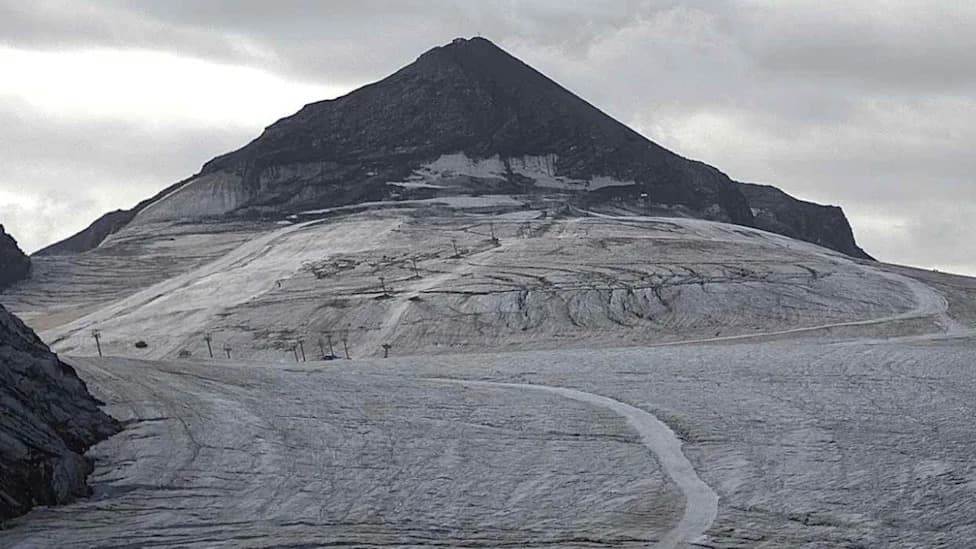
Another European Summer Ski Area Shuts Down Amid Soaring Heat
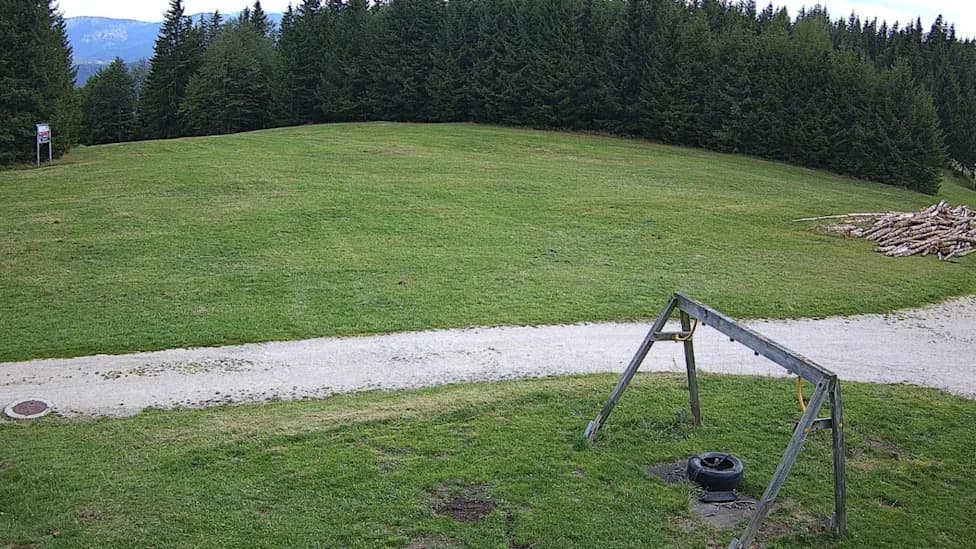
Passo Stelvio, a high-altitude summer ski area on a mountain pass in northern Italy, has temporarily suspended its seasonal operations after unusually high temperatures and repeated storms degraded glacier conditions and made skiing unsafe.
The facility, which typically operates from May through November and is popular with elite athletes training outside the traditional winter season, said heat waves reaching high elevations, the absence of cold nighttime temperatures and frequent storms have compromised the glacier and its safety standards.
“This decision, painful but necessary, has been made unavoidable by the adverse weather conditions affecting the area over the past few weeks,” the resort said on its website, adding that current conditions prevent the team from guaranteeing the usual standards of quality and safety required for summer skiing.
The closure follows similar temporary shutdowns this season at other high-altitude European summer ski sites, including Switzerland’s Saas-Fee and Zermatt, as Western Europe records an unusually hot season.
Climate Context and Wider Impacts
Scientists and officials link this extreme heat to human-driven climate change. The World Meteorological Organization warned earlier this summer that such heatwaves are consistent with a warming climate. John Kennedy, head of climate information at the WMO, noted that Europe has warmed by about two degrees since the landmark 1976 heatwave and that temperature extremes are increasing.
“Heatwaves like this are what we expect to see in a changing climate,” Kennedy said in a statement earlier this summer.
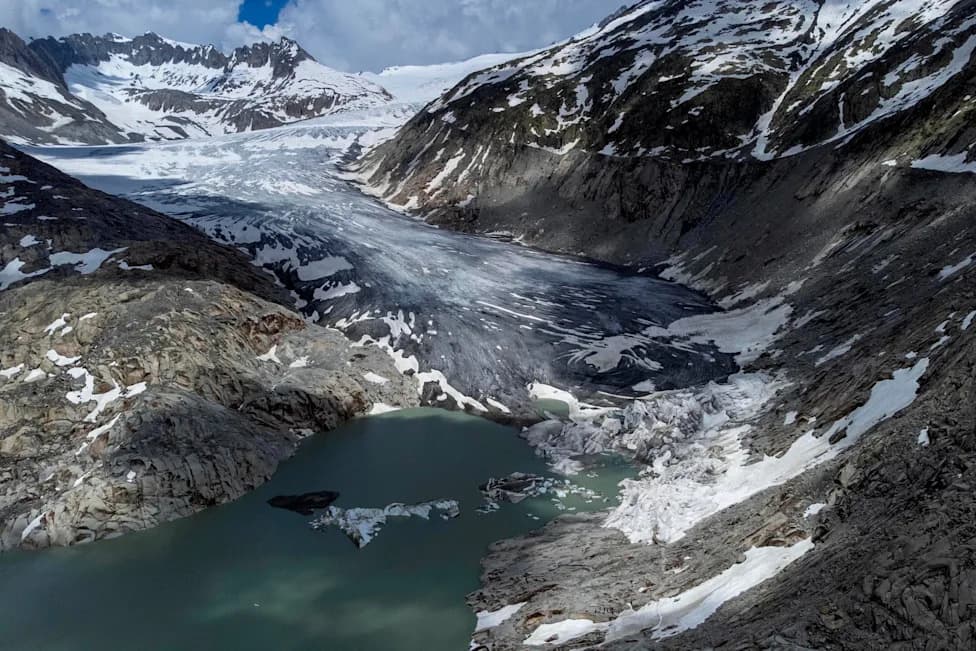
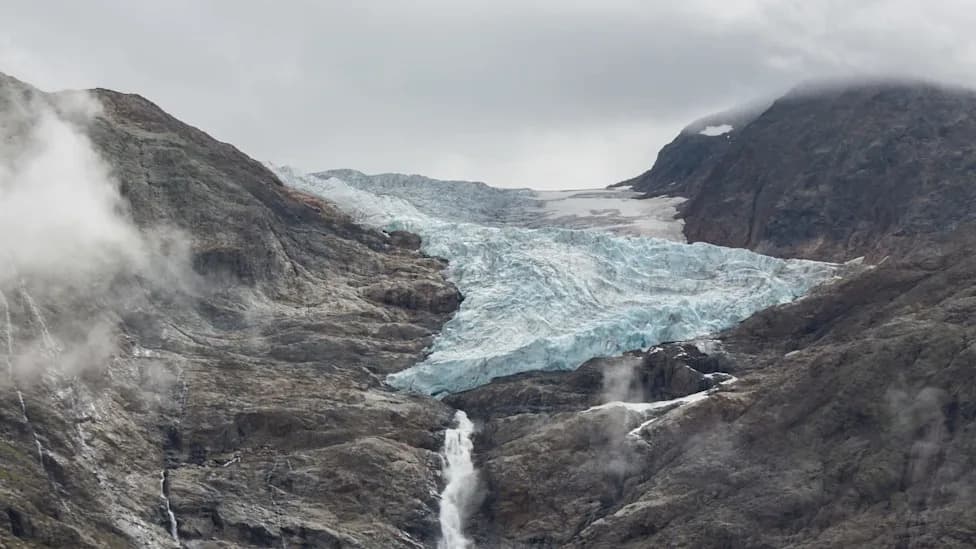
Higher freezing levels and diminished glacier mass are already reshaping Alpine ski operations. Some mountains have closed completely for lack of snow, while many resorts are diversifying into off-season activities that do not depend on reliable glacier cover or snowpack.
Swiss monitoring group GLAMOS and the Swiss Academy of Sciences reported last year that Switzerland lost roughly one-quarter of its ice mass in the previous decade — a trend that threatens the long-term viability of summer skiing in the Alps.
Passo Stelvio officials said their team will continue to monitor mountain and glacier conditions closely in the hope that lower temperatures and improved ice will permit a safe reopening.
Originally published by Powder on Aug 17, 2026.
Help us improve.