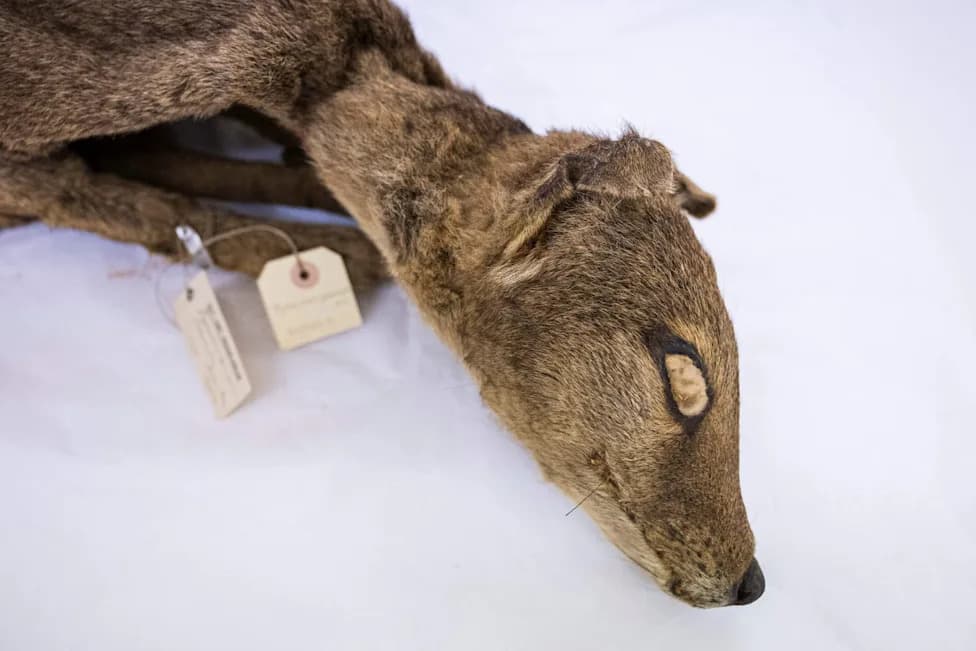
A novelty 'fox head' bought for about £50 at an antiques fair was authenticated as a thylacine (Tasmanian tiger) skull and sold at auction for about £62,000. Taxidermy enthusiast James Cranfield identified the specimen by its teeth and won the lot after travelling early to the sale. Specialists are now running tests to confirm provenance and assess potential for DNA recovery, and Cranfield says he is open to collaborating with museums and biotech groups.
£50 'Googly‑Eyed Fox' Revealed As Rare Tasmanian Tiger Head — Sells For ~£60K
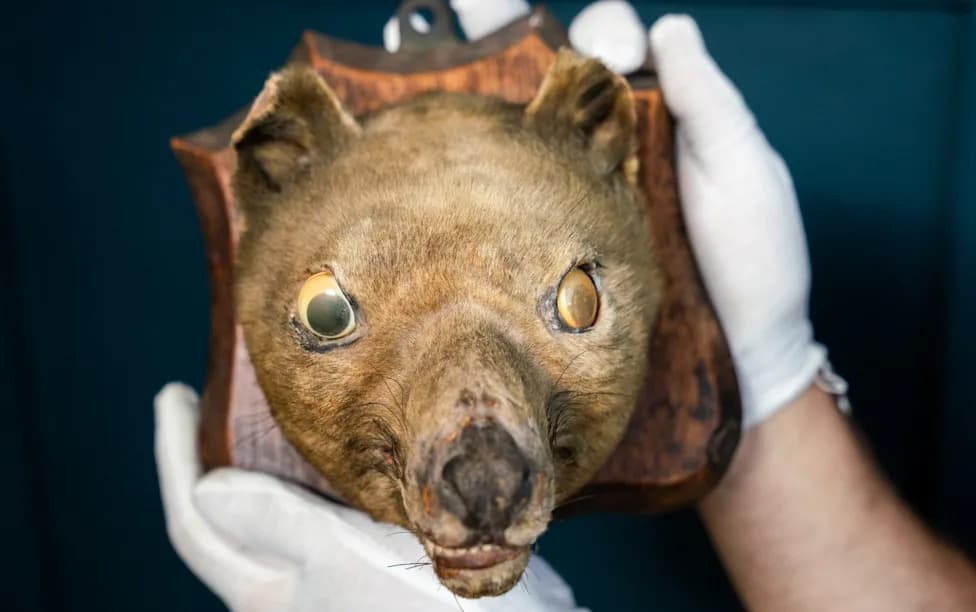
The 'fox head' which turned out to belong to an extinct Tasmanian Tiger - William Dax / SWNS/SWNS
A novelty 'googly‑eyed fox' head bought for about £50 at a West Country antiques fair was authenticated as the skull of a thylacine — the extinct Tasmanian tiger — and sold at auction for roughly £62,000 (about £60,000 after fees).
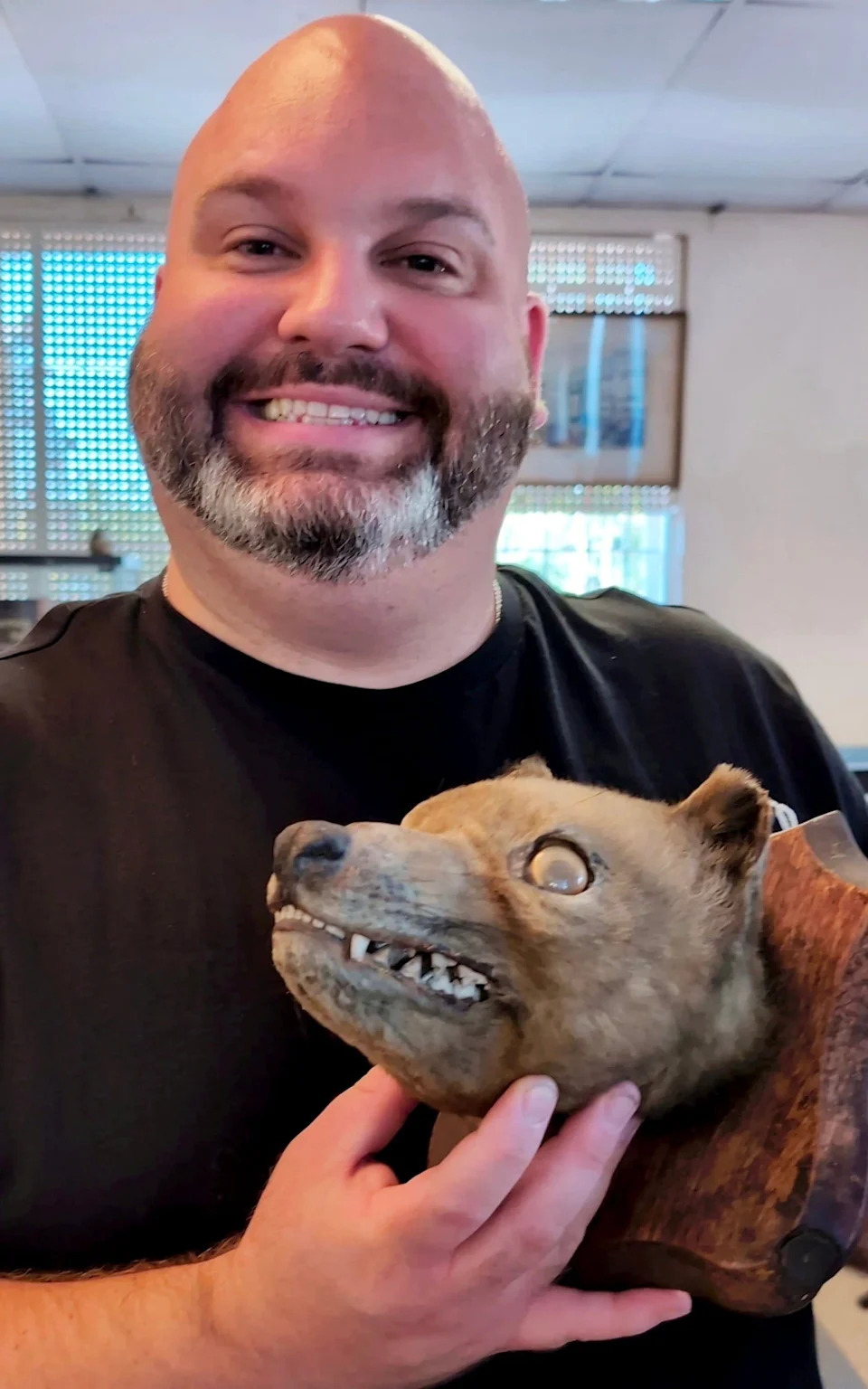
James Cranfield, the successful bidder, described it as 'the find of many lifetimes' - James Cranfield / SWNS/SWNS
Discovery and Auction
The anonymous purchaser had picked up the mount on impulse three months earlier, amused by its novelty eyes and assuming it was worth little more than the auction house reserve of £28. Staff at Auctioneum Ltd in Bristol were stunned when specialist bidders recognised the specimen and bidding rapidly escalated.
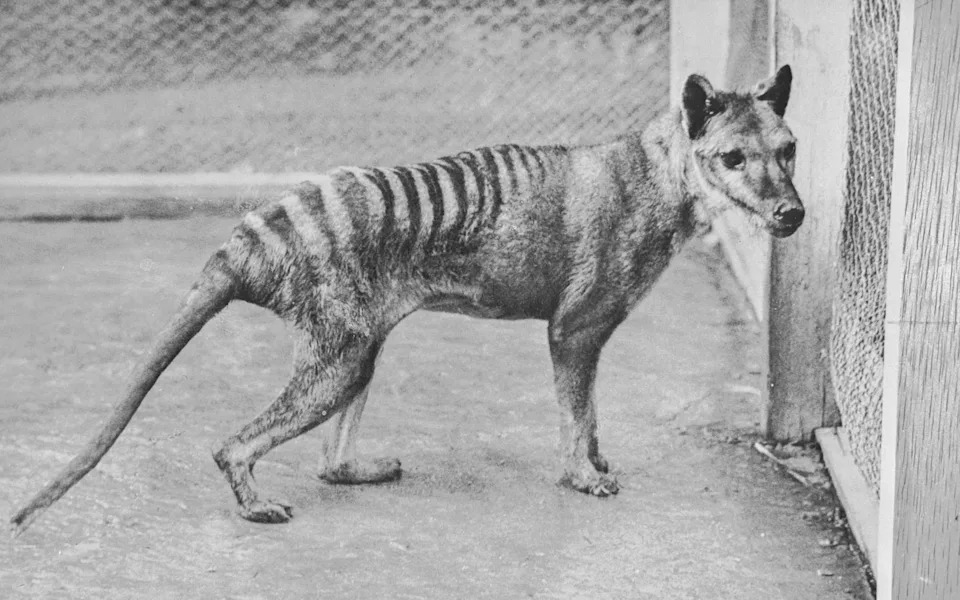
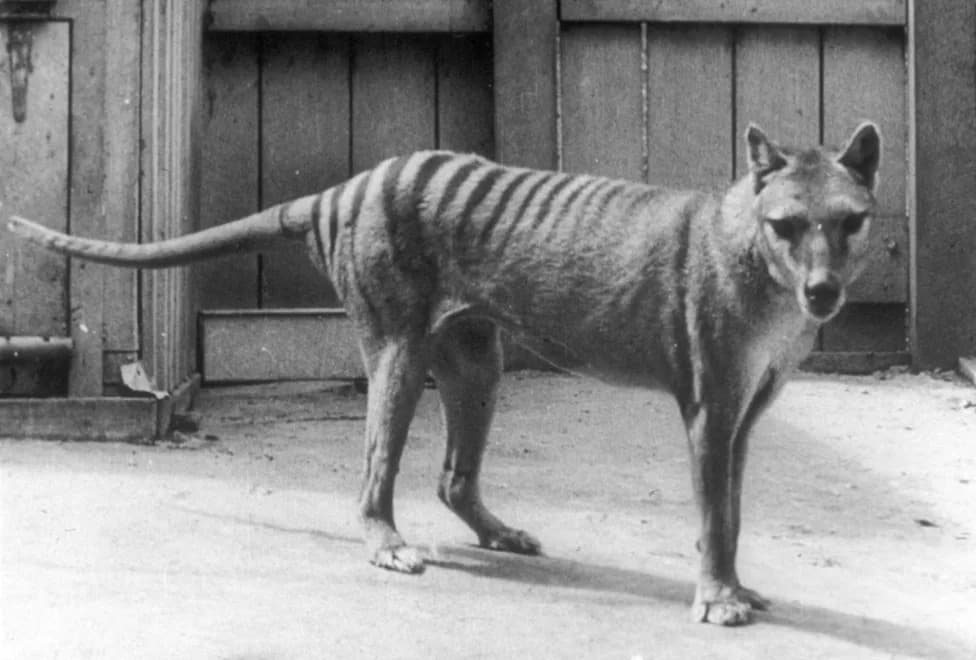
The last known Tasmanian Tiger died in captivity at Hobart Zoo in 1936 - HUM Images/Universal Images Group Editorial
'When we told the vendor how much it had sold for, I thought they were about to pass out,' said Andrew Stowe, the auctioneer. 'I actually had to offer them a chair; they couldn't believe it.'
The Buyer and Identification
The winning bidder, 38‑year‑old Essex taxidermy enthusiast James Cranfield, said he first suspected the lot was not a fox after seeing the catalogue and inspecting the teeth. Cranfield left home at 4am to attend the sale and described the purchase as 'the find of many lifetimes'.
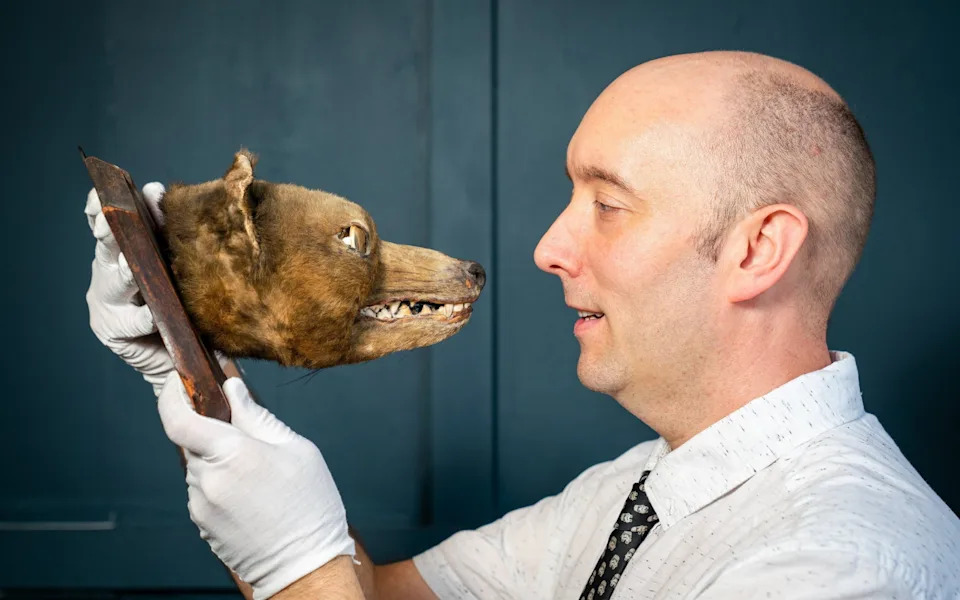
Andrew Stowe, the auctioneer at Auctioneum Ltd in Bristol, said the vendor nearly 'passed out' - William Dax / SWNS/William Dax / SWNS
'It was sat on a table surrounded by all sorts of bric‑a‑brac and pottery. It confirmed exactly what I wanted to know,' he said. Cranfield and at least one other specialist bidder quickly realised the specimen's true significance and the packed auction room fell silent as the bidding climbed into the tens of thousands.
Scientific Checks and Future Plans
The thylacine, a carnivorous marsupial native to Australia, New Guinea and Tasmania, was driven to extinction by hunting, habitat loss and introduced disease; the last known individual died in captivity at Hobart Zoo in 1936. While a handful of thylacine specimens have circulated among collectors — mainly skins made into rugs — a mounted head of this type has not been previously documented.
The acquired head is now undergoing scientific tests to confirm provenance and to assess any potential for DNA recovery. Cranfield said he is open to collaborating with specialist institutions and biotechnology firms such as Colossal to explore genetic analysis or conservation research, and he expressed a desire to make the specimen available to museums or researchers committed to preserving it 'from obscurity'.
'This was undocumented and undiscovered — and is the only known head in the world,' Cranfield said. 'For natural history collectors this is the holy grail.'
Auctioneum added that the original buyer purchased the mount simply because the novelty googly eyes made them laugh. Staff said the discovery was an extraordinary surprise and a reminder of how rare objects can turn up in unexpected places.
Help us improve.