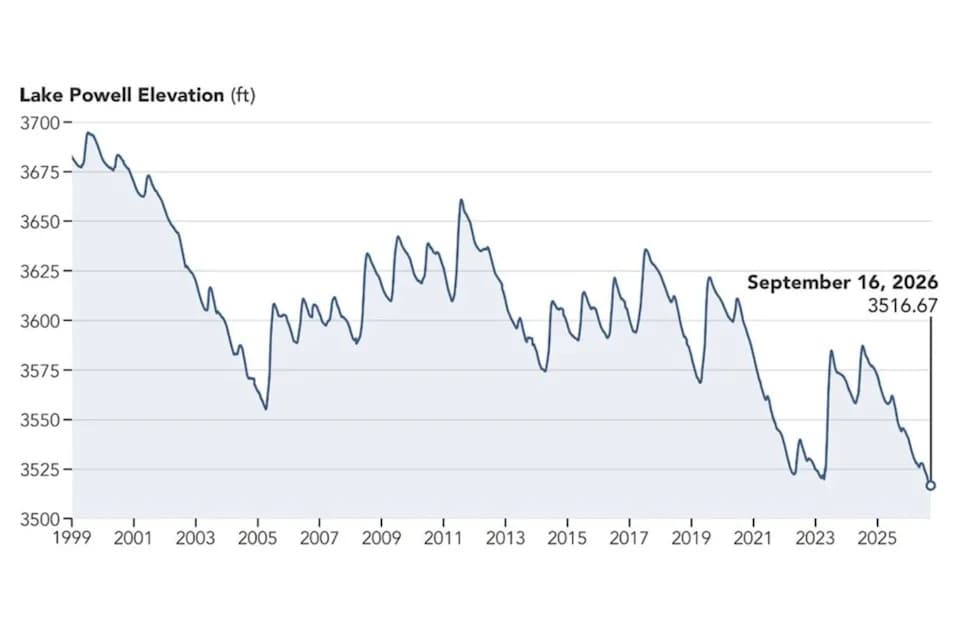
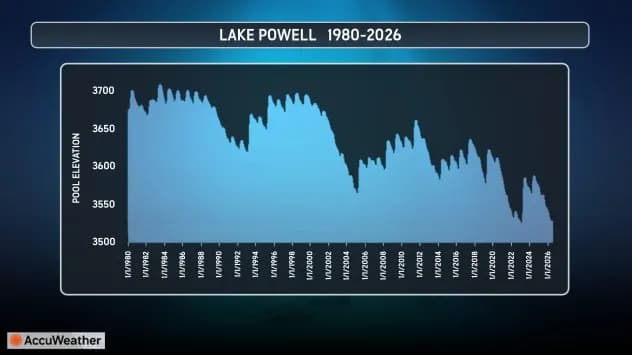
Lake Powell has dropped to a record low of 3,519.9 feet, about 30 feet above the minimum elevation needed for Glen Canyon Dam to run turbines normally, raising concerns about hydropower and water deliveries. Lake Mead is also at historic lows, with federal projections near 1,039.8 feet. A dry 2025–26 snow season, long-term overallocation and warming have driven the declines, and federal proposals could cut as much as 3 million acre-feet annually through 2036. Recreation, marinas and critical infrastructure are already being affected.
Lake Powell Hits Record Low — Southwest Hydropower and Water Supplies Under Growing Threat
AccuWeather.com
Lake Powell has fallen to its lowest elevation since the reservoir began filling more than six decades ago, bringing one of the Colorado River system's largest storage reservoirs perilously close to levels that could disrupt hydroelectric generation and water deliveries across the Southwest.
Record Low and Immediate Context
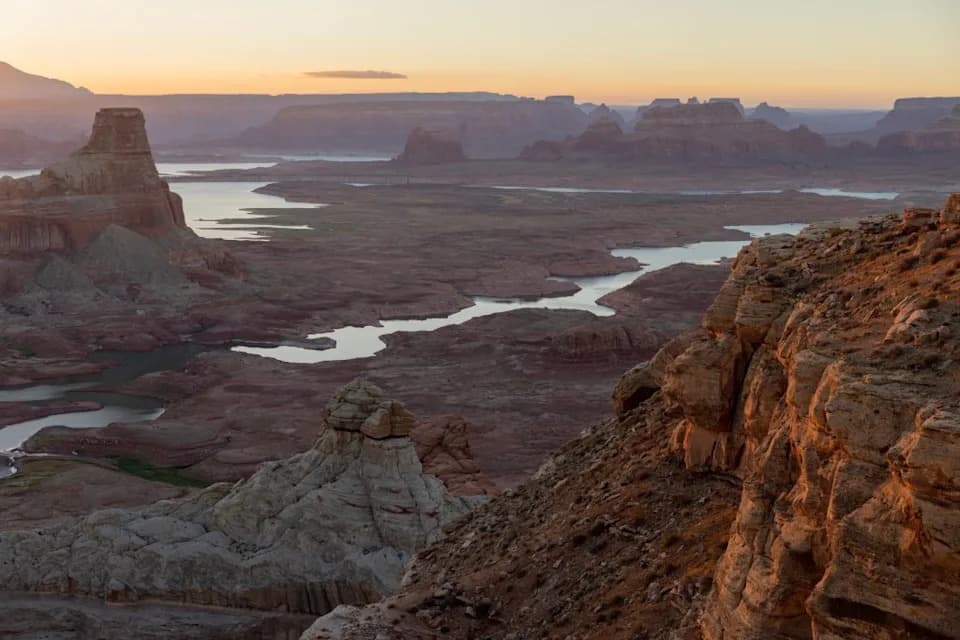
Over the weekend the U.S. Bureau of Reclamation reported Lake Powell's surface at 3,519.9 feet above sea level, below the prior record low set in April 2023. The reservoir — which straddles the Arizona–Utah border — is now more than 20 feet lower than it was at the start of 2026.
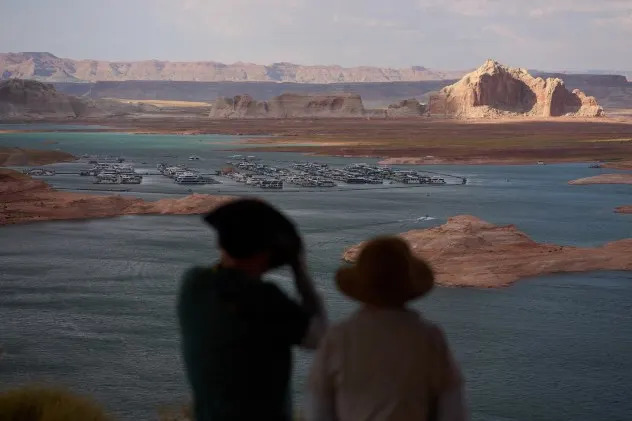
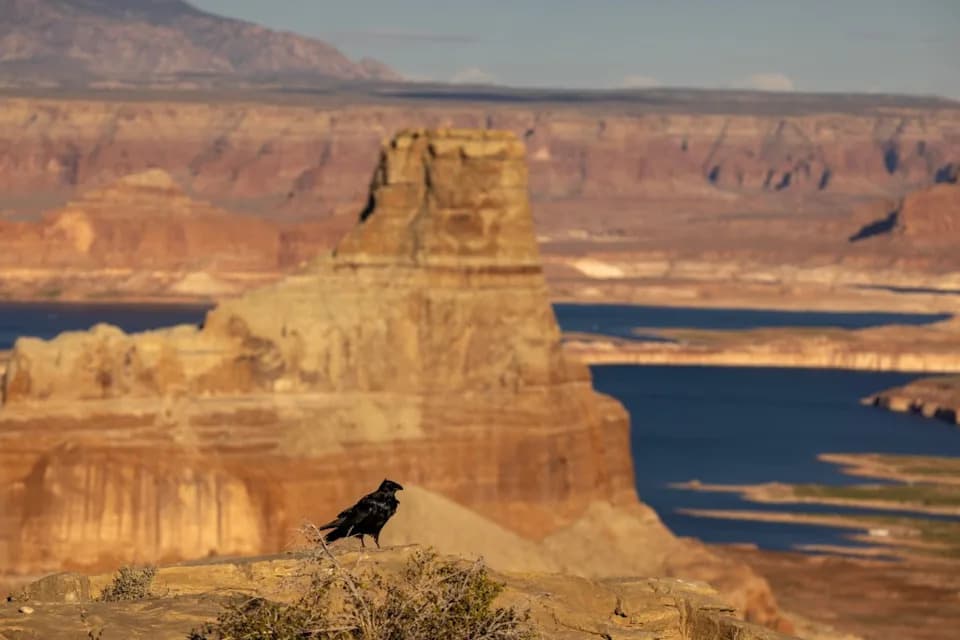
People stand on a lookout on Lake Powell at the Glen Canyon National Recreation Area, Tuesday, July 14, 2026, near Page, Nev. (AP Photo/John Locher)
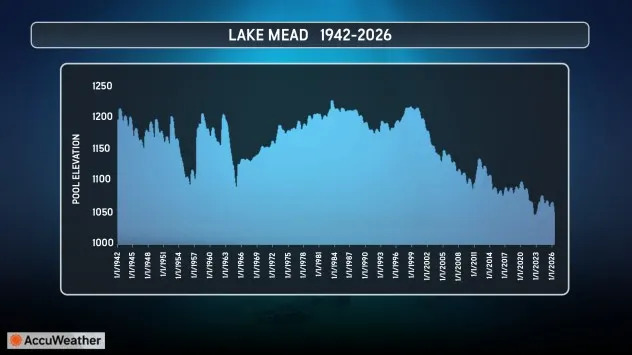
The historic low at Powell follows a separate record for Lake Mead: water behind Hoover Dam along the Arizona–Nevada border slipped below 1,041 feet in early August, with federal projections near 1,039.8 feet by mid‑August. The simultaneous declines intensify pressure on the Colorado River system that provides water to more than 40 million people across seven U.S. states, 30 Tribal Nations and Mexico.
Hydropower Threat: Minimum Power Pool vs. Dead Pool
Of the two giant reservoirs, Lake Powell is closest to one of the most consequential benchmarks for the region's electricity supply. The lake is roughly 30 feet above the reservoir elevation (about 3,490 feet) at which Glen Canyon Dam can no longer run its turbines normally. If the surface dips to that minimum power-pool level, hydropower production across the Southwest could be seriously curtailed.
AccuWeather.com
That threshold is distinct from the so‑called "dead pool" — the much lower elevation (around 3,370 feet) at which water stored in Powell could no longer pass through the dam's lowest outlet works. Federal officials have warned that significant operational interventions may be required to keep Lake Powell above the minimum power pool if dry conditions persist.
Causes: Dry Winter, Long-Term Overuse, and Warming
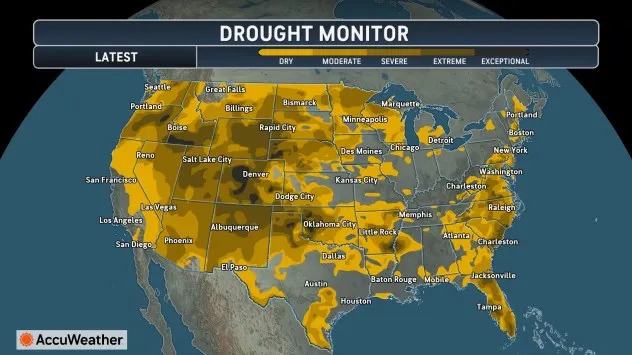
The record lows follow a weak mountain snow season across the Upper Colorado River Basin, where spring snowmelt supplies much of the river's flow into Powell and Mead. Persistent drought, rising temperatures and decades of river allocations that often exceeded actual supply have steadily depleted reservoir stores. A particularly dry 2025–26 winter and limited spring runoff accelerated Powell's decline through the summer.
AccuWeather.com
"Winter storms are the real workhorses for replenishing reservoirs over the long term," said Paul Pastelok, AccuWeather's lead long-range meteorologist.
There is hope that the strengthening El Niño will bring a stormier winter to the Colorado River Basin, but experts caution that meaningful recovery would likely require multiple consecutive wet and snowy winters.
Impacts: Recreation, Infrastructure, Agriculture and Cities
Lower water levels have already changed recreation and infrastructure around Lake Powell. Several boat ramps have closed or been relocated, marinas have shifted toward deeper water, and Bullfrog Marina is being temporarily moved several miles across the lake toward Halls Crossing. The National Park Service plans a permanent relocation near Stanton Creek with a new ramp and marina access project estimated at about $73 million.
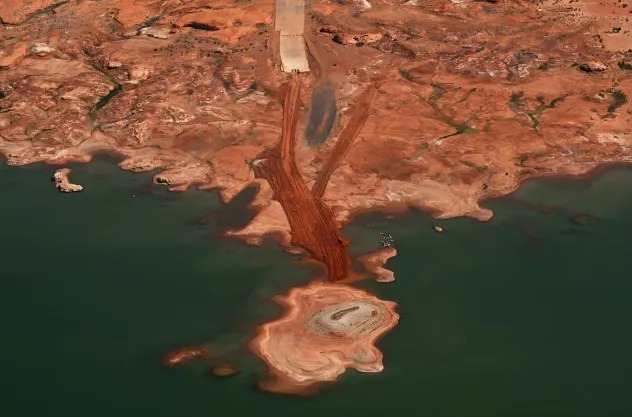
Crews work to extend a boat ramp at Bullfrog Marina at Lake Powell, where water levels remain low in Glen Canyon National Recreation Area on April 30, 2026, in Lake Powell, Utah. The flight for aerial photography was provided by LightHawk. (Photo by RJ Sangosti/MediaNews Group/The Denver Post via Getty Images)
Beyond recreation, the declines threaten irrigation for millions of acres of farmland and generation of hydropower that serves utilities across the Southwest. Cities and water agencies have spent years preparing — storing water underground, curbing outdoor irrigation, recycling wastewater and advancing desalination — but tighter supplies will increase the need for conservation and costly infrastructure projects.
Policy Response and Possible Cuts
The Bureau of Reclamation and the seven Colorado River Basin states are negotiating management rules as current operating guidelines expire. In late July, the Bureau released a final environmental review outlining a framework that could require substantial reductions in Colorado River deliveries to Arizona, California and Nevada through 2036. Under some scenarios, combined cuts could reach up to 3 million acre-feet annually, though actual reductions would depend on reservoir levels and other variables.
With the combined storage in Lake Powell and Lake Mead near volumes last seen in the 1950s, water managers face difficult choices if another dry winter occurs. Maintaining hydropower, protecting municipal and agricultural supplies, and funding new marina and ramp projects will all be priorities as the region adapts to a drier future.
AccuWeather staff writers Jesse Ferrell and Monica Danielle contributed to this report.
Help us improve.