The U.S. Navy is reviewing whether to change Ford-class carrier designs after reports that President Trump asked for aesthetic modifications, including moving the command island from starboard to center and reverting from electromagnetic catapults to steam. Critics warn such changes could raise costs, hamper sortie generation and add program risk to a proposed 10-carrier program estimated at about $275 billion over 30 years. Navy officials say design choices were made to maximize operational performance and that any redesign should be driven by requirements, not appearance.
Trump’s Aesthetic Orders Push Navy To Rethink Ford‑Class Carrier Design
Trump’s Tacky Aesthetic Comes for the U.S. Navy
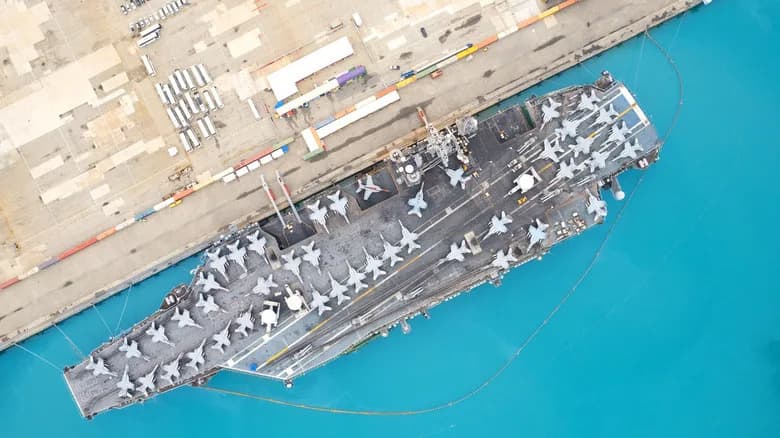
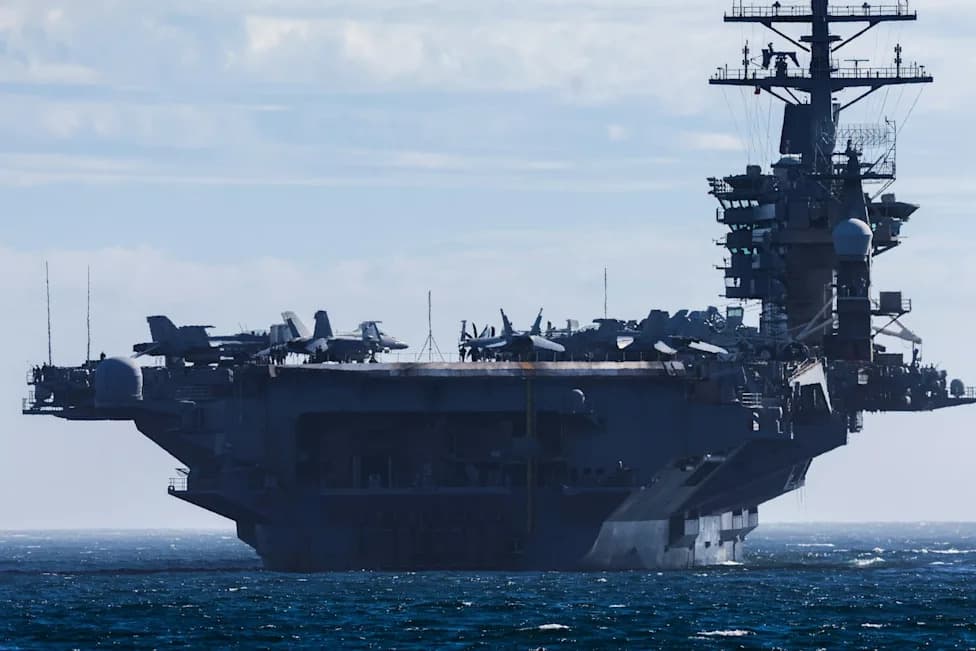
The U.S. Navy is conducting an internal review of potential design changes to its Ford-class aircraft carriers after reports that President Donald Trump requested aesthetic alterations to future carriers. The review, reported by The Washington Post and discussed with officials who spoke to The Hill, could consider moving the carrier "island" (the command tower) from the starboard side to the center and reverting from the newer electromagnetic aircraft launch system (EMALS) back to steam catapults.
Supporters of the current Ford-class layout say the starboard island placement and EMALS were chosen to maximize sortie generation, modernize flight operations and increase combat power. Navy engineers designed the ship around those systems to achieve specific performance and operational goals.
What the Review Considers
The reported options under review include:
- Relocating the island to the ship's centerline, a look common on some World War II–era carriers.
- Replacing electromagnetic catapults with steam-powered catapults, a technology used on earlier carriers.
Officials told reporters the review was initiated at the president's request and could conclude in "several weeks." The conversation has provoked debate within defense and naval circles about trade-offs between aesthetics and operational effectiveness.
"The placement of the island on the Ford class was chosen to support the ship's design purpose of maximizing aircraft sortie generation — which for an aircraft carrier directly translates to combat power. A good-faith exploration of future carrier design based on real-world operational requirements is one thing. Expending millions of taxpayer dollars and the time and energy of the Navy's engineering organizations redesigning the nation's premier capital ship to indulge the president's aesthetic whims is not only wasteful and abusive, it exemplifies President Trump's evident contempt for America's fighting sailors," said naval maritime strategist Hunter Stires to The Hill.
Costs, Capability And Context
Critics warn that redesigning existing plans could increase costs and delay delivery of capabilities at a time when the Navy is already fielding ships into a volatile region. The proposed 10-carrier program championed by the administration is estimated to cost roughly $275 billion over 30 years, and altering designs or systems could add programmatic risk and expense.
Proponents of returning to steam catapults argue for simplicity and known reliability, while supporters of EMALS note its performance advantages for future aircraft types and reduced stress on airframes. The debate reflects a broader tension between aesthetic preferences, legacy systems, and modern naval engineering requirements.
As the Navy undertakes its review, officials and analysts say the critical questions are whether any design change would reduce sortie generation, increase maintenance burdens, add costs, or otherwise impair combat effectiveness. The service has emphasized that any future carrier design must be grounded in operational needs and technical feasibility.
Help us improve.