Harvard economist Rebecca Diamond's NBER working paper uses USC's Understanding America Study to compare women who started GLP‑1 weight‑loss drugs with those who considered but did not start them. Among single women who began treatment, the probability of marrying or cohabiting rose 18 percentage points overall and 29 points after six or more quarters. The paper finds no relationship changes for women already partnered and reports no significant changes in depression, loneliness, or life satisfaction among single starters, leaving open questions about causation versus selection effects.
Ozempic and Wegovy Linked to Higher Marriage and Cohabitation Rates, NBER Study Finds
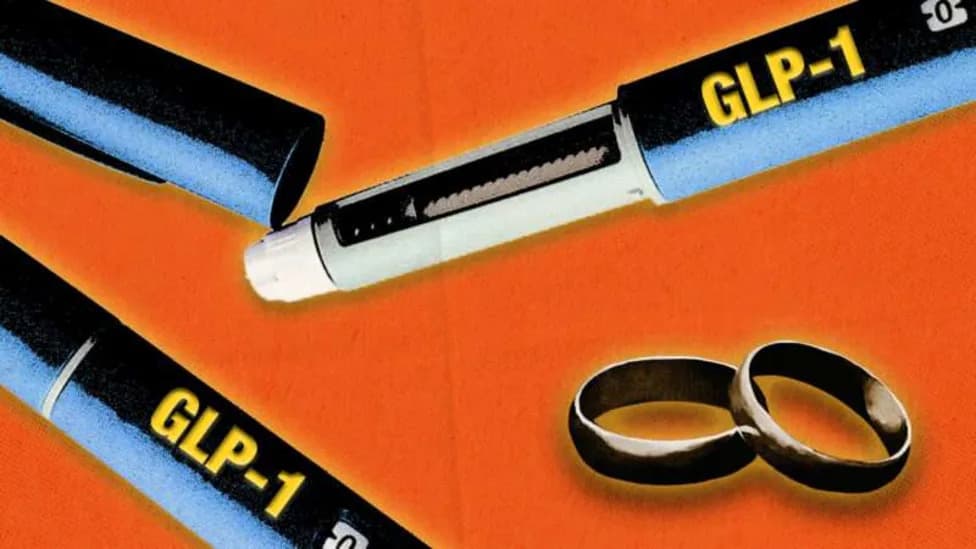
Photo: KKfotostock/Dreamstime. Illustration: Fatima Ruiz/Midjourney.
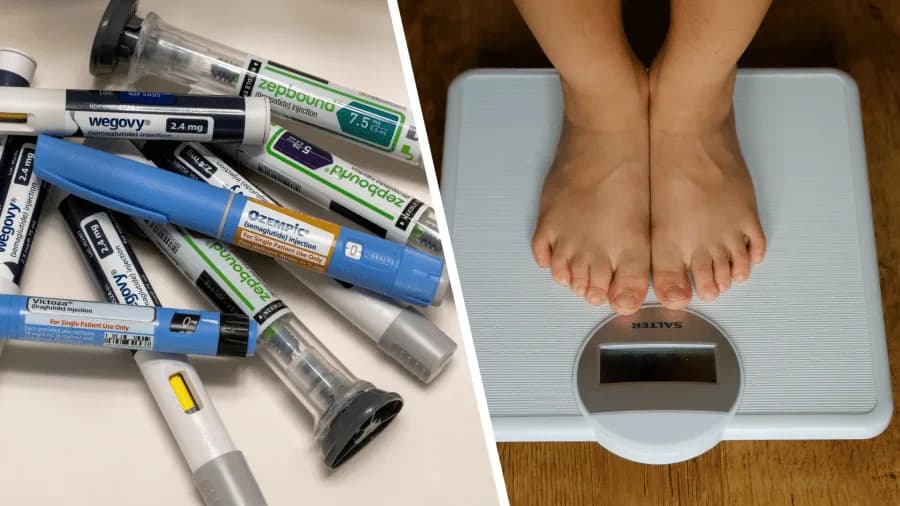
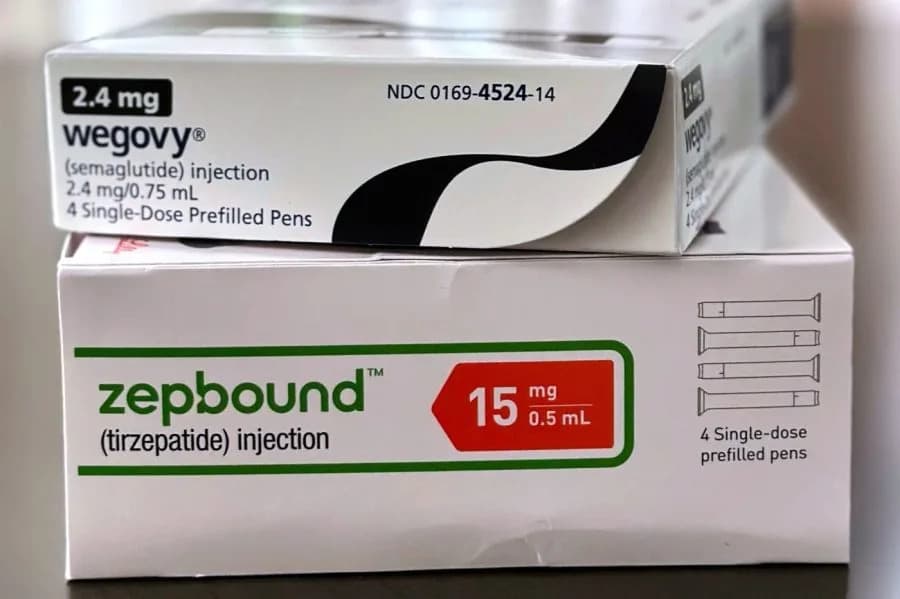
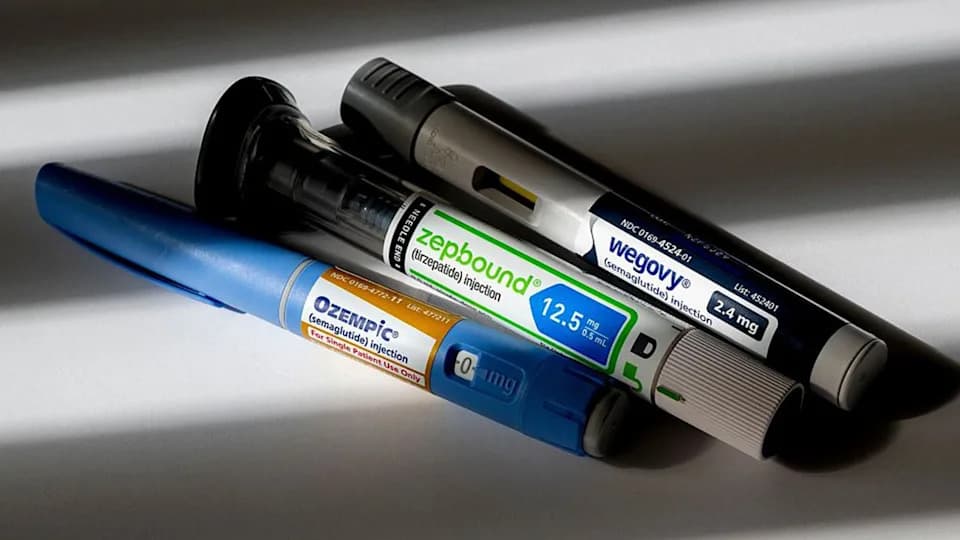
GLP‑1 medications—commonly known by brand names such as Ozempic and Wegovy—are widely prescribed for weight loss. A new National Bureau of Economic Research working paper by Harvard economist Rebecca Diamond suggests these drugs may also be associated with changes in social and economic outcomes, including relationship formation.
Diamond analyzed data from the University of Southern California's Understanding America Study, comparing women who started GLP‑1 treatment with women who wanted the drugs but did not begin them. She reports that, among women who were single when they started treatment, the probability of being married or living with a partner rose by 18 percentage points overall and by 29 percentage points after six or more quarters.
"Among women who are single when they start, the probability of being married or living with a partner rises 18 percentage points overall and 29 percentage points after six or more quarters," Diamond writes, arguing that visible weight loss "dramatically affect[s] first impressions of potential partners, leading to a large increase in marriage and cohabitation."
Diamond and others caution that correlation does not prove causation. Women who choose to start GLP‑1 therapy may differ from those who only considered it in ways that also make them more likely to form relationships—greater social confidence, a deliberate life reorientation, or timing a treatment with plans to pursue a relationship, for example. Conversely, the visible weight loss itself could plausibly improve first impressions or increase self‑confidence, which may help explain the observed jump in partner formation.
Several findings in the paper help narrow possible explanations. The study finds no change in relationship status for women who were already partnered at baseline, and it reports that single women who began GLP‑1s experienced "no statistically significant change in depression, loneliness, or life satisfaction." Diamond also finds that starting GLP‑1s was associated with obtaining a job among women who were unemployed at baseline but was not linked to upward job mobility among those already employed. She interprets the lack of effects among already partnered or employed women as evidence against a simple explanation based on broad improvements in productivity or well‑being.
Separate Legal Development: Untested Rape Kit Case Dismissed
In unrelated news, the U.S. Court of Appeals for the Eighth Circuit recently dismissed a constitutional claim brought by a woman identified as Jane Doe after authorities failed to test a rape kit for more than 16 years. Doe alleged that a forensic kit collected after a sexual assault when she was 14 was not tested and that local officials told her family the kit had been tested with no DNA results. When the kit was finally examined in 2020, it produced DNA evidence implicating a suspect, and Doe sued.
The appeals court, citing precedent, held that victims do not have a 14th Amendment right to a government investigation of crimes and therefore dismissed Doe's constitutional claims against the county and sheriff. U.S. Circuit Judge Bobby Shepherd wrote that allegations of investigative failures and inadequate training did not grant standing for a constitutional claim.
Other Brief Developments
- Australia: Courts are increasingly prosecuting men who refuse to pay sex workers for contracted services; advocates characterize some cases as serious sexual offenses rather than mere theft or fraud.
- Meta Trial Commentary: The Wall Street Journal editorial board criticized recent legal actions against Meta, arguing that they allow politicians to appear protective of children while benefiting plaintiffs' lawyers.
- Pornhub Settlement: Pornhub has reached settlements in two lawsuits alleging the site profited from sex trafficking and underage content.
Taken together, Diamond's paper raises provocative questions about how medical weight‑loss treatments can intersect with social outcomes. The findings point to an association worth further study, while reminding readers that careful causal research is needed before drawing firm policy or personal conclusions.
Help us improve.