Recent Pentagon and NASA releases of previously unpublished UAP files mark an "evolutionary" step toward greater transparency, according to Mike Gold, a former member of NASA's UAP study team. Gold urges objective, data-driven analysis, reduced stigma around anomalous imagery, and mandatory oversight by Congress when secrecy is involved. He also recommends integrating UAP reporting with aviation safety systems to expand the evidence base for both science and national security. Overall, the shift toward openness aims to let the data guide conclusions, whether ordinary or extraordinary.
“This Is Unprecedented”: Why Recent Pentagon And NASA UAP Releases Matter
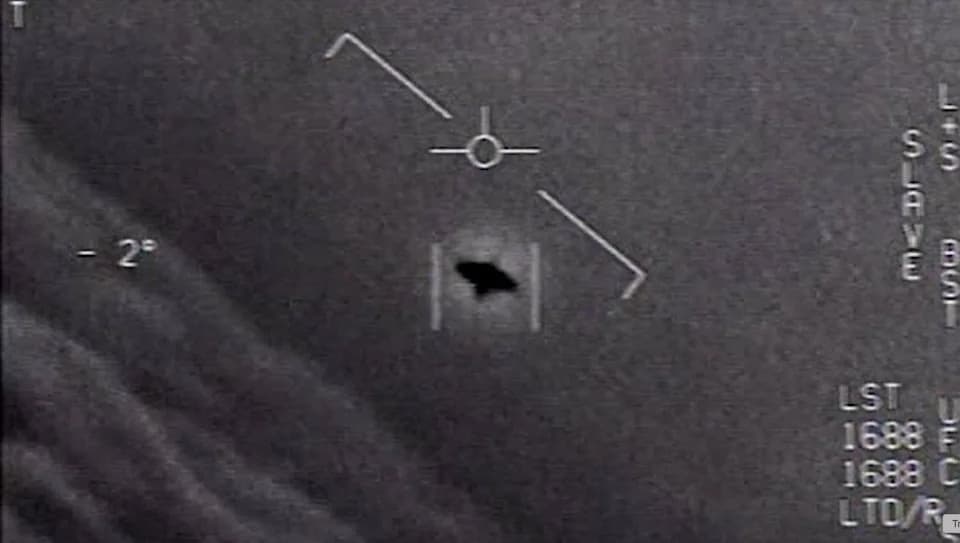
Navy pilots have reported encountering a variety of unidentified aerial phenomena (UAP). | Credit: DOD/U.S. Navy
Recent Pentagon and NASA releases of previously unpublished files and imagery have intensified public and scientific attention on unidentified anomalous phenomena (UAP). Experts including Mike Gold, president of Redwire Space and a former member of NASA's UAP Independent Study Team, say the disclosures represent an "evolutionary" move toward greater transparency — and a call for rigorous, data-driven investigation.
What The Releases Show
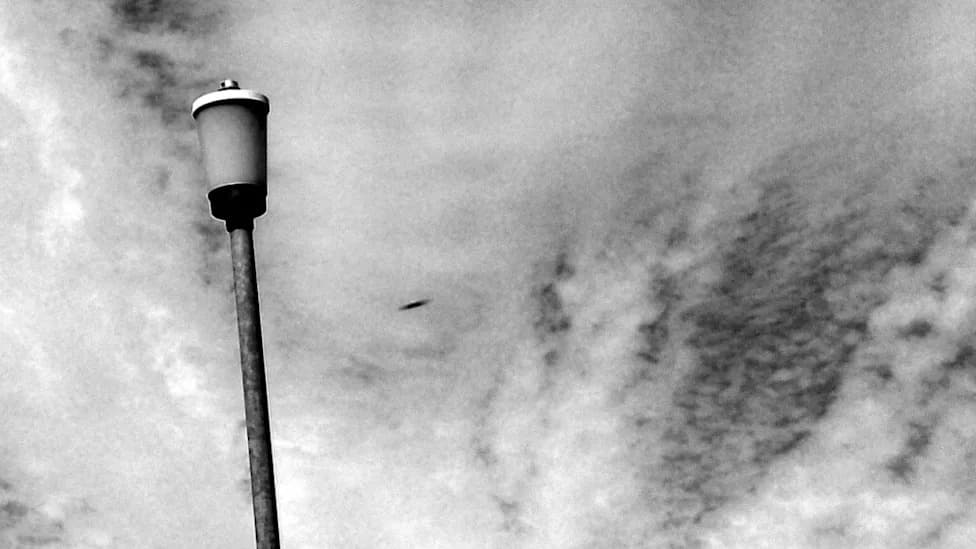
The released material ranges from sensor data and Navy pilot accounts to archival photographs. One notable example flagged in recent document releases is a December 1972 Apollo 17 image that, when magnified, appears to show three lights in a triangular formation in the lunar sky. Other items include infrared recordings and pilot observations of objects that remain unexplained after routine analysis.
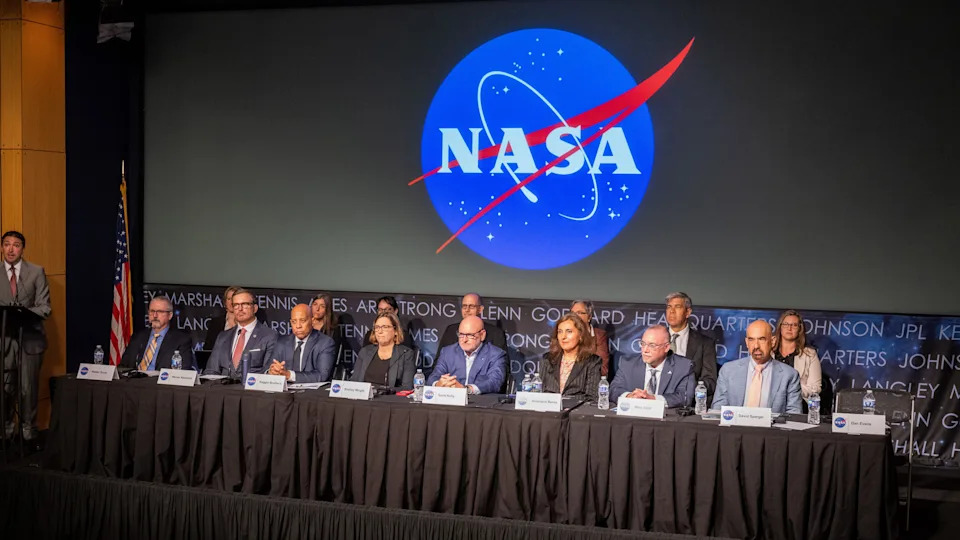
A public meeting of NASA's Unidentified Anomalous Phenomena (UAP) Independent Study Team on May 31, 2023. Mike Gold is second from the right in the front row. | Credit: NASA/Joel Kowsky
Who Is Mike Gold And Why His View Matters
Mike Gold is president of Redwire Space and served on NASA's 16-member Unidentified Anomalous Phenomena Independent Study Team in 2022–2023. His federal experience includes senior policy roles at NASA and more than a decade at Bigelow Aerospace, where he supported early expandable-habitat tests. Gold has briefed Congress and advised organizations concerned with UAP research and disclosure.
Key Arguments: Objectivity, Oversight And Stigma
Gold emphasizes an evidence-first approach: collect thorough information, analyze it without bias, and follow the data wherever it leads. He argues that official release of anomalous imagery helps reduce stigma inside scientific and government communities and makes it easier to pursue systematic study.
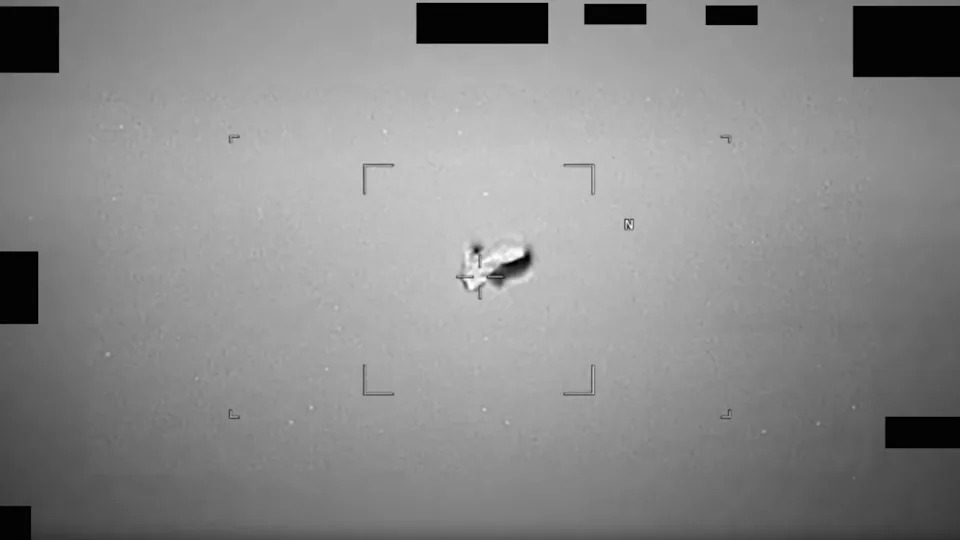
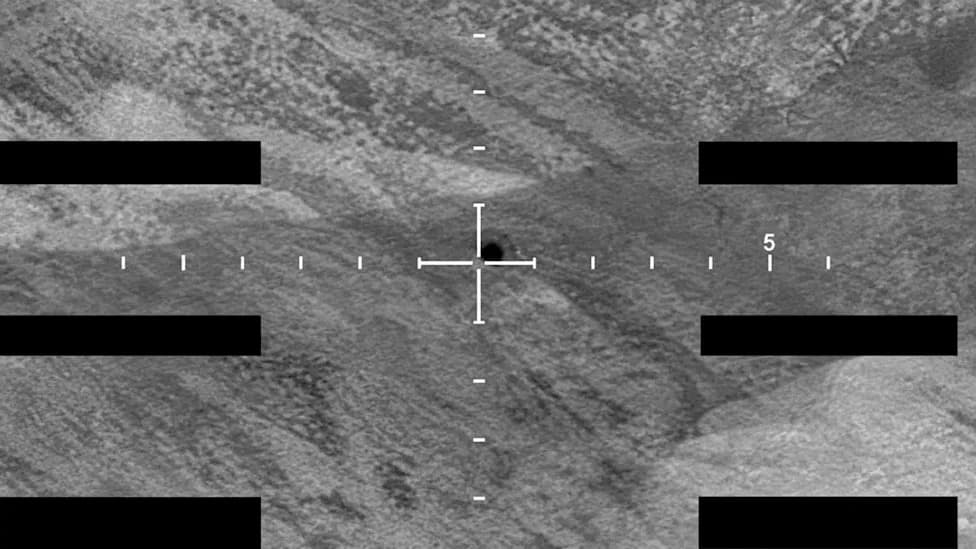
A "football-shaped" UAP (unidentified anomalous phenomenon) observed by an infrared sensor on a U.S. military platform in 2024. The Pentagon released this observation on May 8, 2026. | Credit: U.S. Deparment of War
"We must be thorough in collecting information, fearless in making conclusions and open to following the data no matter how mundane or extraordinary the results may be." — Mike Gold
Gold also stresses the importance of democratic oversight: if details are restricted for legitimate reasons, Congress must still be informed so that oversight and accountability remain intact.
What Gold Recommends Next
Gold supports practical steps to expand the evidence base. He urges that NASA consider integrating UAP reporting with the Aviation Safety Reporting System (ASRS) to gather more routine reports from pilots and air-traffic sources. He notes this would aid both scientific inquiry and national security — for example, by identifying unidentified drones — and could be implemented with modest resources.
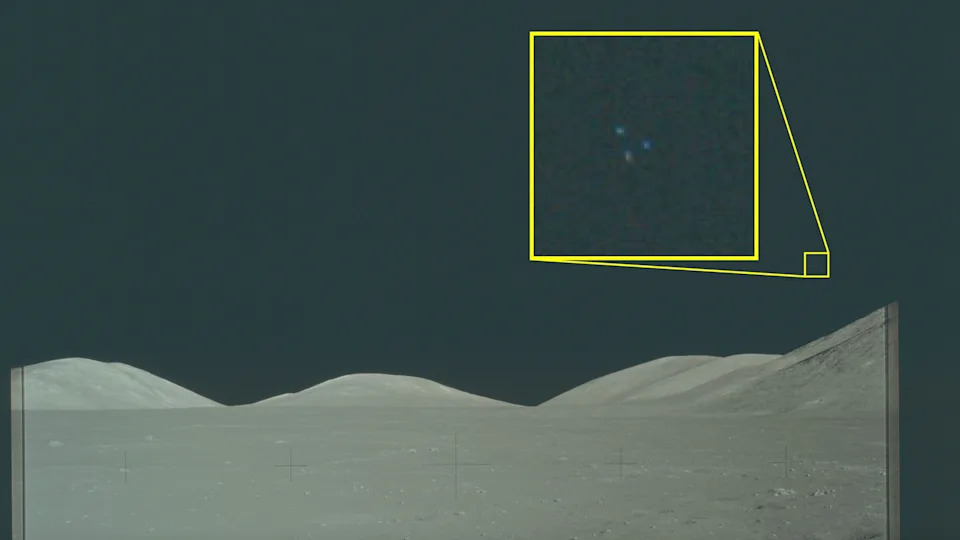
This image captured during NASA's Apollo 17 moon mission in December 1972 contains three "dots" in a triangular formation in the lower right quadrant of the lunar sky that is clearly visible upon magnification of the image. | Credit: NASA/DoD
Why It Matters
Gold describes the current pattern of releases as "evolutionary disclosure" rather than a single revelatory moment. Whether the ultimate explanations are extraordinary or mundane, the process of systematic, transparent investigation strengthens scientific credibility, helps remove stigma, and ensures elected officials can fulfill oversight responsibilities.
Bottom line: The recent government releases are prompting a more open, methodical approach to UAP that prioritizes data, reduces stigma, and calls for improved reporting and congressional oversight.
Image credits referenced in the original reporting: DoD/U.S. Navy and U.S. Department of Defense (DoD)/NASA.
Help us improve.