A new study in Nature Communications describes a gel that mimics enamel-building proteins to regenerate tooth enamel by guiding aligned hydroxyapatite crystal growth using calcium and phosphate from saliva. Laboratory tests simulating brushing, chewing, and acid exposure show the regenerated enamel behaves similarly to natural enamel. The research team has started a company and hopes for commercial availability as early as next year, though clinical trials and regulatory approval are still required.
Scientists Develop Gel That Can Rebuild Tooth Enamel — Could Reach Patients Next Year
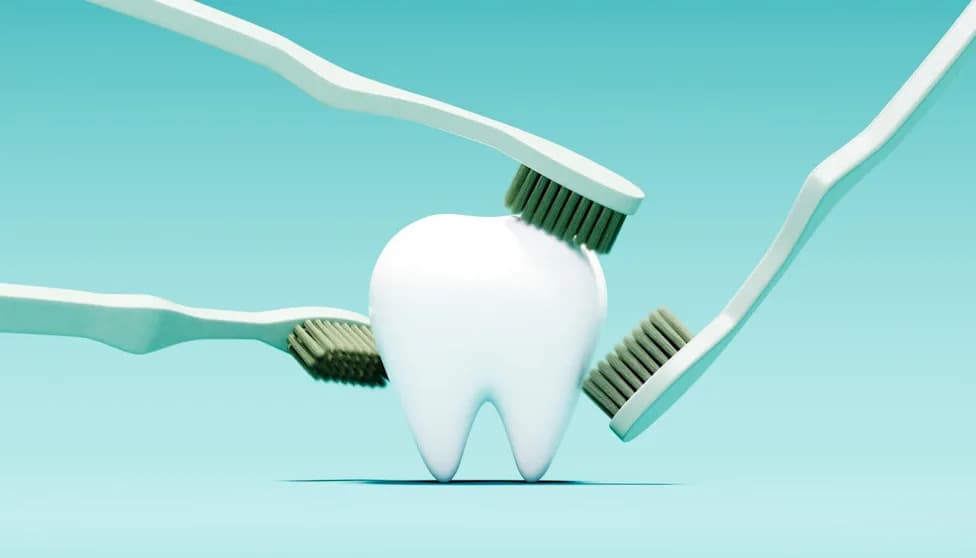
This New Gel Can Rebuild Tooth EnamelJ Studios - Getty Images
Researchers report a promising new gel that actively regenerates tooth enamel by mimicking the proteins that build enamel during infancy. Published in Nature Communications, the study from the University of Nottingham describes a material that penetrates microscopic cracks, uses calcium and phosphate ions from saliva, and guides the growth of aligned mineral crystals to recreate enamel's organized structure.
How the Gel Works
The gel contains biomimetic molecules that act as a scaffold for epitaxial mineralization—the process by which new crystals grow in alignment with existing enamel prisms. By recruiting calcium and phosphate ions naturally present in saliva, the material promotes the formation of hydroxyapatite crystals that integrate with the tooth surface rather than merely patching it.
“Dental enamel has a unique structure, which gives enamel its remarkable properties that protect our teeth throughout life against physical, chemical, and thermal insults,”
— Abshar Hasan, lead author, University of Nottingham
Durability and Tests
The team tested the regenerated enamel under simulated oral conditions, including tooth brushing, chewing-like forces, and exposure to acidic foods. According to the authors, the mechanical behavior of the regenerated tissue closely matched that of healthy enamel in laboratory tests, and the material reduced dentine exposure that can cause sensitivity.
Outlook, Limitations, and Next Steps
The researchers have formed a start-up and aim to make the material commercially available as soon as next year. However, the treatment must still complete clinical trials and regulatory review to confirm safety, long-term durability, and effectiveness in real-world dental care. Independent replication and larger human studies will be needed before the gel becomes a routine option for treating cavities and enamel erosion.
Why This Matters: If validated, an enamel-regenerating gel could shift dentistry from filling and replacing damaged enamel to restoring the tooth's native mineral architecture—potentially reducing sensitivity and improving long-term outcomes.
Help us improve.