Labour ministers have proposed planning reforms that could permit some housing on parts of England's green belt, mainly near well‑connected transport hubs. Housing minister Matthew Pennycook said development would be allowed only in "exceptional circumstances" and under strict "golden rules" such as high affordable housing quotas and new public green space. The changes to the National Planning Policy Framework introduce a "default yes" for homes near stations to help revive the government's 1.5 million home target. Critics warn the move risks reducing local control and harming protected countryside, while some experts say it could boost growth and access to jobs.
Minister Confirms Some Green Belt Land Could Be Used for New Homes Under Planning Reforms
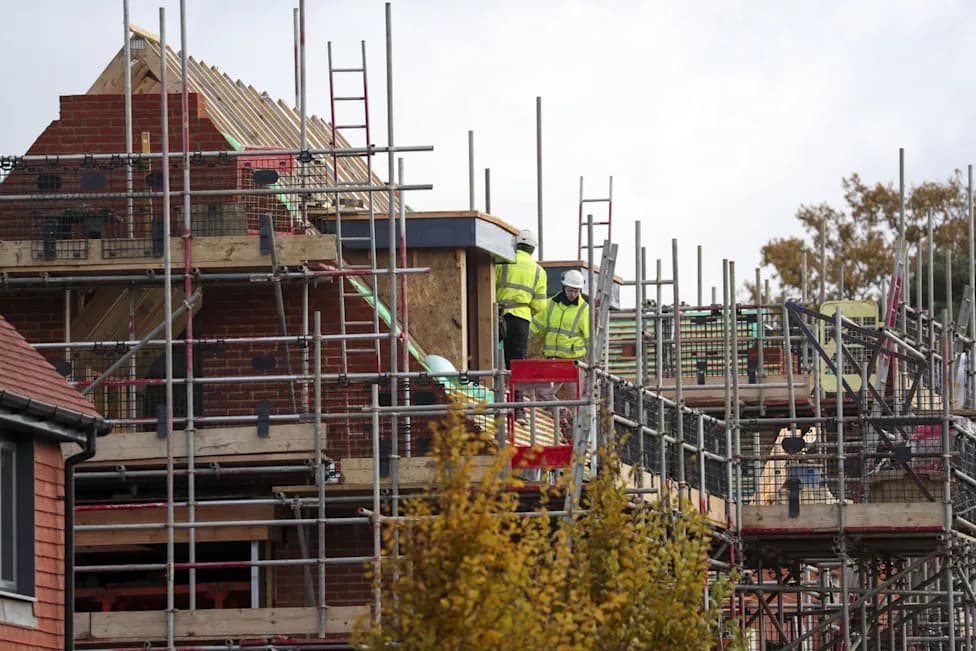
Minister admits new homes could be built on green belt land
Labour ministers have set out planning reforms that could allow new homes to be built on limited areas of England's green belt, particularly around well‑connected transport hubs. The Ministry of Housing, Communities and Local Government says the changes are intended to unlock thousands of homes and support economic growth while subjecting any release of protected land to strict conditions.
What Ministers Say
Housing minister Matthew Pennycook told Sky News the proposals explicitly include some green belt sites. "In exceptional circumstances, green belt land should be developed on," he said, arguing these sites can be sustainable locations for new housing.
"In exceptional circumstances, green belt land should be developed on. These are sustainable locations for development." — Matthew Pennycook
Pennycook emphasised that any release of green belt land would follow strict "golden rules," including high proportions of affordable housing, the creation of new public green spaces and other protections designed to limit harm to the countryside.
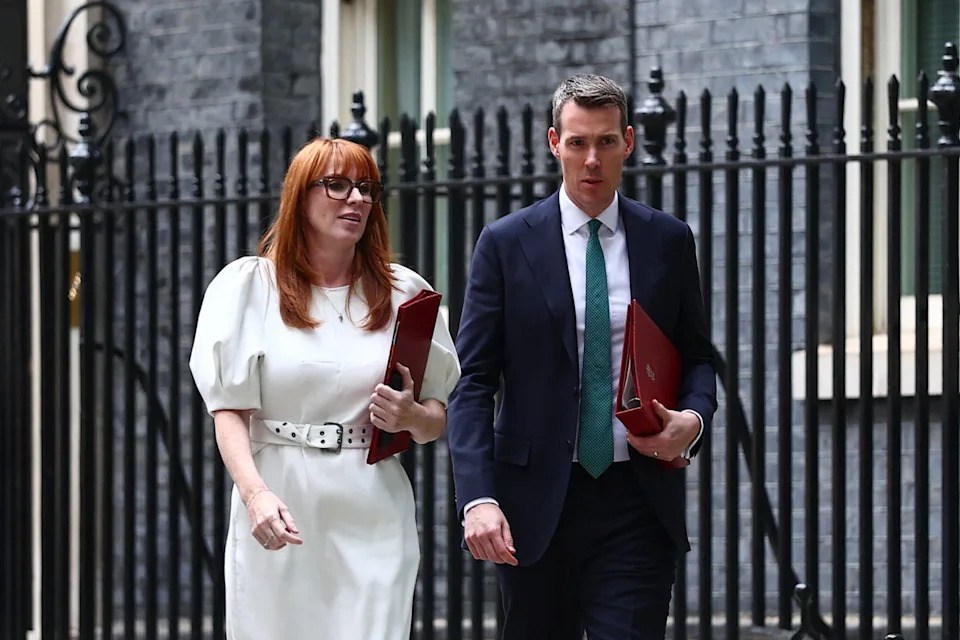
"In exceptional circumstances, green belt land should be developed on", Matthew Pennycook (R) told Sky News (AFP/Getty)
Policy Changes and Mechanisms
The government has revised the National Planning Policy Framework (NPPF) so there will be a "default yes" for homes within a reasonable walking distance of well‑connected stations; that policy can apply even when land sits inside the green belt. Under the 2024 changes, local councils are being asked to identify "low‑quality" green belt areas that could be redesignated as "grey belt" and made easier to develop, particularly for housing.
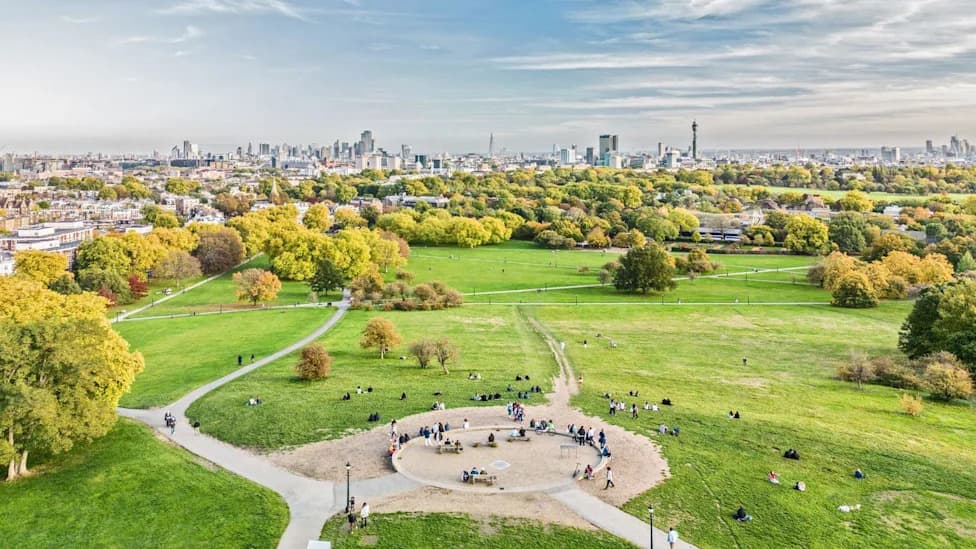
The green belt comprises 14 distinct areas around cities and towns in England that were established to prevent urban sprawl and protect open land. Ministers say only a very small proportion of protected land would be affected, and the focus is on sites that are sustainable and well linked to jobs and services.
Responses and Debate
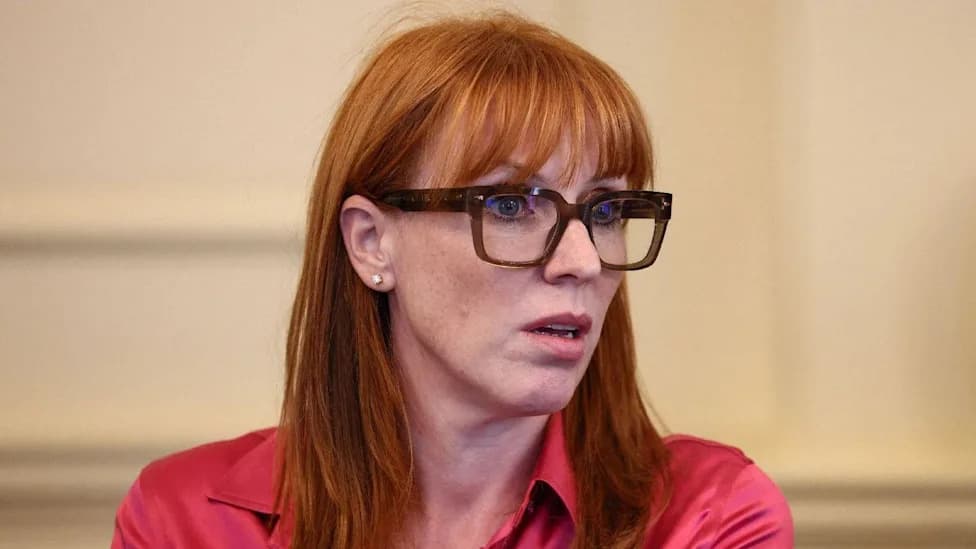
Housing Secretary Angela Rayner said the reforms aim to help people live closer to work, school and local services and to back local businesses by increasing housing supply in well‑connected places. "A safe, secure home is the foundation of opportunity," she said.
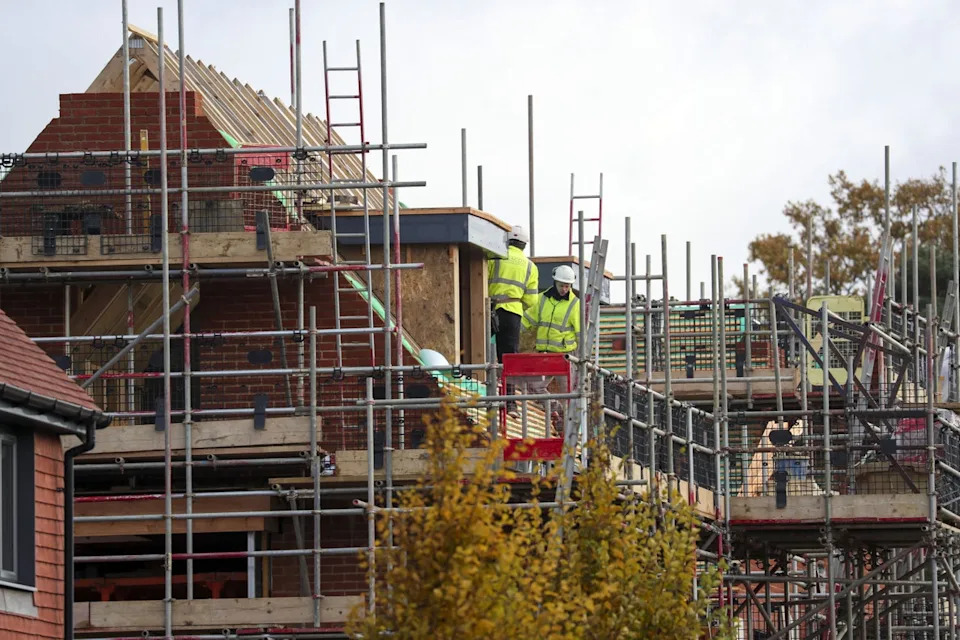
A Labour minister has admitted that new homes will be built on green belt land under government plans (PA Wire)
Conservative shadow housing secretary James Cleverly criticised the announcement, accusing Labour of seizing control from local communities and warning the reforms could expose the green belt and countryside to new risks, including unauthorised traveller sites.
Centre for Cities welcomed the changes. CEO Andrew Carter said a default approval for homes near stations would unlock significant space for long‑term development close to jobs in major cities while affecting only a small fraction of green belt land.
Context and Next Steps
The measures form part of Labour's attempt to get its target of 1.5 million new homes back on track after shortfalls. The changes to the NPPF set a national direction, but most actual development will still depend on local plans, public consultations and planning decisions by councils and inspectors.
Ministers say the approach balances the need for more homes with protections for the countryside; opponents argue it reduces local control and risks harming valued green spaces. The proposals are likely to prompt detailed debate as councils begin to apply the new rules and identify potential sites.
Help us improve.