The Democratic Republic of Congo is experiencing its deadliest Ebola outbreak yet, with 2,325 reported deaths and 4,945 confirmed cases in about three months. The UN calls the epidemic "the fastest growing on record," driven by the Bundibugyo strain for which no specific licensed vaccine or treatment exists. Community mistrust, weak health infrastructure and armed-group activity in Ituri and parts of North and South Kivu are hampering the response. International agencies and local health workers warn that faster, better-coordinated action and improved community engagement are critical to reversing the trend.
DR Congo's Deadliest Ebola Outbreak on Record — 2,325 Dead as Cases Surge
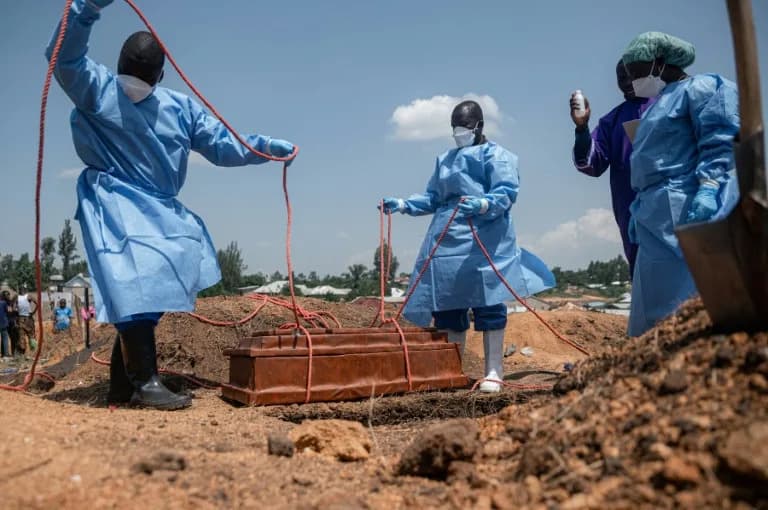
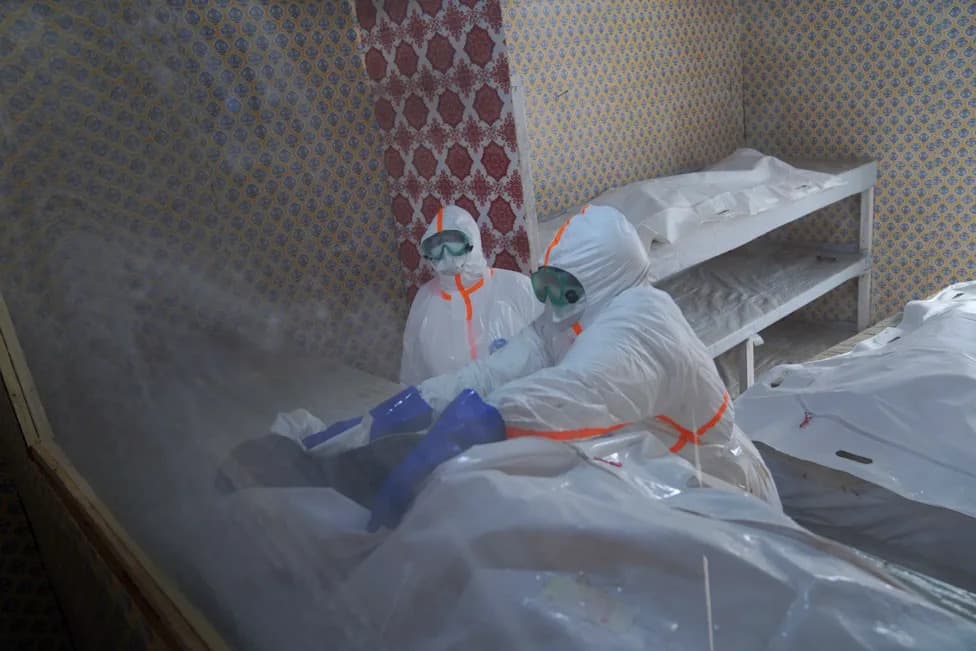
The latest toll from the DRC's Ebola outbreak records 2,325 deaths from 4,945 confirmed cases (Jospin Mwisha)
A rapidly expanding Ebola outbreak in the Democratic Republic of Congo (DRC) has become the country's deadliest on record, government figures show. Authorities reported 2,325 deaths and 4,945 confirmed cases in roughly three months, after the outbreak was declared on May 15.
The United Nations has described the epidemic as "the fastest growing on record," estimating that Ebola is killing someone in the DRC about every 30 minutes. The current surge is driven by the Bundibugyo strain, for which there is no widely licensed, strain-specific vaccine or proven targeted treatment.
Officials and aid agencies say the virus has spread most widely in northern and eastern provinces where state services are limited, health infrastructure is weak and long-running conflict has disrupted access to care.
Why This Outbreak Has Spread Quickly
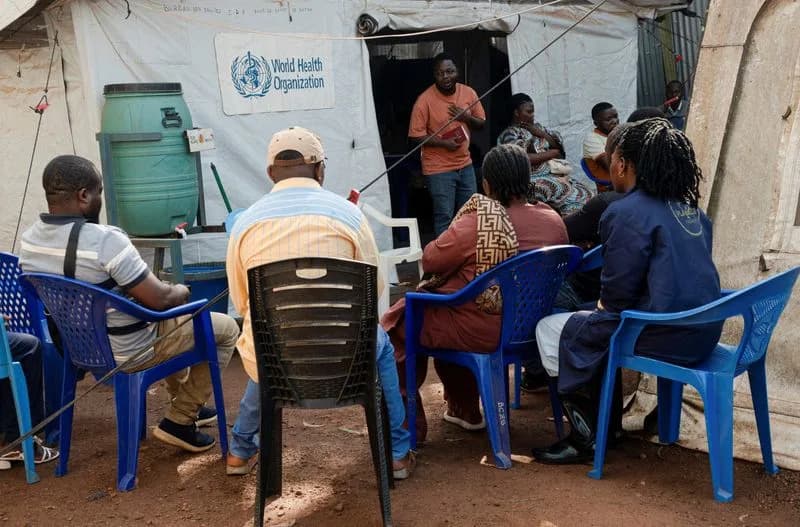
Local mistrust of treatment centres and public-health teams is a major obstacle. More than 70% of people who die do so in the community rather than in health centres, according to World Health Organization (WHO) regional officials. Families often treat sick relatives at home, believing the illness is poisoning or another non-Ebola condition, and seek formal care only when the patient’s condition is critical.
"Community engagement in the response is still far too weak," said Mohamed Janabi, WHO Regional Director for Africa.
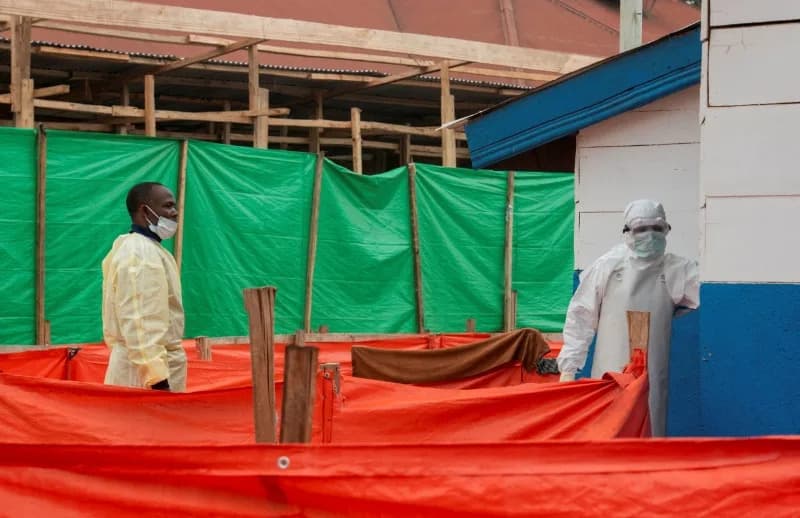
Witnesses and community leaders describe crowded markets where hand-washing and other measures are inconsistently followed, and relatives too afraid to bring loved ones to Ebola Treatment Centres (ETCs) out of fear that patients will not survive there.
Operational Challenges
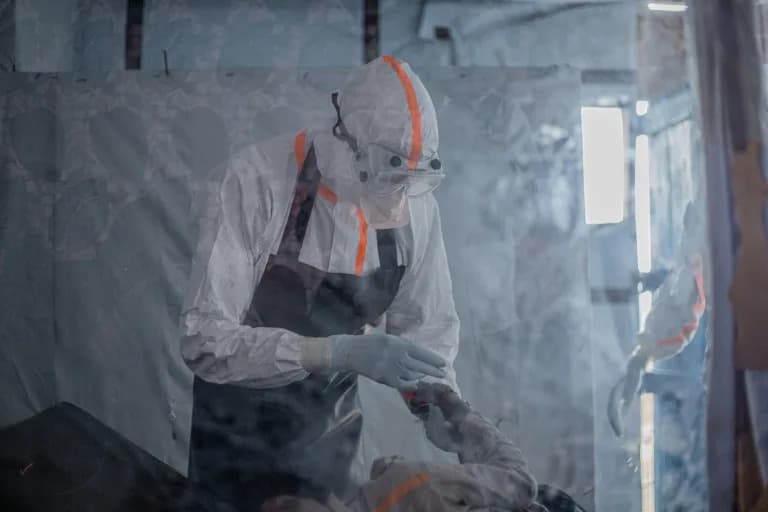
Humanitarian access is restricted in parts of Ituri, North Kivu and South Kivu by active armed groups and contested front lines. Ongoing insecurity complicates surveillance, contact tracing, safe burials and vaccination campaigns. The response has also been hampered by logistical problems and criticism that international and national efforts have been slow or poorly coordinated.
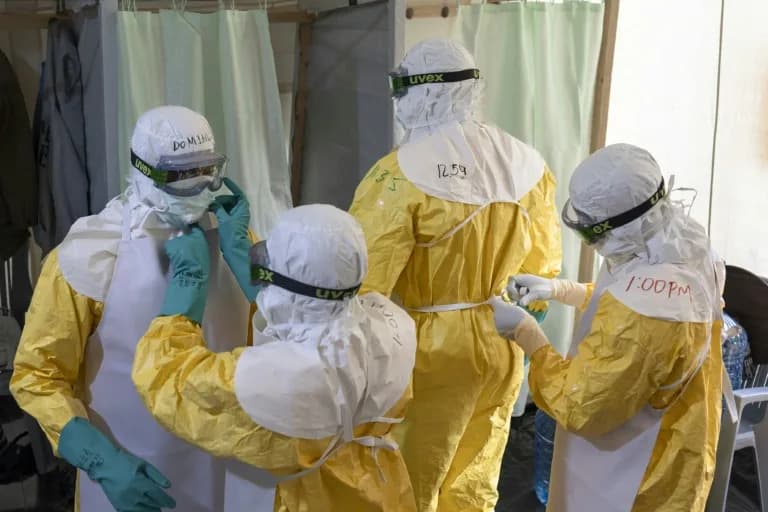
Local health workers — including nurses and teams responsible for safe burials — have staged strikes and protests at hospitals demanding overdue hazard pay and better protections. The International Council of Nurses has urged DRC authorities to ensure proper pay and safety measures for health staff on the front lines.
Comparisons And Outlook
The 2018–2020 DRC outbreak, previously considered the deadliest in the country, claimed 2,299 lives from 3,381 confirmed cases. By contrast, the West Africa epidemic of 2013–2016 remained the deadliest ever, with more than 11,300 deaths in Liberia, Sierra Leone and Guinea.
Several vaccines and candidate therapies are being tested against the current Bundibugyo strain, and WHO has said it aims to reverse the outbreak’s growth within months if response efforts can be scaled up and community trust improved.
Key figures: 2,325 deaths; 4,945 confirmed cases; outbreak declared May 15; DRC's 17th recorded Ebola event.
Help us improve.