Rabies deaths are rising in some regions after years of decline. The disease still kills about 60,000 people annually, mostly children in Asia and Africa, and nearly all cases result from dog bites. The proven path to elimination combines mass dog vaccination (about 70% coverage), reliable access to post-exposure treatment for bite victims, and sustained funding and coordination—lessons reinforced by successes in Latin America and the United States.
Why Rabies Deaths Are Rising — And What It Will Take To Stop Them
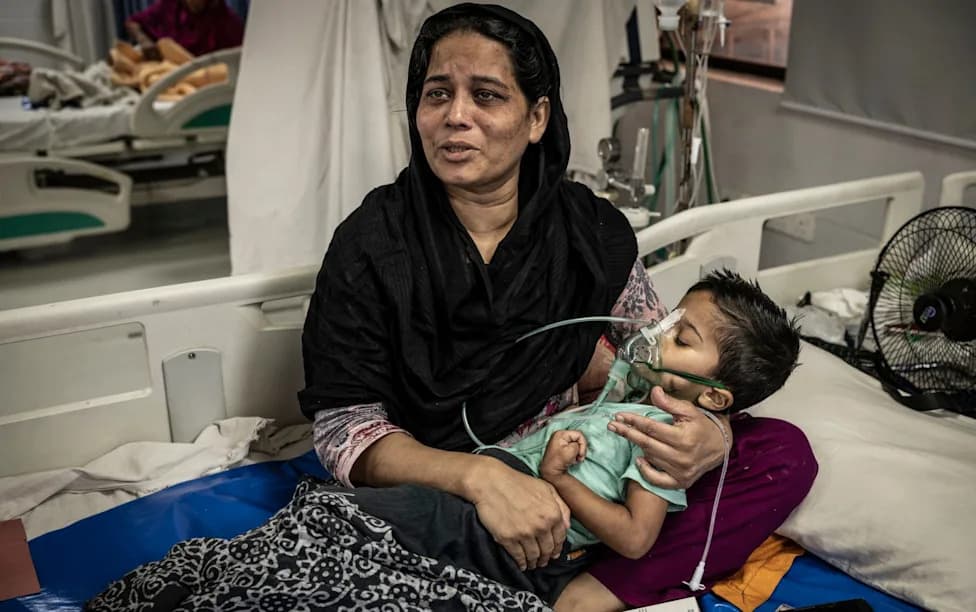
Sheuli Akter with her three-year-old son Abdul, who contracted rabies when he was bitten on the face by a dog near his house - Simon Townsley/The Telegraph
In a crowded intensive care ward in Dhaka, three-year-old Abdul lay paralysed as rabies ravaged his nervous system. His mother, Sheuli Akter, massaged his cramped limbs while clinicians said the virus had reached his brain. A scar on his chin marked the dog bite that started the infection.
A Preventable Tragedy On The Rise
After decades of progress, some regions are seeing a worrying rebound in human rabies cases and deaths. Global estimates from the World Health Organization put annual deaths at roughly 60,000—about one person every nine minutes—with the burden concentrated among poor, rural populations in Asia and Africa and about half of victims under 15 years old.
Why Cases Are Increasing
Nearly 99% of human rabies cases stem from dog bites. Large populations of free-roaming, unvaccinated dogs drive most human fatalities: India is estimated to have about 60 million street dogs and is thought to account for more than a third of global human rabies deaths. Other drivers of the recent rebound include:
- Disruption of mass vaccination campaigns during the Covid-19 pandemic and in conflict zones, which rapidly reduces herd immunity in fast-turnover dog populations;
- Cuts to global health funding and limited political prioritisation in some endemic countries;
- Poor enforcement of existing dog ownership and vaccination laws;
- Logistical and cost barriers to innovative tools such as oral rabies vaccines for hard-to-reach and wild animals.
"It’s all about mass dog vaccination," says Felix Lankester, Director of Rabies Free Africa. "If you don’t have a coordinated nationwide strategy, pockets of endemic transmission persist and the disease comes back."
What Works — And What Doesn’t
Evidence shows the most durable approach combines three pillars: coordinated mass dog vaccination (aiming for roughly 70% coverage in endemic areas), timely and equitable access to post-exposure prophylaxis for bite victims, and community awareness plus responsible pet ownership. By contrast, culling alone rarely provides a lasting solution: removing dogs from streets often creates a vacuum that invites unvaccinated animals to move in, allowing transmission to resume.
Success Stories And Lessons
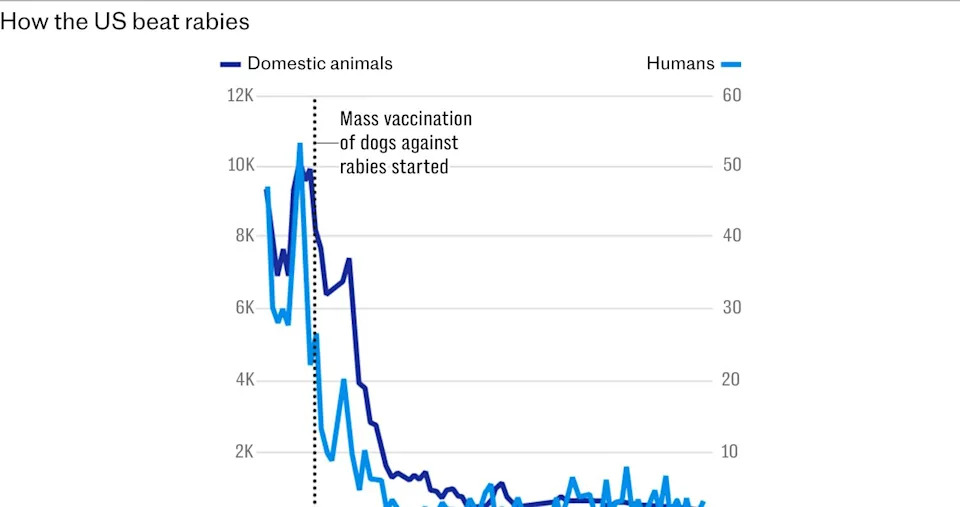
Regional and national programmes demonstrate elimination is feasible. Latin America has reduced human and canine rabies cases by more than 99% since 1983 through synchronized annual vaccination campaigns and pooled vaccine procurement coordinated by PAHO. The United States largely eliminated canine rabies in the 20th century and reported elimination of canine rabies transboundary transmission by 2008, supported by long-term investment in prevention. Turkey has also used large-scale oral vaccine baits to target wildlife reservoirs, alongside other control measures.
Cost, Coordination And Responsibility
The WHO estimates global elimination of dog-mediated human rabies would cost about $6.3 billion — a substantial but achievable sum for coordinated international support. Experts warn of a "responsibility gap": rabies control is often treated as a veterinary problem while its primary benefit is human health, leaving programmes underfunded and fragmented between sectors.
Immediate Actions That Save Lives
Even where dog vaccination coverage is imperfect, timely wound care and rapid access to post-exposure vaccines and immunoglobulin can prevent deaths. Strengthening surveillance, sustaining multi-year funding for synchronized dog vaccination, improving enforcement of pet-vaccination laws, and widening access to affordable human vaccines are practical steps that would significantly cut fatalities.
Abdul’s story is a stark reminder that rabies deaths are preventable. Achieving elimination will require sustained political will, coordinated mass vaccination campaigns, universal access to post-exposure care, and investment in tools and logistics that reach the most vulnerable communities.
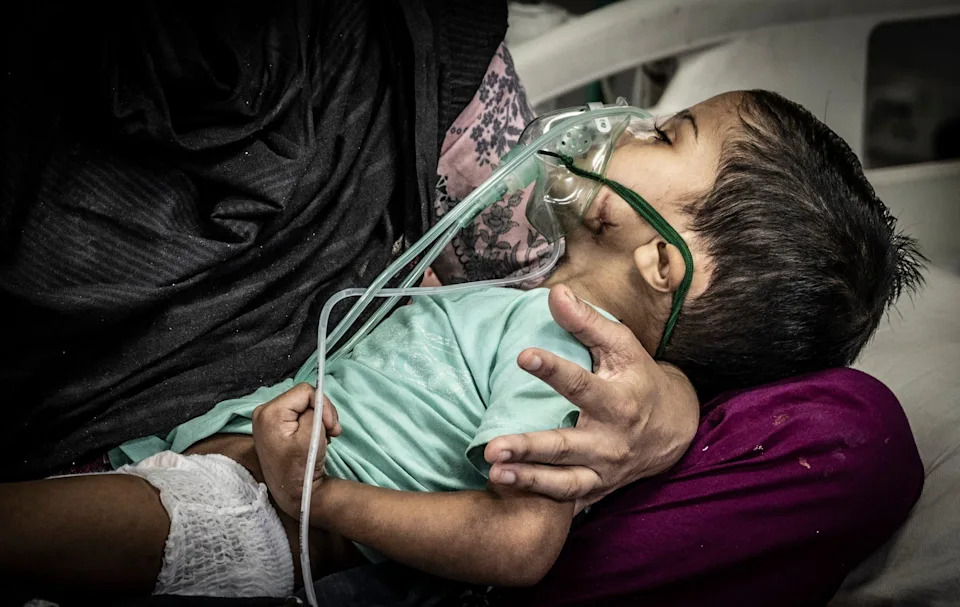
Abdul's rabies infection had progressed to fatal degenerative encephalitis - Simon Townsley/The Telegraph

India is believed to be home to some 60 million street dogs and accounts for more than a third of all global human rabies deaths - SAJJAD HUSSAIN/AFP via Getty Images

People queue for post exposure rabies treatment at the Infectious Diseases Hospital in the Bangladeshi capital Dhaka - Simon Townsley/The Telegraph

Rabies has re-emerged as a serious public health concern in Ukraine - Sean Gallup/Getty Images
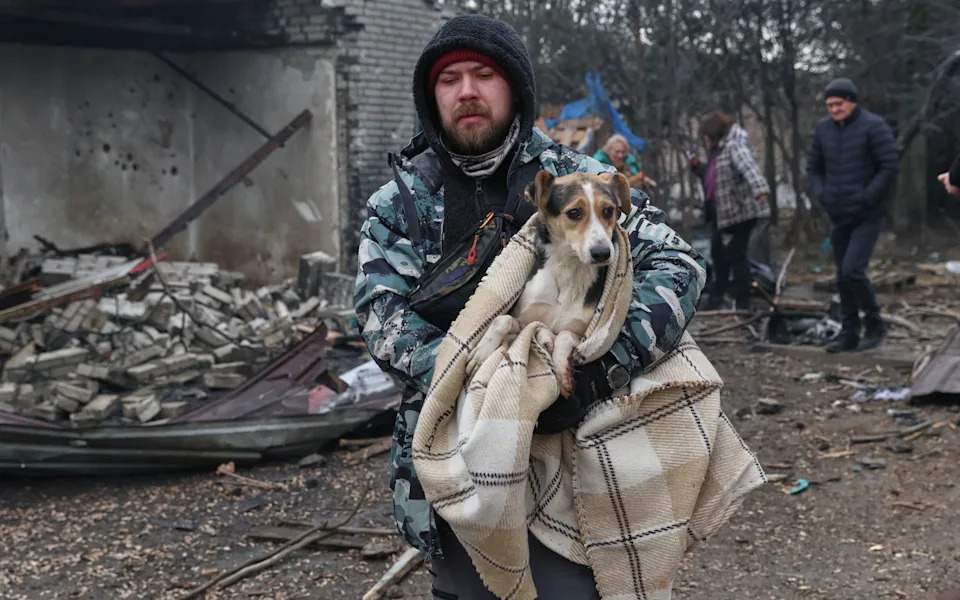
The Ukraine war has disrupted rabies vaccination programmes and triggered a surge in displaced and abandoned pets - Kateryna Klochko/AP

A stray dog is captured in Cairo as part of the Free Rabies Egypt inoculation campaign - Nariman El-Mofty/AP
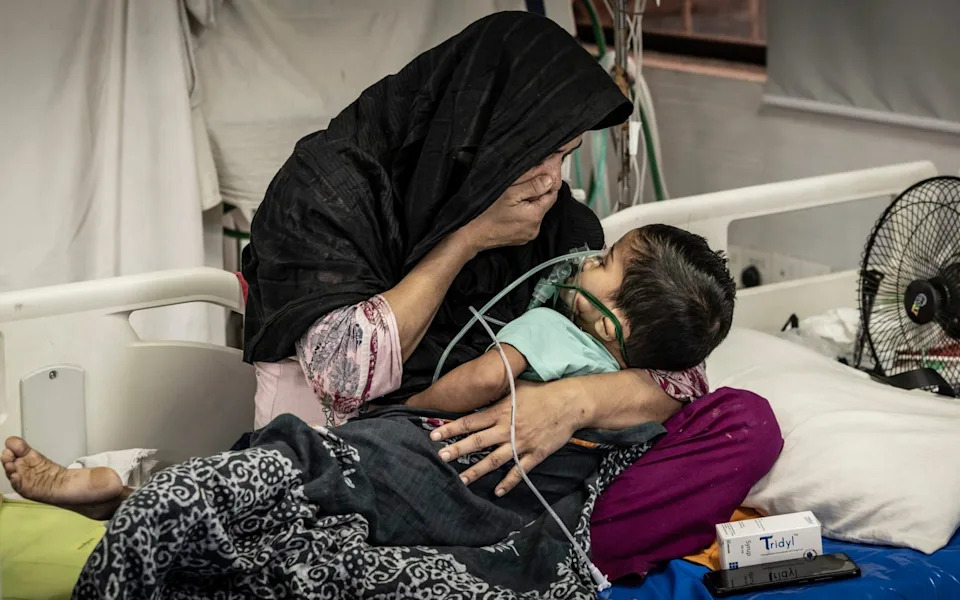
Young children bitten by stray dogs are the most frequent casualties of rabies in Bangladesh - Simon Townsley/The Telegraph
Help us improve.