The trial of Duane "Keffe D" Davis moved to opening arguments after juror selection, with prosecutors alleging he ordered Tupac Shakur's 1996 drive-by killing and supplied the handgun. The case, revived after Davis's 2019 memoir, may not reveal who actually fired the fatal shots, and Davis has pleaded not guilty. If convicted, he faces life without parole. The proceedings will revisit the 1990s East Coast–West Coast hip-hop feud and the long-unsolved murder of one of rap's most influential figures.
Tupac Murder Trial Begins: Prosecutors Allege Duane "Keffe D" Davis Orchestrated 1996 Killing
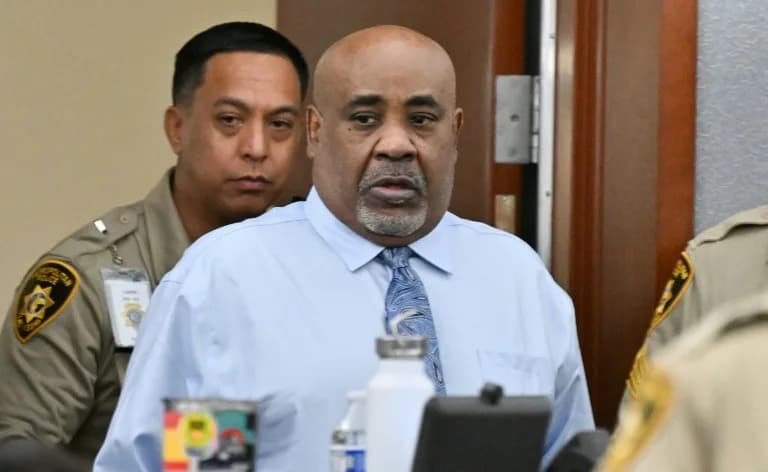
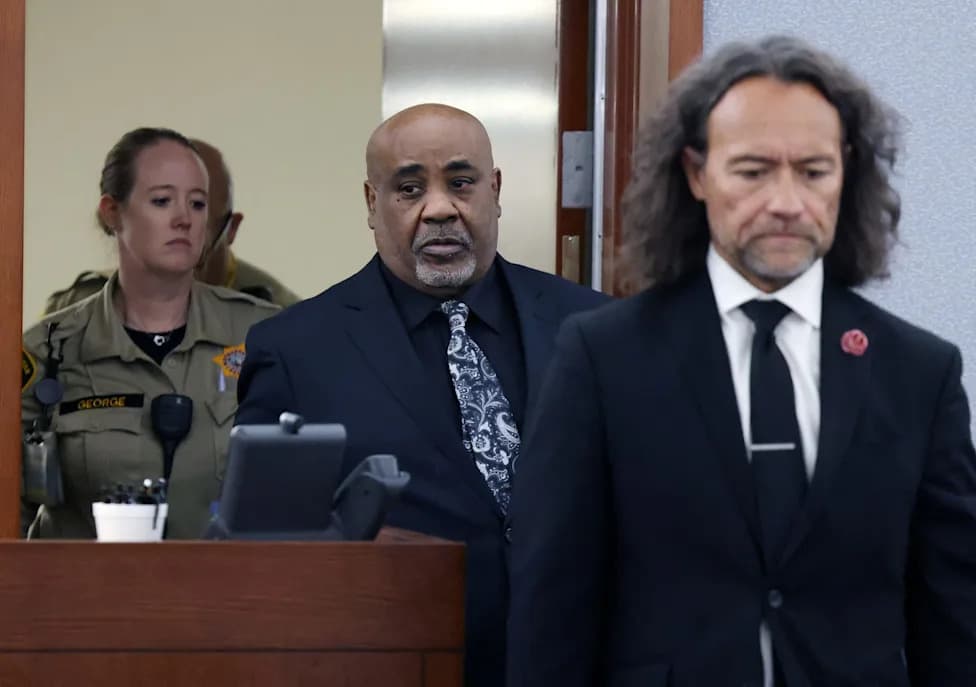
Duane 'Keffe D' Davis arrives at court in Las Vegas for the first day of jury selection in his murder trial related to the 1996 killing of rapper Tupac Shakur (David Becker)
Opening arguments began Monday in the high-profile trial of Duane "Keffe D" Davis, a former gang leader accused of arranging the 1996 drive-by shooting that killed rapper Tupac Shakur in Las Vegas.
Prosecutors' Case
Prosecutors say they will show Davis, the one-time leader of the South Side Compton Crips, ordered the attack and supplied the handgun used in the shooting. The proceedings, expected to last more than a month, may not definitively identify who fired the fatal shots, but the prosecution aims to prove Davis's role in planning and supplying the weapon.
What Happened
Shakur, known professionally as 2Pac and 25 at the time, was shot on the night of September 7, 1996, after attending a Mike Tyson fight in Las Vegas. According to prosecutors, after an altercation at the MGM Grand in which Marion "Suge" Knight and Shakur allegedly assaulted Orlando "Baby Lane" Anderson — a nephew of Davis and a member of the Crips — Davis sought retaliation. Later that night, a white Cadillac carrying Davis, Anderson and others pulled alongside Shakur's vehicle; shots were fired from the Cadillac and Shakur was mortally wounded.
Case Background And Revival
The investigation into Shakur's killing languished for decades amid scarce evidence. The case was revived after Davis published memoirs in 2019 in which he wrote that he sat in the front seat of the Cadillac and handed a pistol to people in the back seat. He did not say who fired the weapon, and many of the other occupants of the Cadillac that night are now deceased.
Davis' Response And Legal Status
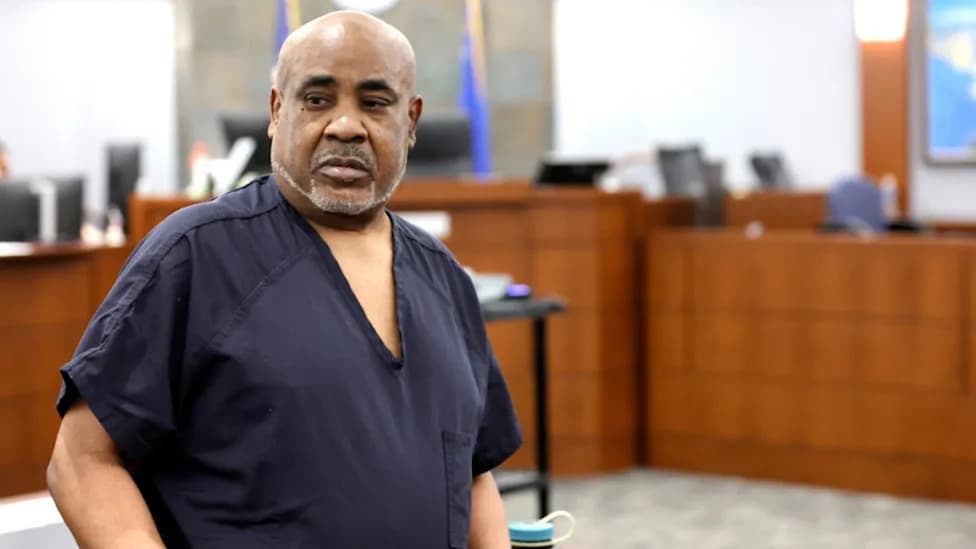
Davis, 63, attended court as jurors were selected and has pleaded not guilty. He has since disputed parts of his memoir, saying some claims were bluster or the work of a ghostwriter. If convicted, he faces life in prison without the possibility of parole.
Broader Context
The trial will also revisit the bitter East Coast–West Coast hip-hop rivalry of the 1990s, including tensions between Los Angeles-based Death Row Records, founded by Knight, and New York's Bad Boy Records, led by Sean "Diddy" Combs, whose artist The Notorious B.I.G. was killed in 1997. The case has long been one of America's most enduring cold-case mysteries and continues to draw public interest.
What To Watch: Opening arguments, testimony about the 2019 memoir, and whether prosecutors can prove Davis orchestrated the shooting despite the absence of the alleged triggermen.
Help us improve.