Kodiak AI's California permit is a "drivered" testing authorization requiring a human operator, even as new rules lift the 10,001‑pound ceiling for heavy‑duty AVs. The state's framework sets demanding mileage gates — roughly 500,000 drivered and 500,000 driverless miles (about 200,000 in California) — and requires a documented safety case, not just odometer readings. The rules also impose strict compliance measures (30‑second first‑responder responses, a 2‑minute geofence clearing rule) and face a Teamsters legal challenge that could reopen the rulemaking.
California Grants Kodiak a 'Drivered' Permit As Heavy‑Duty AV Rules Take Effect
California Just Handed Kodiak a Learner's Permit for Driverless Semis
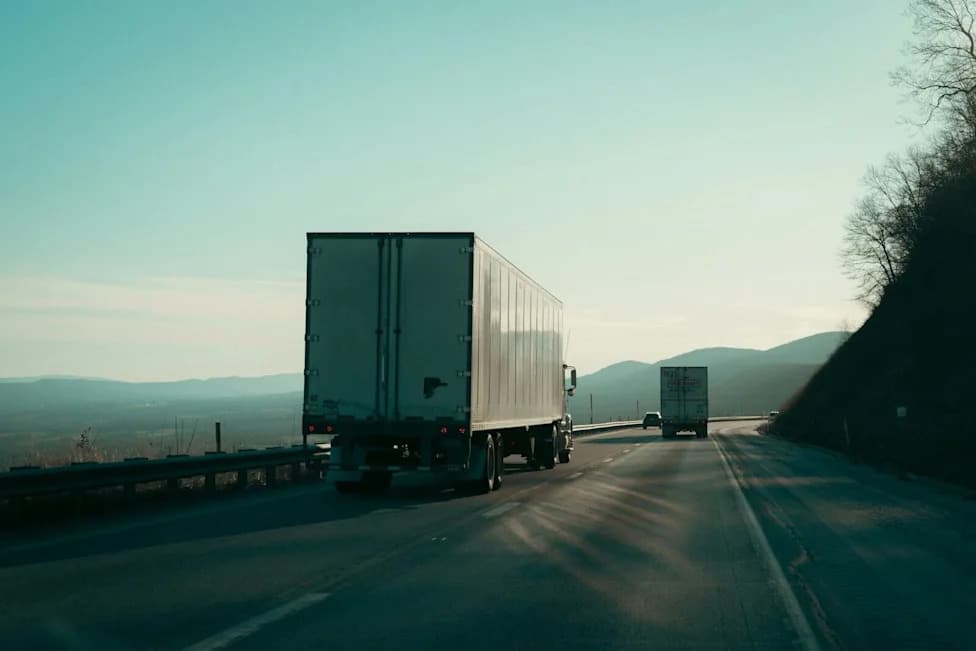
Kodiak AI received an autonomous-vehicle testing permit from California on August 13 — but it is a drivered authorization. Every Kodiak tractor operating under the permit must carry a human in the left seat, belted with hands near the wheel, performing the driving role California has required while it evaluates heavier vehicles.
Background: The Weight Ceiling And New Rules
For years California's autonomous-vehicle (AV) rules excluded vehicles with a Gross Vehicle Weight Rating (GVWR) above 10,001 pounds, effectively locking most freight vehicles — from Class 3 box trucks to Class 8 sleepers — out of the permitting system. On April 28, 2026 the Office of Administrative Law approved regulations that lifted that ceiling for freight. Heavy-duty passenger transport remains broadly restricted, though medium‑duty transit vehicles up to 14,001 pounds GVWR can operate under public agencies and universities. Reporting obligations under the new framework began on July 1.
What Kodiak's Permit Actually Means
Kodiak's permit is the first step of a three-stage pathway California requires for heavy‑duty autonomous trucking: drivered testing, then driverless testing, and finally driverless commercial deployment. Each stage requires a separate application; success elsewhere does not allow skipping steps. With the newly issued permit, the regulatory clock for public-road testing starts with a human in the seat.
Mileage Gates And The Safety Case
The rules set concrete mileage milestones. Before a heavy‑duty developer may operate driverless freight commercially in California, it must log about 500,000 miles with a safety driver and another 500,000 miles in driverless operation, with roughly 200,000 miles accumulated inside California. Light‑duty developers face a 50,000‑mile gate. While those totals can be reached operationally (for example, a single long‑haul tractor can cover 500,000 miles in ~5 years), the DMV requires a structured safety case: documented hardware, software, and operational reasoning that explain why the system is safe — not merely an odometer tally or a record of few crashes.
Kodiak's Permian Program: Real Data, Limited Credit
Kodiak's driverless development has mostly occurred away from Mountain View. Partnering with Atlas Energy Solutions in the Permian Basin, Kodiak had 28 driverless trucks operating as of March 31, 2026 on 15 routes hauling frac sand between loading points in Texas and New Mexico. That program reportedly moved roughly 7,000 loads totaling more than 450,000 tons of sand, logged over 23,500 driverless hours in Q1 2026, and ran triples with loaded weights north of 135 tons. Atlas and Kodiak target a 100‑truck fleet by mid‑2027. Almost all of those miles were on private lease roads — experience California does not accept toward its public‑road mileage gates.
New Compliance And Enforcement Tools
The heavy‑duty framework creates an enforcement apparatus distinct from ordinary trucking oversight. Key compliance requirements include:
- Law enforcement may issue a notice of noncompliance; manufacturers have 72 hours to respond.
- Companies must answer first‑responder requests within 30 seconds.
- Local emergency officials can send an electronic geofence directive; fleets must vacate the area within 2 minutes.
- Remote operations staff — humans monitoring vehicles from control centers — face licensing and training standards.
- Required reporting covers driving‑task system failures, immobilizations, hard braking, collisions, and vehicle miles traveled.
These provisions shift accountability from individual drivers to corporate permits: repeated violations can threaten an operator’s authorization to run, which is a materially different enforcement model than traditional CDL‑based penalties.
Legal And Commercial Uncertainties
Kodiak's permit arrived eight days after Teamsters California filed a procedural challenge in Alameda County Superior Court. The union argues the state failed to perform the deeper economic analysis required when a rule imposes first‑year costs above roughly $50 million; the DMV estimated impacts at $5.8 million while the Teamsters put direct costs at $288 million (and $576 million including indirect effects). A successful procedural challenge could force the rulemaking back for revision and leave miles logged under the current permit on legally contested footing — a consideration for insurers and investors.
What Drivers And The Public Should Expect
On corridors such as I‑5, I‑10, and Route 99, expect to see Class 8 tractors equipped with sensor suites and a highly attentive human operator. For now, nothing about daily driving changes: these trucks remain legally conventional commercial vehicles and the licensed operator is responsible in the moment.
Industry Implications
Regulatory permission is only one piece of the puzzle. Building autonomy‑ready trucks at scale is a manufacturing challenge — contract builders are already retooling for higher‑volume driverless‑semi production. For commercial drivers holding CDLs, the new rules make the timeline clearer (and finite): a million miles plus a rigorous safety case is a long runway, but not an indefinite one. The next milestone to watch is the driverless testing permit, which will more directly change how these vehicles operate on public roads.
All facts in this article reflect the regulatory and operational information available as of the permit issuance and the April–July 2026 regulatory updates.
Help us improve.